



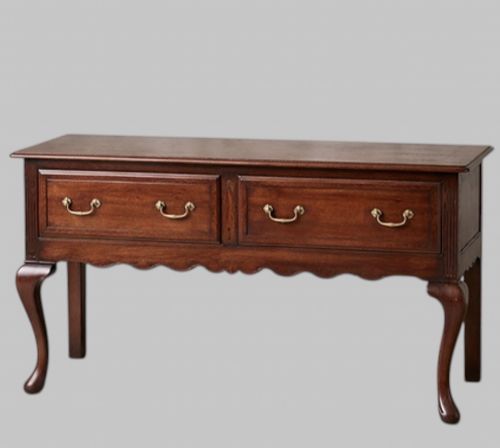

Georgian Cabriole Sideboard
A georgian cabriole sideboard brings together sturdy timber and curved legs, offering a practical surface for display and serving in any dining room.
Georgian Cabriole Sideboard
When you search for a georgian cabriole sideboard, you encounter substantial serving furniture built for domestic use. The pieces appearing here span centuries of British cabinetmaking, ranging from authentic period examples to later revivals.
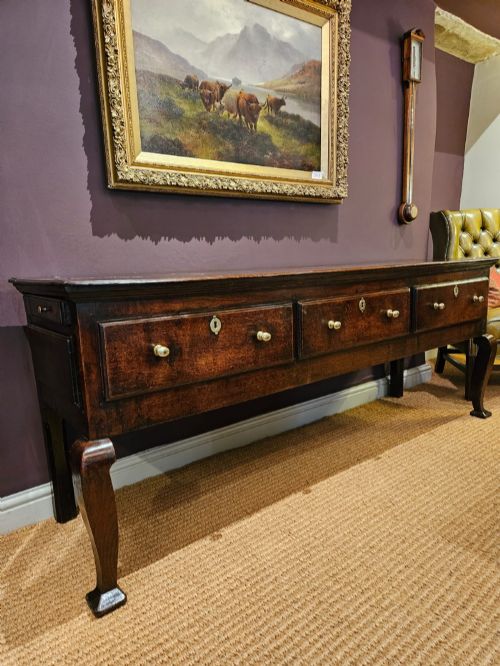
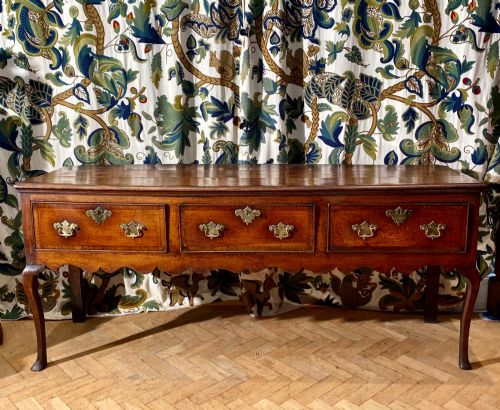
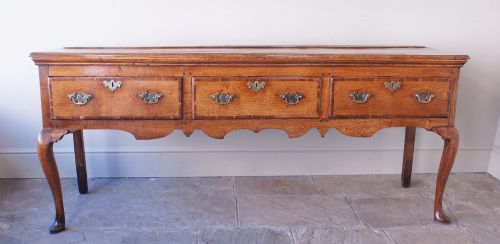
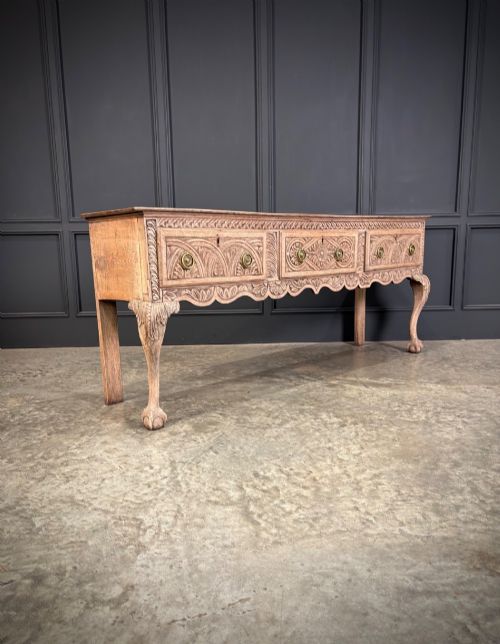
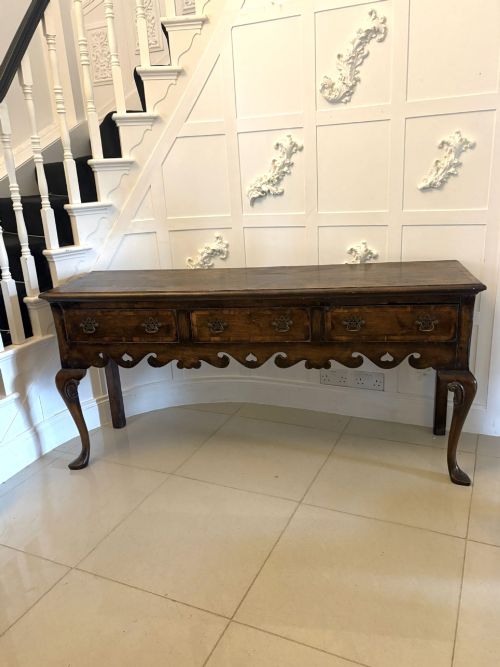
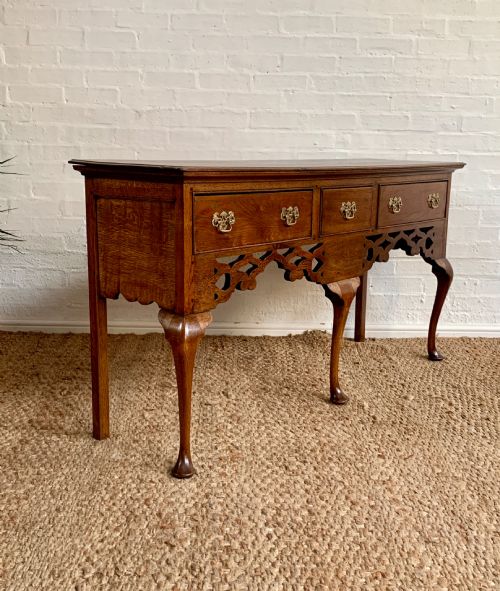
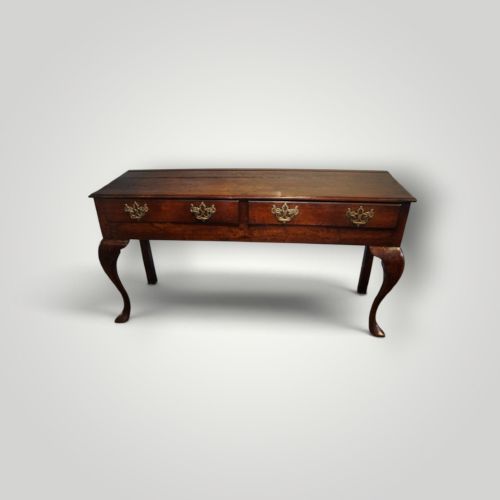
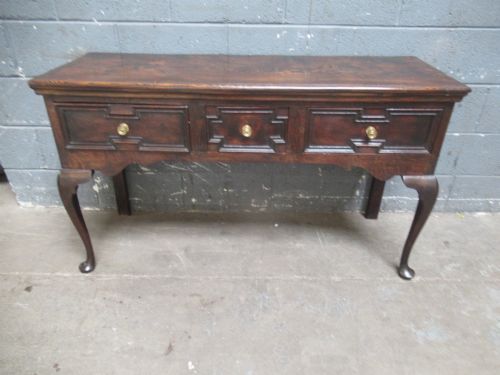
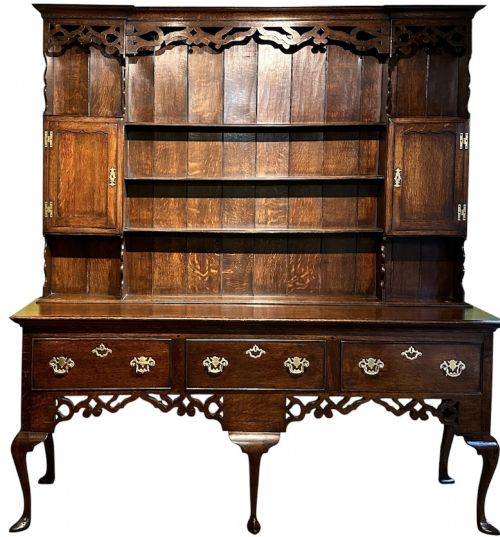
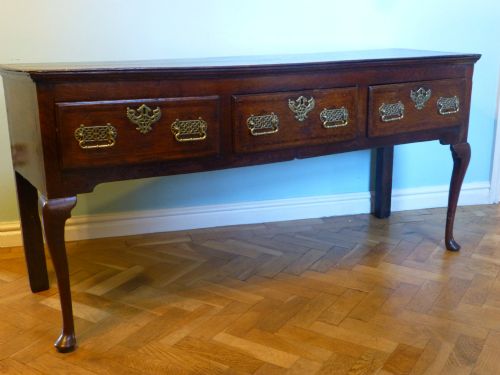
The form most frequently met on this page is the oak dresser base fitted with drawers, often standing on graceful cabriole legs. These utilitarian items originated in country houses and rural dining spaces.
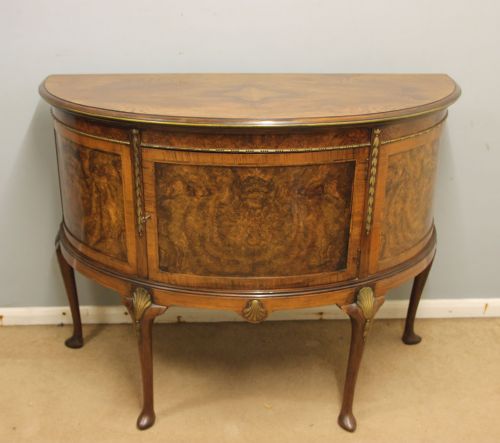
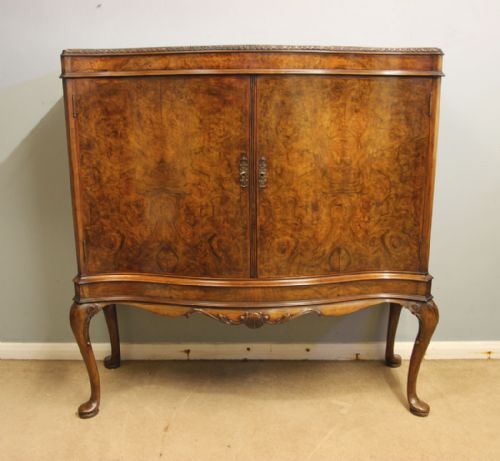
Alongside traditional oak, variations emerge in walnut, mahogany and painted wood. Forms stretch from simple side tables and console tables to expansive servers and side cabinets.
How they were made
Cabinetmakers relied heavily on native timbers such as oak, mahogany and walnut, frequently selecting burr walnut veneers for decorative surfaces. Brass hardware provided functional handles and escutcheons on drawers.
Construction techniques combined robust joinery with shaped woodwork, particularly in forming the signature curved leg profile. Surfaces occasionally received a coat of paint or a polished finish to highlight the grain.
Georgian Cabriole Sideboard Retail Price Guide 2026
Typical asking prices for georgian cabriole sideboard among the pieces listed under this phrase on Sellingantiques today, from the lower quarter to the upper quarter. They describe what is for sale here now, not the wider market.
Some eighteenth-century oak bases likely spent their early mornings holding flour and dough before cleaning up for evening dining.
What varies in quality
The distinction between standard examples and finer pieces rests on timber selection and the fluidity of the carved leg. Superior items display well-figured wood, crisp moulding and harmonious proportions.
Execution of the cabriole form reveals the maker's hand, where smooth curves and subtle shaping separate accomplished regional work from simpler production.
Elkington & Co·Whytock & Reid
The Georgian Cabriole Sideboard Glossary
- Cabriole leg
- A furniture leg that bends outward in a convex curve and tapers inward in a concave curve, ending in a foot. This shape mimics the leaping posture of an animal.
- Dresser base
- The lower section of a kitchen or dining room dresser, comprising drawers and cupboards. It functioned as a primary serving and storage counter in period homes.
- Crossbanding
- A strip of veneer applied to the border of a panel, with the grain running perpendicular to the central surface. It frames the wood and adds visual depth.
- Demi lune
- A half-moon shape used for the tops and frames of small side tables and cabinets. This profile allowed furniture to sit flush against a wall.
- Server
- A side table or low cabinet designed specifically for holding dishes during a meal. These pieces sit comfortably in dining spaces alongside larger sideboards.
Georgian Cabriole Sideboard: Frequently Asked Questions
What is a cabriole sideboard?
A cabriole sideboard or dresser base is a low serving table featuring characteristic curved legs that sweep outward and taper down to the feet. These pieces combine drawer storage with a flat top surface.
Originally built for dining spaces and kitchens, they served both functional preparation needs and the display of household plate. Today they function well as side tables or console surfaces in living areas.
How do I date an oak base?
Dating an oak base involves examining the construction methods, drawer linings and timber patination. Hand-cut joinery and signs of historical wear indicate genuine age.
Revival pieces from later periods often mimic earlier proportions but utilise different assembly techniques and cleaner interior surfaces. Comparing the timber grain helps distinguish authentic period work.
Where should I place a server?
A server suits dining rooms, hallways or living spaces where surface area and low-profile storage are required. Their shallow depth allows them to sit against walls without blocking walkways.
Pairing a server with lamps, mirrors or ceramics makes practical use of the top surface while drawing attention to the wood grain and leg shape.
Why choose walnut over oak?
Walnut offers a richer, darker tone and intricate grain patterns compared to the robust, open texture of oak. Burr walnut specifically provides decorative swirling figures prized by cabinetmakers.
While oak carries a traditional country aesthetic, walnut brings a more polished presence to interior schemes. Both timbers provide durable surfaces for daily household use.