



Georgian Burr Walnut Bookcase
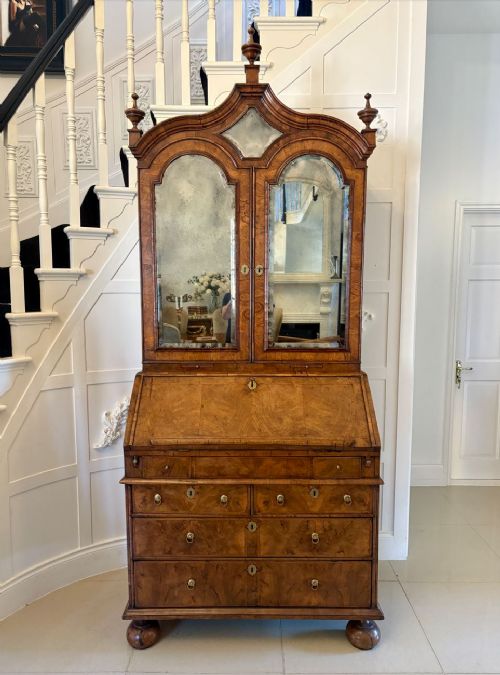
A georgian burr walnut bookcase brings magnificent grain patterns and practicality to a room, offering enclosed shelving and fitted writing spaces.
Georgian Burr Walnut Bookcase
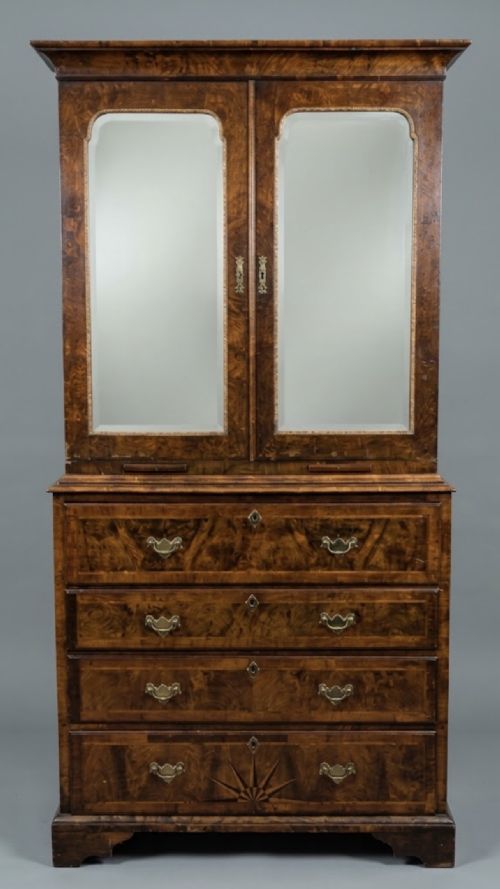
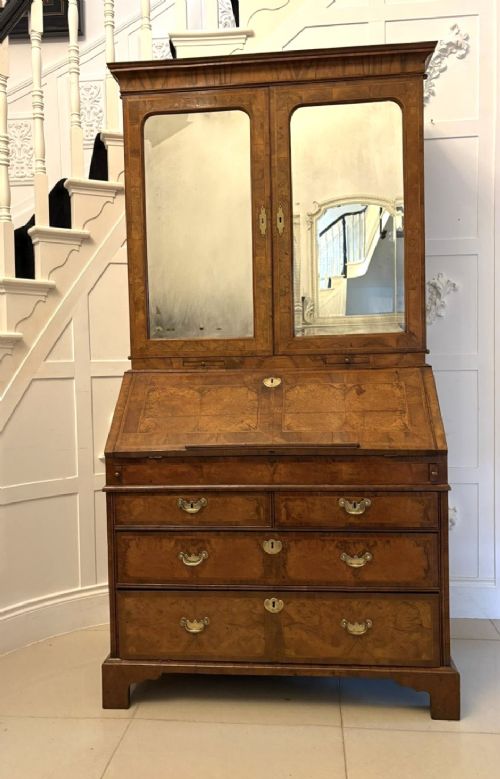
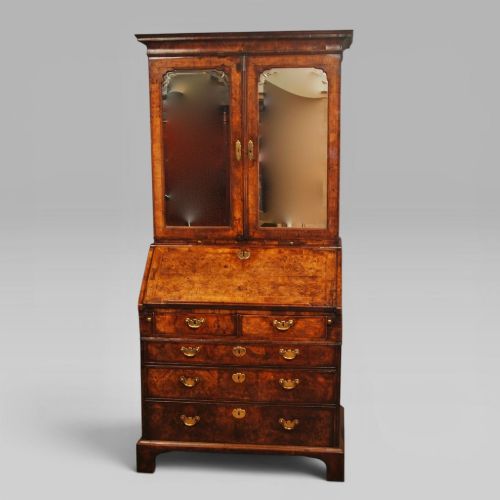
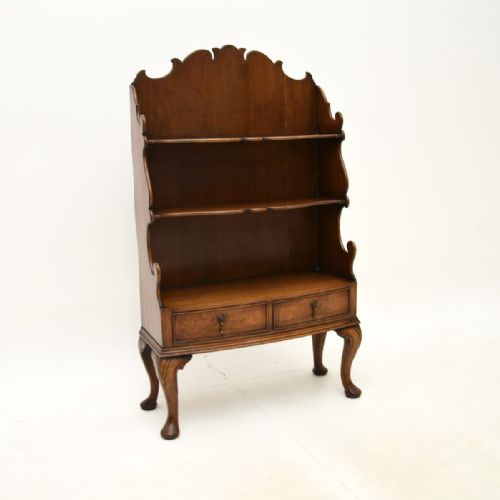
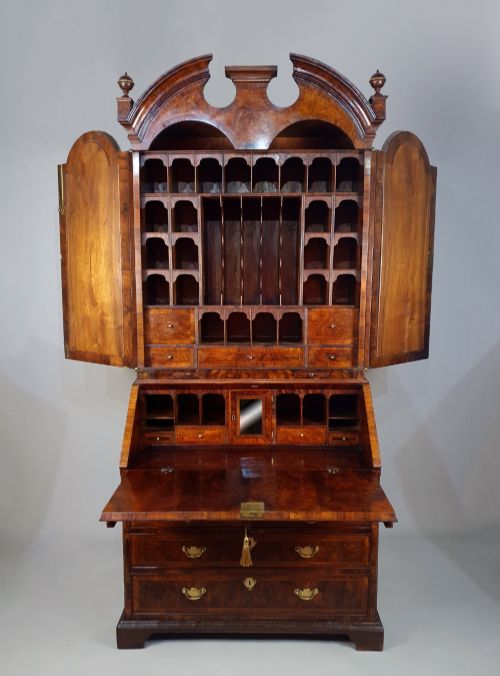
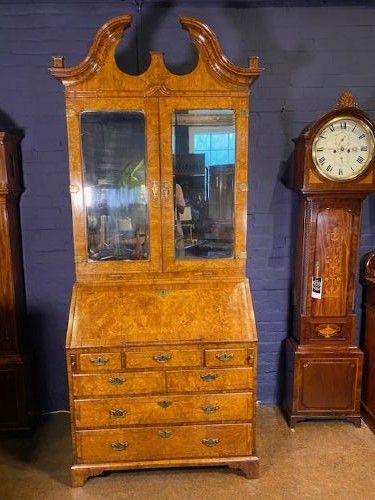
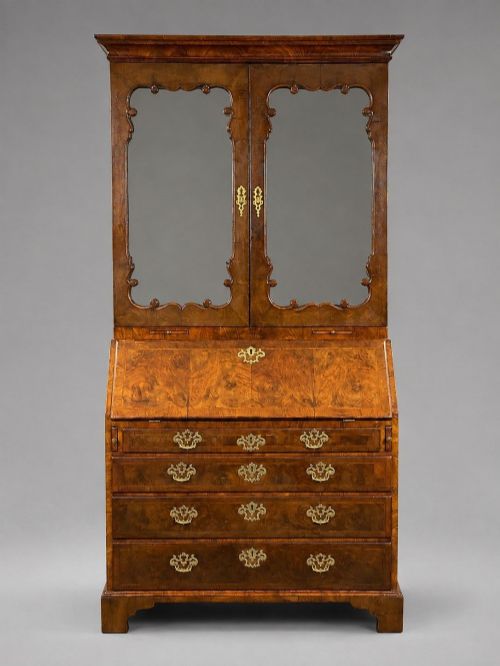
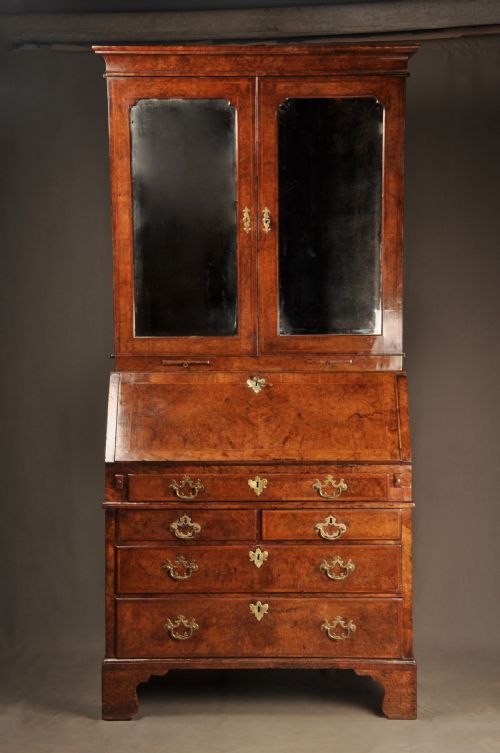
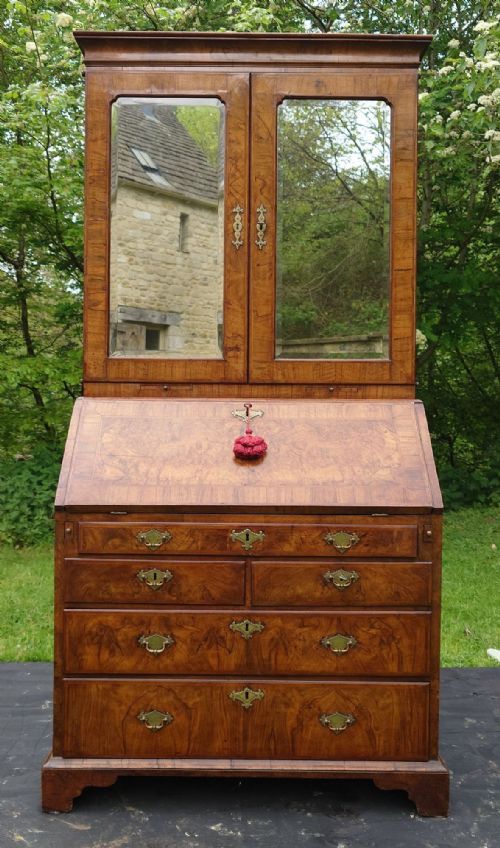
A georgian burr walnut bookcase is fundamentally a dual-purpose piece of furniture, combining a glazed or panelled upper cabinet for books with a lower bureau or chest section featuring a sloping fall-front desk. The bureau bookcase form dominates the offerings here, accompanied by open bookshelves and bureau cabinets from both the eighteenth century and later revival periods.
Buyers encounter architectural variants such as double-dome tops, break-front formats, and pieces constructed in separate sections for easier transport. Fitted interiors typically include small drawers, pigeonholes, and occasionally candle slides situated beneath the upper doors.
Materials and construction
Cabinetmakers utilised timber with highly figured grain, slicing walnut and burr walnut into thin veneers to display intricate swirls and patterns across the main surfaces. These veneers were applied to stable secondary timbers like oak using animal glues, frequently accented with delicate featherbanding or cross-banding borders.
Glazing bars divided the upper cabinet glass into multiple panes, while interior components incorporated pigeonholes and small drawers constructed with traditional dovetail joints. Brass hardware, including handles, escutcheons, and hinges, secured the doors and drawers while providing functional contrast to the dark wood.
Georgian Burr Walnut Bookcase Retail Price Guide 2026
Typical asking prices for georgian burr walnut bookcase among the pieces listed under this phrase on Sellingantiques today, from the lower quarter to the upper quarter. They describe what is for sale here now, not the wider market.
Candle slides wait quietly beneath the upper doors, ready to offer light to eighteenth-century writers.
Assessing quality
The visual impact depends largely on the choice and matching of the burr walnut veneer across the front drawers and fall-front panel. Superior examples display symmetrical grain patterns that mirror one another, whereas lesser pieces show random or mismatched figuring.
Proportion and structural integrity separate standard items from exceptional ones, particularly in the handling of cornices, feet, and internal drawer configuration. The survival of original patination, brassware, and glass panes adds significant weight to the standing of a piece.
The Georgian Burr Walnut Bookcase Glossary
- Burr walnut
- Timber taken from the wart or burl growth on a walnut tree, yielding highly ornamental swirling grain patterns. This prized wood was sliced into veneers for cabinet fronts.
- Featherbanding
- A decorative inlay technique using small pieces of veneer cut diagonally and laid in a herringbone pattern to frame drawer fronts or panels.
- Bureau bookcase
- A combination piece comprising a sloping desk compartment below an upright shelving cabinet with doors. The fall-front opens to reveal a fitted interior of pigeonholes and small drawers.
- Secretaire cabinet
- A piece of furniture incorporating a dedicated writing drawer or compartment with a drop-down front. It serves a similar function to a bureau but maintains the exterior profile of a standard cabinet or chest.
- Candle slide
- A pull-out wooden board mounted beneath the upper cabinet doors to hold candlesticks for illumination while writing at the desk below.
Georgian Burr Walnut Bookcase: Frequently Asked Questions
What is a bureau bookcase?
A bureau bookcase combines an upper shelving cabinet with a lower section featuring a sloping desk lid. This layout provides both display space for books and a private writing surface.
Inside the desk portion, makers arranged small drawers and pigeonholes for correspondence and documents. The upper doors often featured glass panels to show off leather-bound volumes.
How do I date a walnut bookcase?
Dating relies on examining construction methods, hardware, and stylistic details such as cornice shapes and foot designs. Eighteenth-century pieces exhibit hand-cut dovetails and specific joinery traits characteristic of the George I or George II periods.
Revival pieces from the Edwardian era or the early twentieth century often mimic these earlier styles but use machine-sawn timber elements or modern secondary woods inside.
How were these used originally?
Owners stored valuable libraries in the upper glazed section and used the fold-down desk for writing letters and managing estate accounts. The concealed drawers inside the bureau kept personal papers secure.
Candle slides provided a steady source of light for evening reading and writing before the advent of gas and electric lighting.
Are walnut and burr walnut the same?
Standard walnut timber comes from the trunk of the tree and displays a straight, rich brown grain with darker figuring. Burr walnut is harvested from abnormal growths on the tree, creating complex, swirling patterns.
Cabinetmakers reserved burr walnut veneer for the most prominent exterior surfaces, such as drawer fronts and fall-front desks, while using plain walnut or secondary woods elsewhere.