
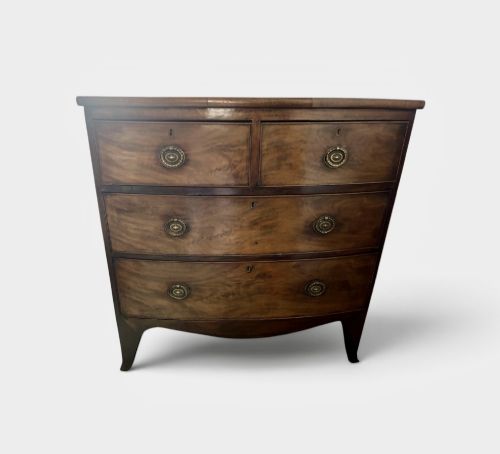


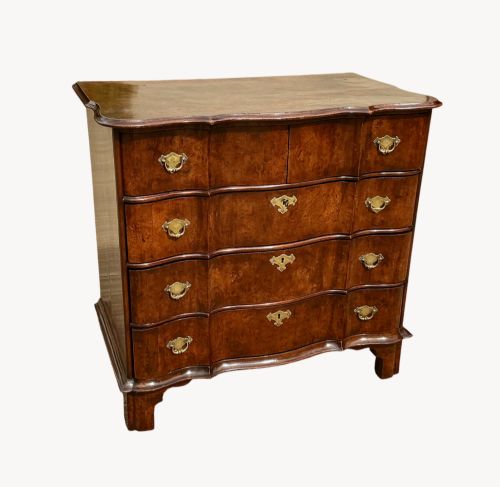
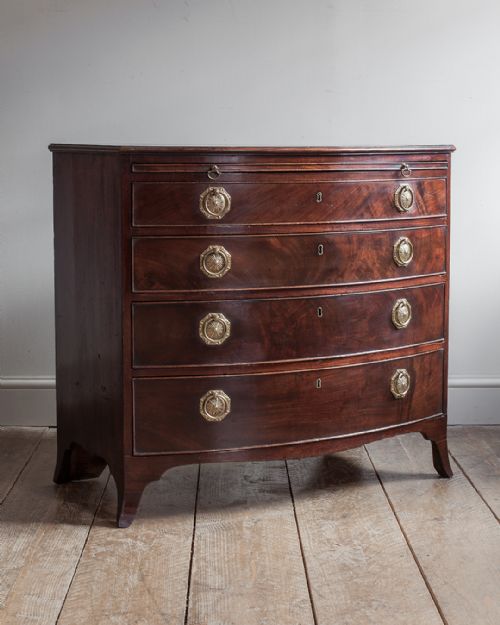
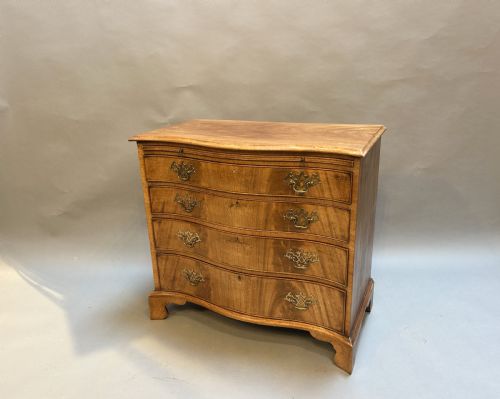
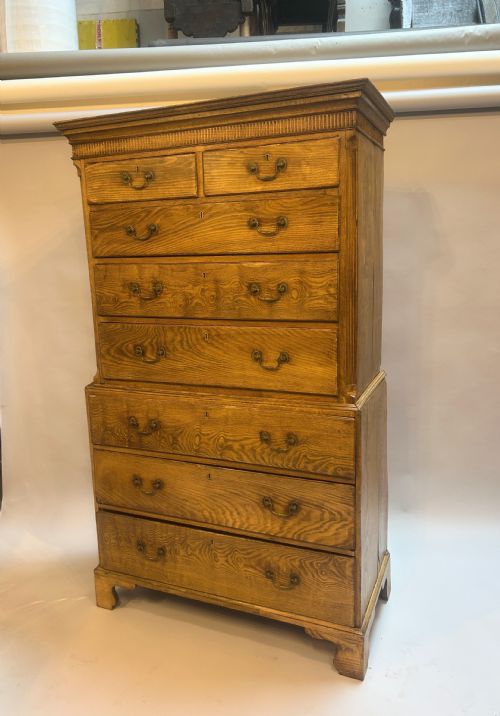
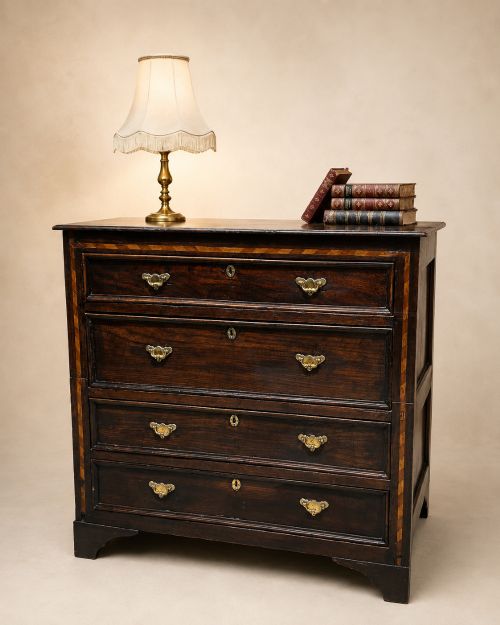
Georgian Brass Handle Dresser
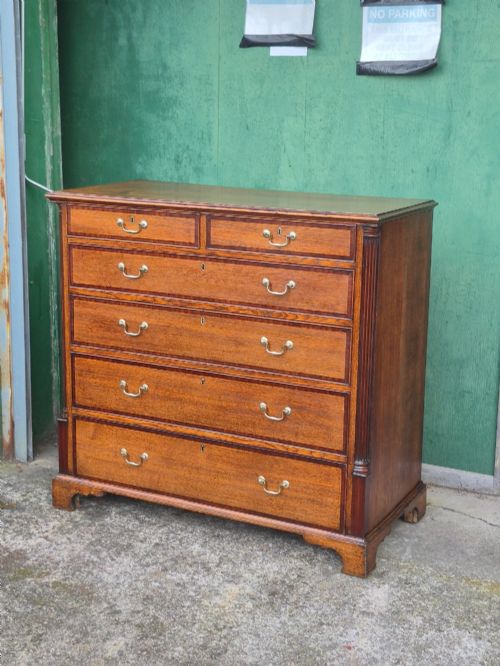
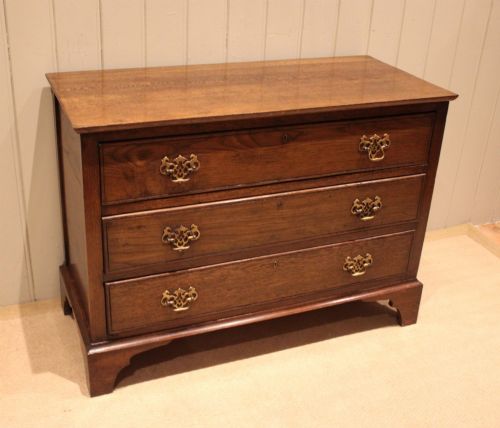
A georgian brass handle dresser brings together sturdy timber and bright metalwork, offering substantial storage alongside timeless period character.
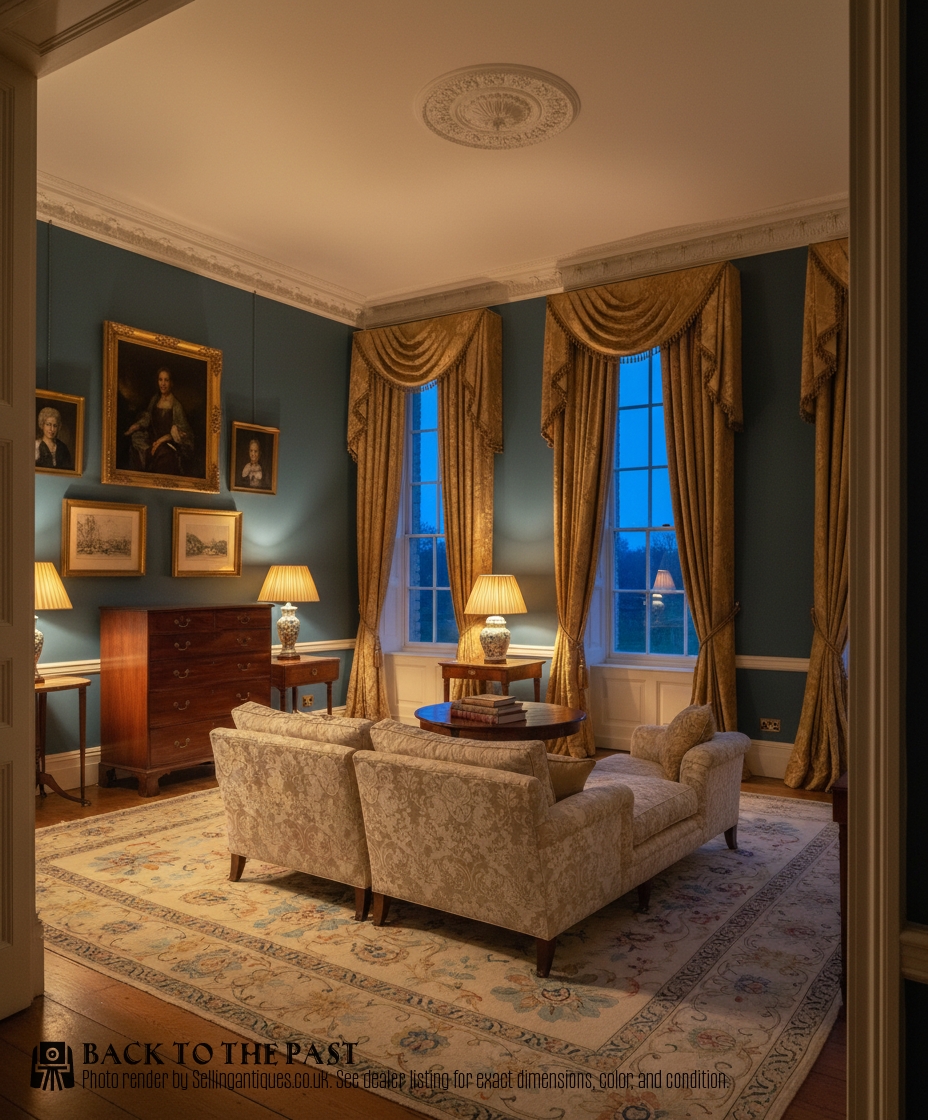
Georgian Brass Handle Dresser
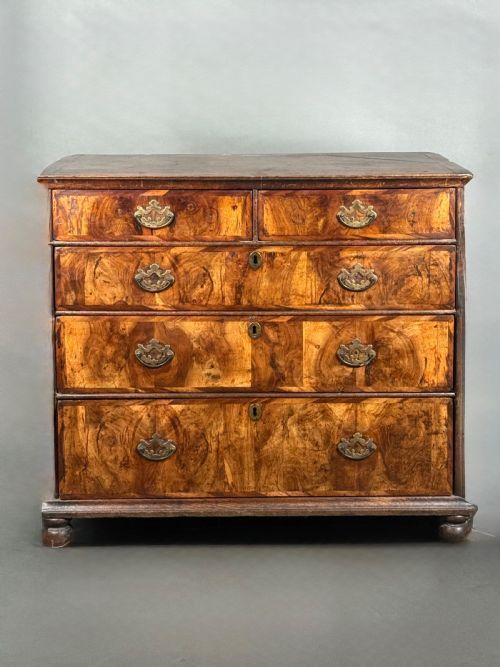
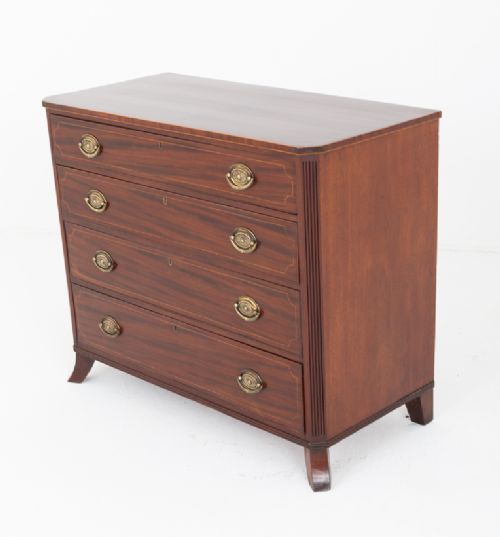
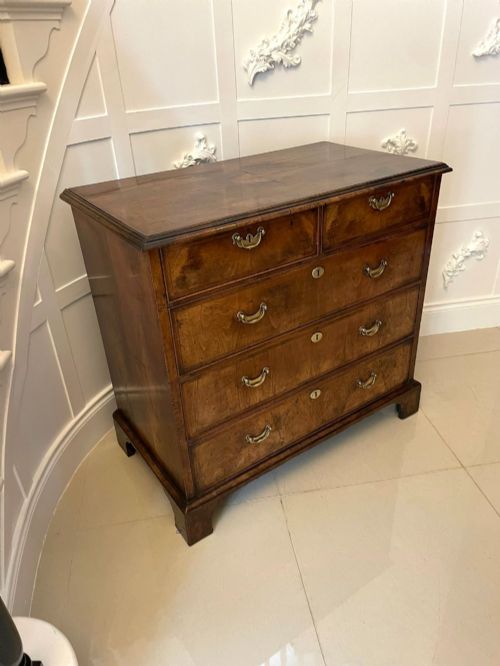
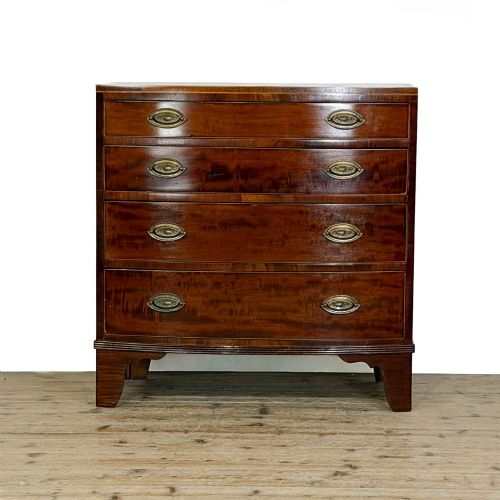
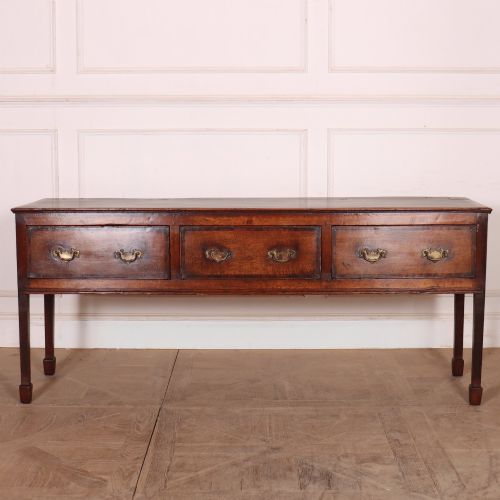
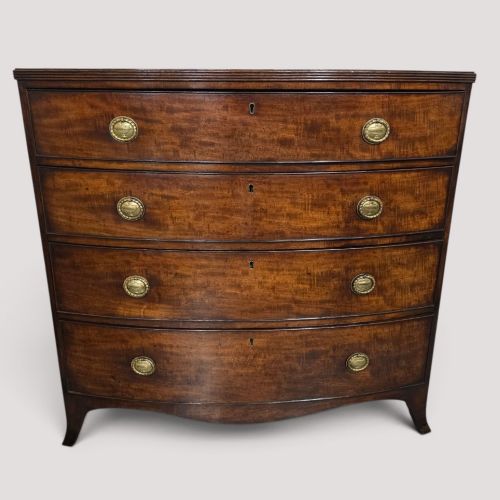
Buyers seeking a georgian brass handle dresser encounter a robust selection of case furniture, predominantly chests of drawers and dresser bases spanning the Georgian era and surrounding periods. These pieces serve practical storage needs while displaying the architectural proportions characteristic of eighteenth and nineteenth-century cabinetmaking.
The assortment on this page most frequently presents mahogany and oak storage pieces, often featuring original brass handles and escutcheons. Alongside standard chest formats, variations include bow front designs, tallboys, and occasional dresser bases suited for living spaces or dining rooms.
Origins stretch across English country workshops and urban cabinet makers, encompassing styles from Queen Anne through to Regency and George III. Buyers also meet later reinterpretations from the twentieth century that adopt these earlier proportions and materials.
Distinctions in construction and material grade
Superior examples separate themselves through the selection of timber figures, such as highly figured walnut, burr walnut veneers, or densely grained flame mahogany matched symmetrically across drawer fronts. The crispness of hand-cut dovetails and the integrity of secondary framing timbers further indicate workshop competence.
Hardware consistency marks another layer of distinction, where original cast brass handles and matching locks demonstrate high-tier output. Subtle architectural details, including crossbanded tops, cockbeaded drawer edges, and well-executed serpentine outlines, elevate individual pieces above standard utility forms.
Materials recorded on this page include mahogany, oak, walnut, burr walnut, fruitwood, cedar, and iron.
J Moorcroft
The Georgian Brass Handle Dresser Glossary
- Bow front
- A convex curved cabinet front that projects outward in the centre, popular during the Regency and late Georgian periods.
- Dovetail
- A joint formed by interlocking wedge-shaped fingers, widely used by cabinet makers to join drawer corners securely.
- Escutcheon
- A decorative brass plate surrounding a keyhole that protects the surrounding wood from wear.
- Tallboy
- A tall chest of drawers consisting of one chest stacked upon another, maximising vertical storage capacity.
- Cockbeading
- A narrow protruding moulding applied to the edges of drawer openings to frame the facade.
Georgian Brass Handle Dresser: Frequently Asked Questions
What is a brass handle dresser?
A brass handle dresser or chest combines functional storage drawers with distinctive cast metal hardware typical of eighteenth and nineteenth-century cabinetmaking. These items served domestic storage needs in bedrooms, hallways, and living areas.
Today, they integrate smoothly into modern interiors as statement storage pieces that provide generous capacity while retaining historical presence.
How do I identify a Georgian piece?
Identification relies on observing timber choices such as mahogany or oak, hand-cut dovetail joints, and characteristic proportions reflecting reigns from George I through to George IV. Secondary woods and construction methods offer further chronological clues.
Examining the backboards, drawer linings, and lock mechanisms helps confirm the manufacturing period alongside stylistic markers.
Are brass handles original?
Original brass handles match the age of the timber frame and leave impressions or ghost marks that align with their backplates. Replacements often use modern screw threads or show mismatched fixing holes.
Inspect the interior of the drawer fronts to see if previous handle configurations left plugged holes or differing wear patterns.
How should I care for timber surfaces?
Maintain polished wood surfaces by applying natural beeswax periodically and buffing gently with a soft cloth. Avoid placing antique furniture near direct heat sources or in areas subject to rapid humidity changes.
Keep brass hardware unpolished unless necessary, allowing the metal to retain its natural historical patina over time.