



Georgian Brass Handle Cellarette
A georgian brass handle cellarette is a classic container for cooling wine or storing bottles, prized for rich timbers and traditional metalwork.
Georgian Brass Handle Cellarette
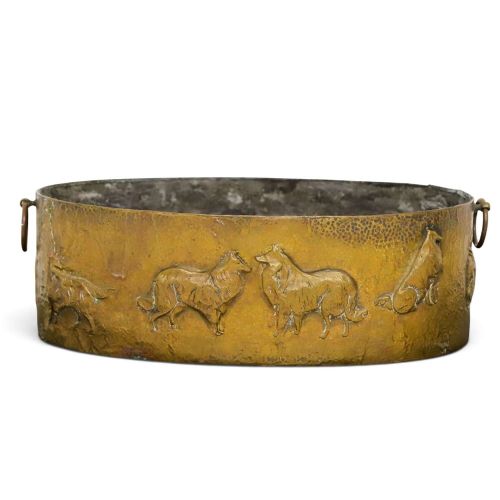
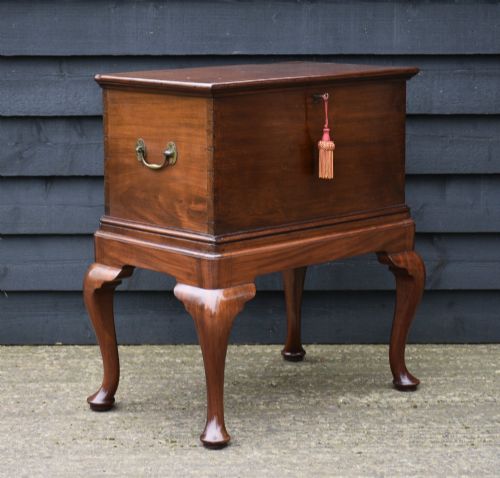
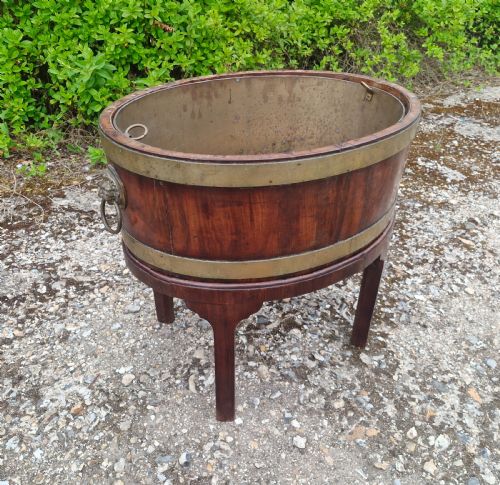
A georgian brass handle cellarette serves primarily as a wine cooler, bottle carrier, or planter, constructed during the Georgian, Regency, and later revival periods.
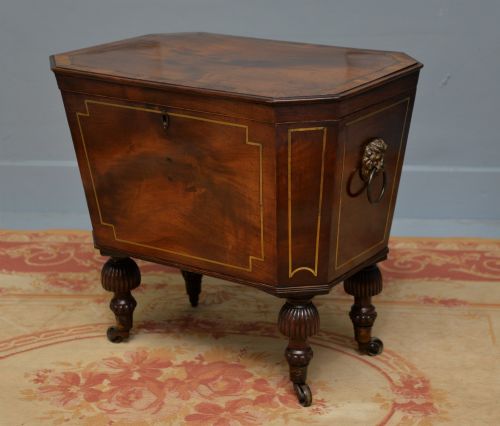
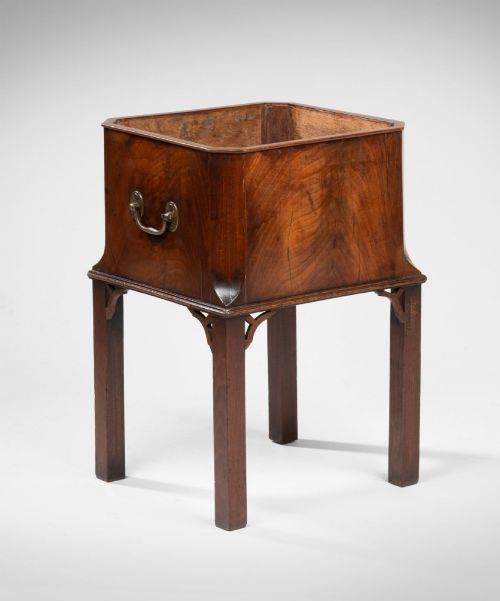
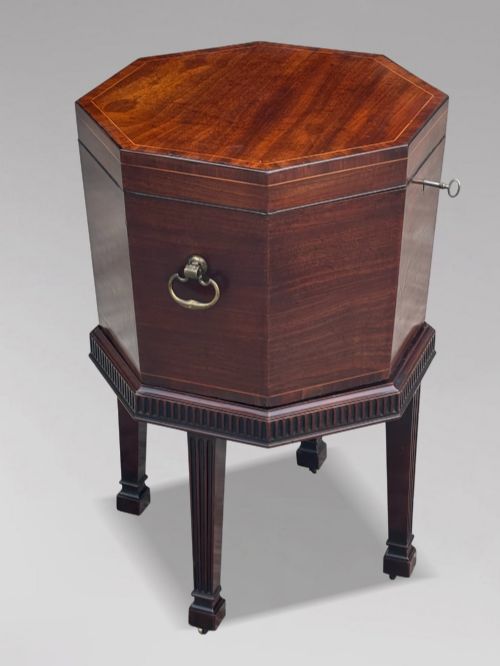
The most common form on this page is the mahogany box or octagonal wine cooler, often fitted with robust metal handles for lifting.
Pieces span from the eighteenth century into the twentieth century, including revival models and related planters or jardiniere stands.
How they were made
Cabinetmakers used dense timbers like mahogany, satinwood, kingwood, rosewood, and boxwood, frequently adding contrasting stringing and marquetry inlay.
Vessels incorporated brass handles, straps, or bound edges to reinforce the heavy wooden construction and secure the internal structure.
Interiors often featured metal liners or zinc compartments designed to hold ice and bottles safely without damaging the wood.
Georgian Brass Handle Cellarette Retail Price Guide 2026
Typical asking prices for georgian brass handle cellarette among the pieces listed under this phrase on Sellingantiques today, from the lower quarter to the upper quarter. They describe what is for sale here now, not the wider market.
Period styles span George II, George III, Chippendale, Regency, and Edwardian eras.
What varies in quality
The sophistication of the timber grain and the precision of the boxwood or satinwood inlay distinguish finer examples from simpler containers.
The weight, quality, and originality of the brass handles and metal fittings play a major role in determining the standard of the piece.
Proportion and form range from austere octagonal boxes to elaborate sarcophagus shapes and marquetry-decorated Dutch planters.
Whytock and Reid
The Georgian Brass Handle Cellarette Glossary
- Cellarette
- A lockable box or cabinet designed for holding wine bottles near the dining table. They frequently feature metal liners to accommodate ice.
- Wine Cooler
- A vessel or stand used to chill wine during meals. In this selection, they often share forms with cellarettes and planters.
- Marquetry
- Decorative patterns formed by inserting pieces of coloured wood, satinwood, and rosewood into a veneered surface. This technique creates complex pictorial or geometric designs.
- Sarcophagus
- A coffin-like shape with a stepped or domed lid utilised for large Regency wine coolers. The form draws inspiration from classical antiquity.
- Jardiniere
- An ornamental pot or stand for holding plants or flowers. Many surviving wine coolers were later adapted for this domestic use.
Georgian Brass Handle Cellarette: Frequently Asked Questions
What is a cellarette used for?
A cellarette served as a secure container for storing wine bottles near the dining table before meals were served.
Many examples included internal metal liners to hold ice and keep the wine cool during long gatherings.
How do I spot a reproduction?
Check the timber grain, interior construction methods, and the wear patterns on the brass handles to assess age.
Revival pieces from the twentieth century often display different secondary woods and modern fixings compared to eighteenth-century originals.
Can I use a wine cooler as a planter?
Many wine coolers and cellarettes feature zinc or metal liners that naturally lend themselves to holding potted plants.
Historical examples were frequently repurposed as jardiniere stands or indoor plant holders in later centuries.
What woods were used?
Mahogany forms the primary structure for the majority of these pieces, selected for its strength and rich dark tone.
Cabinetmakers also incorporated decorative veneers including satinwood, kingwood, rosewood, and boxwood for contrasting inlay work.