



Georgian Brass Bucket
When you search for a georgian brass bucket, you are looking at heavy timber or metal vessels built to hold wine, coal, peat or water by the hearth.
Georgian Brass Bucket
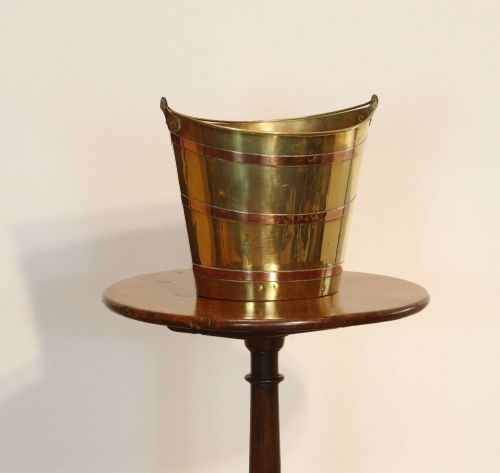
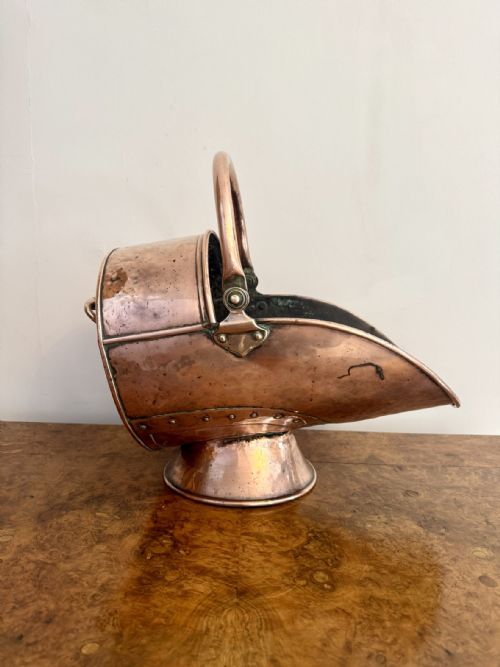
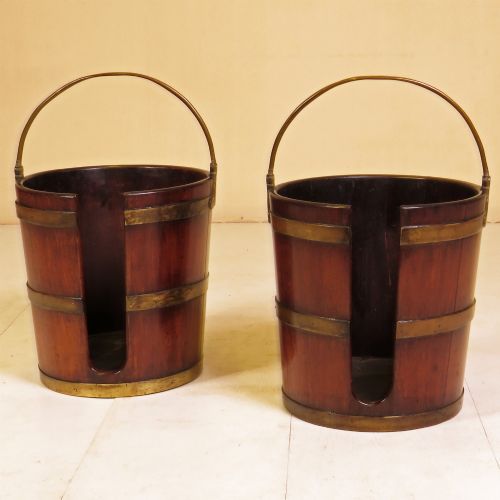
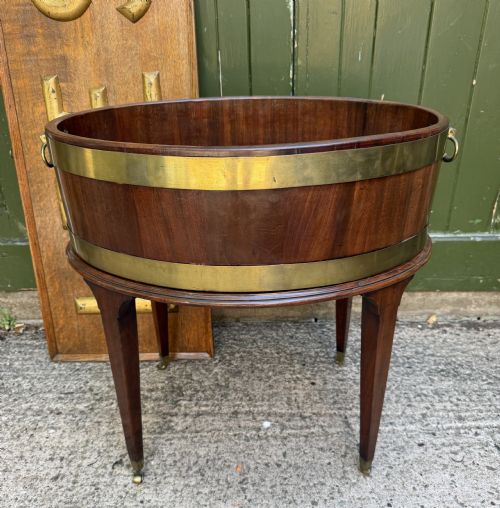
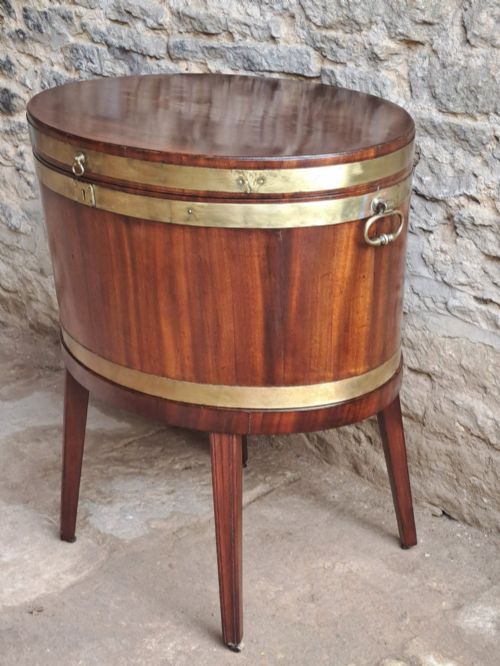
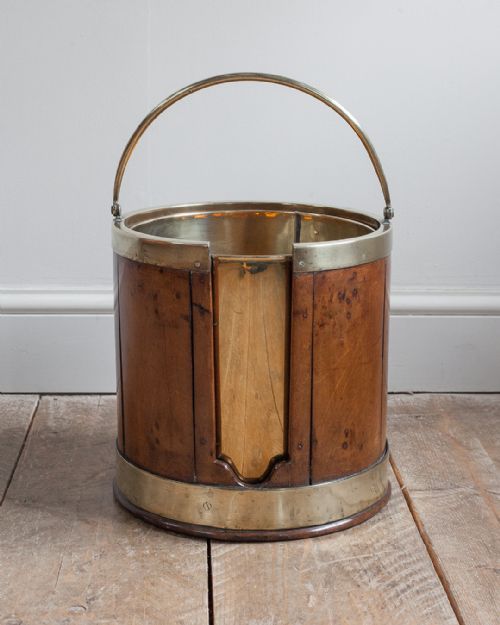
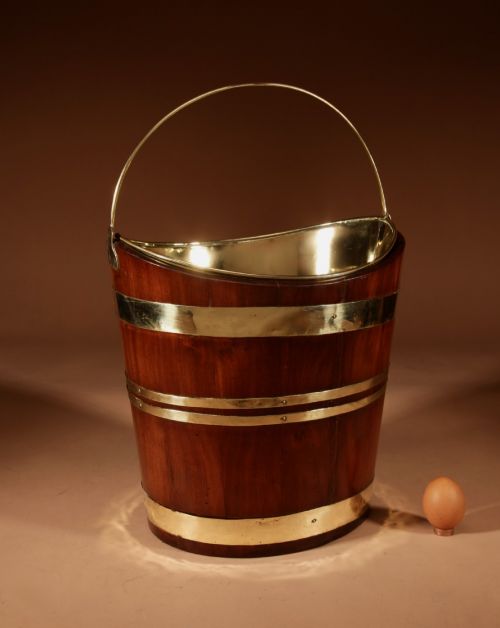
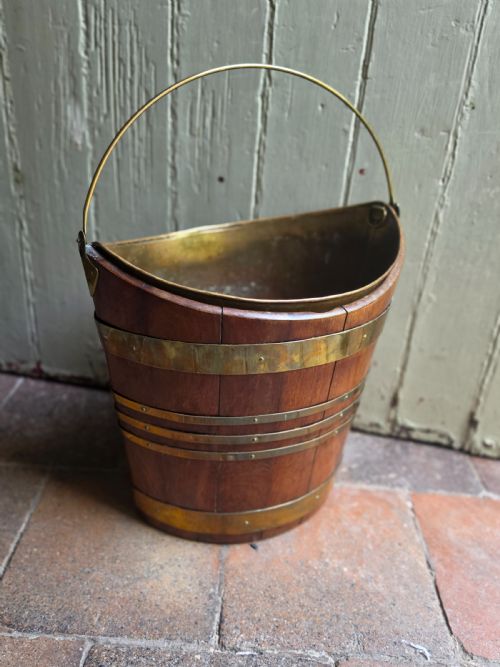
A georgian brass bucket encompasses a wide array of functional domestic receptacles, from mahogany wine coolers and cellarettes to copper coal scuttles, peat buckets and plate buckets.
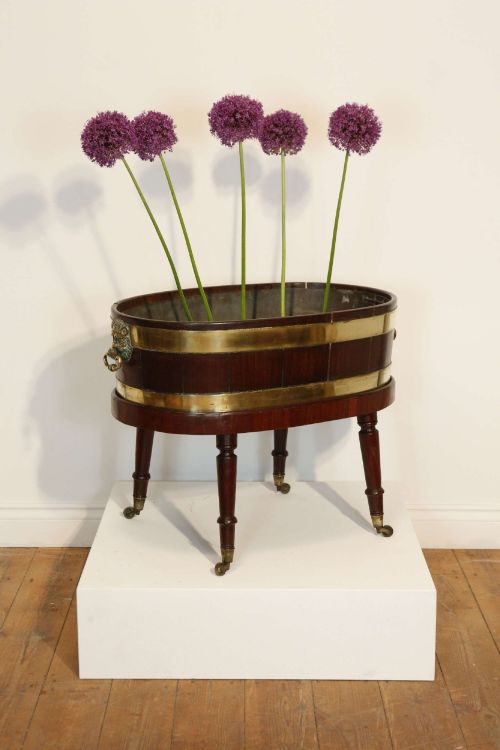
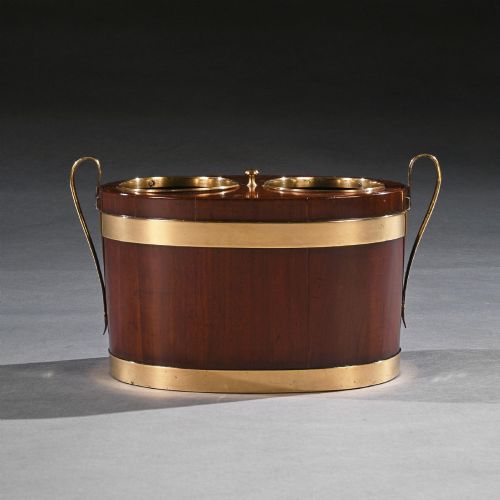
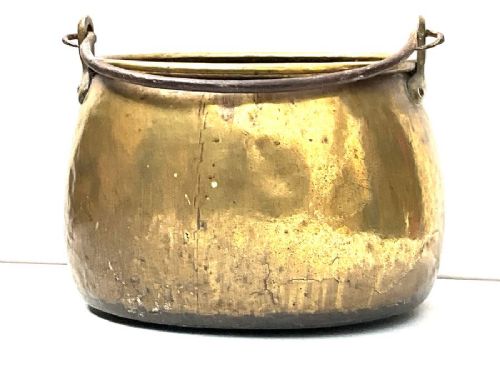
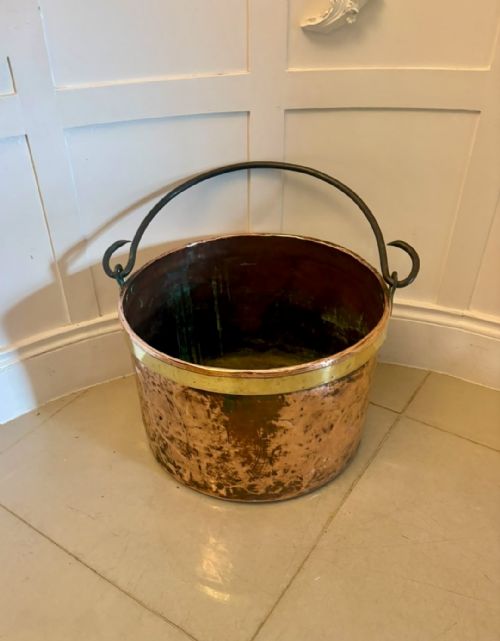
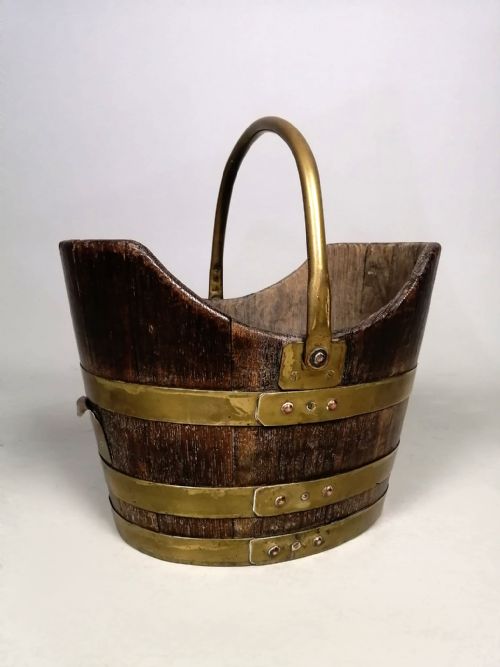
The most common examples encountered on this page are mahogany vessels encircled by brass bands, alongside solid copper and brass pans designed for fireside use or display.
These items originate primarily from the eighteenth and nineteenth centuries, spanning periods such as the Georgian, Regency and Victorian eras, with occasional revival pieces.
How they were made
The timber vessels utilise traditional cooperage techniques, employing curved staves of mahogany, walnut or oak bound tightly together by heavy brass bands and swing handles.
Metal items are forged from sheets of copper and brass, joined with rivets or seams, and often paired with iron components or zinc and brass liners to contain water or fuel safely.
Georgian Brass Bucket Retail Price Guide 2026
Typical asking prices for georgian brass bucket among the pieces listed under this phrase on Sellingantiques today, from the lower quarter to the upper quarter. They describe what is for sale here now, not the wider market.
Listings demonstrate a strong preference for mahogany timber paired with brass bands, alongside solid copper fireside pans.
What varies in quality
Quality rests in the weight of the metal and the timber selection, where dense grains, well-fitted brass hoops and original liners separate standard utility containers from finer reception room pieces.
Proportion and execution dictate value, distinguishing crisp dovetailing and tidy cooper work from later, heavier reproductions lacking the original patina of age.
The Georgian Brass Bucket Glossary
- Coopered
- Made by a cooper using curved wooden staves bound together with metal hoops. This technique provided the watertight integrity required for wine coolers and peat buckets.
- Cellarette
- A lockable container used to store bottles of wine near the dining table. They frequently take the form of brass-bound mahogany buckets on stands.
- Jardiniere
- An ornamental pot or stand for holding plants or flowers. Many examples on this page served a dual purpose as indoor plant holders alongside their original fireside functions.
- Teestoof
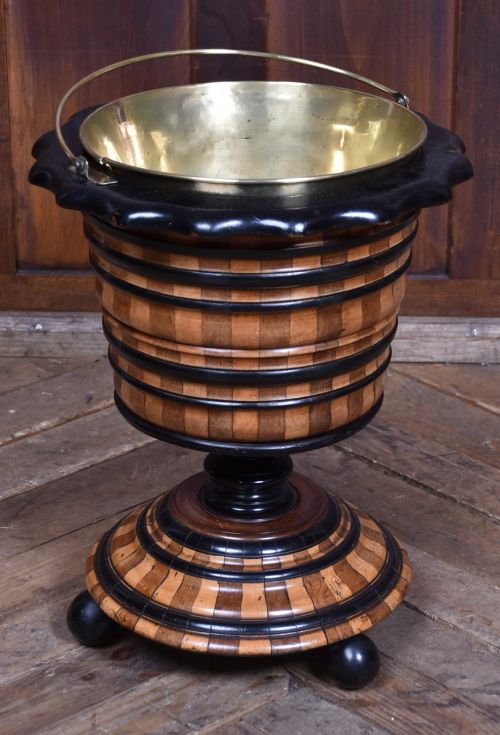
- A Dutch foot warmer or small stove holding hot embers. These small brass-lined timber vessels appear frequently among the peat and tea buckets.
- Patina
- The surface sheen and colour developed through age and regular handling. Fine examples display a deep, warm glow on the timber and mellow oxidation on the brass.
Georgian Brass Bucket: Frequently Asked Questions
What were georgian brass buckets used for?
These vessels served practical functions around the domestic interior, specifically holding coal by the fireplace, cooling wine bottles in ice, or storing peat for fuel.
Over time, many of these sturdy receptacles transitioned into decorative roles as planters or umbrella stands within the home.
How do I tell an 18th century bucket apart from a later copy?
Examination of the construction methods and the metal bands offers clear clues to the age of the piece. Eighteenth-century examples rely on hand-forged brass and traditional joinery rather than modern machine stamping.
The presence of appropriate timber shrinkage, hand-cut dovetails and genuine wear patterns helps confirm an authentic period origin.
Can I use these buckets for plants today?
Many of these pieces feature metal or zinc liners intended to contain moisture, making them suitable for holding potted plants or dried arrangements.
Care should be taken to protect original timber and dry linings from prolonged exposure to damp soil or standing water.
What is the difference between a wine cooler and a coal bucket?
Wine coolers and cellarettes are typically constructed from fine hardwoods like mahogany or walnut, often fitted with distinct stands and brass liners.
Coal scuttles and log bins are more commonly forged from heavy copper or brass sheets, designed to withstand the rugged daily demands of hearth maintenance.