

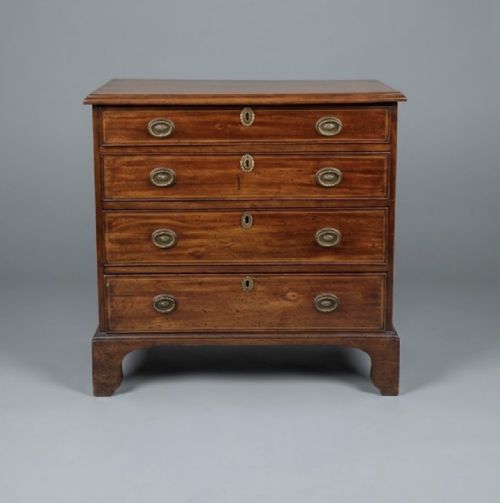
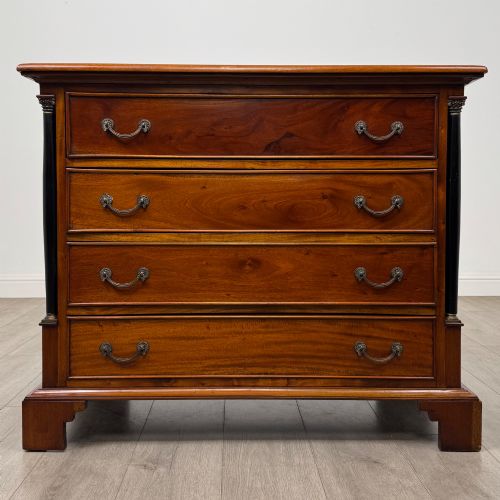
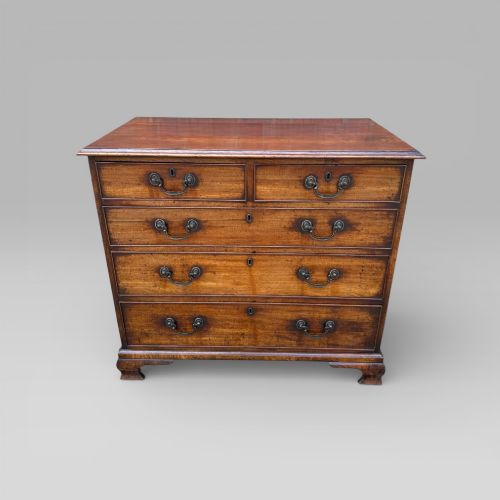
Georgian Bracket Feet Drawers
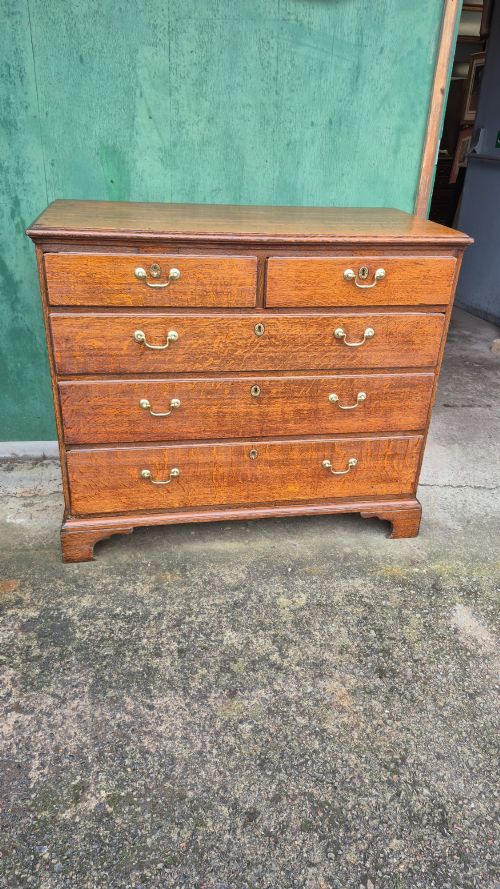
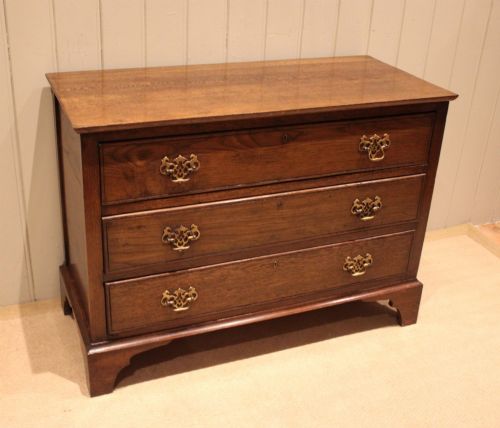
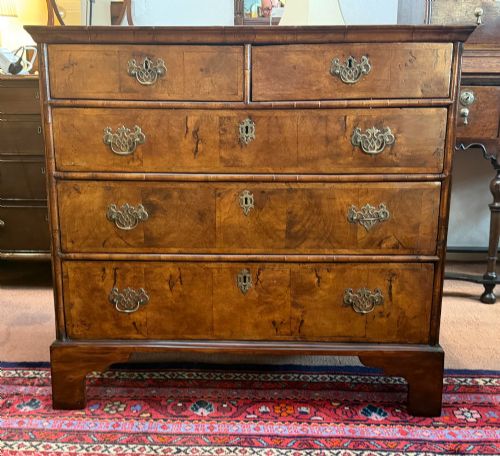
Georgian bracket feet drawers offer classic proportions and fine timber, raising practical storage pieces on neat corner supports.
Georgian Bracket Feet Drawers
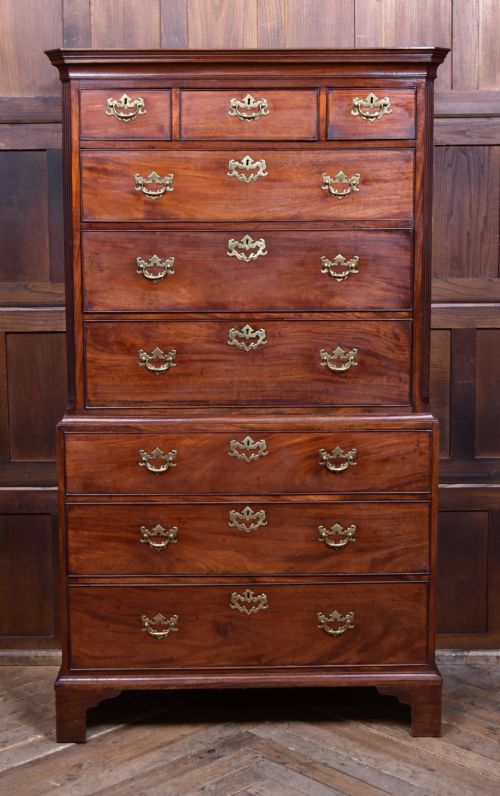
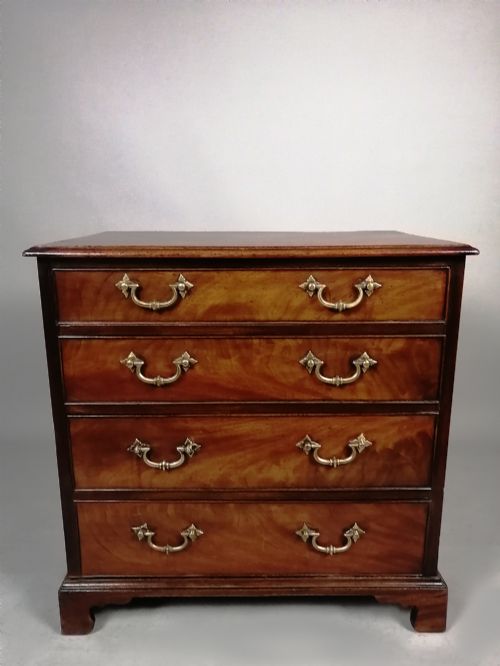
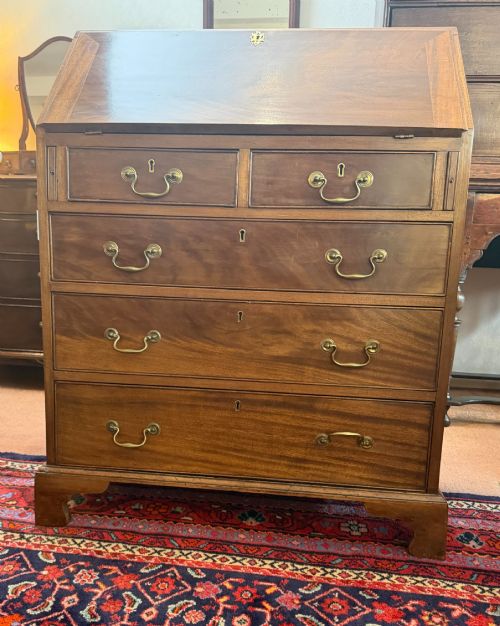
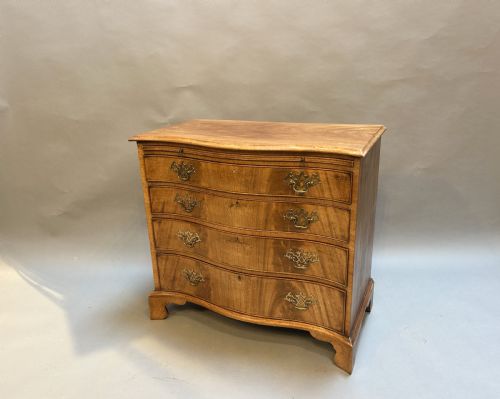
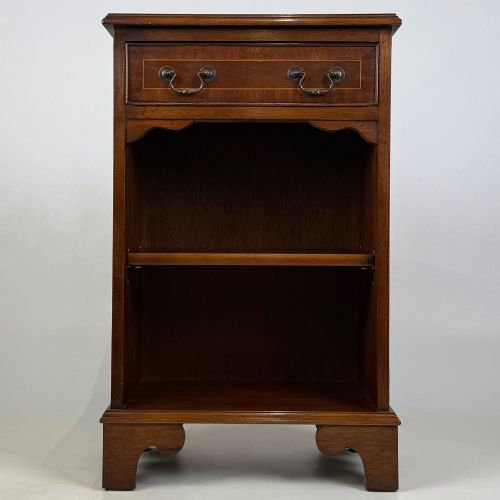
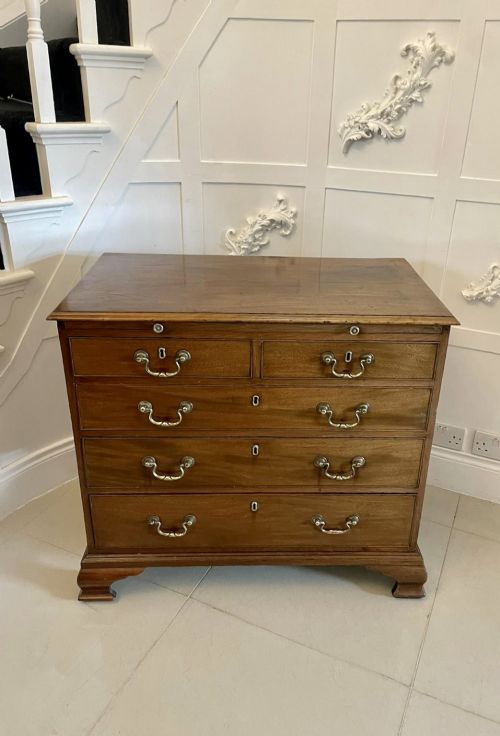
When searching for georgian bracket feet drawers, buyers look at case furniture designed to lift storage compartments off the floor on architectural corner supports. These pieces primarily take the form of chests of drawers, alongside bedside tables, bureaux, and tall chests on chests.
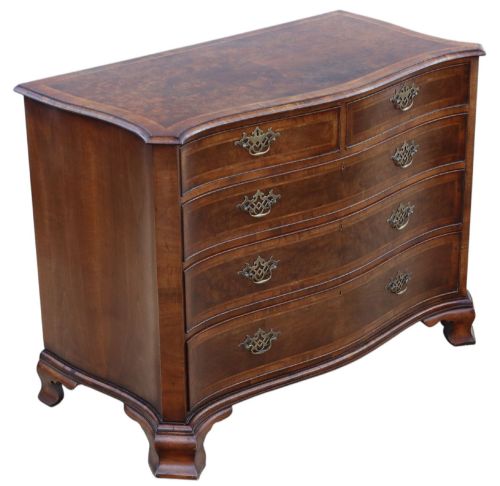
The versions most commonly met span the eighteenth century and the Georgian era, though later revivals from the twentieth century also appear. Oak, mahogany, and walnut dominate the selection, often shaped with serpentine fronts or fitted with sliding boards for writing and dressing.
How they were made
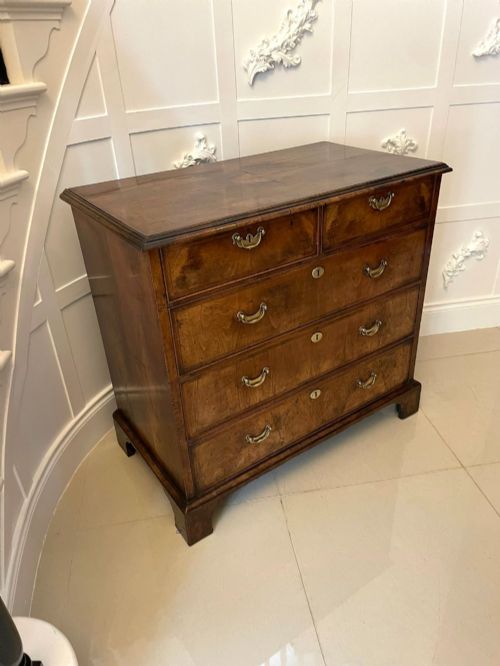
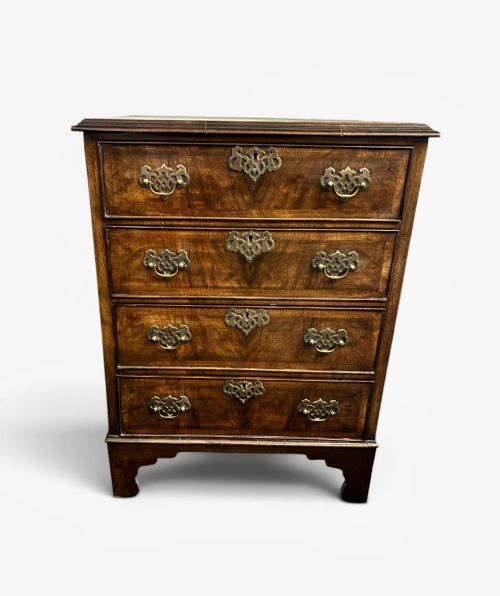
Cabinetmakers constructed these forms using solid timbers and decorative veneers such as burr walnut and fruitwood inlay over secondary woods like pine. Panels were joined with traditional framing to allow for natural wood movement across changing seasons.
Hardware played an integral part in the construction, featuring brass handles and escutcheons fixed to dovetailed drawer boxes. The distinctive bracket feet were mitered at the corners and secured internally to support the weight of the carcase.
A bachelor's chest packs a writing slide and secret compartments into a surprisingly compact footprint.
What varies in quality
Quality rests upon the selection of timber figures and the crispness of the joinery where the bracket feet meet the lower moulding. Superior examples display carefully matched grain patterns across the drawer fronts and well-preserved original brass hardware.
Proportion and execution define the distinction between standard workshop pieces and finer commissions. Subtle details like crossbanding, inlaid stringing, and uncompromised structural integrity elevate a piece through the hierarchy of manufacture.
J Moorcroft
The Georgian Bracket Feet Drawers Glossary
- Bracket foot
- A corner foot shaped like a bracket, supporting case furniture with a clean architectural silhouette.
- Brushing slide
- A pull-out board fitted above the top drawers, historically used for writing or grooming.
- Serpentine
- A front outline curved in a wave shape, convex in the centre and concave at the ends.
- Crossbanding
- A narrow strip of veneer laid around the border of a drawer front with the grain running at right angles.
- Dovetail
- An interlocking joint formed by wedge-shaped tenons, securing drawer corners with enduring strength.
Georgian Bracket Feet Drawers: Frequently Asked Questions
What is a bracket foot?
A bracket foot is a corner support shaped in a simple profile that lifts the base of a chest clear of the floor.
These feet are joined with mitred corners and internal blocks to distribute the weight of the heavy timber carcase evenly.
How do I identify a brushing slide?
A brushing slide is a pull-out shelf positioned immediately beneath the top surface or top drawer of a chest.
Cabinetmakers integrated these boards to provide a temporary writing or dressing surface without needing a separate desk.
What woods were used?
Mahogany, oak, and walnut form the primary woods seen across these chests, often enhanced with burr walnut veneers.
Secondary timbers like pine frequently appear on internal drawer linings and backboards.
Are all these pieces eighteenth century?
While the style originates in the Georgian period, later Edwardian and twentieth-century revivals also utilise the design.
Examining the construction methods, timber ageing, and secondary woods helps distinguish eighteenth-century originals from later interpretations.