
Georgian Bracket Feet Commode
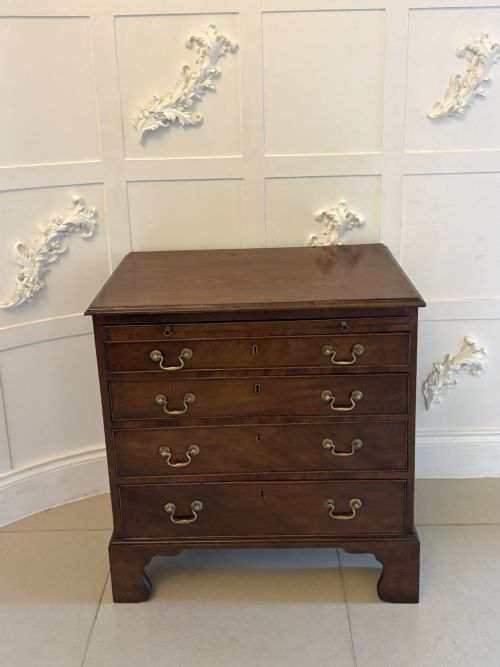
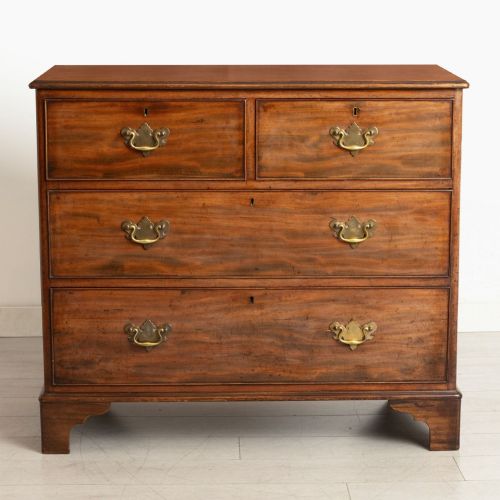
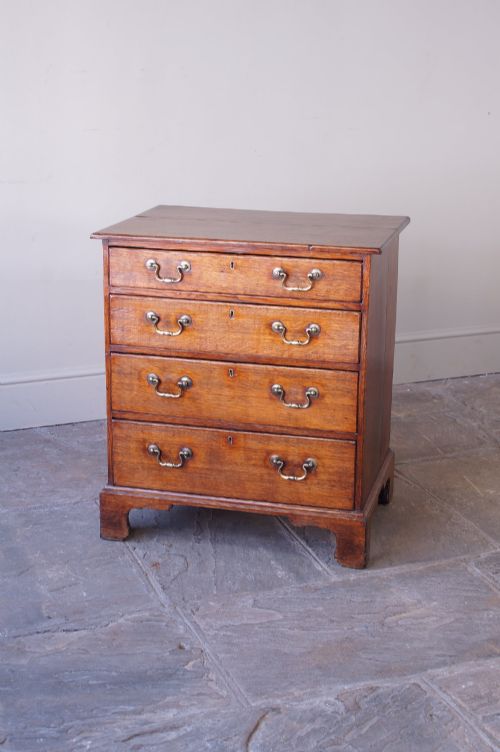
A georgian bracket feet commode offers sturdy proportion and rich timber grain, serving as a handsome storage piece for any bedroom.
Georgian Bracket Feet Commode
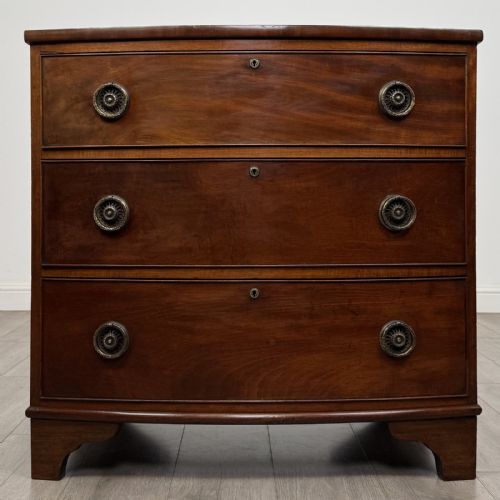
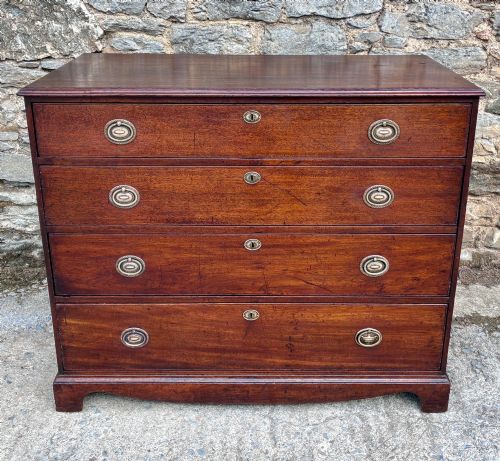
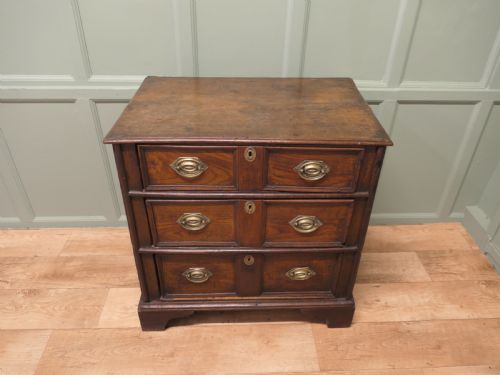
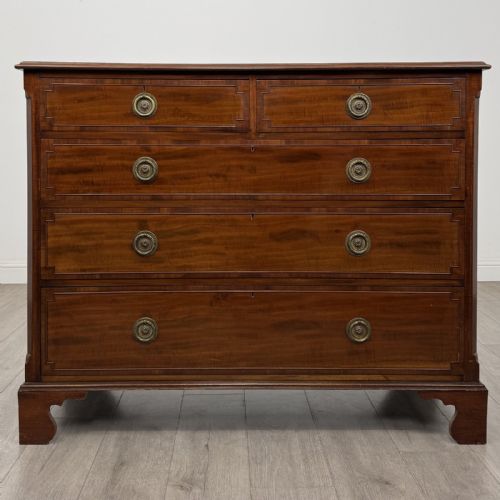
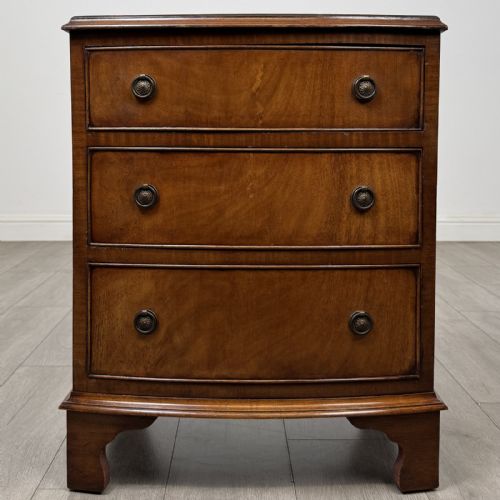
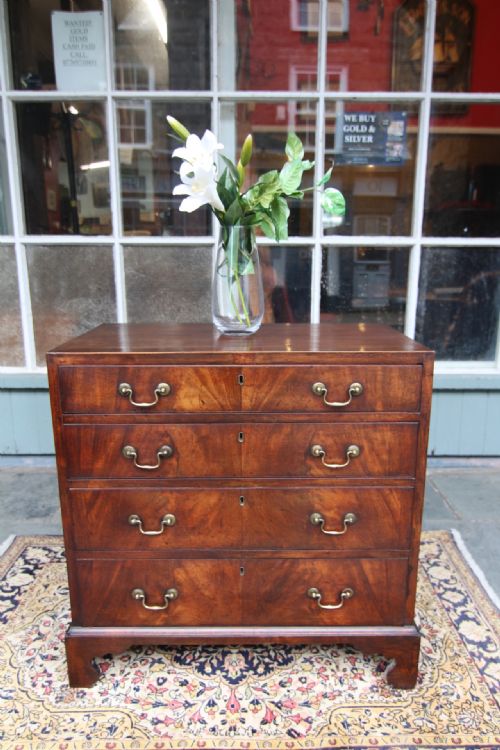
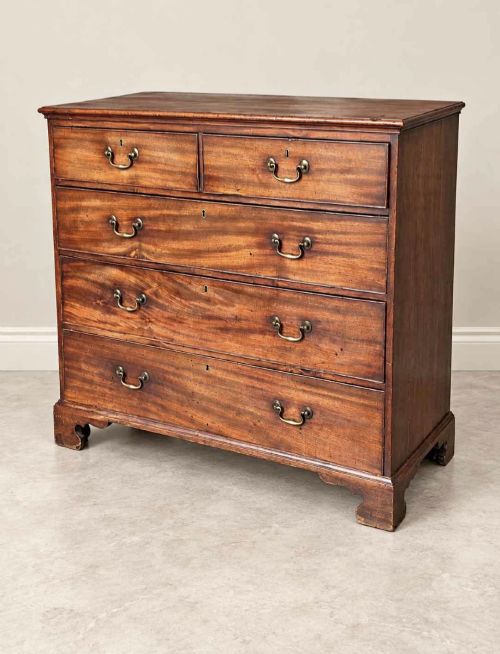
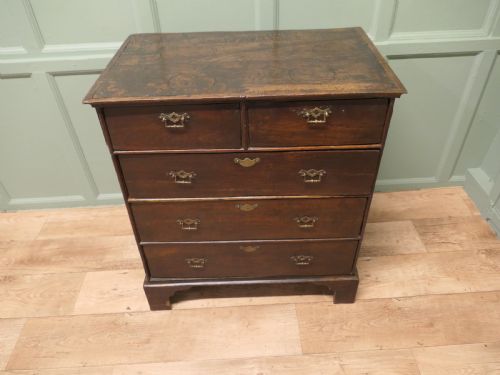
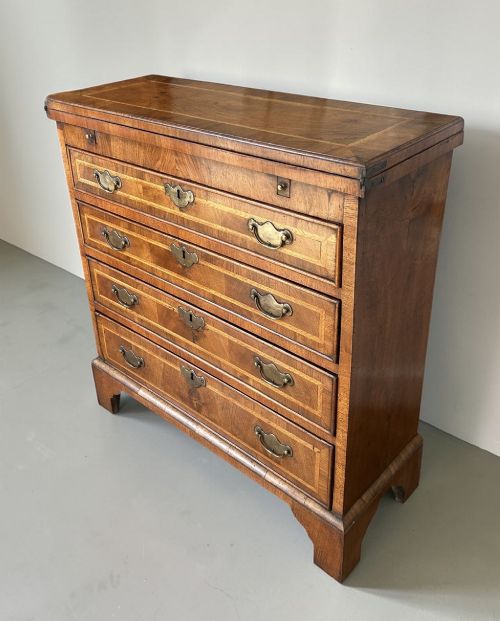
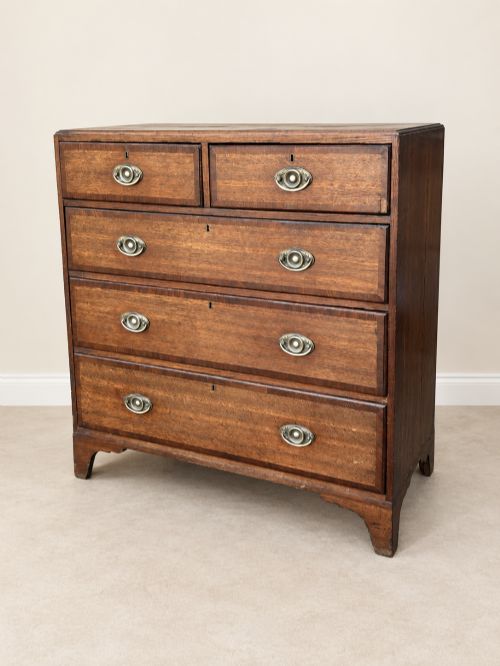
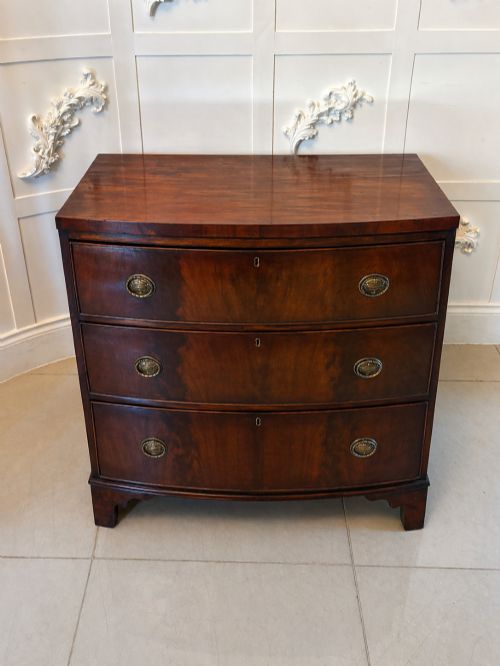
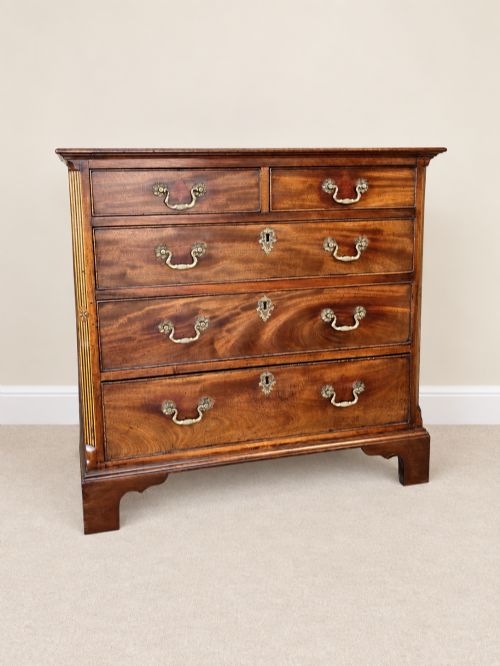
A georgian bracket feet commode primarily manifests as a chest of drawers or a serpentine commode shaped during the Georgian, George I, George II, George III, and Regency periods. Buyers examining this page will frequently encounter robust timbers fashioned into case furniture supported by bracket feet.
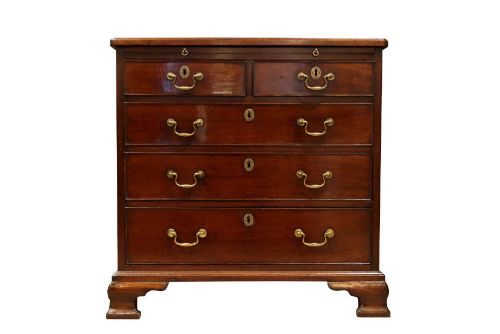
The objects span multiple centuries, including 18th Century and 19th Century examples alongside later 20th Century revivals in the Georgian Style. Common configurations include small four-drawer chests, bowfront forms, and examples equipped with a sliding shelf known as a brushing slide.
Originating predominantly from English workshops, these pieces combine utilitarian storage with decorative presence. Walnut, oak, and mahogany form the bedrock of the selection, reflecting the domestic needs of their original households.
Materials and construction methods
Cabinet makers utilised dense native and imported timbers, specifically selecting mahogany, Cuban mahogany, oak, walnut, burr walnut, and cedar wood for their structural integrity and grain pattern. Secondary woods such as pine appear in concealed areas like drawer linings.
Joinery relied on dovetail construction for drawers and frame assembly, ensuring long-term durability. Exterior surfaces frequently display decorative techniques such as crossbanding to enhance the visual appeal of the figured wood.
Brass hardware, including drop handles and escutcheons, was fitted to secure the drawer fronts. Bracket feet were individually shaped and joined to the base corners to lift the heavy timber body off the floor.
Listings feature pieces spanning the Georgian, Regency, and Edwardian eras, constructed primarily from mahogany, oak, and walnut.
What separates the finest examples
The selection of timber dictates the visual impact of the piece. Highly figured burr walnut, rich Cuban mahogany, and carefully matched grain patterns elevate an object above standard domestic furniture.
Refinements in form, such as a serpentine outline, curved bowfronts, or the inclusion of a functional brushing slide, demonstrate superior craftsmanship and higher design ambition. Crisp execution of the bracket feet and intact original brass fittings further distinguish the best examples from simpler counterparts.
The Georgian Bracket Feet Commode Glossary
- Bracket foot
- A simple, stable foot shape resembling a bracket, mitred at the corner and supporting case furniture like chests and commodes. It provides a clean architectural base.
- Brushing slide
- A pull-out shelf integrated into the upper section of a chest, historically used for folding clothes or writing. It typically sits just above the top primary drawer.
- Serpentine outline
- A front edge or side profile shaped in a gentle wave, curving outward in the centre and inward towards the corners. This technique requires expert joinery.
- Crossbanding
- A decorative border technique where thin strips of veneer are laid across the grain of the primary wood. It frames the drawer fronts and top surface.
- Cuban mahogany
- A dense, heavy timber imported from the Caribbean, prized for its deep colour and rich grain. Makers utilised it extensively during the 18th century.
Georgian Bracket Feet Commode: Frequently Asked Questions
What is a brushing slide used for?
A brushing slide functions as a pull-out shelf positioned directly beneath the top surface of the chest. Originally, owners used it for folding garments or as a temporary writing surface.
In modern rooms, it adds a functional layer of utility without altering the clean profile of the piece when pushed shut.
What woods were used in these pieces?
Cabinet makers relied heavily on mahogany, oak, and walnut, often selecting figured variations like burr walnut or Cuban mahogany for display surfaces. Secondary woods such as pine supported internal framework.
These natural materials were finished to highlight the distinct grain patterns and warm tones characteristic of the period.
Are these pieces suitable for daily bedroom use?
These chests offer deep, reliable drawer space suited for modern clothing storage and domestic organisation. Their solid timber construction ensures they withstand everyday interaction.
Placing them in a bedroom or hallway brings historic character alongside practical utility.