

Antique English Tallboy Drawers
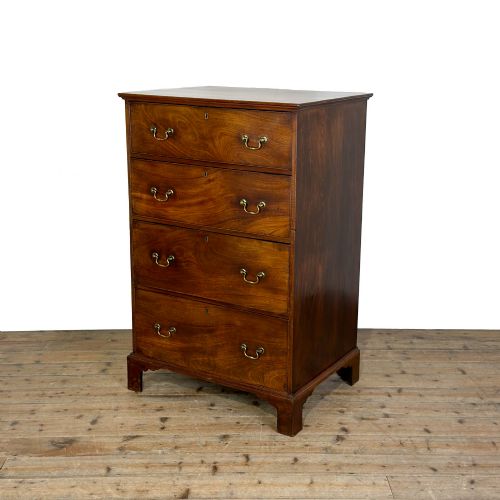
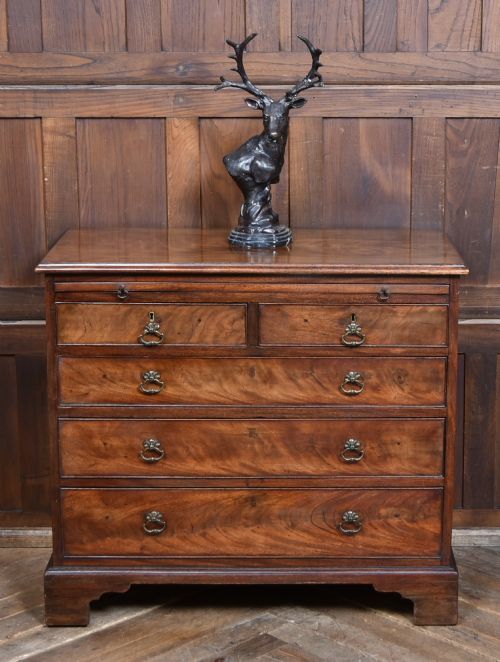
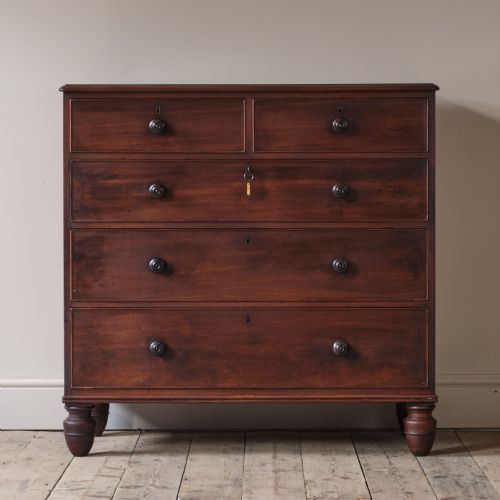
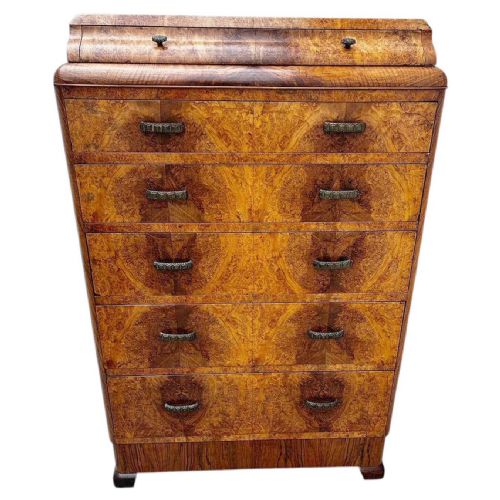
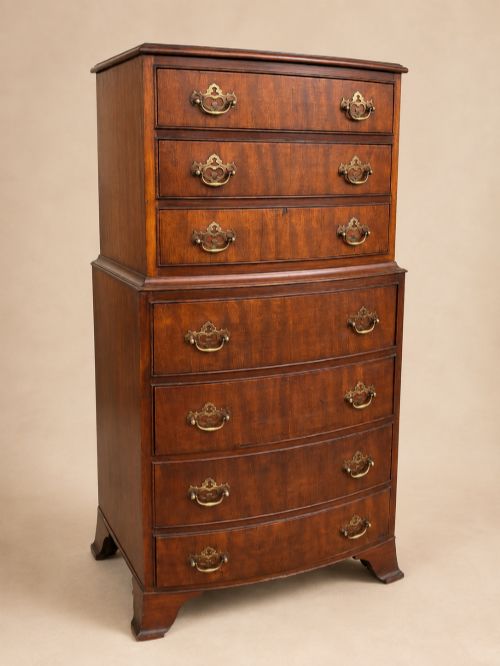
These antique English tallboy drawers combine towering vertical storage with classical proportions, offering substantial presence and rich timber character to any interior.
Antique English Tallboy Drawers
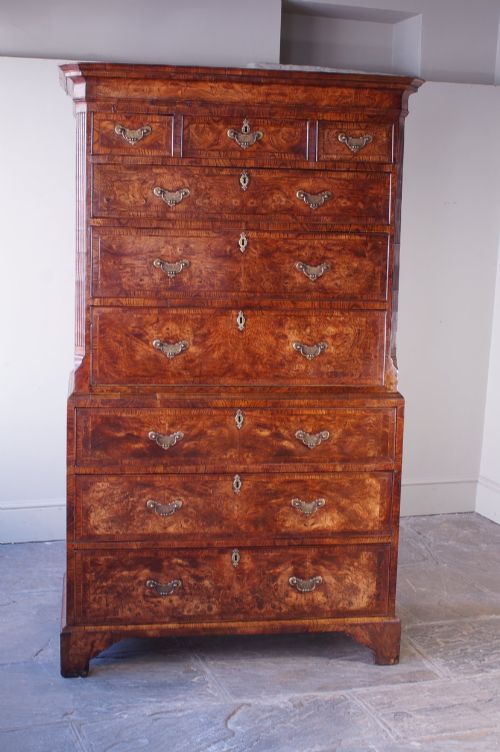
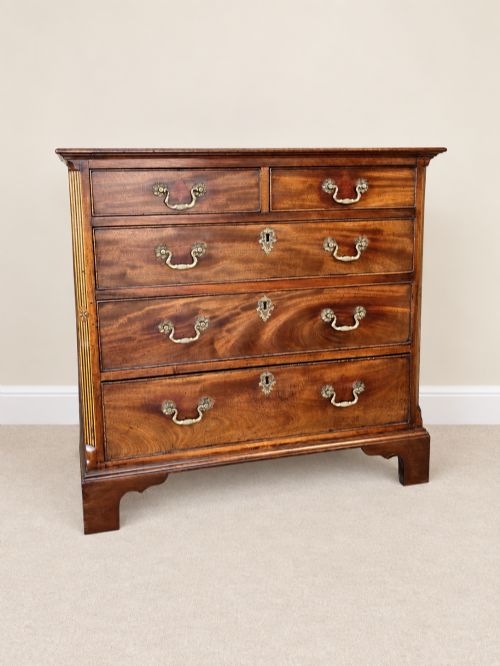
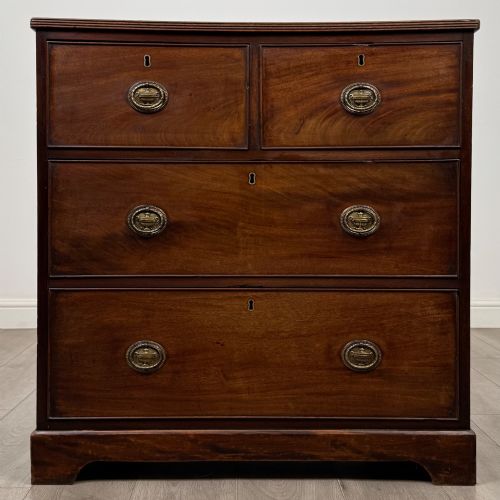
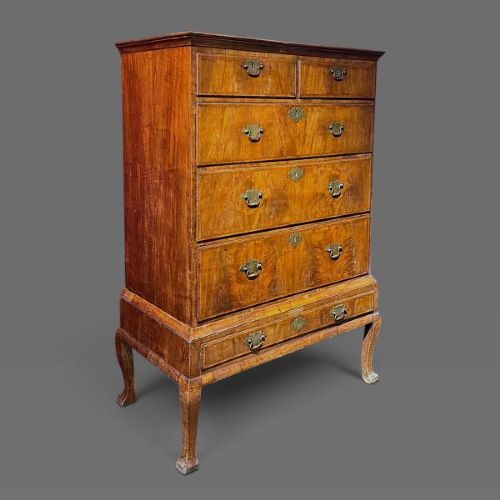
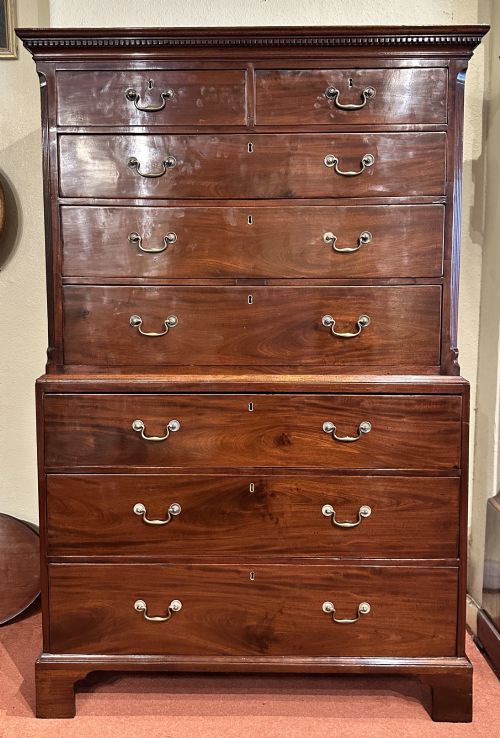
When you search for antique English tallboy drawers, you encounter tiered case furniture built to maximise storage without claiming excess floor space. The form typically comprises one chest stacked directly upon a second, creating a commanding piece designed to hold linen, clothing and personal valuables.
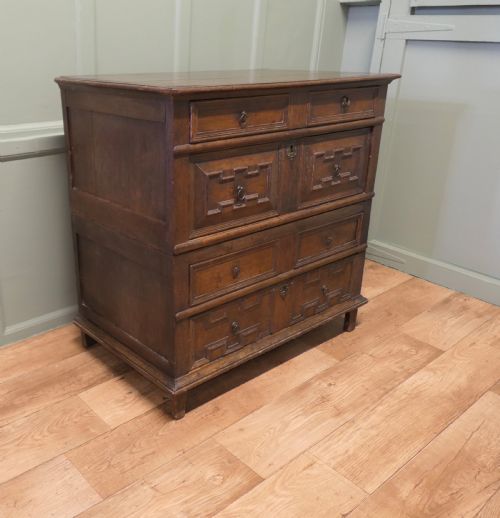
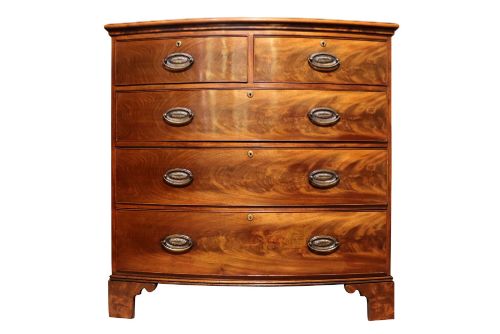
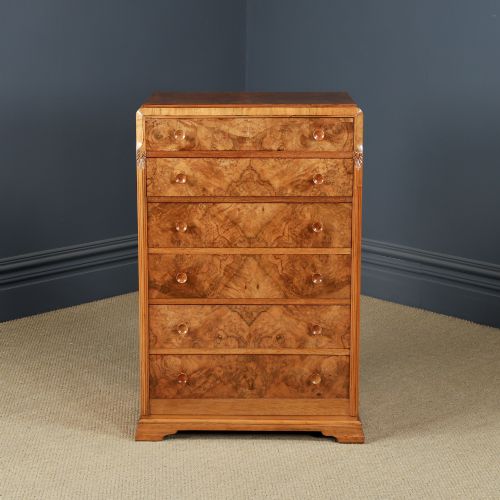
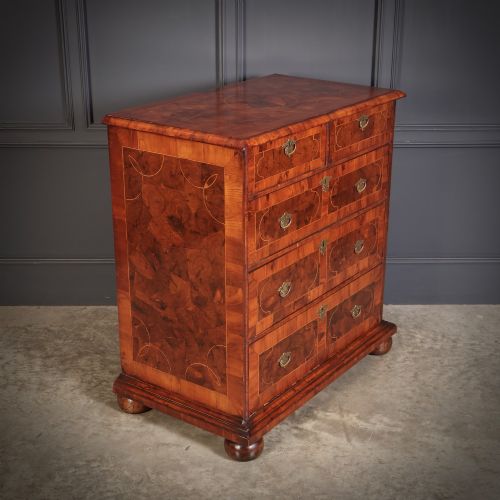
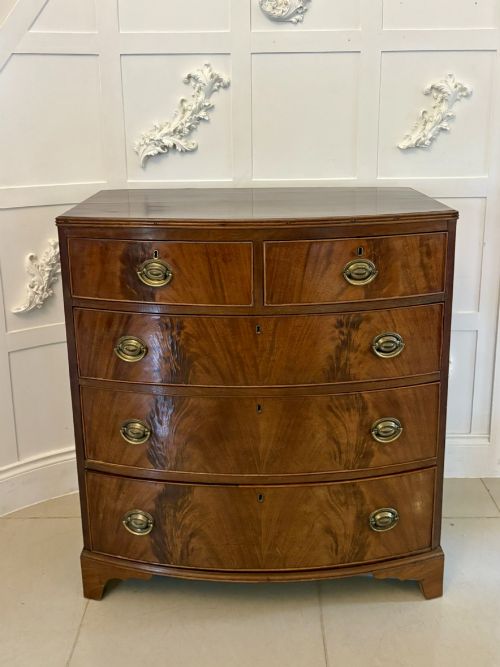
The versions most frequently met on this page span the 17th, 18th and 19th centuries, capturing shifts in domestic scale and cabinetmaking ambition. These range from substantial oak examples bearing early vernacular details to refined mahogany and burr walnut iterations from the Georgian and Regency periods.
Materials and construction methods
Cabinetmakers constructed these pieces primarily using native and imported hardwoods such as oak, mahogany, walnut and elm, frequently applying figured veneers to create striking surface patterns. Secondary timbers like pine often formed the internal drawer carcases and backs.
Joinery relied on traditional techniques, including hand-cut dovetails for drawer construction and pegged mortise and tenon joints in earlier frames. Brass handles, escutcheons and sometimes oyster veneers or marquetry added both structural reinforcement and visual refinement.
Secret compartments hidden within secretaire drawers offered Victorian diarists a private spot to lock away their most scandalous midnight thoughts.
Distinctions in quality and execution
Quality rests upon the selection of timber, visible in the symmetry of figured veneers and the uniformity of grain across the drawer fronts. Superior pieces exhibit precise dovetailing, intact original brass hardware and harmonious proportions between the upper and lower sections.
The sophistication of internal mechanics, such as smooth-running drawers and integrated secretaire compartments, separates standard utility items from masterworks. The integrity of the finish and the retention of original surfaces further distinguish exceptional examples from later restorations.
T & G Seddon
The Antique English Tallboy Drawers Glossary
- Chest on Chest
- A tall storage unit formed by stacking one smaller chest of drawers directly upon a larger base chest. This configuration defines the traditional tallboy form.
- Oyster Veneer
- Thin slices cut transversely from small branches or roots, creating circular or oval patterns resembling oyster shells. This technique appeared frequently on late 17th-century furniture.
- Secretaire
- A drawer fitted with a drop-front and internal pigeonholes or small drawers for writing letters. It often conceals itself as a standard drawer to maintain clean exterior lines.
- Crossbanding
- A narrow strip of veneer applied around the border of a drawer front or top, laid with the grain running perpendicular to the surrounding wood.
- Marquetry
- Elaborate decorative patterns formed by fitting together thin pieces of wood veneer, ivory or metal into a wooden ground. It adds pictorial detail to high-status surfaces.
Antique English Tallboy Drawers: Frequently Asked Questions
What is a tallboy?
A tallboy is a chest of drawers built in two sections, placing a smaller chest on top of a larger one to gain vertical storage.
This format allows for substantial capacity while occupying a relatively small footprint in a room.
How do I date a tallboy?
Dating relies on observing timber choices, construction techniques, hardware styles and decorative veneers across the piece.
Early examples often feature oak and walnut with hand-cut joinery, while later pieces favour mahogany and satinwood with more refined mouldings.
Where were tallboys used?
Tallboys served primarily in bedrooms and dressing rooms to store linens, folded garments and personal accessories.
Their imposing height made them central architectural fixtures within domestic chambers.
How do I care for timber?
Maintain antique wood by keeping it away from direct heat sources and fluctuating humidity levels.
Apply traditional beeswax periodically to nourish the surface and preserve the natural lustre of the finish.