

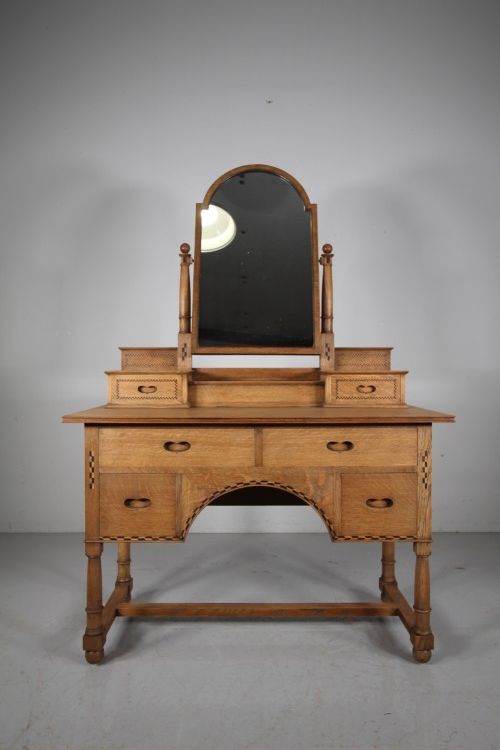
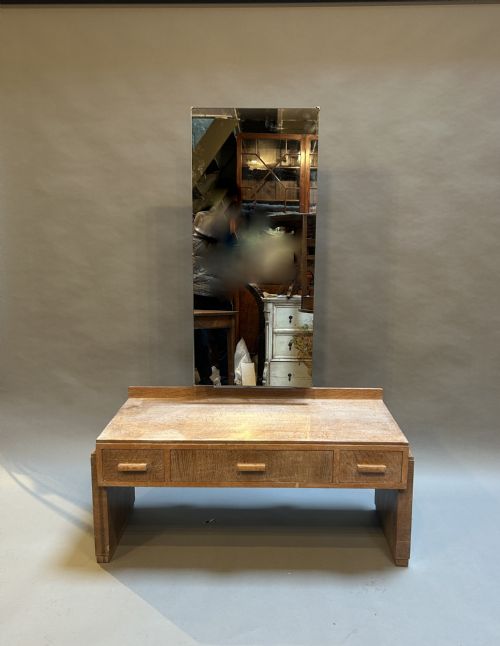
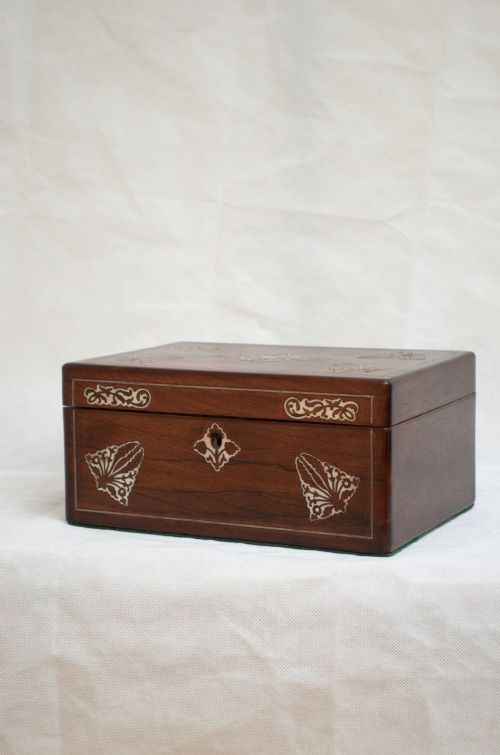


Antique Wooden Dressing Chest
An antique wooden dressing chest brings enduring practicality and refined storage to a bedroom.
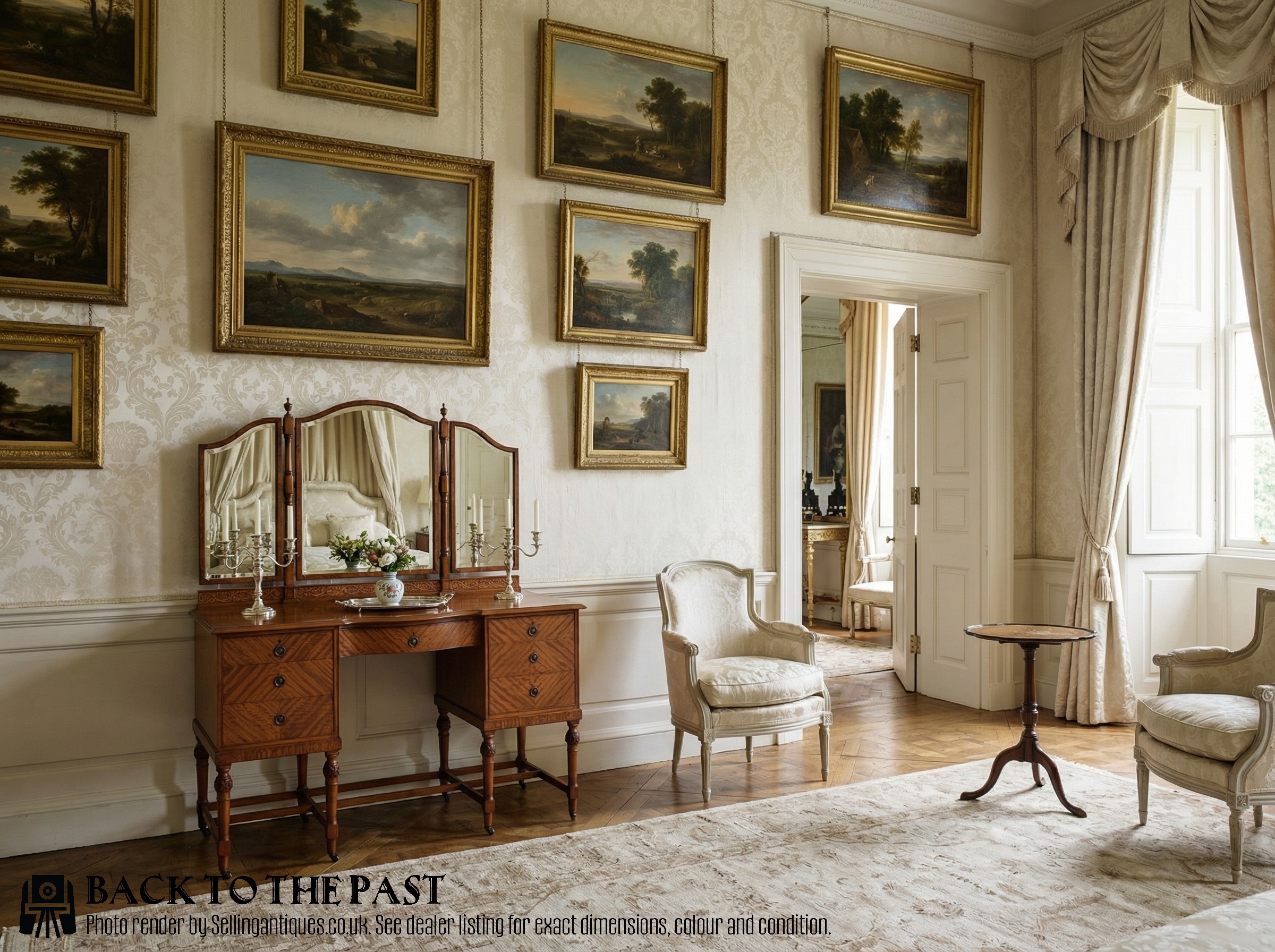
Antique Wooden Dressing Chest
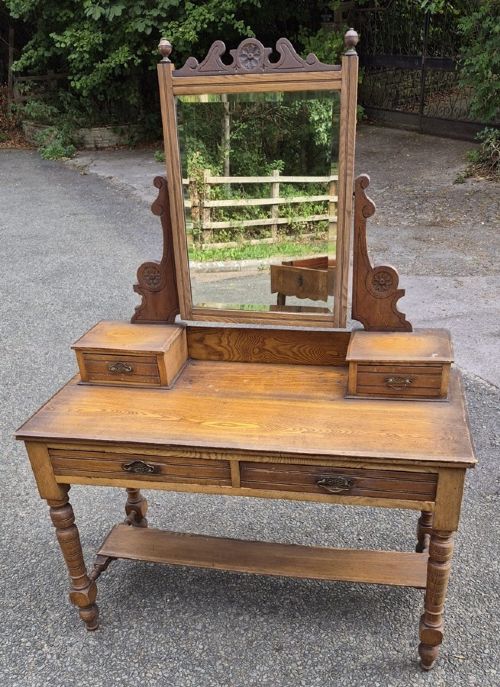
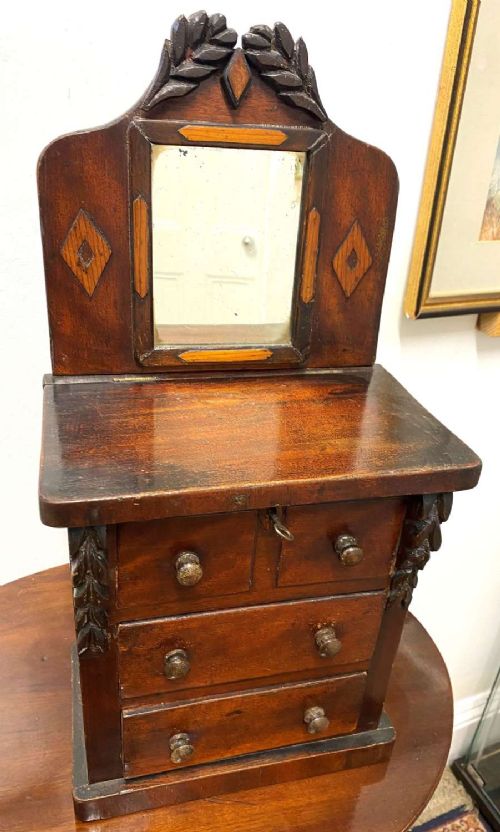
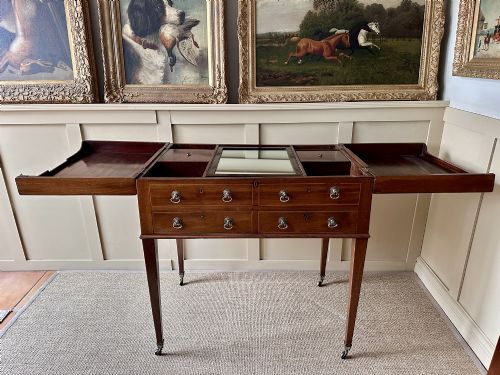
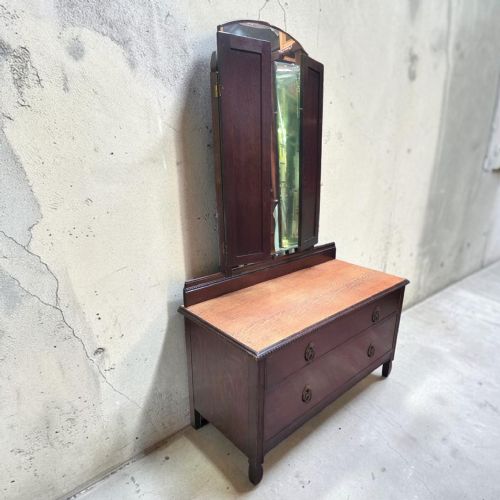
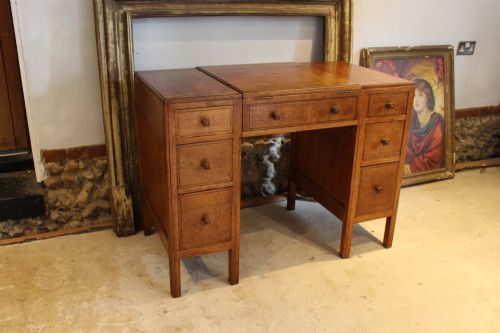
An antique wooden dressing chest is a functional piece of furniture designed for personal grooming and storage, combining drawers with mirrors or compartments. When searching for an antique wooden dressing chest, buyers encounter pieces originating from the Georgian, Victorian, and Edwardian periods, as well as later twentieth-century iterations.
The selection ranges from substantial mahogany and walnut examples featuring triple mirrors to compact oak and satinwood designs. Makers such as Heal and Sons and William Gomm contributed notable pieces to this tradition.
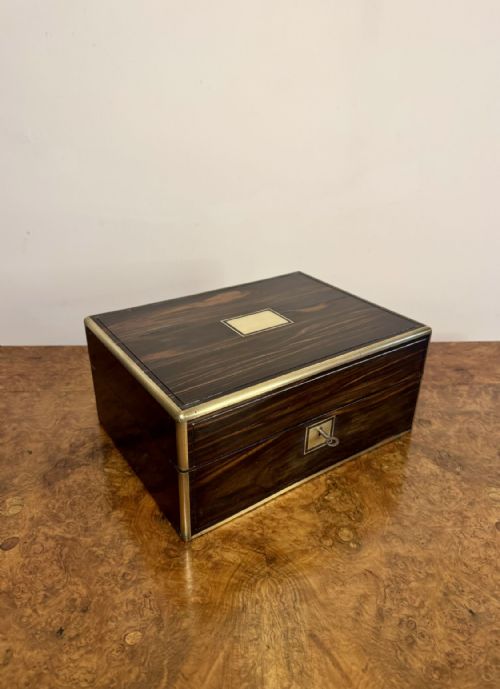
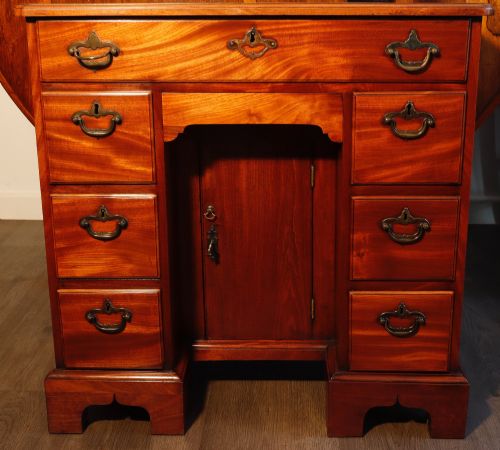
Forms span from traditional dressing tables and lowboys to specialised travelling chests and campaign washstands. These items reflect the domestic habits and craftsmanship of their respective eras, utilising rich timbers like rosewood and yew.
How these chests were made
Cabinetmakers constructed these pieces using dense hardwoods such as mahogany, walnut, oak, and rosewood, often enhanced with satinwood inlay or burr veneers. Timber selection dictated both the visual weight and the structural integrity of the chest.
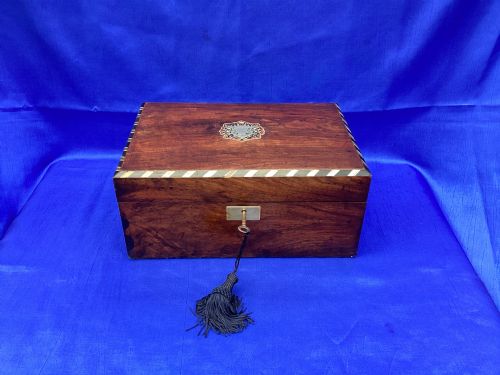
Secondary materials like brass handles, glass mirrors, and mother-of-pearl accents were integrated into the primary wooden structure. Joinery techniques ensured that drawers moved smoothly and frames remained stable across centuries of use.
Antique Wooden Dressing Chest Retail Price Guide 2026
Typical asking prices for wooden dressing chest among the pieces listed under this phrase on Sellingantiques today, from the lower quarter to the upper quarter. They describe what is for sale here now, not the wider market.
Several items include hidden compartments designed for keeping secrets safe from prying eyes.
What separates the finest examples
Quality rests in the precision of the cabinetwork and the selection of figured veneers. Grain matching on drawer fronts and the subtlety of inlaid details separate superior pieces from standard workshop production.
The integrity of original brass fittings, the clarity of glass mirrors, and the retention of maker labels elevate the standing of a dressing chest. Surface finish, whether polished French polish or original paint, dictates the tactile appeal.
Heal and Sons·Shoolbred and Co·Muirhead Moffat and Co·Gillows·William Gomm
The Antique Wooden Dressing Chest Glossary
- Lowboy
- A small table with drawers resembling the lower section of a highboy, frequently used as a dressing table.
- Campaign washstand
- A portable piece of furniture designed for travel, typically constructed from mahogany with brass hardware.
- Cheval mirror
- A full-length mirror hung in a frame that allows it to be tilted, often mounted on a dressing chest base.
- Parquetry
- Geometric mosaic woodwork used for decorative surface patterns on boxes and chests.
- Satinwood
- A durable, yellowish timber prized for its lustrous sheen and utilised for fine inlay work.
Antique Wooden Dressing Chest: Frequently Asked Questions
How do I date a dressing chest?
Dating relies on architectural styles, construction methods, and timber choices characteristic of periods like the Georgian era or the Victorian age. Drawer construction and hardware styles provide further chronological clues.
Examining secondary woods inside the drawers helps confirm the period of manufacture when exterior styles might overlap or revive historical motifs.
Where should I place a dressing chest?
These chests suit bedrooms, dressing rooms, or hallways where their storage and surface space serve a practical purpose. Placing them away from direct sunlight protects vulnerable wood veneers and antique glass mirrors.
Ensuring adequate clearance allows drawers and pivoting mirrors to function without obstruction in daily use.
How do I care for wooden surfaces?
Maintaining antique wood requires dusting with a dry, soft cloth and avoiding modern silicone-based polishes. Period furniture benefits from occasional application of traditional beeswax to nourish the timber.
Keeping the piece in a stable environment with moderate humidity prevents the wood and veneer from warping or cracking over time.
What is the difference between a lowboy and a dressing table?
A lowboy is typically a compact table with one or more tiers of drawers and slender legs, serving as an early form of dressing or writing surface. A dressing table often incorporates attached mirrors and more complex compartment layouts.
Both forms evolved to meet changing domestic grooming needs across the eighteenth and nineteenth centuries.