
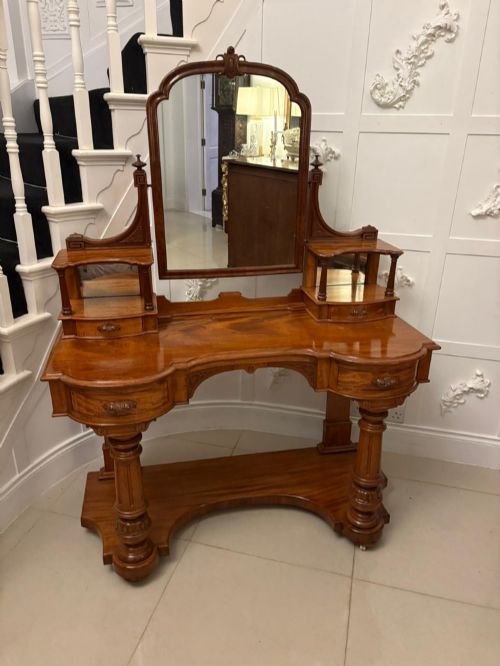
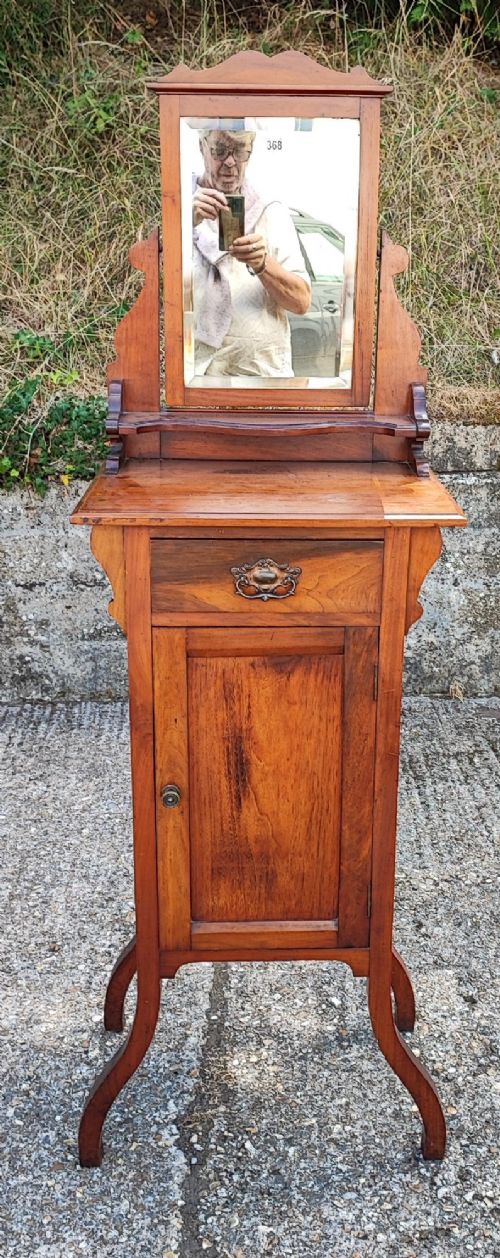
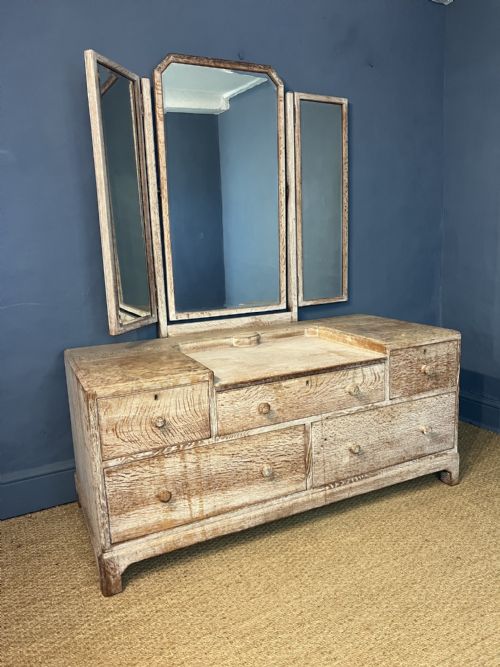
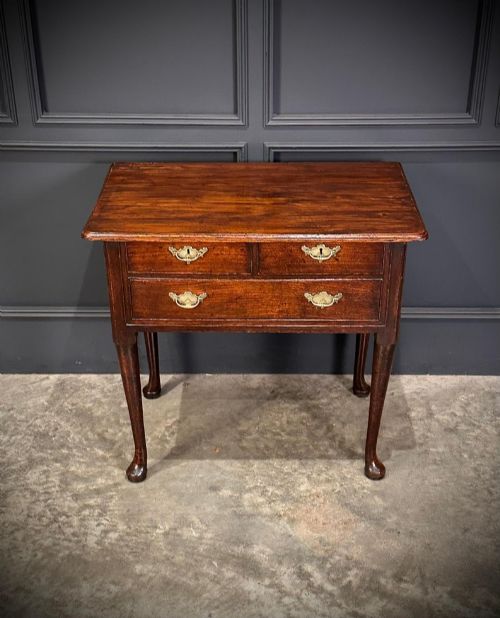


Bedroom Vanity Unit
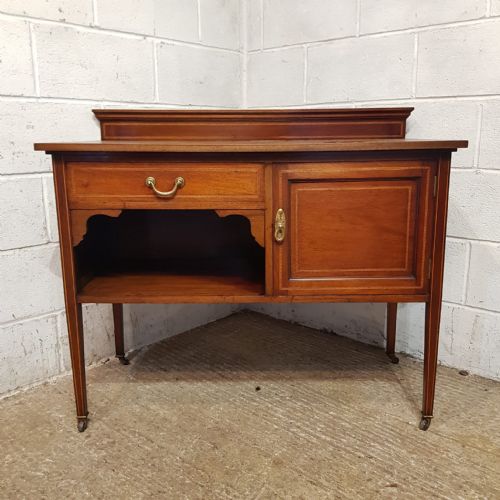
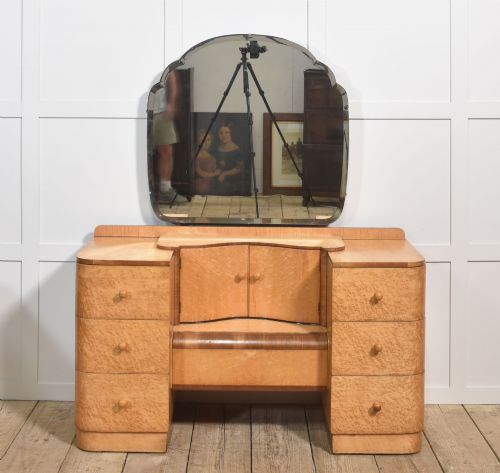
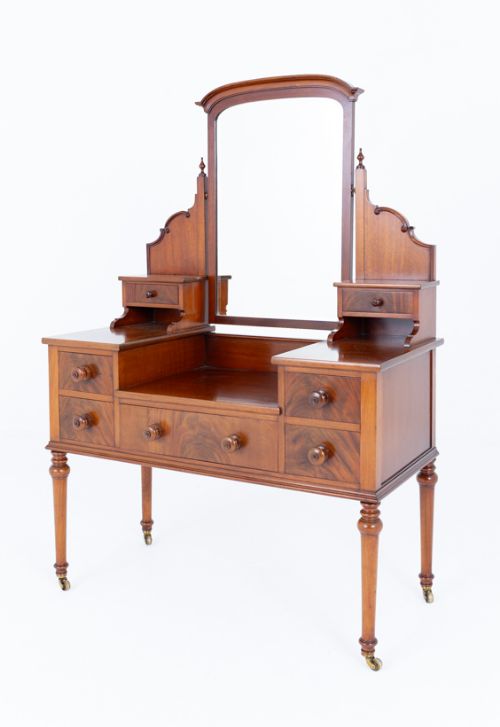
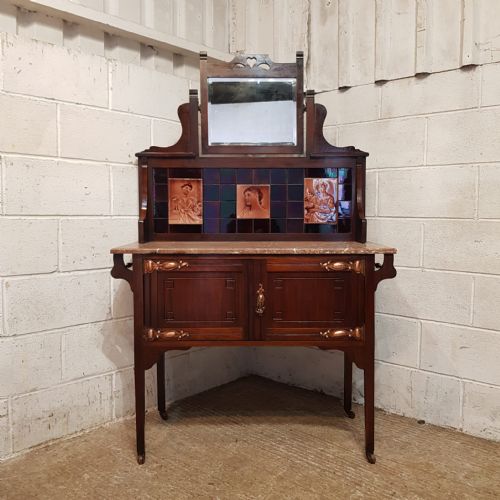
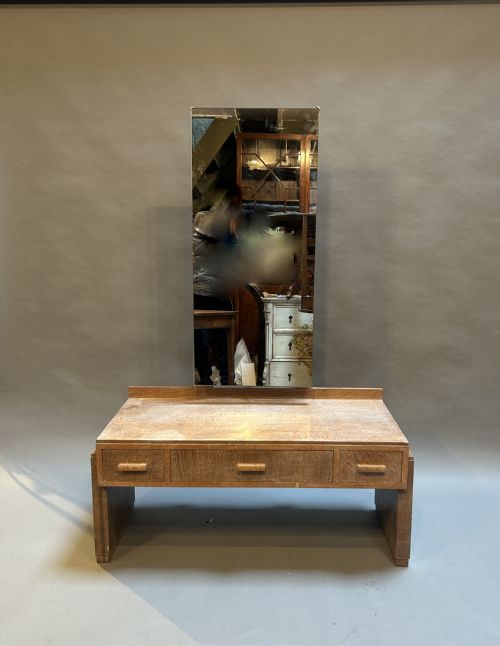
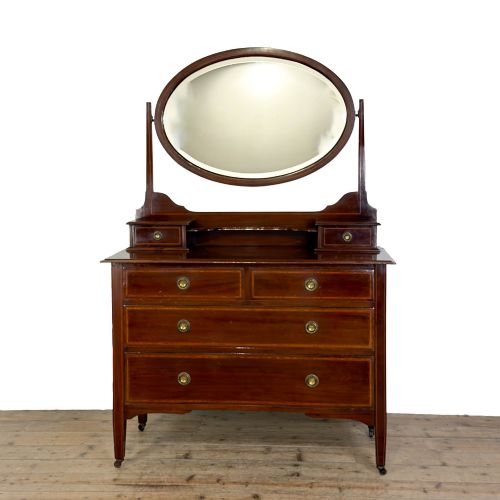
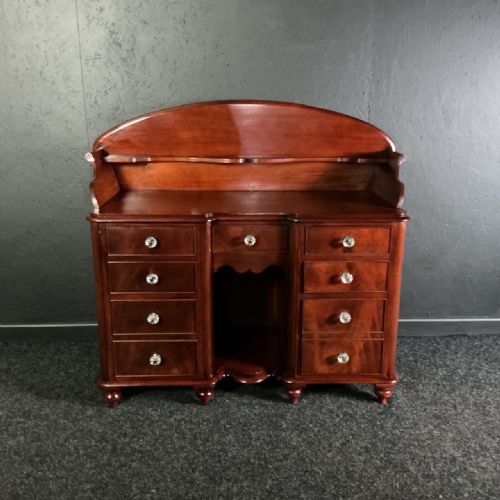
These bedroom vanity unit pieces span dressing tables, washstands and chests in mahogany, oak and walnut.
Bedroom Vanity Unit
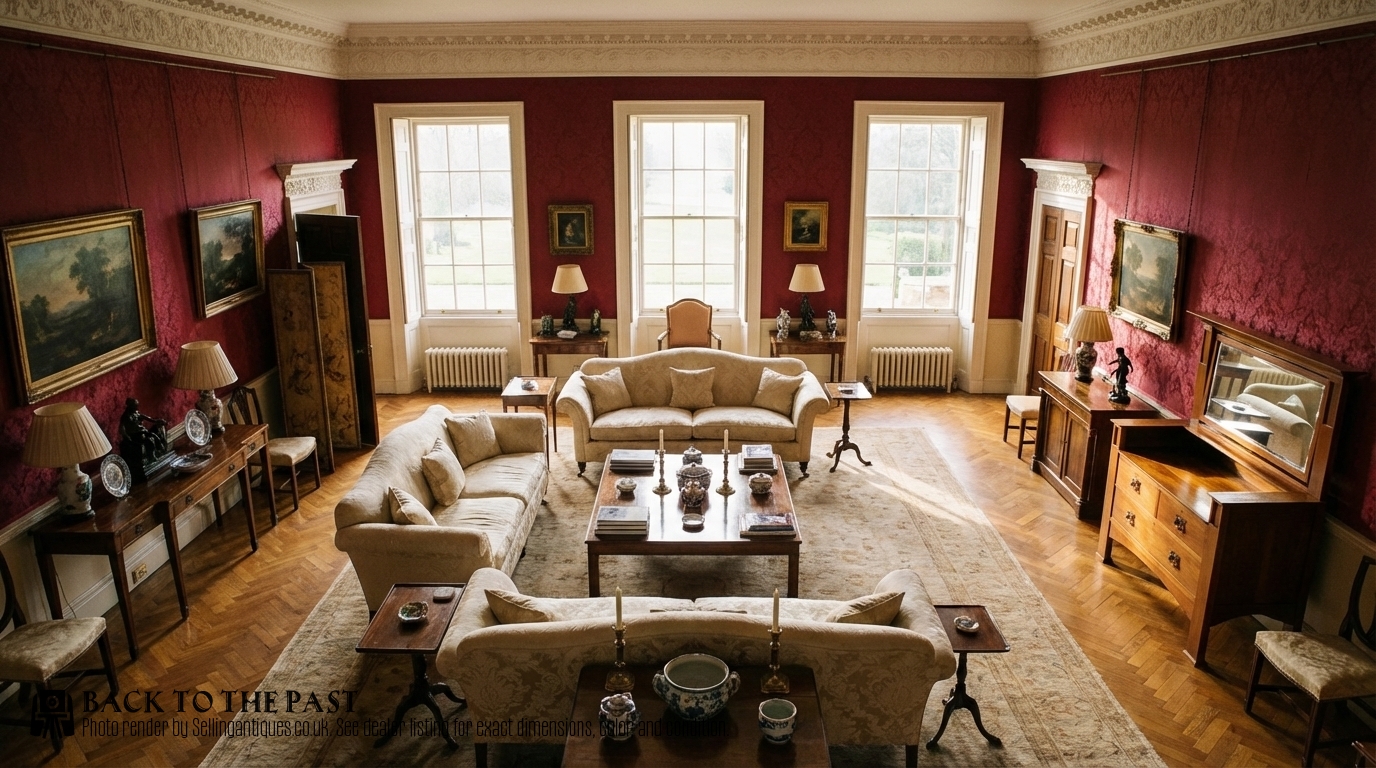
A bedroom vanity unit encompasses dressing tables, washstands and dressing chests originating from the Victorian, Edwardian and Art Deco periods. These pieces serve domestic routines through fitted mirrors, drawer sets and marble tops designed for personal grooming.
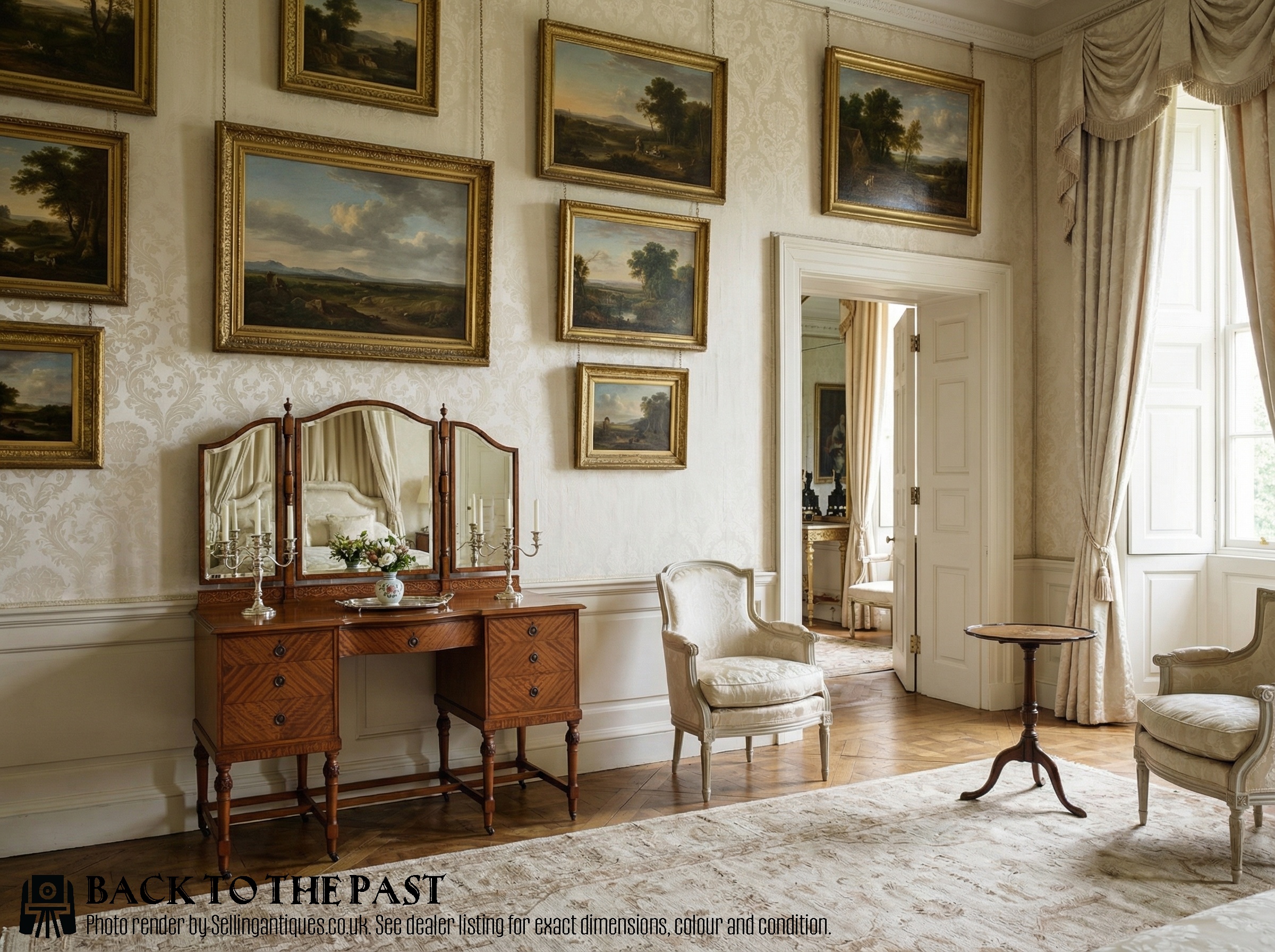
Materials and construction
Construction relies upon native and exotic timbers such as mahogany, oak, walnut and satinwood, frequently enhanced with marquetry inlays or burr veneers. Marble tops and glass mirrors integrate into washstands and dressing tables.
Cabinetmakers utilise brass handles, ceramic tiles and metal fittings to complete the furniture, employing traditional joinery methods across pedestal frames and chest structures.
Listings feature Edwardian, Victorian and Art Deco pieces constructed from mahogany, oak, walnut, marble and brass.
Distinctions in craftsmanship
Quality separates through the selection of timber figures, such as burr walnut or figured mahogany, and the precision of marquetry inlay work. Maker attribution to firms like Heals or Epstein elevates the standing of a piece.
The integration of original bevelled glass mirrors, intact marble surfaces and matching hardware distinguishes superior workshop production from standard domestic furniture.
Edwards and Roberts·Harry and Lou Epstein·Maurice Adams·Shapland and Petter·Harris Lebus
The Bedroom Vanity Unit Glossary
- Lowboy
- A small oak or mahogany table with drawers, typically standing on four legs.
- Poudreuse
- A French dressing table featuring folding lids and concealed compartments for cosmetics.
- Marquetry
- Decorative patterns formed by inserting pieces of wood veneer into a solid timber surface.
- Pedestal
- A support structure containing banks of small drawers flanking a central kneehole space.
- Washstand
- A wooden table fitted with a marble top designed to hold a basin and jug.
Bedroom Vanity Unit: Frequently Asked Questions
How do I choose a bedroom vanity unit?
Consider the available floor space and coordinate the timber grain with existing chamber furniture. Pedestal dressing tables offer deep drawer storage, while washstands provide durable stone surfaces.
Examine the mirror fixings and drawer construction to ensure smooth operation during daily use. Matching stools often accompany these pieces in later configurations.
Where were these pieces used?
These items furnished domestic bedrooms, dressing rooms and private chambers in Victorian and Edwardian residences. Washstands stood near washing sets before plumbed bathrooms became universal.
Dressing tables occupied positions near windows to capture natural light for grooming tasks and hair styling.
How do I care for antique wood?
Maintain timber surfaces by applying appropriate wax polishes and avoiding direct heat sources or moisture accumulation. Protect marble tops from acid spills and staining.
Keep glass mirrors clean using soft cloths and check structural joints periodically for stability.
How do I date these items?
Identify stylistic indicators such as clean geometric lines for Art Deco pieces or carved mouldings for Victorian examples. Timber choice and hardware styles also help assign items to specific decades.
Maker stamps or retailer labels inside drawer linings provide definitive chronological markers.