
Georgian Bowfront Cabinet
A georgian bowfront cabinet brings curved front lines and practical storage together, making it a sought-after addition to traditional rooms.
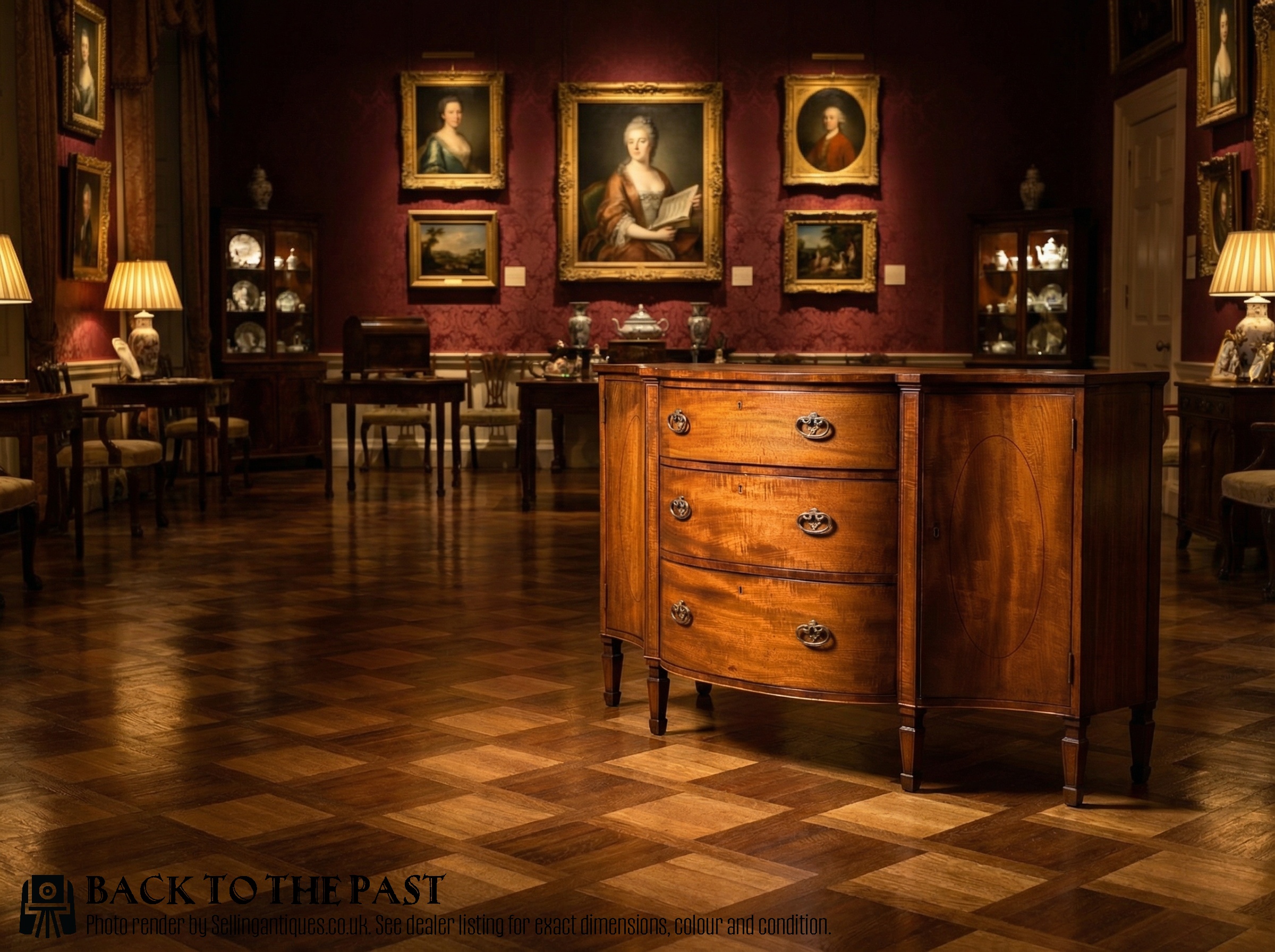
Georgian Bowfront Cabinet
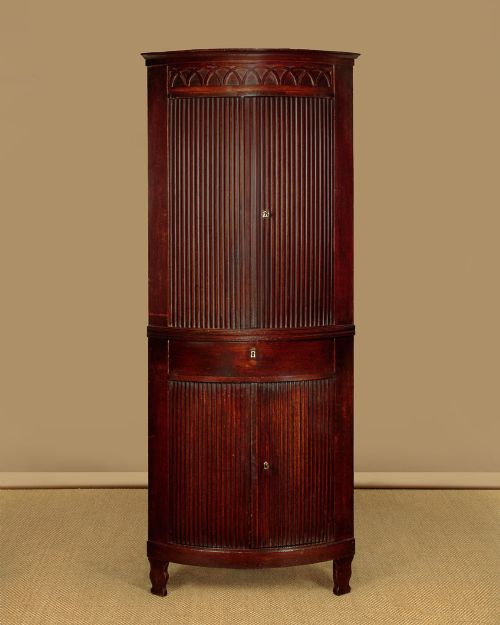
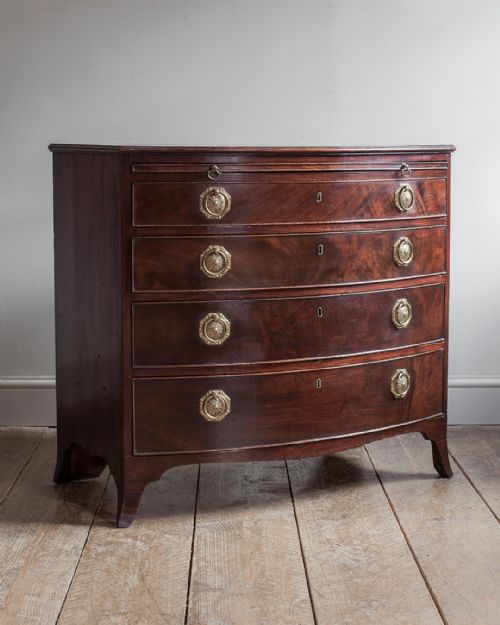
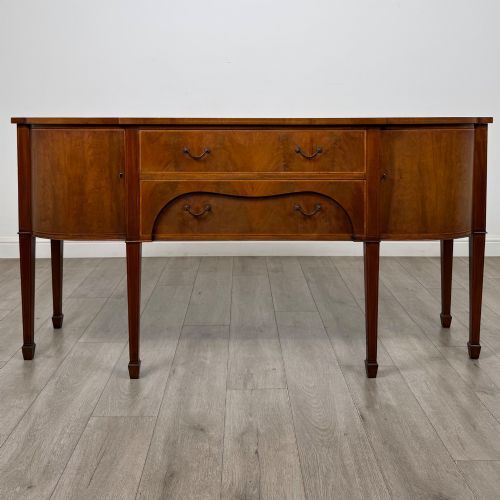
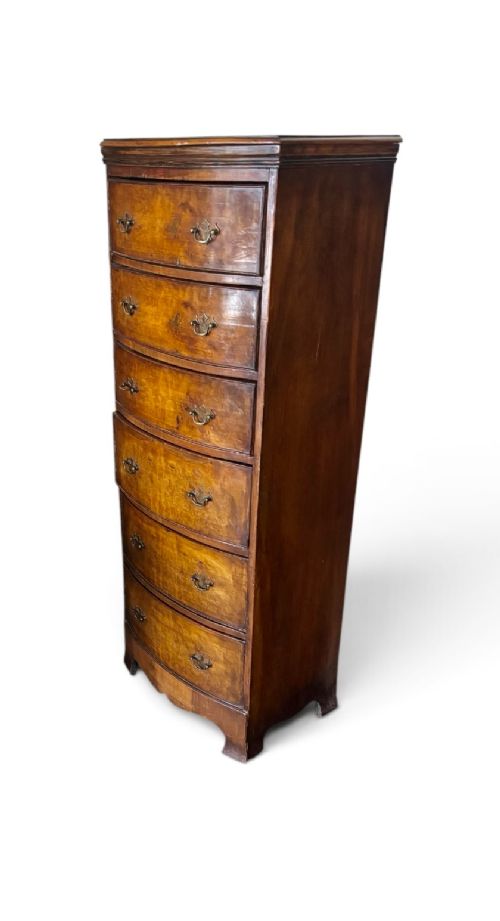
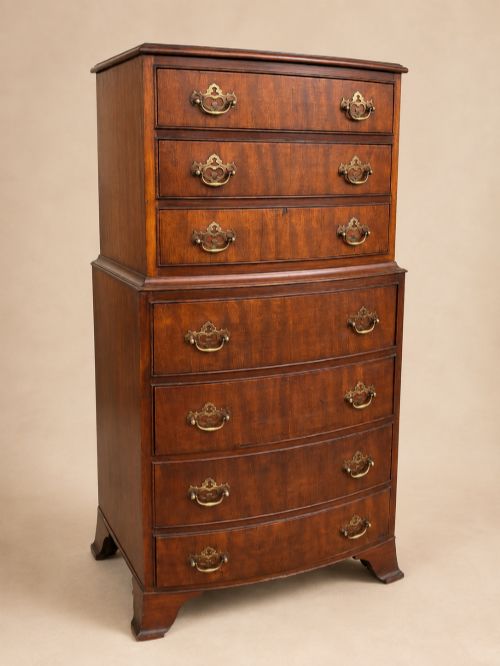
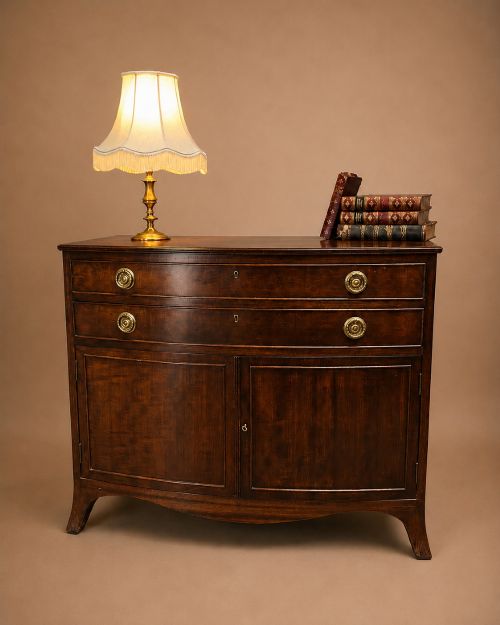
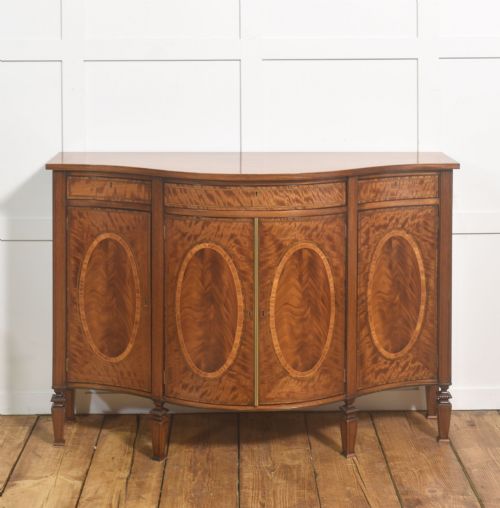
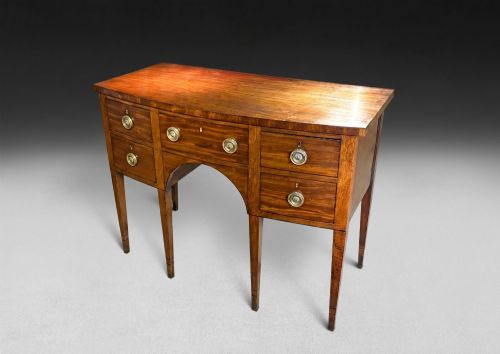
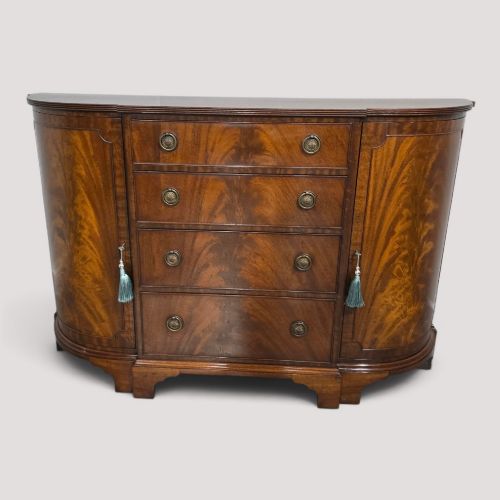
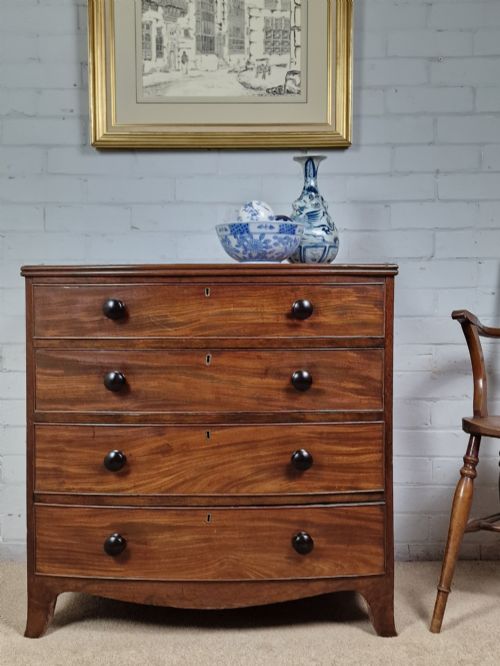
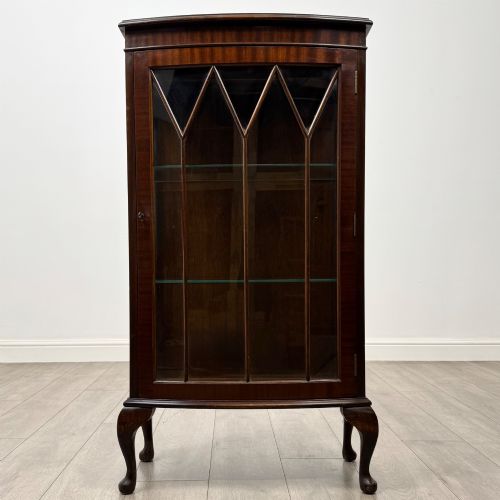
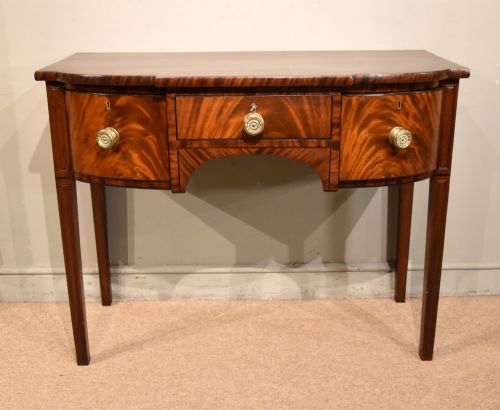
A georgian bowfront cabinet encompasses a variety of forms including sideboards, chests of drawers, corner cupboards, and linen presses featuring a gently curved front profile. These pieces emerged strongly during the 18th century and continued through the 19th century into Edwardian revivals.
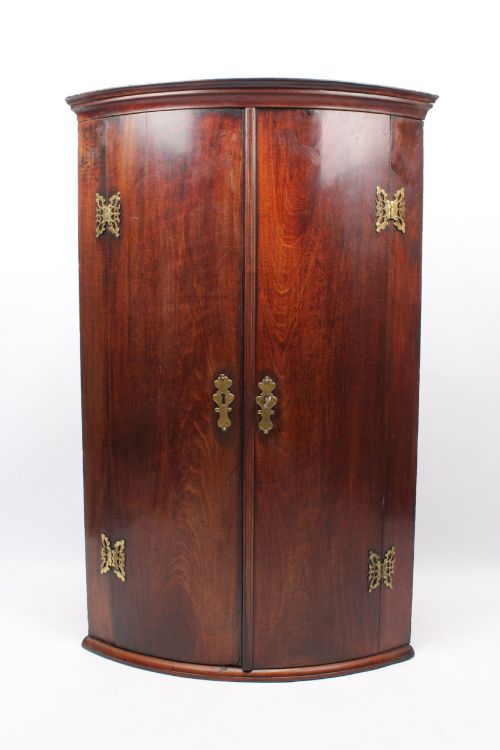
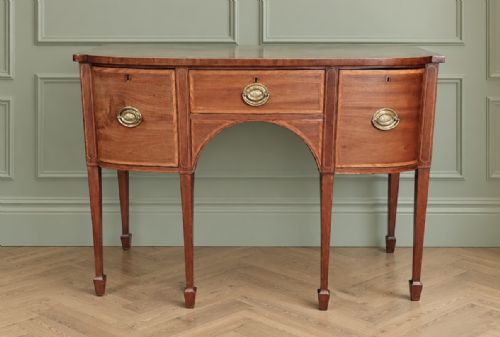
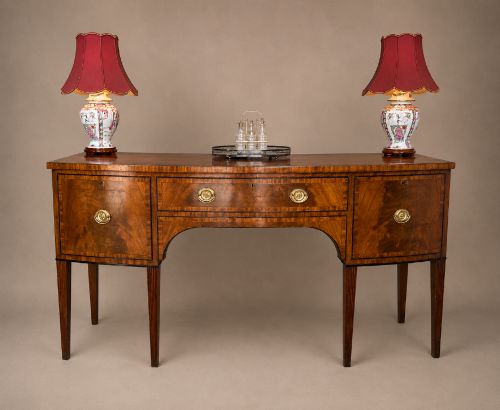
The version most commonly met on this page is the mahogany sideboard or corner cupboard dating from the Georgian period or George III era. These functional storage pieces utilise their curved fronts to soften room angles while offering deep interior capacity.
How They Were Made
Cabinet makers constructed these pieces primarily using solid timber and veneers, with mahogany serving as the dominant choice alongside oak, walnut, and satinwood. Secondary woods and framing often relied on sturdy local timbers to support the curved framework.
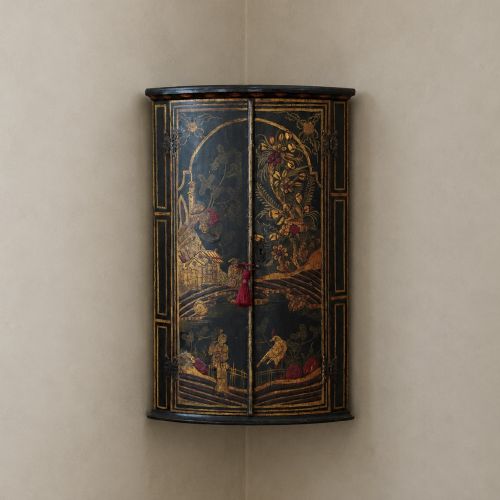
Makers integrated decorative details such as boxwood stringing, brass hardware, marquetry inlay, and japanned lacquer work. Bending timber or building up curved carcass fronts required precise woodworking techniques to ensure the doors and drawers operated smoothly within the radius.
Georgian Bowfront Cabinet Retail Price Guide 2026
Typical asking prices for georgian bowfront cabinet among the pieces listed under this phrase on Sellingantiques today, from the lower quarter to the upper quarter. They describe what is for sale here now, not the wider market.
Listings feature pieces spanning the Georgian, Regency, and Edwardian periods, utilising mahogany, oak, satinwood, and lacquer.
What Varies in Quality
The choice of timber grain significantly elevates a piece, with figured mahogany, plum pudding mahogany, or finely matched satinwood representing the upper tier of production. Simpler executions utilise plain oak or standard mahogany boards with minimal decorative banding.
Complexity of construction also distinguishes finer examples, particularly where makers incorporated elaborate marquetry inlays, delicate crossbanding, or sophisticated japanned Chinoiserie finishes. The handling of the curved bowfront itself, from the dovetailing of drawers to the fitting of doors, separates standard workshop output from exceptional cabinet making.
The Georgian Bowfront Cabinet Glossary
- Bowfront
- A furniture front that curves outward in a convex arc. This shape softens room geometry and provides additional internal depth compared to flat-fronted pieces.
- Corner cupboard
- A cabinet specifically built with an angled back to fit neatly into the corner of a room. These can be double height, floor standing, or made to hang on a wall.
- Japanned
- European imitation of East Asian lacquer work using layered resin finishes and painted designs. It appears on select 18th and 19th-century cabinet pieces.
- Crossbanding
- A decorative border technique where veneer strips are laid perpendicular to the main grain of the surface. This frames drawer fronts and tabletops with contrasting timber lines.
- Tallboy
- A tall chest of drawers consisting of one chest stacked on top of another. They maximise vertical storage space while maintaining a compact footprint.
Georgian Bowfront Cabinet: Frequently Asked Questions
What rooms suit a bowfront cabinet?
These cabinets work well in dining rooms as sideboards or serving surfaces, and in living spaces where corner cupboards utilise unused angles. Their curved shape prevents sharp corners projecting into walkways.
Smaller chest and cabinet formats also sit comfortably in hallways or bedrooms for everyday storage.
How do I identify a Georgian piece?
Examine the timber selection, construction methods, and hardware styles. Authentic pieces from the period typically feature hand-cut dovetails, native secondary woods, and traditional finishing methods.
Later revival pieces from the Edwardian era often replicate these forms but display machine-cut elements or different internal lining papers.
Are corner cupboards hard to hang?
Hanging corner cabinets require secure fixing into solid wall studs or masonry because their heavy timber construction and contents place significant strain on the back brackets.
Many period examples include original internal mounting holes or sturdy hanging brackets designed to distribute this weight safely.
What is the difference between a sideboard and a buffet?
Both terms describe low storage furniture used for dining rooms, though sideboards historically incorporate a combination of drawers and cupboards for serving and storage.
Revival and 19th-century makers often used the terms interchangeably in their workshop catalogues.