

Georgian Bottle Cooler
A georgian bottle cooler holds wine at table, bringing rich timber and metal craft to the dining room.
Georgian Bottle Cooler
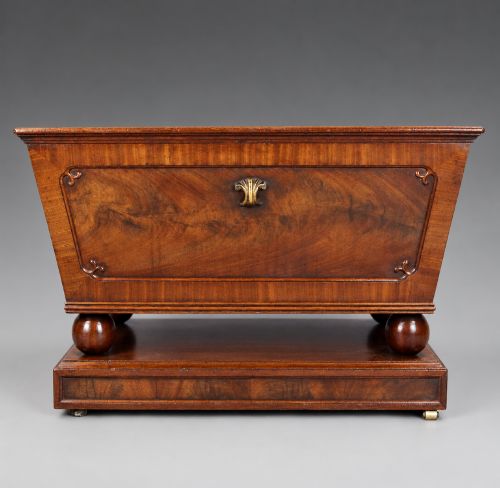
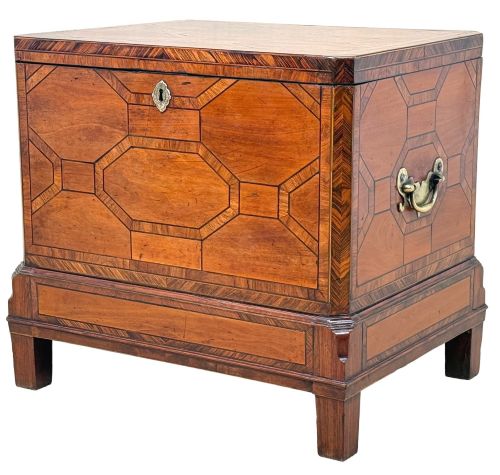
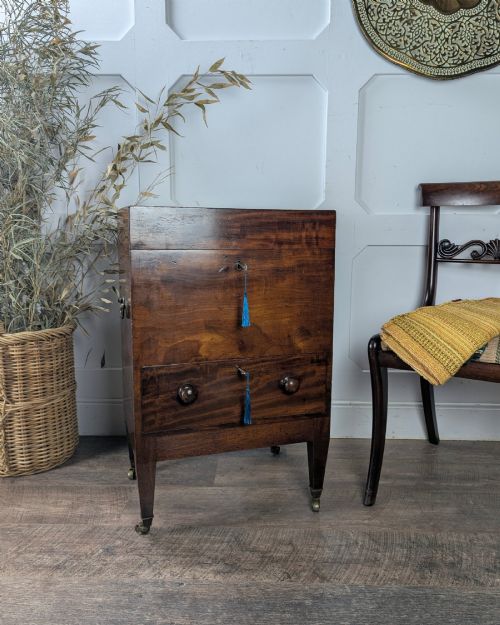
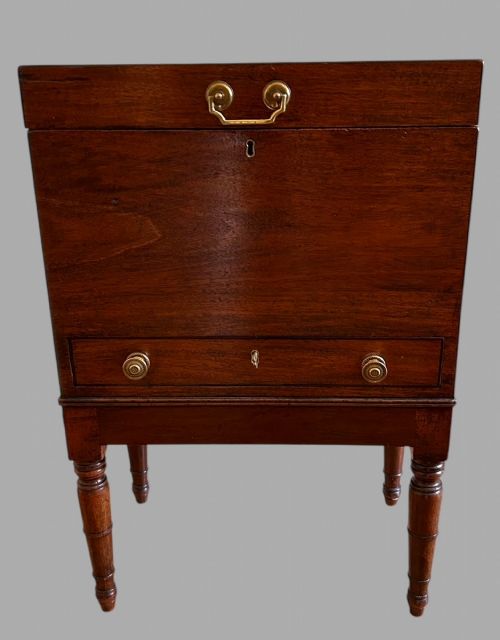
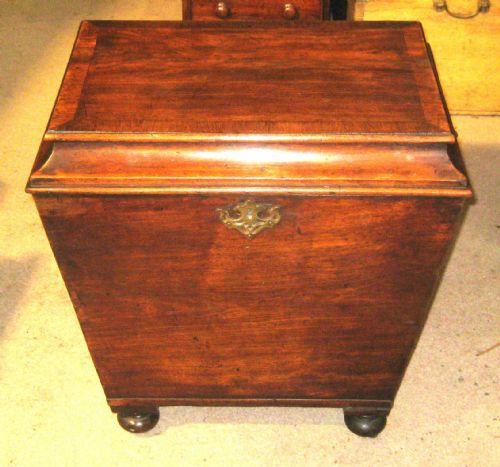
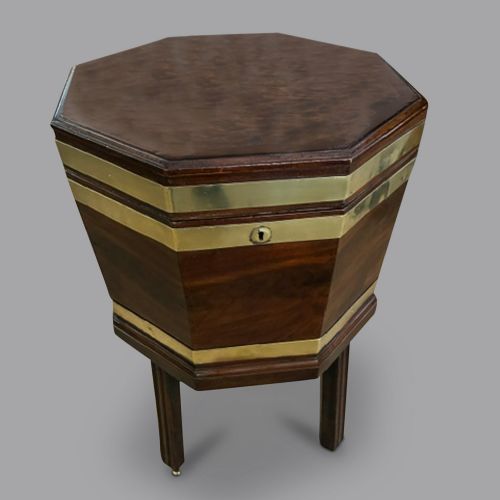
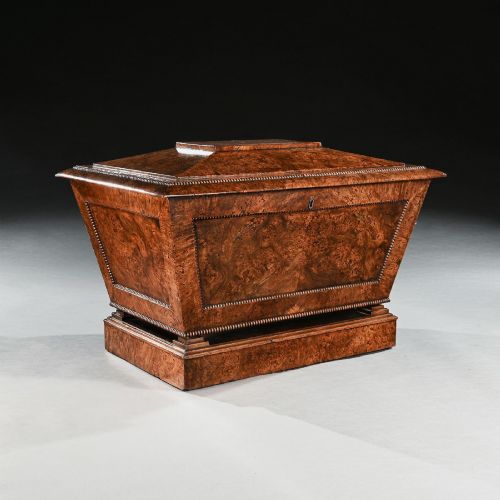
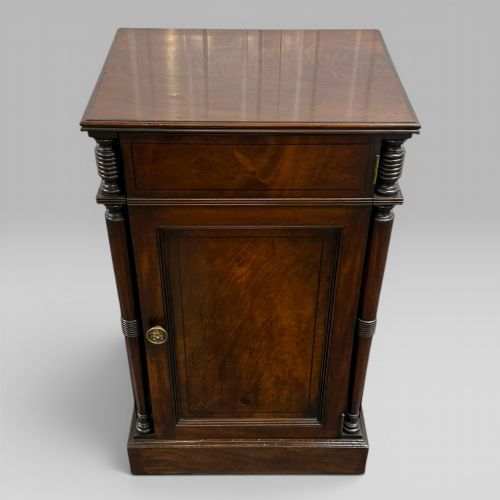
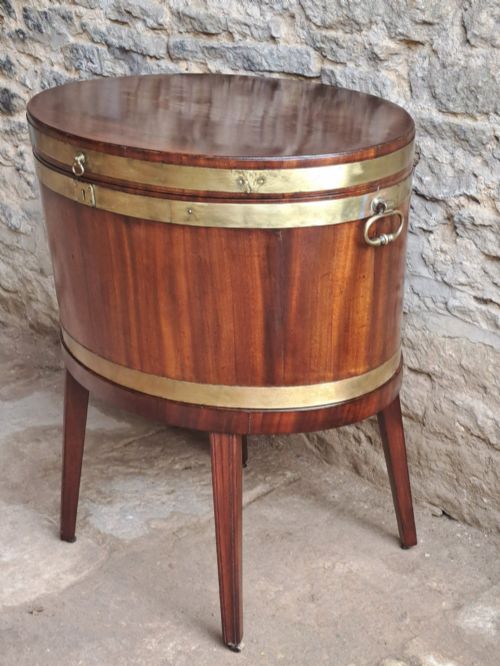
When you search for a georgian bottle cooler, you encounter substantial serving vessels designed to chill or hold wine at the dining table. The pieces on this page span the eighteenth and nineteenth centuries, taking forms such as freestanding cellarettes, table wine coolers, and sarcophagus vessels.
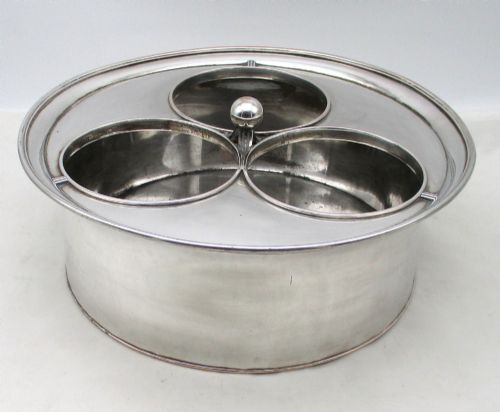
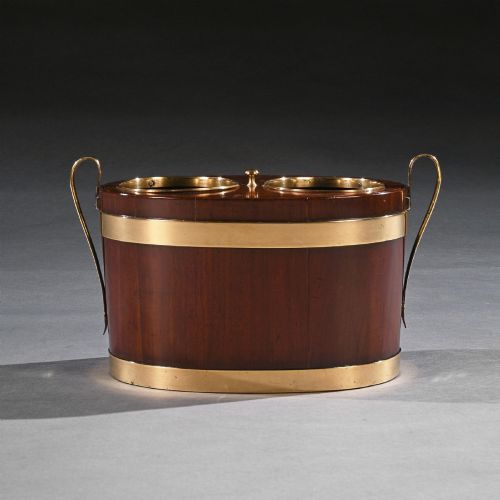
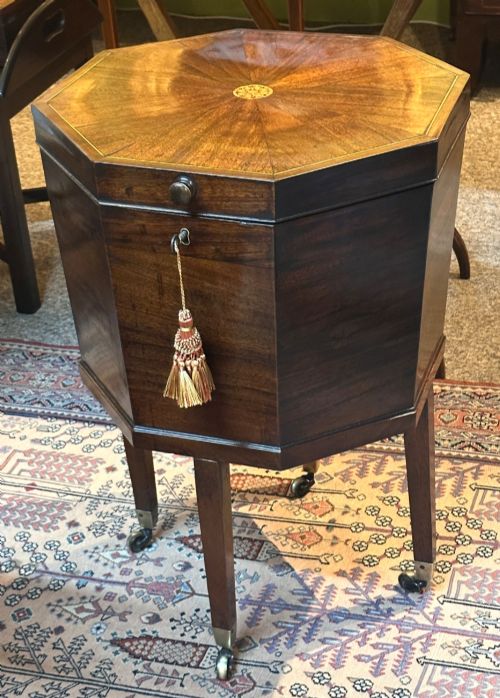
Mahogany dominates the selection, often figured as flame mahogany or enriched with boxwood inlay, alongside brass-bound oval tubs and occasional examples in copper or Old Sheffield plate. Most items date from the Georgian, George III, and Regency periods, reflecting an era of formal dining where wine required dedicated storage close to hand.
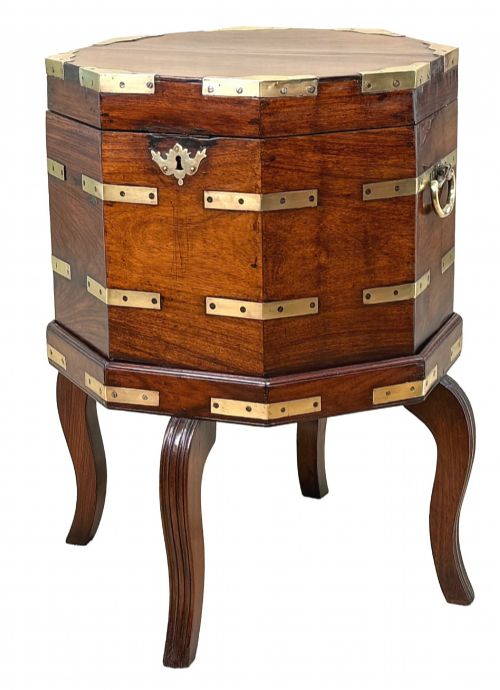
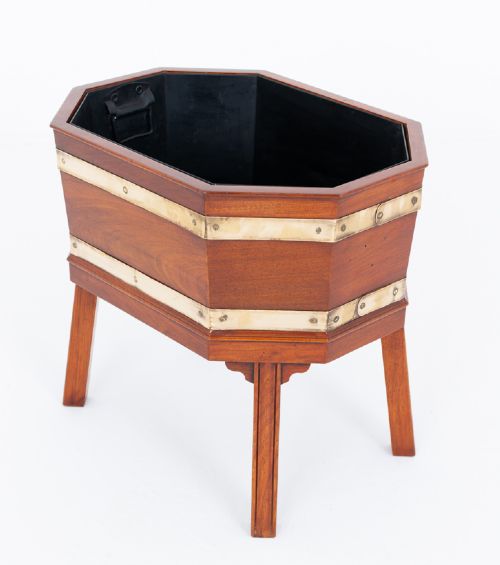
The objects vary from octagonal table coolers to large sarcophagus-shaped boxes meant to stand beneath sideboards. Collectors also encounter Anglo-Indian padouk and satinwood variants alongside standard British hardwoods.
How they were made
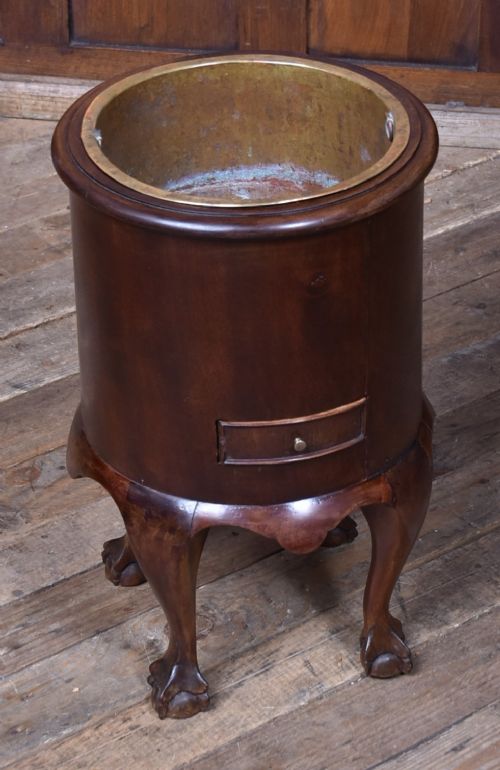
Cabinet makers utilised dense timbers like mahogany and pollard oak, constructing bodies with tight coopering or panel joinery to hold ice and heavy bottles. Interiors often featured zinc or copper linings designed to retain cold water and ice without rotting the surrounding wood.
Metal bands in brass secure the stave construction on oval and octagonal coolers, combining structural strength with decorative contrast. Boxwood inlay and satinwood banding add refined linear detail to top-tier George III and Regency pieces.
Some nineteenth-century diners required locked cellarettes because servants had an unfortunate habit of sampling the cellar's best claret.
What varies in quality
The distinction between ordinary and exceptional pieces rests upon the choice of timber and the crispness of the brass fittings. Figured flame mahogany, well-matched veneers, and substantial brass drop handles elevate a piece far above plain utilitarian examples.
Proportion and interior preservation determine desirability, as many liners have suffered from moisture over the centuries. Original castors, functioning lock mechanisms, and well-preserved zinc or copper inserts distinguish superior examples from altered survivors.
Gillows
The Georgian Bottle Cooler Glossary
- Cellarette
- A lockable container used to store bottles of wine beneath or beside the dining table. These boxes often feature internal divisions to separate individual bottles.
- Sarcophagus form
- A monumental coffin-like shape with a steep lid popular during the Regency period. This architectural style lent gravitas to dining room furnishings.
- Old Sheffield plated
- A fused composite of a copper sheet sandwiched between thin layers of silver. It provides the richness of silver with the durability of base metal.
- Padouk
- A heavy, durable exotic timber with a reddish hue used in Anglo-Indian colonial furniture. It withstands tropical humidity and takes a sharp carved edge.
Georgian Bottle Cooler: Frequently Asked Questions
What is a georgian bottle cooler used for?
These vessels chilled wine bottles in ice water during formal meals or stored them safely under lock and key. The dining room relied on them to keep vintages at hand before fitted sideboards became common.
Today, owners repurpose them as planters, side tables, or log bins beside a fireplace. Their sturdy timber construction and metal linings make them surprisingly adaptable for modern living spaces.
How do I tell a George III cooler from a Regency piece?
George III pieces often favour restrained lines, brass banding, and classical oval or octagonal shapes in solid mahogany. They tend to look lighter and more rectilinear.
Regency examples frequently adopt heavier architectural forms like the sarcophagus style, incorporating richer veneers like flame mahogany and pollard oak. Brass paw feet and bolder carved motifs also signal the later Regency aesthetic.
Are the metal linings inside original?
Many coolers retain their original zinc or copper liners, though centuries of ice and moisture often caused corrosion. Replacements are common in pieces that saw heavy use.
A surviving period liner adds authenticity, but a missing or replaced interior does not diminish the decorative merit of the cabinetwork.
How should I clean mahogany wood?
Dust the timber regularly with a soft, dry cloth to prevent grit from scratching the polished surface. Avoid modern silicone sprays that build up a hazy film over time.
Apply a traditional beeswax paste sparingly to nourish the grain and maintain the natural patina. Buff gently with a clean brush to restore the deep lustre.