



Georgian Wine Pail
A georgian wine pail is a fine drinking vessel or cooler designed to hold bottles at the table, offering practical charm and period elegance.
Georgian Wine Pail
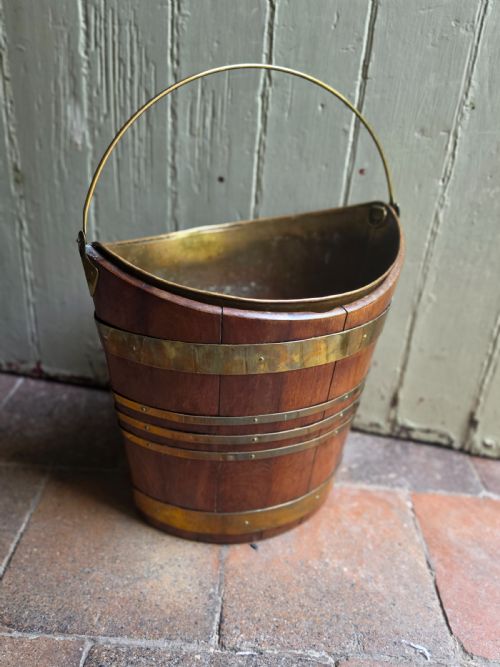
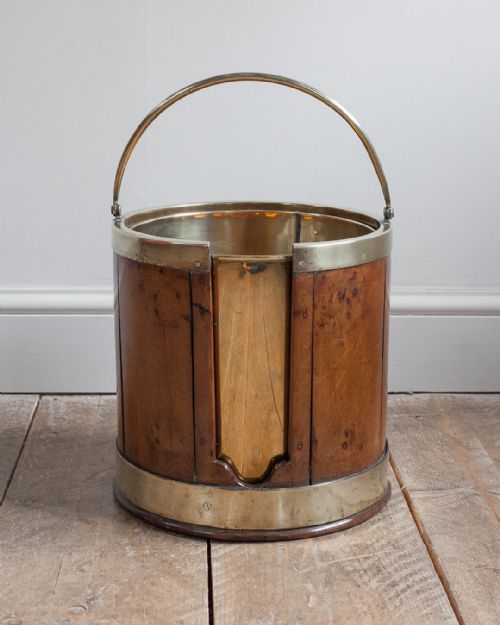
When you search for a georgian wine pail, you encounter robust mahogany vessels alongside refined ceramic ice pails and plated coolers. These pieces stem from the 18th century, Georgian, Regency, and 19th century periods, reflecting the sophisticated dining habits of the era.
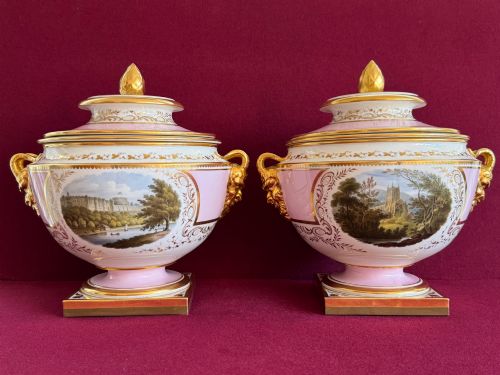
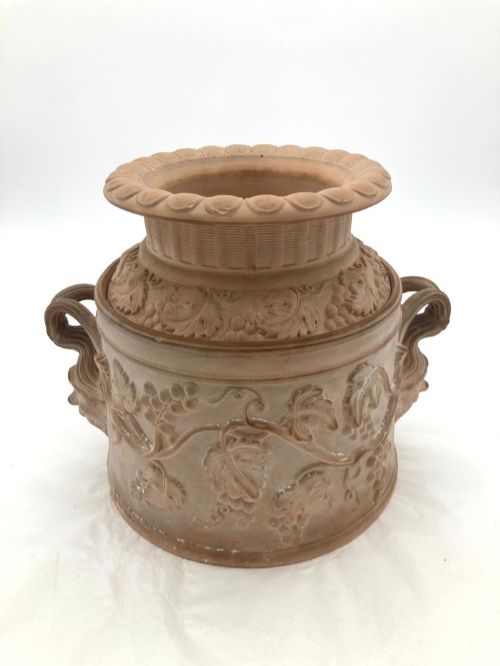
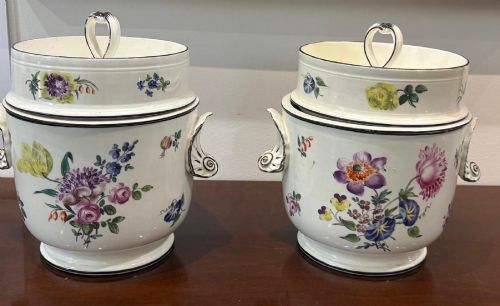
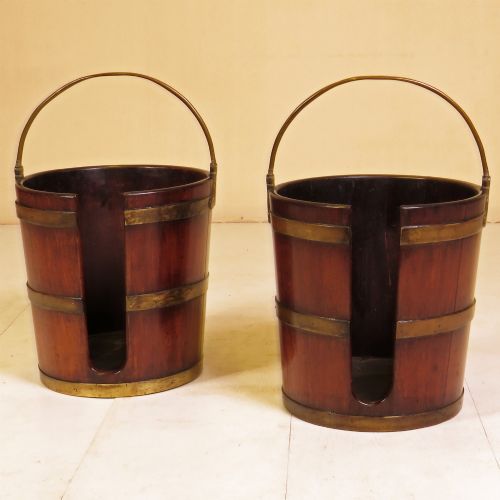
The wooden examples often appear as brass-bound plate buckets or oval wine coolers made for floor placement beside the dining table. Alternatively, ceramic forms like Derby porcelain, creamware, and Worcester ice pails bring delicate painted details and classical shapes to the collection.
How They Were Made
Cabinetmakers constructed the wooden buckets using solid mahogany, often turning staves and securing them with heavy brass bands and swing handles. These timber vessels required expert joinery to hold ice and liquid safely without splitting.
Ceramic ice pails utilised porcelain and creamware, shaped in moulds and finished with hand-painted enamel decoration or gold leaf. Metal coolers relied on Old Sheffield plate and copper, combining copper bases with fused silver sheets to achieve a lustrous metallic finish.
Even wealthy diners needed a sturdy bucket to keep the claret chilled while the butler argued with the roast.
What Varies in Quality
The distinction between standard and superior pieces lies in the crispness of the brass banding, the choice of figured mahogany timber, and the refinement of the hand-painted porcelain decoration. Simpler wooden buckets rely on sturdy construction, whereas top-tier examples demonstrate meticulous dovetailing and original hardware.
Porcelain and creamware versions vary according to the artistry of the painted scenes, such as those by named decorators, and the preservation of original gilding. Old Sheffield plated coolers depend upon the subtlety of applied coats of arms and the minimal wear of the underlying copper.
George Robertson·Davenport·Chamberlain Worcester·Flight, Barr and Barr·Matthew Boulton and Co
The Georgian Wine Pail Glossary
- Plate bucket
- A deep cylindrical wooden bucket fitted with brass bands, originally used for carrying plates or chilling wine bottles.
- Ice pail
- A specialised ceramic or metal vessel designed to hold ice for cooling wine and desserts at the dining table.
- Old Sheffield plate
- A composite metal made by fusing a thin sheet of silver to a thicker copper base, popular for luxury tableware.
- Creamware
- A refined earthenware developed in England during the 18th century, noted for its warm cream-coloured lead glaze.
- Cellarette
- A lockable container or fitted standalone piece used to store wine bottles securely near the dining area.
Georgian Wine Pail: Frequently Asked Questions
How were these wine coolers used?
These vessels were typically placed on the floor or on side tables near the dining area to keep wine bottles cool in ice. Wooden buckets managed heavy bottles and plate carriage, while porcelain pails sat closer to guests.
They formed part of an elaborate system of dining hospitality in wealthy households. Servants loaded them with ice and liquid to ensure drinks remained chilled throughout long meals.
How do I care for mahogany wine buckets?
Mahogany buckets require gentle cleaning with a soft cloth and occasional application of appropriate furniture wax to preserve the timber and brass bands. Avoid placing them in direct sunlight or near heat sources to prevent the wood from drying out.
If the interior retains a metal liner, keep it dry to avoid corrosion. Treating the wood with care maintains the natural lustre of the grain.
How do I identify a Regency period piece?
Regency pieces often display classical motifs influenced by Greek and Roman architecture, dating roughly from the early 19th century. Look for clean architectural lines, cut crystal elements, and refined metalwork.
Materials from this era frequently include polished mahogany, Old Sheffield plate, and crisp porcelain. Comparing the form and decorative details against known period styles helps confirm the date.