

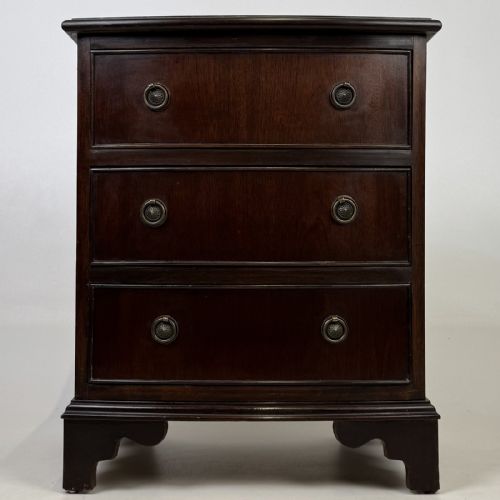
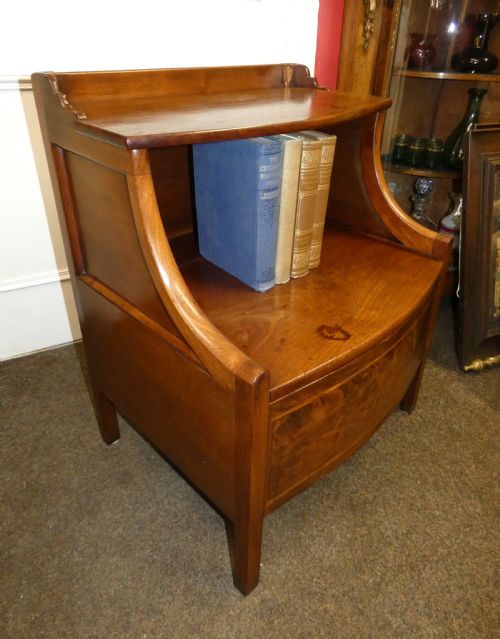
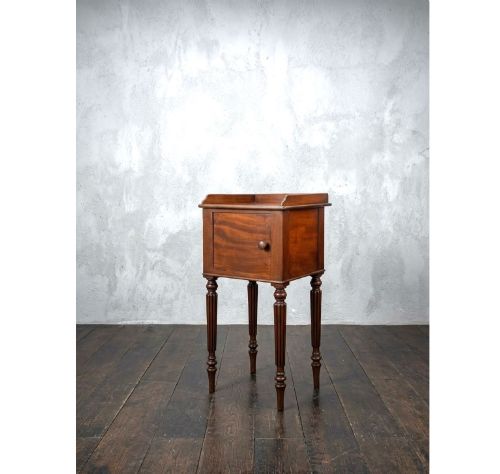
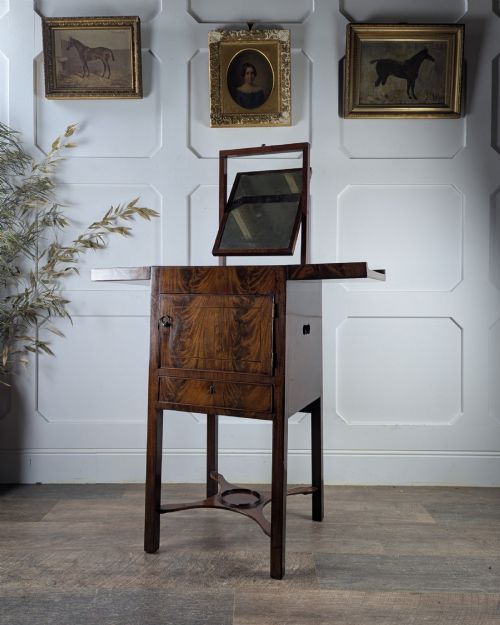
Georgian Bedside Commode Cabinet
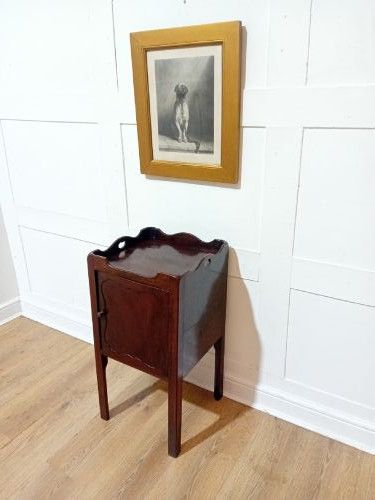
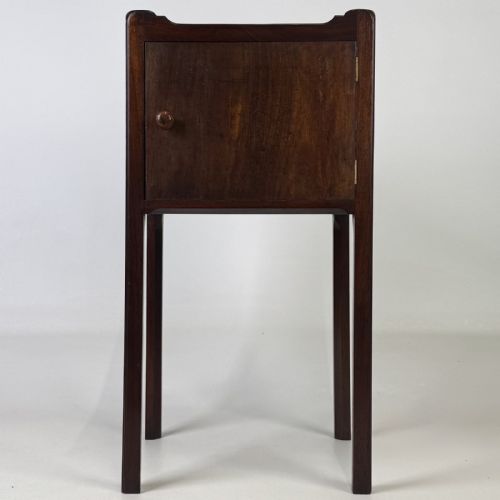
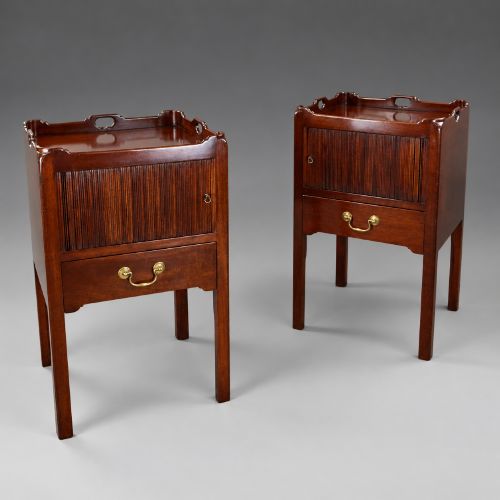
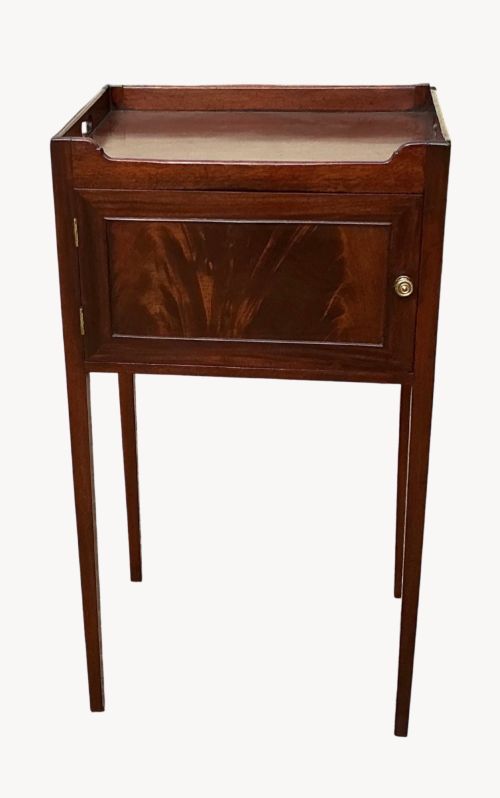
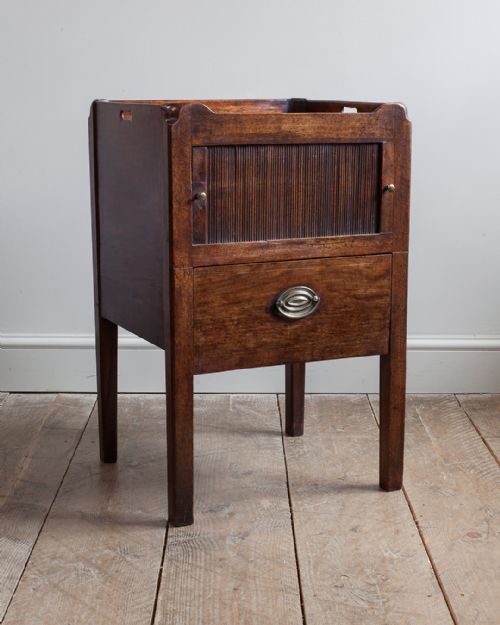
These Georgian bedside commode cabinet pieces are timber bedside cupboards and nightstands designed to conceal sanitation or hold chamber pots, prized today for their compact proportions and period craftsmanship.
Georgian Bedside Commode Cabinet
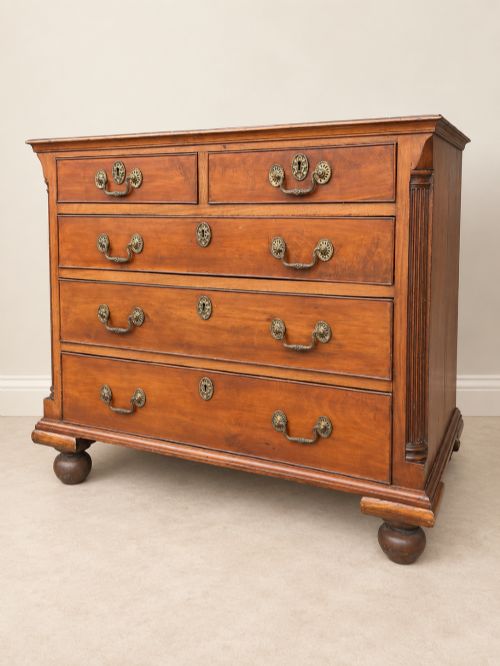
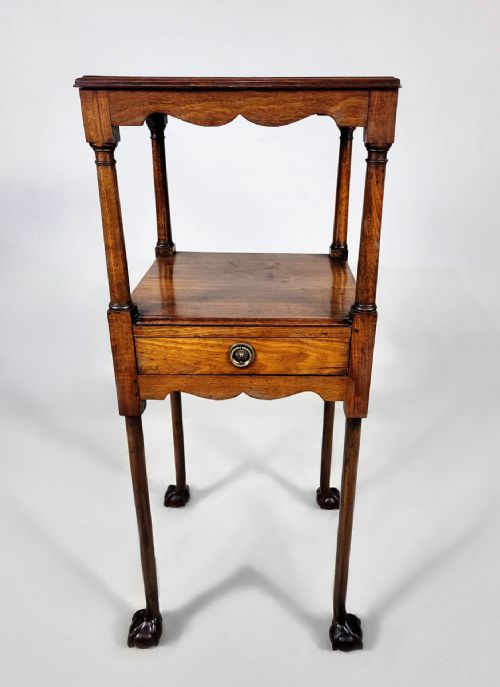
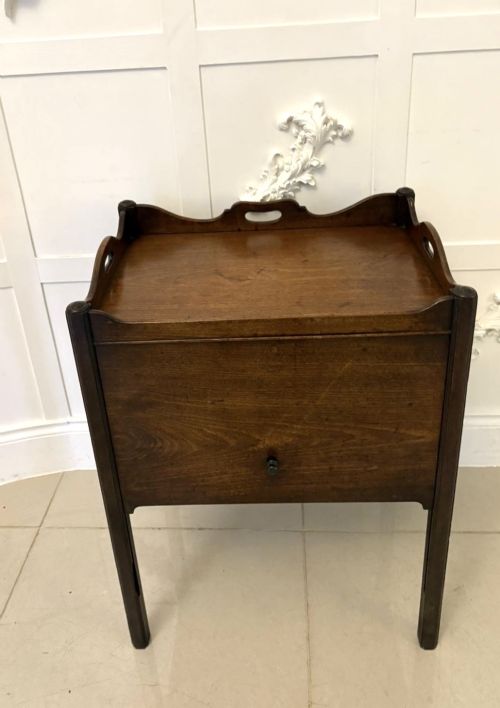
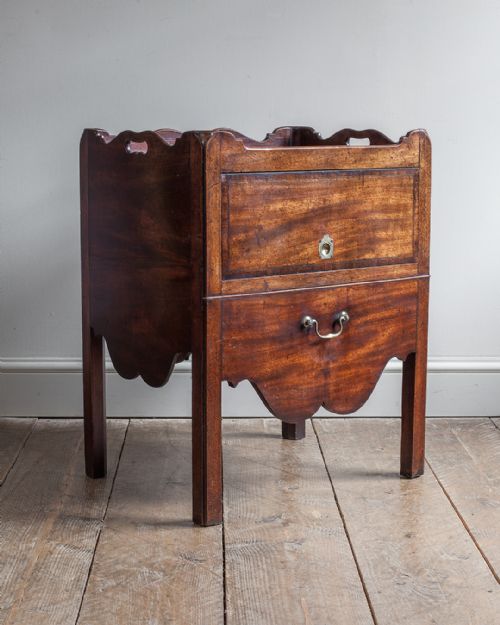
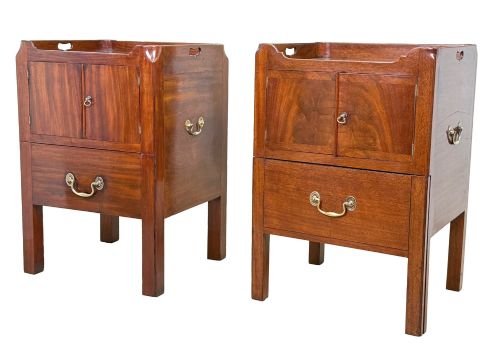
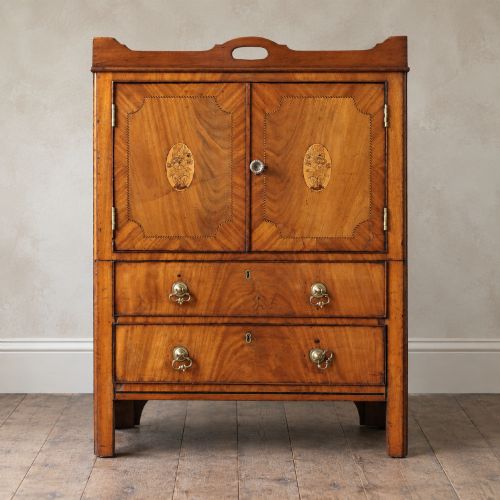
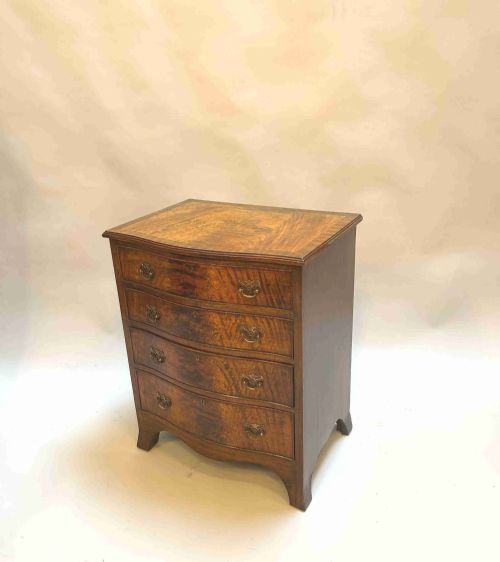
When you search for a georgian bedside commode cabinet, you encounter versatile bedroom timber furniture that evolved through the eighteenth and nineteenth centuries. The selections on this page span several forms, including bedside cupboards, pot cupboards, nightstands, and close stools disguised as small chests. You also find variations like tray-top commodes and fold-away washstands that served domestic bedchambers in the Georgian, George III, and Regency periods.
The version you meet most frequently on this page is the mahogany bedside cabinet or cupboard from the eighteenth century, often featuring a tray top to retain water jugs or washbasins. Many pieces date from the Georgian era, while later interpretations include nineteenth-century nightstands, Regency flame-mahogany cylindrical cupboards, and twentieth-century revivals.
Makers and cabinetmakers of these periods utilised native and imported woods to construct functional bedside storage. While some items conform to strict Chippendale or Sheraton design principles, others reflect English Country traditions using elm, oak, or pine.
What varies in quality
The standard of timber selection separates standard items from finer examples, particularly where figured flame mahogany or carefully matched veneers cover the exterior surfaces. Superior pieces display thoughtful grain continuity across drawers and doors, whereas simpler workshop output relies on plain mahogany boards or painted pine.
Construction fidelity also defines the grade of a commode cabinet. Refined examples incorporate tight dovetail joinery in the drawer construction, robust brass hardware, and intricate tambour mechanisms that operate smoothly, contrasting with heavier or more utilitarian regional builds.
Georgian Bedside Commode Cabinet Retail Price Guide 2026
Typical asking prices for georgian bedside commode cabinet among the pieces listed under this phrase on Sellingantiques today, from the lower quarter to the upper quarter. They describe what is for sale here now, not the wider market.
Materials recorded on this site include mahogany, flame mahogany veneer, satinwood, pine, oak, elm, boxwood, and brass.
The Georgian Bedside Commode Cabinet Glossary
- Commode
- A low cabinet or chest of drawers, which in eighteenth-century terminology often denoted a piece designed to enclose a chamber pot. These items served private bedchambers before plumbed indoor sanitation became standard.
- Pot Cupboard
- A small bedside cabinet built with a cupboard door to house a chamber pot. They frequently feature enclosed lower storage and a flat or tray top surface.
- Tray Top
- A raised rim encircling the upper surface of a bedside table or commode. This perimeter prevented bottles, basins, or jugs from slipping off the timber surface during use.
- Tambour
- A flexible sliding shutter formed from narrow vertical strips of wood glued to a canvas or leather backing. This mechanism allowed cabinetmakers to enclose curved bedside cupboard openings smoothly.
- Close Stool
- A piece of furniture resembling a small chest, cupboard, or chair that enclosed a commode seat and pan. Eighteenth-century versions often disguised this function behind faux drawer fronts.
Georgian Bedside Commode Cabinet: Frequently Asked Questions
What is a georgian bedside commode cabinet?
A georgian bedside commode cabinet is a small eighteenth or nineteenth-century bedroom storage piece originally built to conceal a chamber pot or provide night-time convenience. These items typically combine a small cupboard door with a drawer or a raised tray top.
They reflect the domestic habits of the Georgian and Regency periods, offering compact timber furniture that fitted neatly beside a bed.
How were these cabinets used historically?
Households placed these cabinets in bedchambers to hold chamber pots, washing basins, or night-time necessities out of sight. The enclosed lower section kept sanitation equipment concealed when not in use.
Upper tray tops provided a stable surface for water jugs, candles, or pocket watches before electric lighting and running water.
What woods do makers use?
Mahogany is the dominant timber seen across these listings, often appearing as solid boards or flame mahogany veneer. Cabinetmakers also utilised satinwood and boxwood for decorative inlay.
Secondary woods such as pine, oak, and elm appear in carcases, drawer linings, and regional English Country pieces.
How do I spot a revival piece?
Revival pieces on this page typically date from the early twentieth century, such as the nineteen-twenties and nineteen-thirties. They replicate Georgian styles using period-appropriate mahogany or walnut, but lack the eighteenth-century patina and construction wear.
Examining the interior secondary timbers, drawer construction, and hardware helps distinguish nineteenth and twentieth-century interpretations from original Georgian items.