





Georgian Apprentice Piece
A georgian apprentice piece is a scaled-down masterwork of cabinet-making, prized by collectors for its intimate scale and exceptional demonstration of joinery.
Georgian Apprentice Piece
A georgian apprentice piece embodies the pinnacle of miniature cabinet-making, created either to demonstrate skill for guild admission or to serve as a portable salesman sample. These items translate full-scale furniture forms down to domestic tabletops.
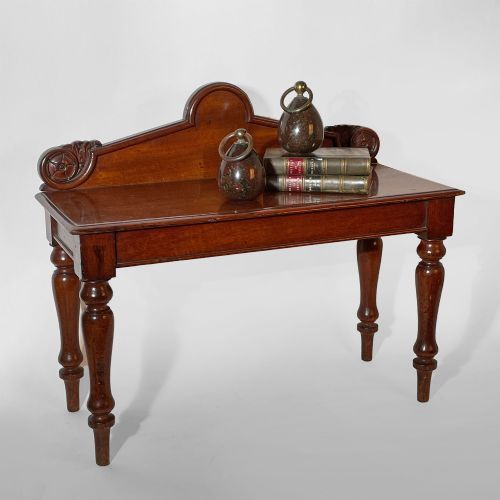
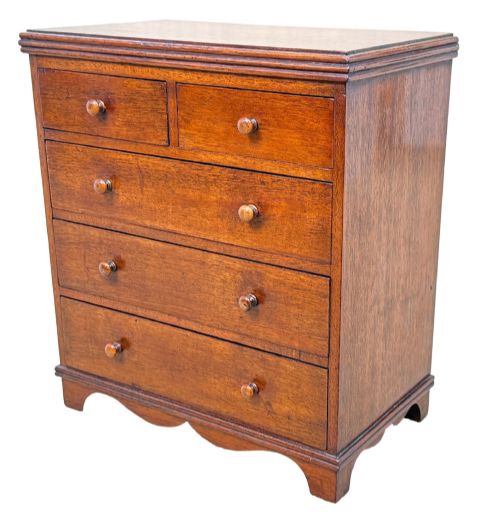
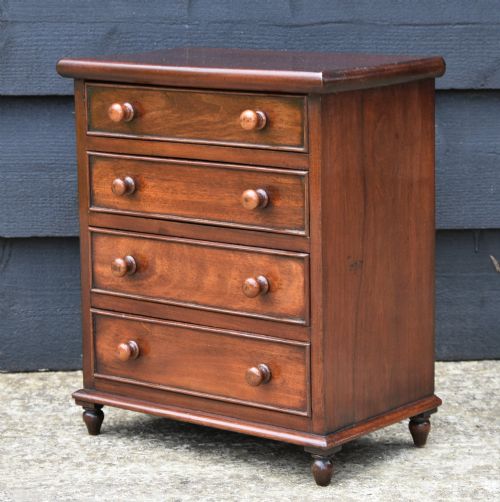
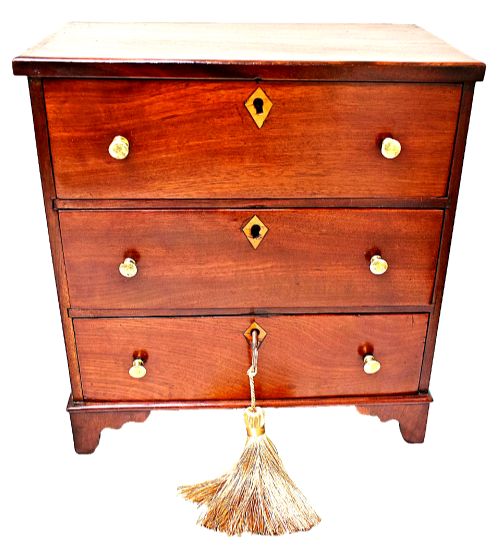
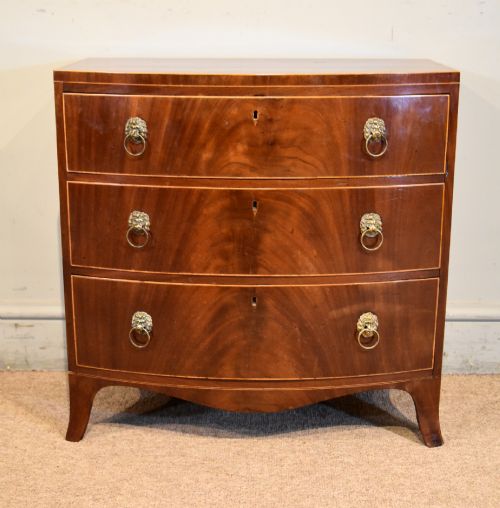
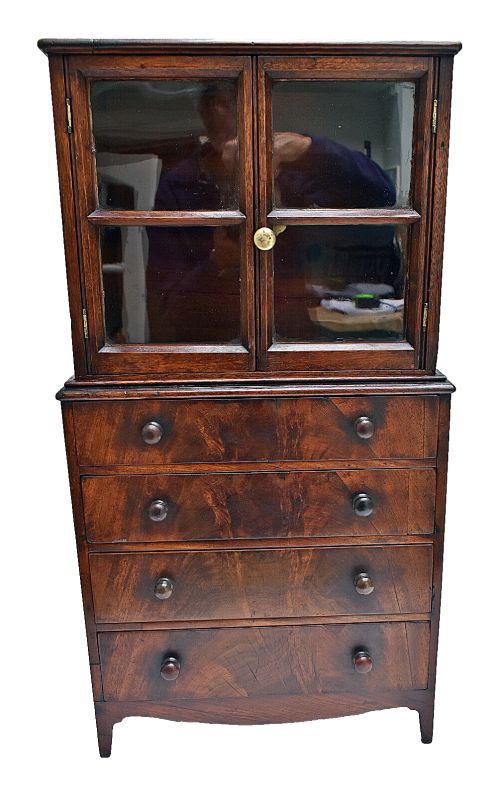
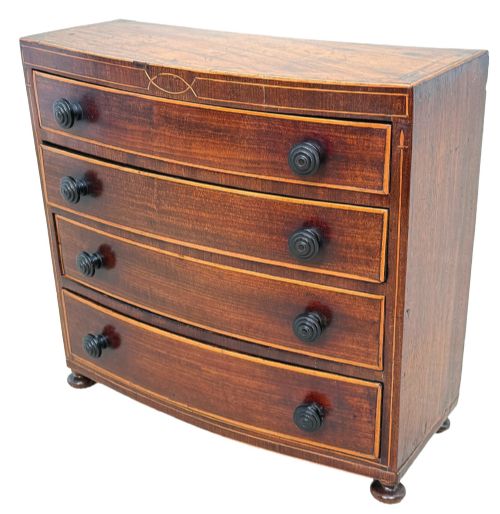
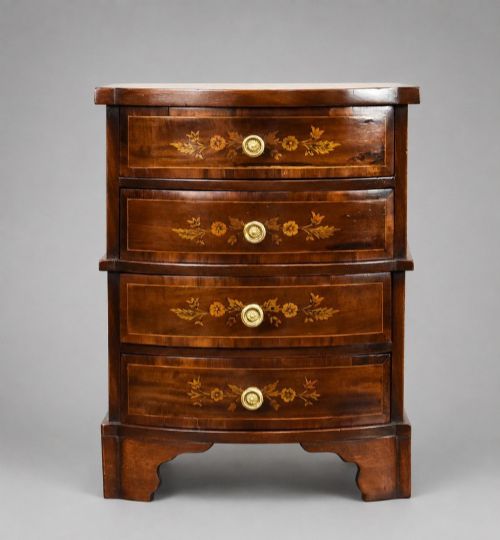
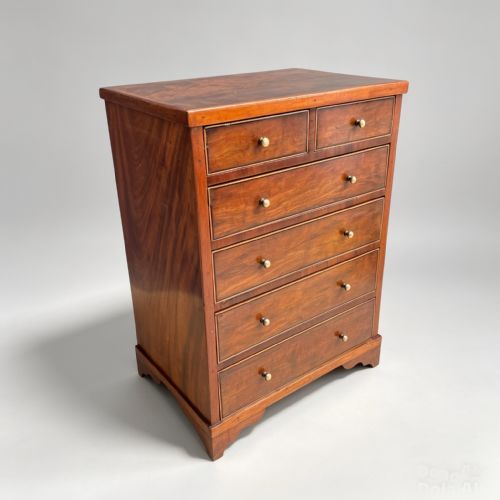
The most frequent form encountered on this page is the miniature chest of drawers, alongside smaller numbers of bureau bookcases, side tables, desks, and chairs.
Materials span native and exotic hardwoods alongside softer timbers, reflecting the workshops of the eighteenth and nineteenth centuries across various British regions.
Materials and construction
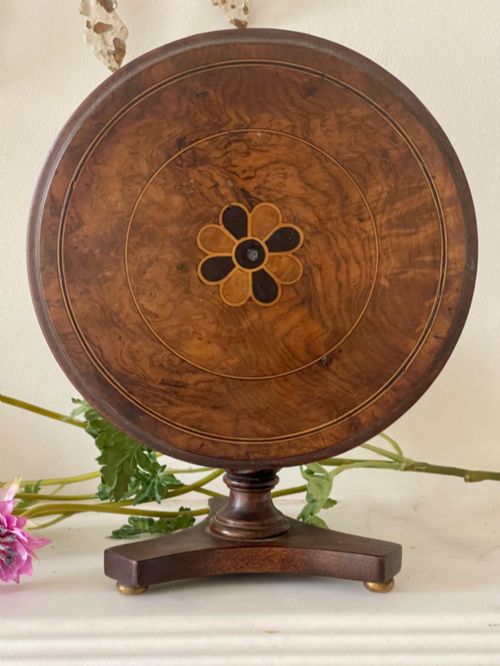
Makers utilised dense timbers such as mahogany, walnut, oak, and yew, often selecting finely figured veneers including burr yew, amboyna, and marquetry to enhance miniature surfaces.
Construction mirrors full-scale furniture through dovetailed drawer construction, pegged joints, and turned supports, demanding immense precision at a reduced scale.
Surface finishes range from traditional French polish to waxed elm and pine, preserving the natural grain and patination of the wood.
Georgian Apprentice Piece Retail Price Guide 2026
Typical asking prices for georgian apprentice piece among the pieces listed under this phrase on Sellingantiques today, from the lower quarter to the upper quarter. They describe what is for sale here now, not the wider market.
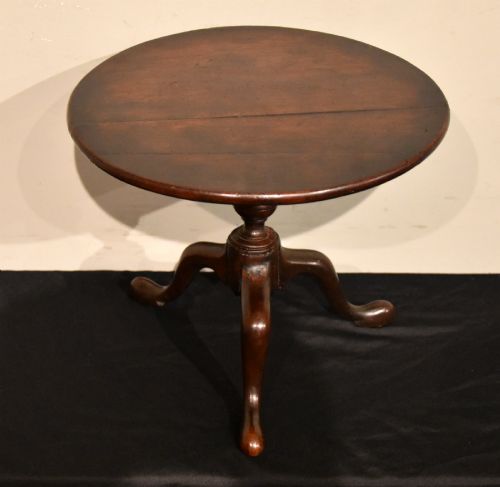
Listings feature mahogany, walnut, oak, and pine across forms including chests of drawers, bureaux, and tripod tables from the eighteenth and nineteenth centuries.
Assessing quality
Quality rests upon the fidelity of the proportions and the absolute precision of the miniature joinery, where dovetails must remain fine and tight.
The choice of primary timber and secondary wood dictates merit, with figured veneers and original brass hardware elevating the status of the piece.
Proportion and restraint separate genuine masterworks from later decorative miniatures, ensuring the piece holds the visual weight of a full-sized counterpart.
The Georgian Apprentice Piece Glossary
- Apprentice piece
- A scaled-down model created by a craftsman to demonstrate technical proficiency to a guild or master. These objects showcase the same complex joinery found on full-sized furniture.
- Mule chest
- A traditional storage chest featuring one or more drawers beneath the main lift-top compartment. This form appears in miniature oak and walnut versions.
- Kneehole desk
- A compact desk featuring a central recess for the legs flanked by banks of small drawers. Georgian examples utilise figured mahogany and oak.
- French polish
- A shellac finish applied in numerous thin layers using a rubbing pad to produce a high gloss. This technique appears on nineteenth-century examples.
- Marquetry
- The art of applying decorative pieces of veneer to a structure to form intricate patterns. Edwardian miniature chests occasionally employ this technique.
Georgian Apprentice Piece: Frequently Asked Questions
What is a georgian apprentice piece?
A georgian apprentice piece is a small-scale model of furniture created by a craftsman in training to prove technical skill. These objects replicate full-sized desks, chests, and tables in miniature proportions.
Craftsmen applied the exact same joinery methods used in standard furniture, resulting in functional drawers, doors, and lids on a tiny scale.
How were these miniature items used?
These small pieces served primarily as qualification projects for aspiring cabinet-makers seeking admission to trade guilds. Some also functioned as portable salesman samples for travelling merchants.
Owners placed them on larger desks or tables as decorative objects or desktop storage for small valuables.
How do I date a miniature chest?
Dating relies upon timber selection, structural joinery, and stylistic details that match full-sized furniture of the period. Eighteenth-century examples often feature solid mahogany or oak with hand-cut dovetails.
Later nineteenth-century pieces incorporate different secondary woods and distinct surface finishes like French polish.
Are apprentice pieces and dolls furniture the same?
Apprentice pieces differ significantly from children's toys or dolls furniture through their serious construction and adherence to professional guild standards. They utilise cabinet-grade timbers and precise joinery rather than simplified toy construction.
Each miniature represents a serious test of a maker's ability to handle complex furniture forms.