
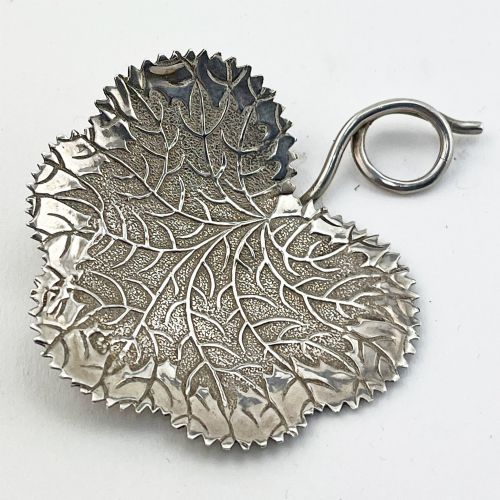
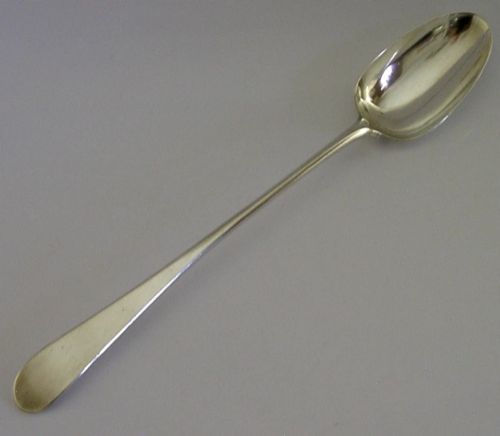
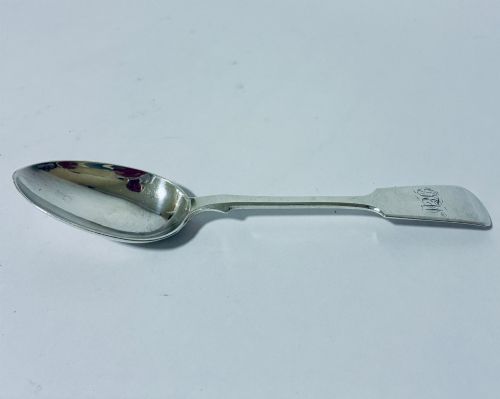
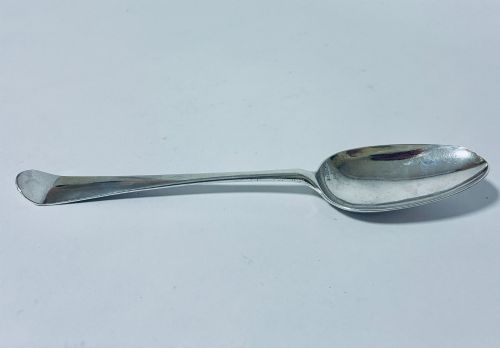
Georgian Flatware
These georgian antique flatware pieces bring centuries of sterling silver and regional British hallmarked craftsmanship straight to the dining table.
Georgian Flatware
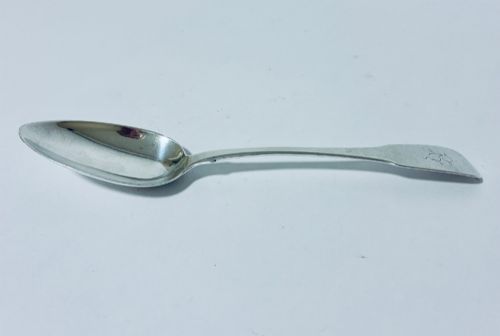
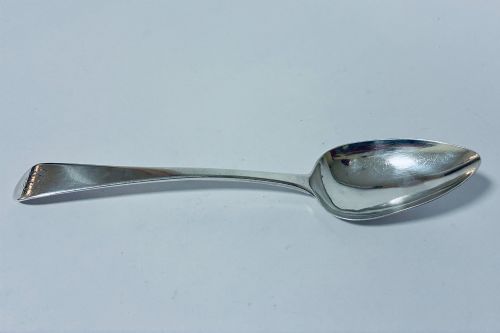
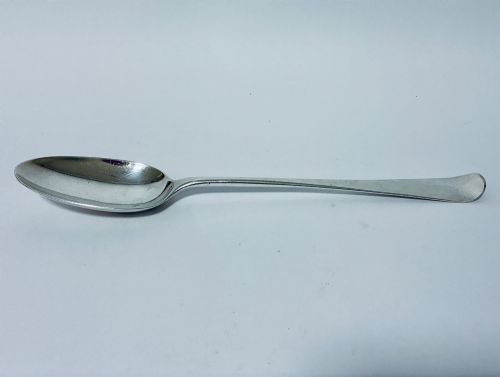
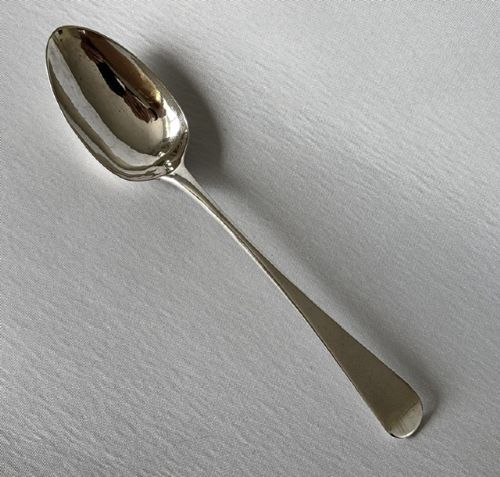
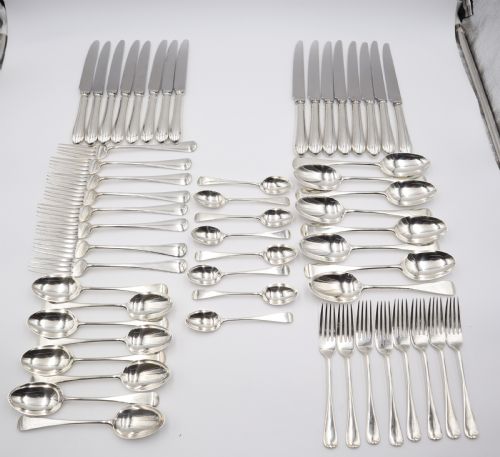
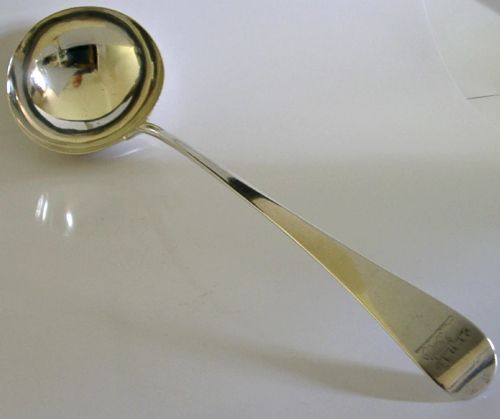
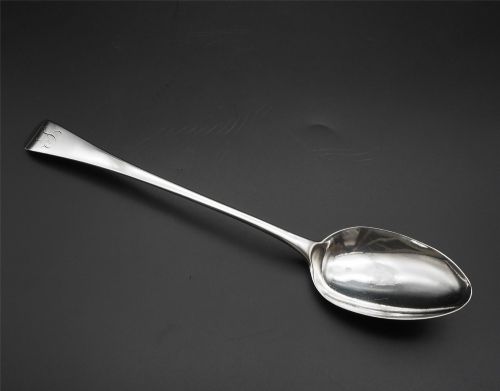
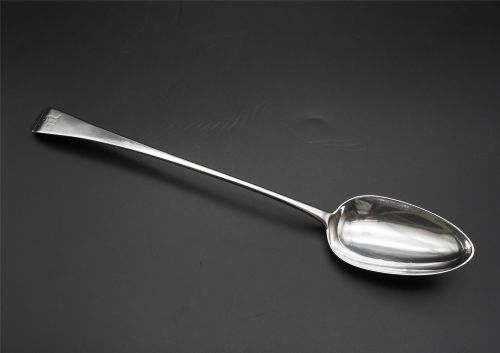
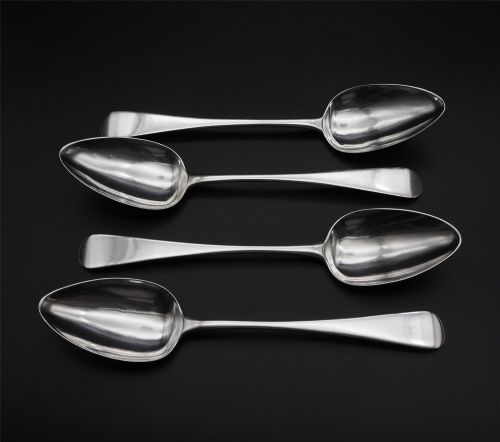
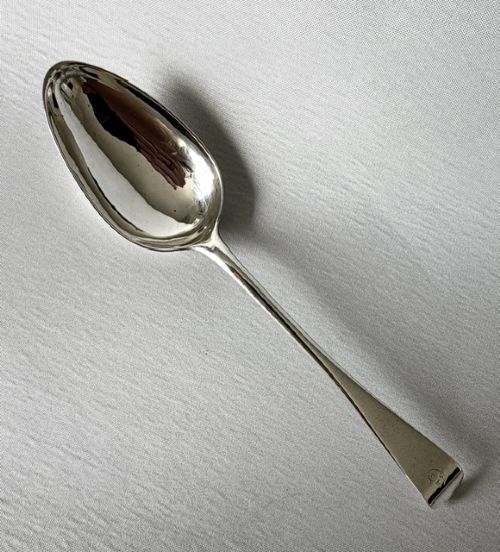
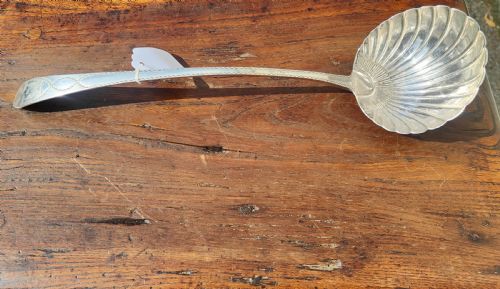
When you search for georgian antique flatware, you encounter functional serving spoons, large basting spoons, marrow scoops, ladles, and sugar tongs shaped during the eighteenth and nineteenth centuries.
The version most commonly met on this page is the individual serving spoon or ladle fashioned in sterling silver, often carrying hallmarks from London, Dublin, Edinburgh, Exeter, or Newcastle.
Makers working within the Georgian, Victorian, and later periods produced these utensils for daily dining and formal service, establishing patterns that survive in silver and silver-gilt.
Materials and Techniques
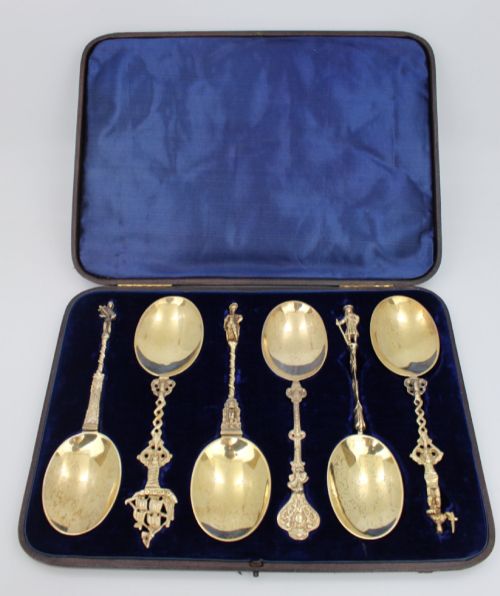
Silversmiths utilised sterling silver and silver-gilt, hammering and casting the metal before applying piercing, bright-cut engraving, or cast decorative motifs.
Certain utilitarian items pair silver with steel, while specialised cased sets incorporate fitted boxes lined with velvet or silk alongside felt.
A sturdy eighteenth-century pewter dog nose spoon sits quietly among the gleaming silver, recalling an earlier era of simple dining.
Evaluating the Metal
The weight of the silver and the crispness of the cast or engraved crests and patterns determine the distinction between ordinary utensils and exceptional examples.
Assay office marks, maker stamps, and the preservation of original bowl shapes and piercing distinguish pieces produced by prominent silversmith families from standard workshop output.
Deakin & Francis·Peter & Jonathan Bateman·Hester Bateman·John Pittar·Andrew Archer·John Walton·Hamilton & Inches·Edward Power·Jonathan Hayne·Peter & Anne Bateman
The Georgian Flatware Glossary
- Hallmark
- The official stamp applied by an assay office to indicate metal purity, origin, and year of testing. These tiny marks are essential for dating British silver accurately.
- Silver-Gilt
- Sterling silver that has been coated with a thin layer of gold. This technique provides the rich appearance of solid gold while utilising a silver base.
- Bright-Cut
- An engraving technique involving faceted cuts made with a sharp V-shaped graving tool. It creates geometric patterns that catch the light.
- Marrow Scoop
- A double-ended spoon with a narrow trough designed for extracting bone marrow. They date primarily to the eighteenth and nineteenth centuries.
- Berry Spoon
- A serving spoon whose bowl is later embossed and chased with fruit and foliage. These often date to the Georgian era with Victorian adaptations.
Georgian Flatware: Frequently Asked Questions
What is georgian antique flatware?
These items comprise spoons, ladles, tongs, and scoops forged primarily from sterling silver during the eighteenth and nineteenth centuries.
They represent the domestic dining habits of the period, executed by provincial and city silversmiths across Britain and Ireland.
How were these silver pieces used?
Diners utilised these utensils for serving soups, gravies, fish, marrow, and sugar at formal and household meals.
Larger basting and serving spoons managed heavy joints of meat, while smaller teaspoons and tongs handled tea service.
How do I date these items?
Assay office marks, maker stamps, and date letters stamped directly onto the silver reveal the exact year and city of manufacture.
Stylistic shifts, such as bright-cut engraving or specific handle contours, provide additional chronological markers.
Can I use them every day?
Sterling silver flatware is durable enough for regular dining provided it receives proper hand washing and careful storage.
Avoiding abrasive cleaners preserves the original hallmarks and delicate engraved details over generations of use.
What are berry spoons?
Berry spoons are large serving spoons featuring embossed fruit and leaf designs pressed into the bowl during the Victorian period.
Many started life as earlier Georgian spoons before receiving this decorative embellishment later in their history.