




Georgian Ale Mug
A georgian ale mug brings sturdy British tavern heritage straight to the table, offering tactile drinking vessels forged in silver, pewter and old Sheffield plate.
Georgian Ale Mug
A georgian ale mug represents historical drinking culture, spanning practical vessels intended for daily tavern use and finer silver presentations. Collectors encounter various capacities ranging from gills and pints up to substantial quarts, each serving distinct historical drinking customs.
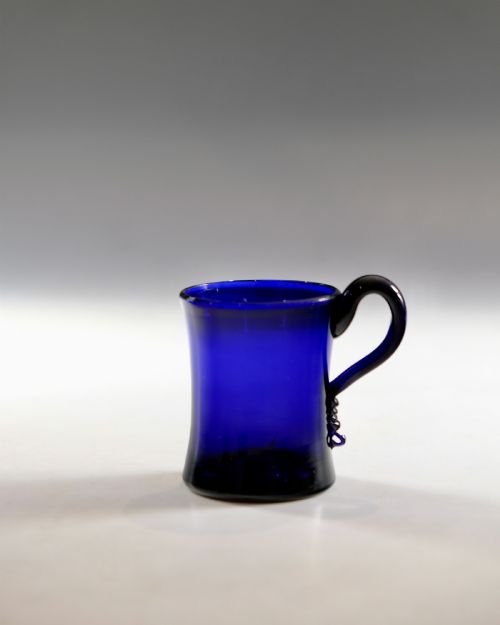
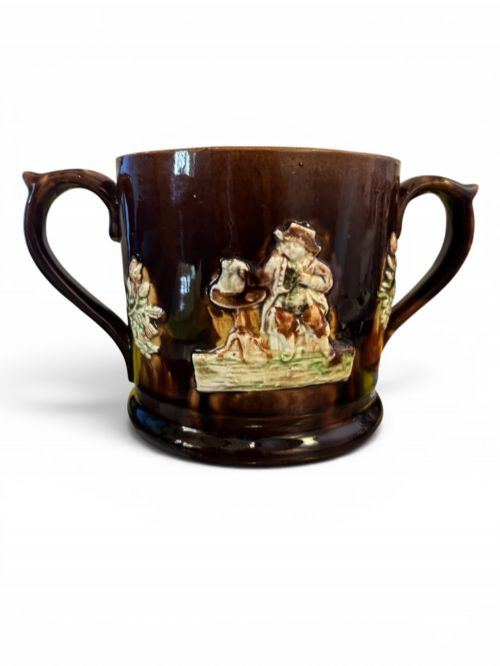
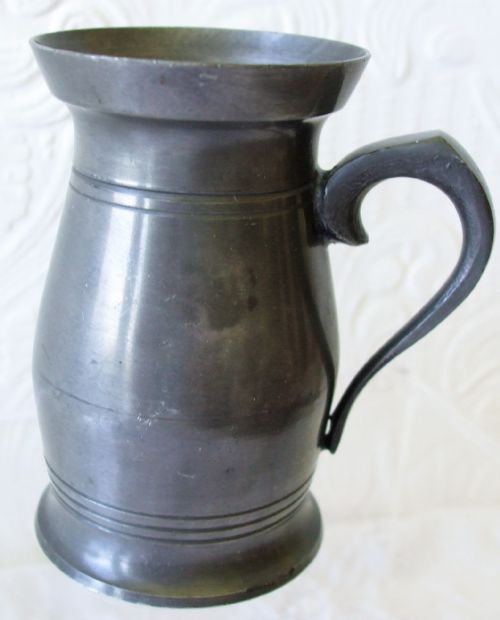
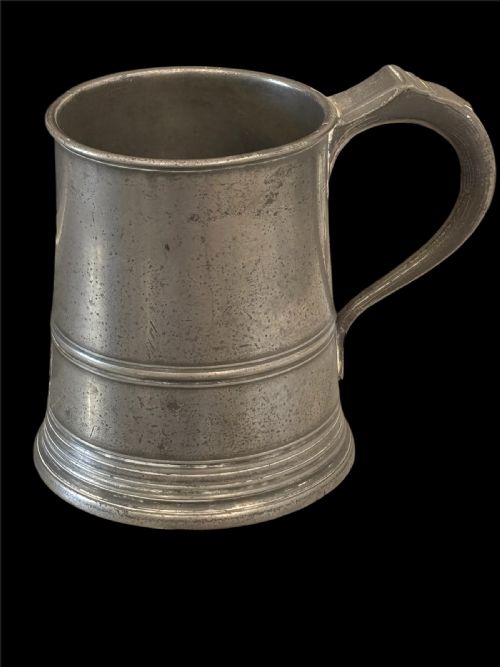
The material palette recorded in the listings encompasses solid silver, sterling silver, old Sheffield plate, pewter, copper, cobalt glass and earthenware. Pieces emerge primarily from the eighteenth and nineteenth centuries, including specific regional examples such as Irish pewter gill measures and English country pottery.
Tankards and mugs arrive in diverse configurations, from simple straight-sided pewter measures to lidded vessels and specialised items like surprise spitting mugs with internal frogs. This variety allows a buyer to select anything from a modest drinking vessel to an ornate silver display piece.
Materials and construction methods
Silversmiths and pewterers shaped molten or sheet metal using traditional hammers and lathes, often soldering handles securely to the main body. Pewter formulations combined tin with lead or copper to achieve durability, while silver vessels utilised sterling grades for structural integrity and visual lustre.
Old Sheffield plate pieces relied on fusing a thin layer of silver to a thicker copper base under heat, creating an accessible alternative to solid silver. Earthenware and glass items employed traditional ceramic throwing and glassblowing techniques, sometimes incorporating applied cobalt colouring or moulded details.
The documented periods span the eighteenth century, the broader Georgian era, nineteen-forties items and the nineteenth century.
Distinctions in quality
Quality rests upon the crispness of maker marks, the thickness of the metal sheet, and the integrity of the soldered joints connecting handles and bases. Superior examples maintain balanced proportions and clear hallmarks or touchmarks that verify the maker and metal standard.
The finesse of the surface finish and the preservation of original plating or patination distinguish finer items from heavily worn utilitarian pieces. Old Sheffield plate demonstrates quality through minimal base metal telegraphing, while pewter quality is judged by the weight and stability of the casting.
Richard Morton·Thomas Phillips I of London
The Georgian Ale Mug Glossary
- Old Sheffield Plate
- A composite material made by fusing a thin sheet of silver to a copper core. This technique predates modern electroplating and produces pieces with a warm, deep lustre.
- Pewter
- A malleable metal alloy consisting primarily of tin combined with copper, antimony or bismuth. It was widely utilised in the Georgian era for sturdy tavern tankards and domestic measures.
- Gill Measure
- A standardised historical unit of volume for liquids, often taking the form of a small pewter or metal mug. These vessels guaranteed accurate dispensing in public houses.
- Touchmark
- An official stamp or hallmark impressed into pewter by a member of a guild or a registered maker. These marks serve to identify the workshop and attest to the alloy quality.
- Quart
- A large liquid capacity measure equivalent to one quarter of a gallon. Quart tankards are among the heavier and more substantial drinking vessels found from the period.
Georgian Ale Mug: Frequently Asked Questions
What is a frog mug?
A frog mug is a novelty drinking vessel featuring a small ceramic frog moulded on the inside bottom. As the drinker finishes the ale, the hidden frog suddenly appears as a surprise.
These pieces were popular in British taverns for drinking games and practical jokes. They add a whimsical touch to a collection of traditional drinking vessels.
How do I clean antique pewter?
Antique pewter requires gentle cleaning with mild soap and warm water to preserve its aged surface and dark grey patina. Vigorous scrubbing or modern harsh metal polishes should be avoided.
Dry the vessel thoroughly with a soft cloth after washing. Maintaining a natural finish protects the historic character of the metal.
What is the difference between a mug and a tankard?
A tankard traditionally refers to a large drinking vessel fitted with a handle and frequently a hinged lid. Mugs generally describe open drinking vessels without lids, though historical terminology often overlaps.
Both forms served ale in domestic and commercial settings throughout the eighteenth and nineteenth centuries. The presence of a lid often signifies a higher status or a desire to keep contents covered in busy taverns.
How do I identify old Sheffield plate?
Old Sheffield plate can often be identified by examining the edges and seams where the underlying copper core shows through a thin silver layer. This layered sandwich construction differs from solid silver and modern electroplated wares.
Makers working in this technique produced durable tableware that mimics solid silver at a different weight and cost. Inspecting the wear patterns reveals the characteristic copper tint underneath.