




Antique Copper Beer Mug
An antique copper beer mug is a robust vessel forged for hearty toasts, bringing centuries of tavern history straight to your table.
Antique Copper Beer Mug
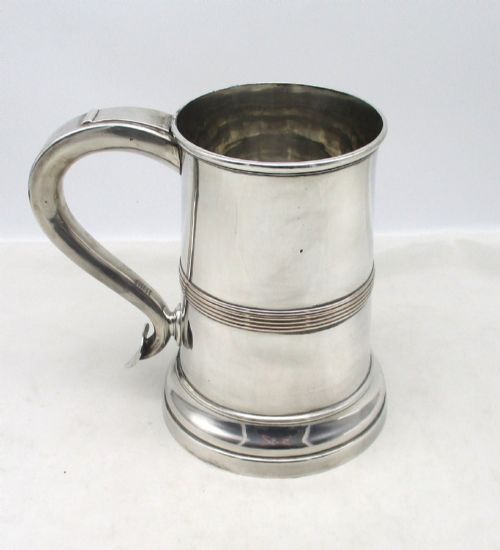
When you search for an antique copper beer mug, you encounter drinkware designed for substantial draughts and social gatherings. The examples gathered here span the Georgian era, the eighteenth century, and around eighteen hundred, capturing a time when metal drinking vessels dominated the tavern and the home. You will frequently find pieces designated as tankards or mugs, built with sturdy handles for a firm grip.
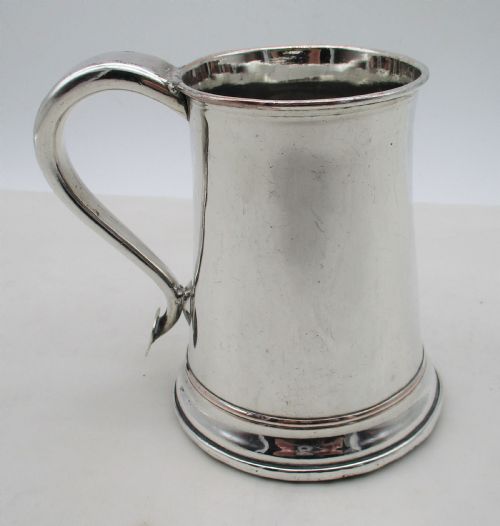
The dominant material presence extends into Old Sheffield plate, silver plate, and nickel-plated copper variations. These vessels take the form of pint tankards, quart tankards, and lidded tankards intended for keeping ale securely covered. The origins trace firmly to English workshops of the period, maintaining the practical barware traditions of past centuries.
Materials and methods
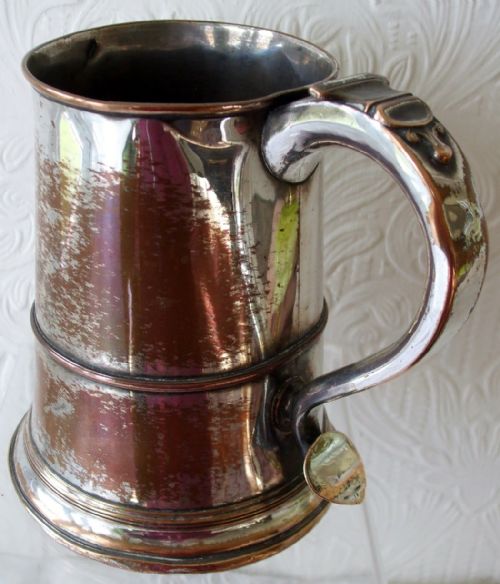
Makers formed these drinking vessels primarily from copper, often combining it with other metals to alter the exterior appearance and durability. The technique of Old Sheffield plating fused a thin layer of silver onto a copper core, giving the visual impression of solid silver while retaining the strength of base metal. Nickel plating also appears on certain ale tankards from the late eighteenth and early nineteenth centuries to provide a bright, protective finish.
Construction relied on heavy hammering and soldering to ensure the bodies held liquid without leaking, while handles were securely fastened to withstand daily use. The interplay between the copper base and the plated exterior defined the manufacturing process of the period, balancing utility with decorative presentation.
These sturdy vessels were built to survive rowdy eighteenth-century tavern brawls, proving that good copper is practically indestructible.
Defining craftsmanship
Quality in these drinking vessels rests upon the crispness of the plating and the integrity of the soldered joints connecting the body and handle. A superior piece maintains an even distribution of the silver layer over the copper substrate, showing minimal wear on high-friction areas like the rim and base. The weight of the metal and the balance of the handle dictate whether a tankard feels substantial in the hand.
Proportion and capacity markings also distinguish finer examples, where pint and quart volumes are housed in well-proportioned cylindrical or slightly tapered bodies. Pieces bearing maker attributions demonstrate an extra level of workshop pride, elevating standard barware into collectible heritage objects.
Richard Morton
The Antique Copper Beer Mug Glossary
- Old Sheffield Plate
- A composite material made by fusing a sheet of silver to a thicker copper ingot, invented in the eighteenth century. This method allowed makers to produce luxurious tableware at a lower cost than solid silver.
- Tankard
- A tall, cylindrical drinking vessel featuring a single handle, frequently outfitted with a hinged lid. They were standard equipment for serving ale and beer in homes and public houses.
- Pint
- A unit of liquid capacity corresponding to one eighth of a gallon. Pint tankards provided a standard individual serving for daily consumption.
- Quart
- A liquid measure equal to two pints or one quarter of a gallon. Quart tankards served larger portions for sharing or heavy drinkers.
- Barware
- Utensils and vessels utilised for the serving and consumption of alcoholic drinks. This category covers the mugs and tankards found in taverns and domestic dining rooms.
Antique Copper Beer Mug: Frequently Asked Questions
What is an antique copper beer mug?
An antique copper beer mug is a historical drinking vessel created for consuming ale during the Georgian era and the eighteenth century. These items were built from base metals and often plated with silver or nickel for enhanced appearance.
They served as practical drinking vessels in homes and taverns, designed to handle daily use while providing a sturdy grip for the user.
How do I date an antique tankard?
Dating relies on stylistic markers, manufacturing techniques like Old Sheffield plating, and historical proportions typical of the eighteenth and early nineteenth centuries. Examining the method of handle attachment and plating wear also helps place the object in time.
Most pieces from this era reflect Georgian design sensibilities, featuring clean cylindrical lines and robust soldered joints.
Were these mugs used daily?
These vessels saw active service in homes, inns, and public houses for serving hearty portions of beer and ale. Their heavy construction ensured they could withstand the rigours of frequent social gatherings.
Over decades of use, many developed subtle wear patterns that reveal their history of handling and cleaning.
What is Old Sheffield plating?
Old Sheffield plating is an early technique where a thin sheet of silver is fused onto a copper base through heat and pressure. This created durable vessels that looked like solid silver without the prohibitive expense.
Over long periods of use, the underlying copper may peek through the silver layer, which collectors view as a sign of authenticity.
How should I clean my tankard?
Cleaning requires mild soap and warm water with a soft cloth to preserve any historical silver or nickel plating. Avoid harsh abrasive cleaners that can strip the metallic finishes.
Dry the vessel thoroughly after washing to prevent moisture spots from forming on the copper and plated surfaces.