
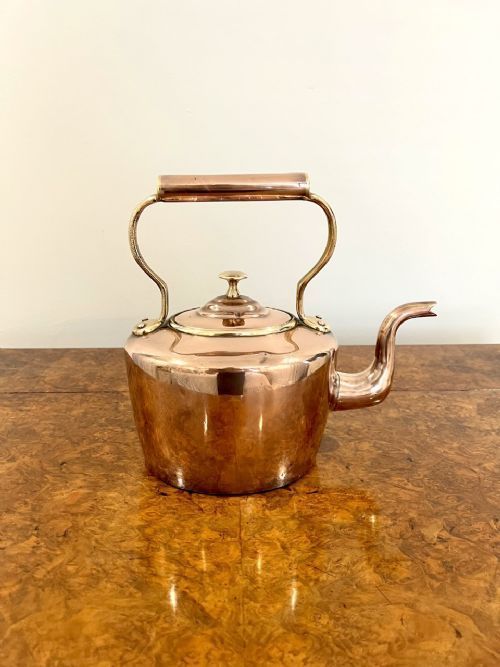


18th Century Copper Vessel
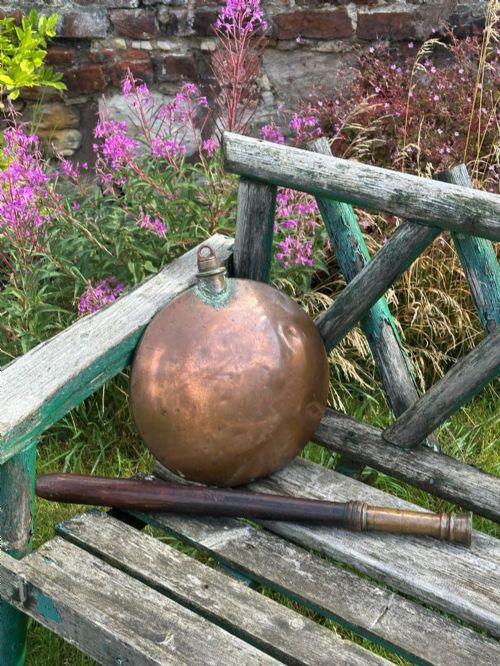
An 18th century copper vessel is a utilitarian or decorative container forged in base metal during the Georgian period, sought after for domestic utility and period interiors.
18th Century Copper Vessel
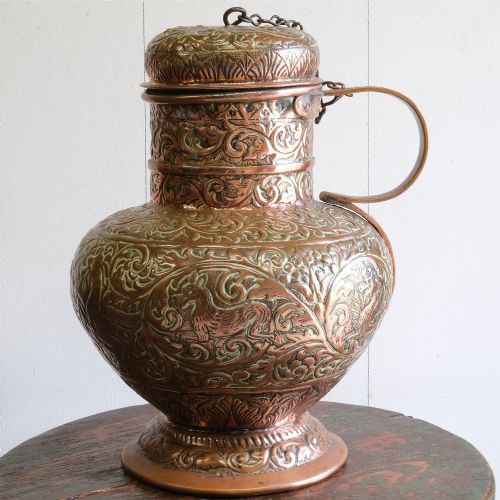
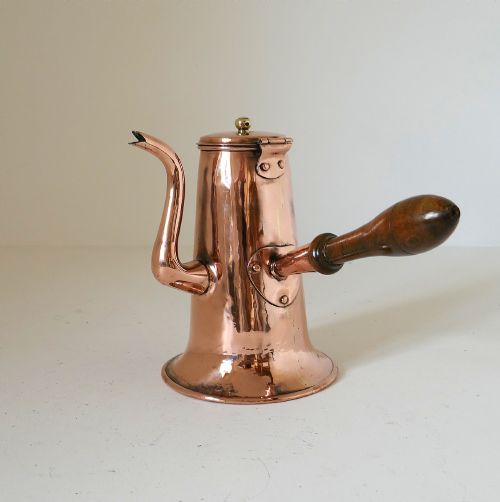
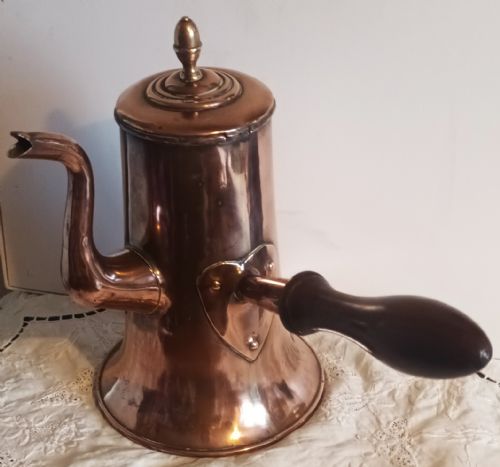
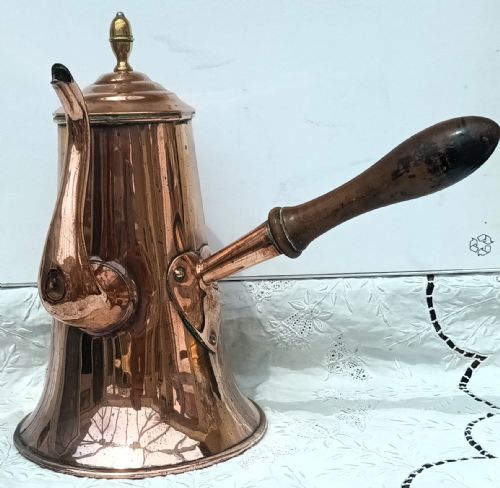
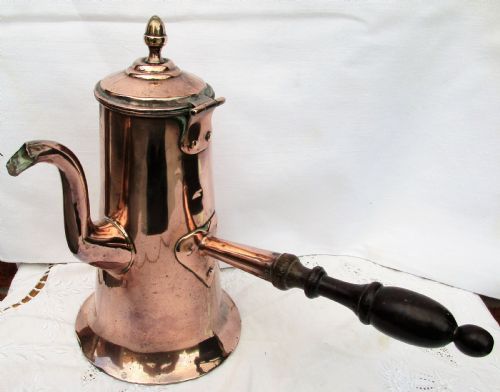
An 18th century copper vessel encompasses a wide range of domestic and serving forms, with kettles, coffee pots, jugs, pitchers, and tankards dominating the selection. Buyers encounter Georgian pieces alongside examples from Indo-Persian, Italian, and Qing dynasty traditions.
The domestic kitchen and hearth supply the most common utilitarian forms, such as cooking pots, water urns, cream setting pans, and warming pans. Larger vessels include wine cisterns and ritual ewers, reflecting diverse household and ceremonial uses across different regions.
How they were made
The primary material is copper, frequently paired with brass for handles or mounts, and occasionally combined with wrought iron, oak, or silver. Metalworkers shaped these pieces through hammering and joining, sometimes applying Old Sheffield plate or nickel plating to the surface.
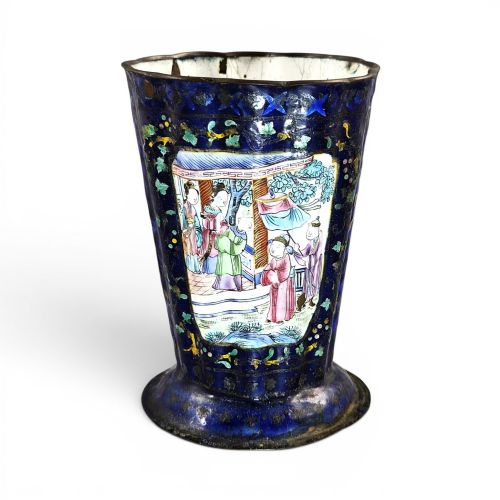
Engraving and enamel work appear on select pieces, such as Chinese Canton enamel or engraved Persian ritual containers. Handles incorporate organic elements like wood alongside sturdy metal fittings to manage heat during everyday kitchen use.
Materials across the selection include copper, brass, wood, silver, Old Sheffield plate, wrought iron, iron, and oak.
What varies in quality
Quality rests in the heaviness of the gauge and the integrity of the original construction, distinguishing robust domestic utensils from lighter items. Superior pieces retain crisp hammering marks and original handles without intrusive later alterations.
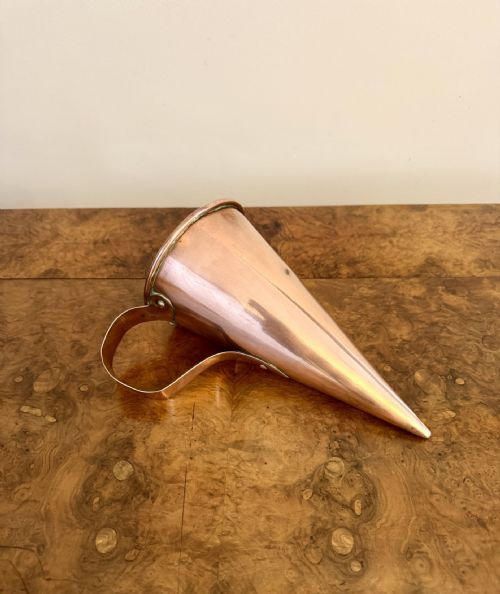
The distinction between standard kitchenware and finer decorative vessels lies in the finish and surface enrichment, such as precise engraving on measures or specialised enamel decoration on imported pieces.
William Soutter & Sons·Richard Morton
The 18th Century Copper Vessel Glossary
- Old Sheffield plate
- A composite material formed by fusing a sheet of silver to a base of copper. This technique allowed makers to produce items with the appearance of solid silver at a lower cost.
- Warming pan
- A lidded metal container filled with hot embers and passed over bedsheets to warm them. These pieces typically feature long wooden handles for safe operation.
- Wine cistern
- A large vessel designed to hold iced water for chilling wine bottles or glasses during formal meals. Italian examples in copper often double as table bowls or jardinieres.
- Samovar
- A heated metal container traditionally used to boil water for tea. Georgian examples employ internal chimneys or heating tubes.
- Cream setting pan
- A shallow domestic vessel used in dairies to allow cream to rise to the surface of milk. These wide pans provide maximum surface area.
18th Century Copper Vessel: Frequently Asked Questions
What is an 18th century copper vessel used for?
These items served practical roles in Georgian households for boiling water, brewing coffee, heating milk, or storing liquids. Many functioned around the kitchen hearth or dining table.
Today, collectors acquire them primarily for display in period interiors or rustic kitchens, valuing their warm metallic tones.
How do I clean an antique copper vessel?
Gentle washing with warm soapy water removes surface dust and grime without harming the underlying metal. Avoid harsh abrasive cleaners that strip away historical patina.
Many collectors prefer to leave the natural oxidation and age marks intact rather than polishing the surface to a bright shine.
How can I tell a George III piece apart?
Items from the George III period often exhibit specific proportional traits and handle attachments characteristic of late Georgian metalwork. Makers frequently applied sturdy brass mounts and riveted handles.
Matching the construction details against documented regional styles helps confirm the approximate date of manufacture.
Are these vessels safe for daily food use?
Most antique metalware intended for cooking or beverage service was originally lined with tin to prevent direct contact with copper. Over centuries, this protective interior lining often wears away.
For this reason, collectors generally treat these pieces as decorative display objects rather than functional kitchenware.