




Antique Metalware Jug
When you search for an antique metalware jug, you are looking at centuries of functional pouring vessels forged in copper, brass, pewter, and bronze.
Antique Metalware Jug
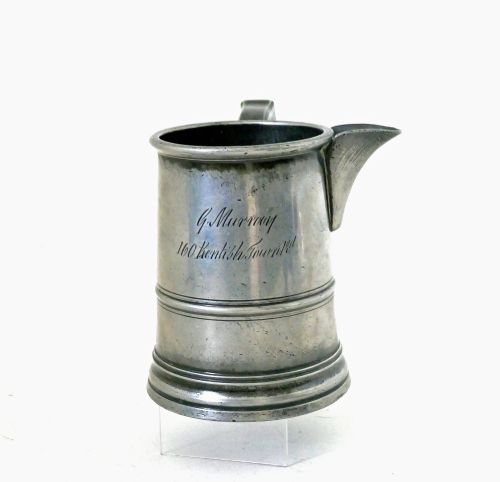
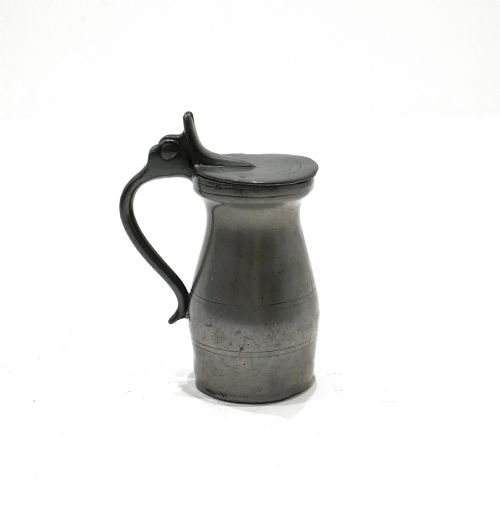
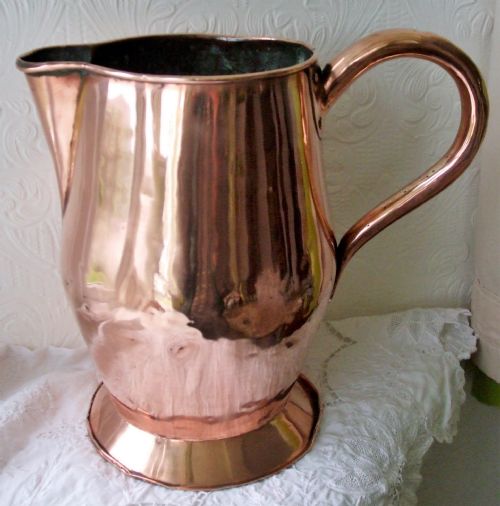
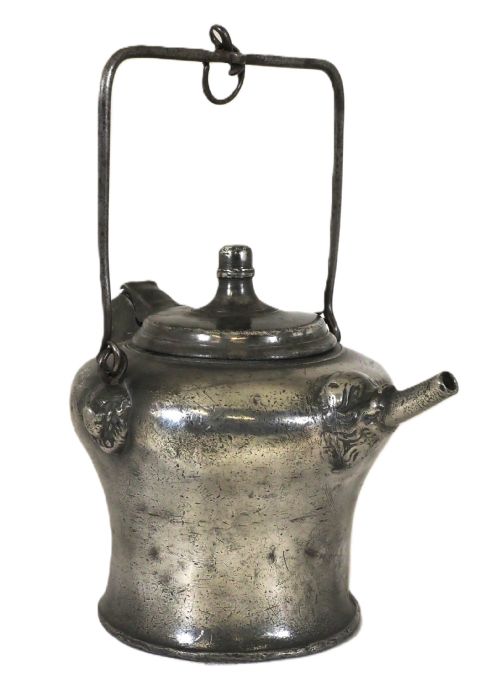
An antique metalware jug encompasses utilitarian tavern measures, decorative ewers, and heavy-duty copper pitchers originating primarily from the eighteenth and nineteenth centuries. These vessels served practical roles in domestic service, alehouses, and farmhouses before becoming collected items of decorative metalwork. You will frequently encounter graduated sets of copper measuring jugs alongside lidded pewter flagons and spirit measures.
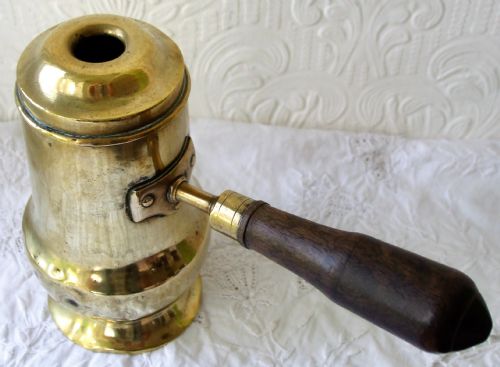
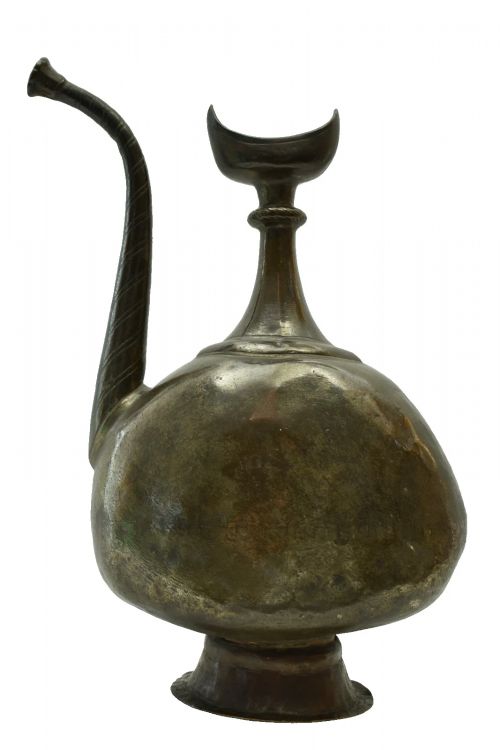
The regional and domestic origins of these items vary widely, stretching from English coaching inns to Scottish burghs, Jersey workshops, and continental European foundries. Forms range from spouted spire flagons and tappit hens to slender chocolate pots and Islamic aftabas. Buyers seeking these items appreciate both their honest utility and the tactile weight of period metal.
Makers utilised resilient alloys and sheet metals to shape vessels designed for daily hauling, measuring, and serving liquids. Whether formed as a simple lidless noggin or an ornate silvered art nouveau pitcher, each object carries the physical marks of its period of manufacture.
How they were made
Makers fashioned copper jugs and measures from heavy gauge sheet metal, joining seams with dovetails or brazing before hammering the body into shape on a stake. Brass and bronze examples often relied on casting techniques, producing thicker walls and crisper decorative relief on handles and finials.
Pewter vessels were cast in moulds and subsequently turned on a lathe to smooth the surface, utilising a tin alloy mixed with lead, copper, or antimony depending on the desired rigidity. Silversmiths and platers later applied thin layers of silver onto base metals through early electrotyping or old Sheffield plating methods to simulate solid silver.
Listings feature eighteenth and nineteenth-century materials including copper, pewter, brass, and silver plate.
What varies in quality
The standard of a metalware jug rests upon the crispness of its original casting, the thickness of the gauge metal employed, and the integrity of its soldered or dovetailed joints. Superior pieces retain their original unpolished surfaces, legible maker stamps, and untouched capacity marks without excessive distortion from heavy use.
Proportion and design execution separate utilitarian workshop output from accomplished period examples. Finer jugs display well-balanced handles, secure mounts, and deliberate decorative engraving rather than crude repairs or mismatched replacement parts.
Joseph Sankey·Henry Bourne·Robert Iles·WMF·Orme Evans And Co·Maison Christofle
The Antique Metalware Jug Glossary
- Tappit hen
- A traditional Scottish pewter measuring jug featuring a distinctive lid with a knob or tap resembling a nesting hen. These vessels held specific liquid capacities such as the Scots pint.
- Spire flagon
- A tall, tapering English pewter drinking or sacramental vessel topped by a steep, pointed lid assembly. They date predominantly to the eighteenth century.
- Ewer
- A large ornamental jug with a wide spout and a curved handle, traditionally designed for hand washing or wine pouring. They appear in bronze, brass, and silver-plated copper.
- Old Sheffield plate
- A composite material formed by fusing a sheet of silver to a thicker copper base under heat and pressure. Makers utilised this method before the advent of electroplating.
- Noggin
- A small drinking cup or measure holding a quarter of a pint. Jersey and English makers produced these in pewter and copper for spirit consumption.
Antique Metalware Jug: Frequently Asked Questions
What were antique metalware jugs used for?
These vessels served practical roles in domestic households, taverns, and farmhouses for measuring, boiling, and serving liquids like ale, cider, milk, and hot water.
Larger graduated sets managed bulk storage and tavern distribution, while smaller flagons and measures handled individual portions of spirits.
How do I clean and care for antique metalware?
Keep metalware dry and dust it gently with a soft cloth to protect the natural patination built up over centuries of handling and exposure.
Avoid harsh commercial metal polishes that strip away historical surface texture, especially on softer copper, brass, and pewter surfaces.
How can I tell pewter from other metals?
Pewter has a dull, matte grey appearance and a softer density compared to brighter copper, brass, or plated steel items found in domestic settings.
Examining the underside often reveals touchmarks, capacity stamps, or makers' initials characteristic of eighteenth and nineteenth-century guilds.
What is a tavern measure?
A tavern measure is a standardised pouring vessel stamped by local authorities to guarantee accurate liquid volumes for public house customers.
These pieces typically display capacity verification marks such as crown ciphers alongside the maker's details on the rim or handle.