

George V Sterling Silver
George v sterling silver brings together early twentieth-century domestic tablewares, desk items and dressing accessories made under the standard alloy rules.
George V Sterling Silver
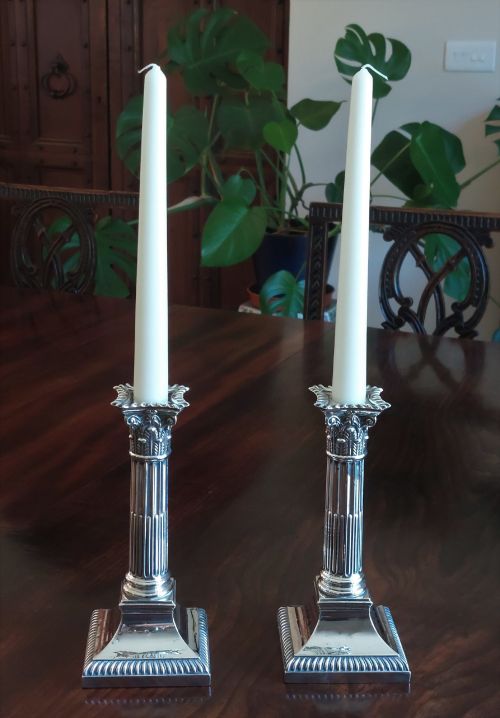
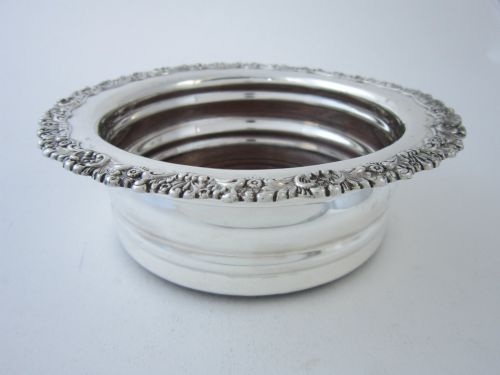
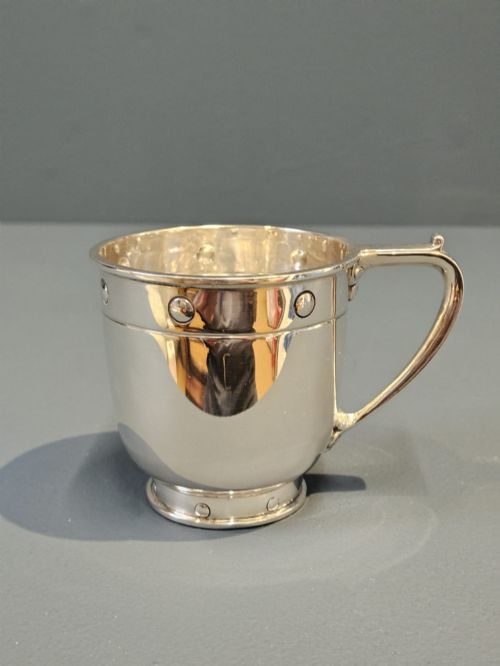
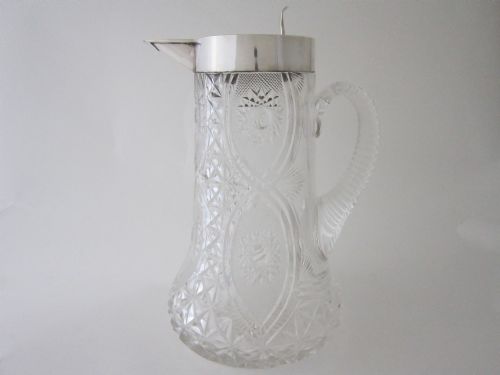
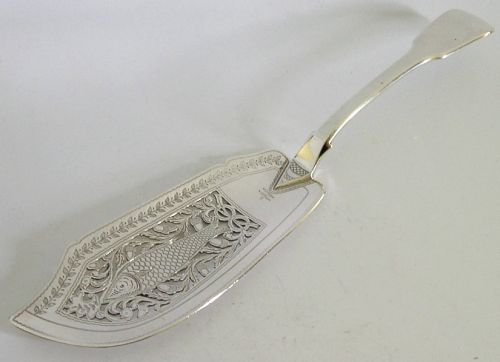
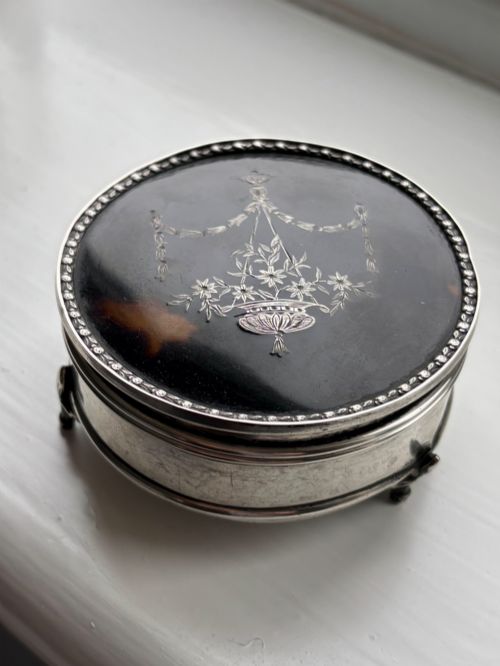
When searching for george v sterling silver, buyers encounter functional and decorative items produced during the reign spanning from nineteen-ten to nineteen-thirty-six. The selection includes tableware elements such as napkin rings, cream jugs, wine coasters, tea caddies, and mugs alongside personal accessories like photograph frames, trinket boxes, and dressing table items.
While the era is defined by the early twentieth century, items on this page frequently bridge adjacent periods, incorporating Georgian aesthetics alongside Edwardian and Art Deco influences. Makers adapted historical forms to contemporary domestic needs, producing utilitarian silver that suited formal dining and dressing rituals.
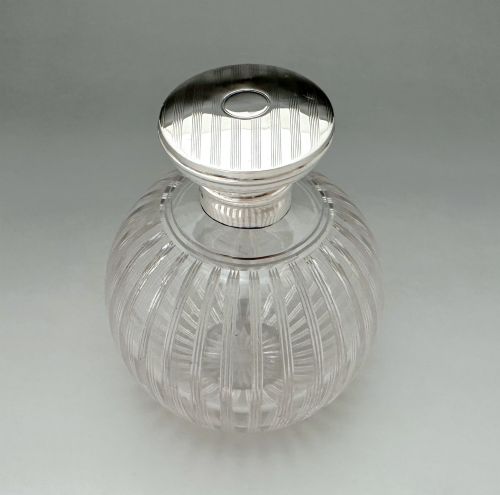
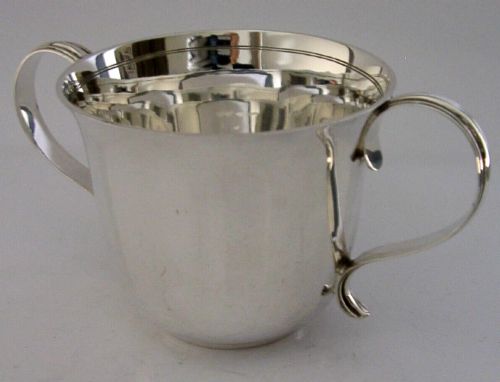
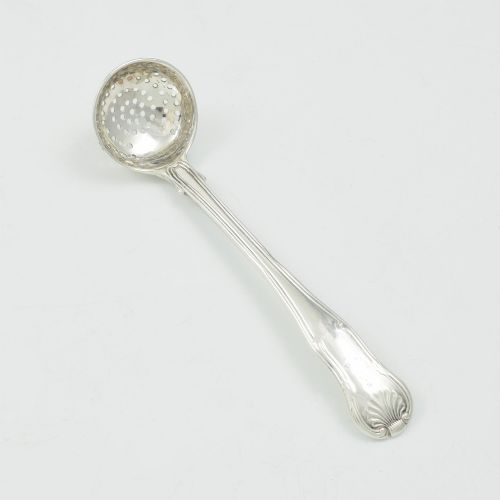
The objects vary from heavy christening tankards and salvers to small novelty pieces like spice sifter spoons and perfume bottles. Collectors select these items for daily utility, display, or their specific assay office hallmarks indicating provincial or metropolitan manufacture.
Materials and manufacturing methods
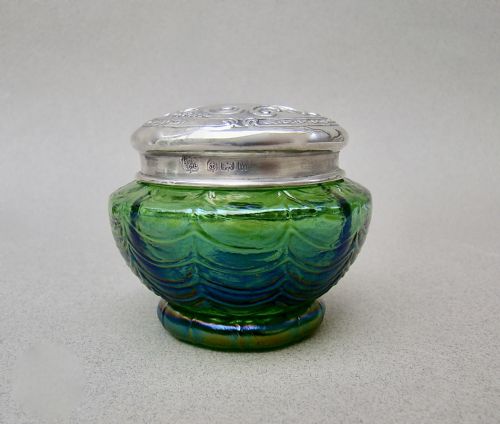
Objects listed under george v sterling silver rely fundamentally on the ninety-two point five percent silver standard alloy, frequently combined with supplementary materials such as cut glass, wood, velvet, agate, mother-of-pearl, and faux tortoiseshell. Smithing techniques range from traditional hand-raising and casting to machine-assisted rolling and pressing for items like photograph frames and napkin rings.
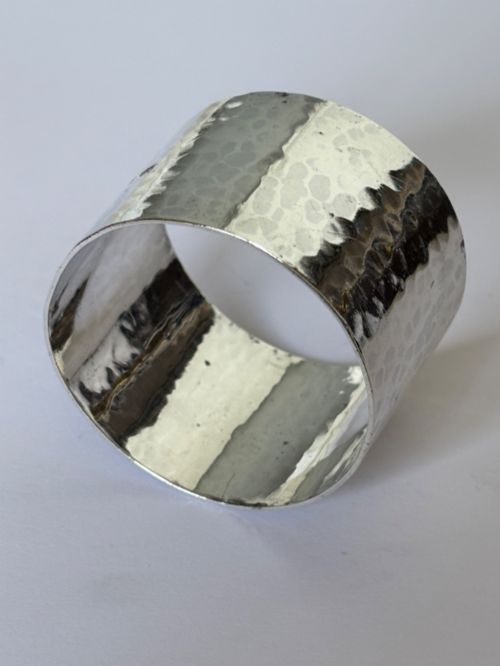
Surface finish is a primary attribute of manufacture, with many pieces displaying either a high polish or the distinct hand-beaten texture of the Arts and Crafts movement, known as planishing. Silversmiths applied chasing, embossing, and piercing to decorate surfaces, while structural elements were joined through soldering and mechanical fittings.
A tiny silver rabbit serves as a napkin ring, guarding the table linens.
Factors determining quality
Quality in these silver pieces rests on the weight of the metal relative to the object's scale, the crispness of the maker's mark and assay office punches, and the complexity of the design. Heavier gauges of silver resist denting and retain structural integrity during daily use, distinguishing robust domestic ware from lighter, mass-produced items.
The integration of secondary materials, such as heavy cut glass liners in inkwells or genuine tortoiseshell and agate in boxes, indicates higher tier production. Superior execution is also evident in hand-finished chasing, clean solder joints, and the involvement of noted workshops and silversmiths.
A. J. Pepper & Co·Barker Bros·Albert Edward Jones·Joseph Willmore·Ollivant & Botsford·Thomas Johnson·Robert Hennell·Digby Scott Benjamin Smith·Francis Webb·Joseph Gloster Ltd·Henry George Murphy·William Hutton & Sons·Peter and Anne Bateman·Samuel Pemberton·Joseph Taylor·Phipps Robinson·John Thornton·Thomas Tookey·Orlando Jackson
The George V Sterling Silver Glossary
- Sterling silver
- An alloy consisting of ninety-two point five percent silver by weight and seven point five percent other metals, usually copper, to increase durability. This standard has been legally regulated in Britain for centuries.
- Hallmark
- A series of official marks stamped on precious metal items indicating the maker, the assay office, the purity standard, and the year of manufacture. These stamps allow collectors to trace the exact provenance of a piece.
- Planished
- A surface texture created by hammering metal with a polished round-faced hammer, leaving small, controlled facets across the silver. This technique is characteristic of Arts and Crafts metalwork.
- Caddy spoon
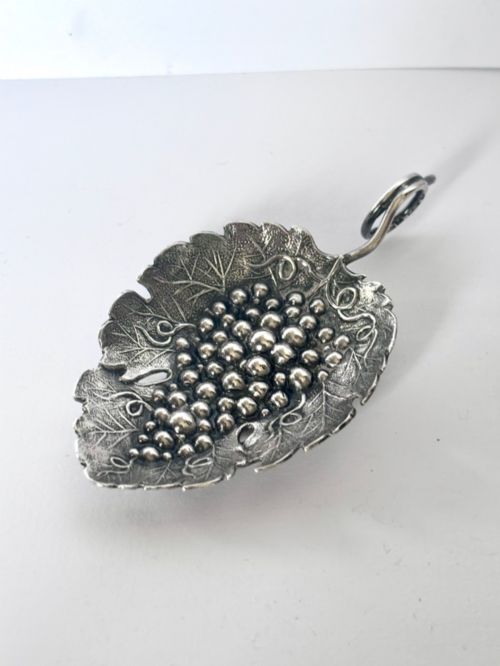
- A small specialised spoon used for measuring loose tea leaves from a caddy into a teapot. They often feature figural bowls shaped like leaves, shells, or hands.
- Vinaigrette
- A small ornamental box containing a sponge soaked in aromatic vinegar, used during the eighteenth and nineteenth centuries to combat unpleasant odours. The internal grille is typically pierced and engraved.
- Salver
- A flat, round serving tray raised on feet, used for presenting letters, glasses, or calling cards. Early examples often feature shaped or cast borders.
George V Sterling Silver: Frequently Asked Questions
How do I clean antique silver?
Clean silver using a gentle, non-abrasive cream polish applied with a soft cloth, following the contours of the metal rather than rubbing in circles. Wash the piece in warm soapy water afterwards to remove chemical residue and dry it thoroughly with a lint-free towel.
Avoid soaking items that contain organic secondary materials like wood, velvet, mother-of-pearl, or tortoiseshell, as moisture can damage these components permanently.
What does sterling silver mean?
Sterling silver refers to an alloy comprising ninety-two point five percent pure silver and seven point five percent other metals, typically copper. Pure silver is too soft for practical items, so the addition of copper provides the necessary hardness for durability while maintaining the precious metal's colour.
British items made to this standard are stamped with a lion passant alongside other assay marks confirming their purity.
How do I date a silver piece?
Dating a silver object involves reading the hallmarks stamped into the metal, which typically include a maker's mark, a standard mark, an assay office symbol, and a date letter. Each assay office used a specific sequence of fonts and shield shapes to correspond to individual years.
Comparing the stamp style against established punch registers reveals the exact year the item was tested and hallmarked.
Were these items used daily?
Many George V silver objects, including napkin rings, christening mugs, dressing table boxes, and cream jugs, were manufactured specifically for regular household routines. Wealthier households utilised them across dining, writing, and grooming tasks as standard domestic inventory.
Over decades of handling, these pieces acquired minor surface wear that reflects their active service in period homes.