




Vintage Thread Holder
These vintage thread holder pieces keep sewing cottons and silk skeins neat, offering both practical utility and fine craftsmanship for any collection.
Vintage Thread Holder
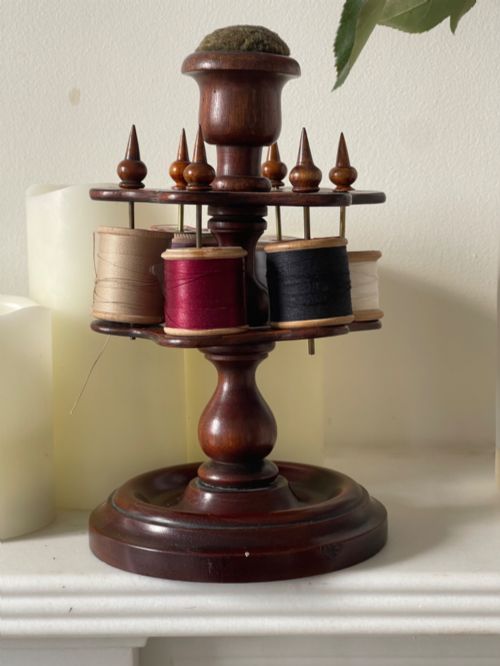
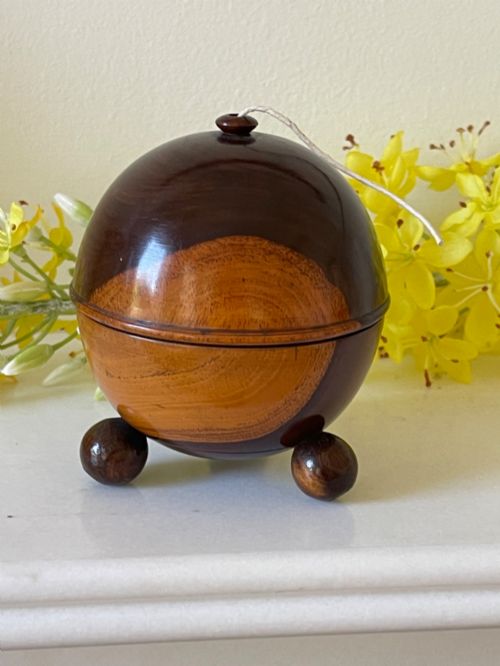
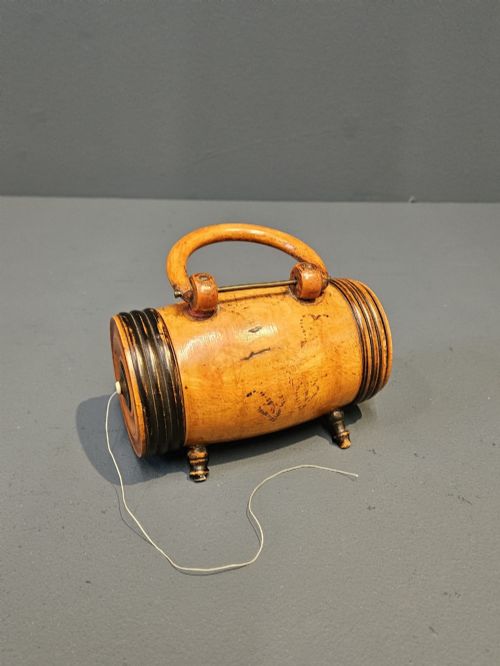
A vintage thread holder serves as a neat vessel for sewing cottons, silk skeins, and twine, keeping threads untangled during needlework. You meet various forms ranging from small desktop accessories to larger retail display stands and haberdashery cabinets.
The selection includes pieces from the Georgian, Victorian, and Edwardian periods alongside items dated around 1850, 1900, 1910, and 1920. Makers utilised materials like sterling silver, glass, mahogany, boxwood, rosewood, and mixed wood inlay to fashion these sewing accessories.
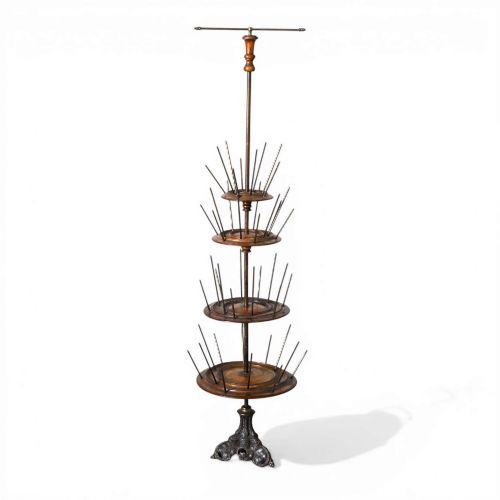
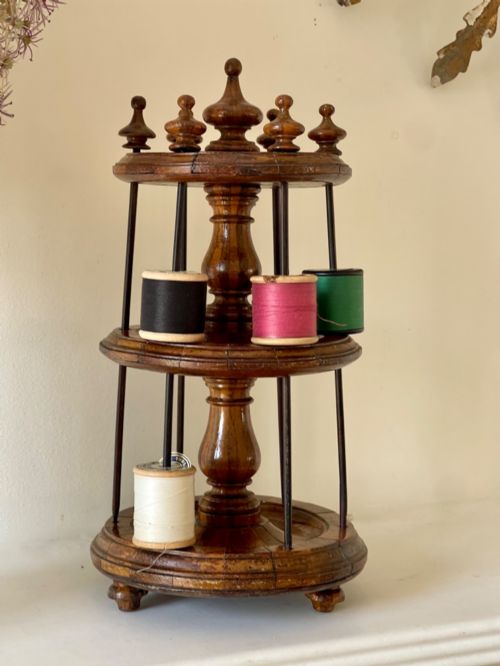
Smaller examples comprise silk skein holders, sewing clamps, and dressing table sets, while shop fittings include cotton reel display trees and multi-tiered stands. Each object reflects the domestic and commercial sewing habits of past centuries.
How they were made
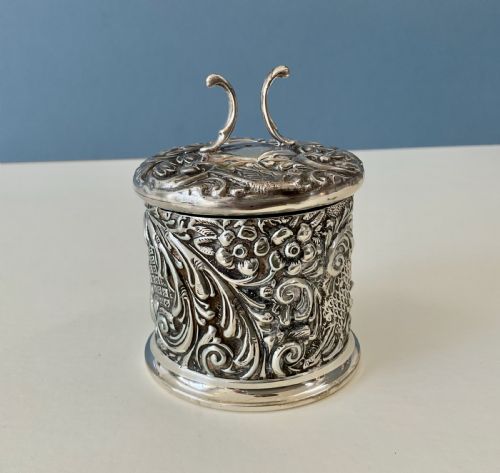
Silversmiths worked sterling silver into pierced floral scrollwork and fitted mounts, sometimes combining glass bodies with silver rims for match strikers and thread keepers. Ebony and other dense hardwoods were shaped for dressing table sewing sets and string boxes.
Vintage Thread Holder Retail Price Guide 2026
Typical asking prices for vintage thread holder among the pieces listed under this phrase on Sellingantiques today, from the lower quarter to the upper quarter. They describe what is for sale here now, not the wider market.
Cotton reel display trees let you stack your sewing threads high like miniature festive pines.
What varies in quality
Finer examples show intricate pierced metalwork and precise woodturning, whereas simpler utility items rely on plain surfaces and robust construction. The complexity of inlay work and the crispness of decorative scrolls separate standard workshop output from exceptional pieces.
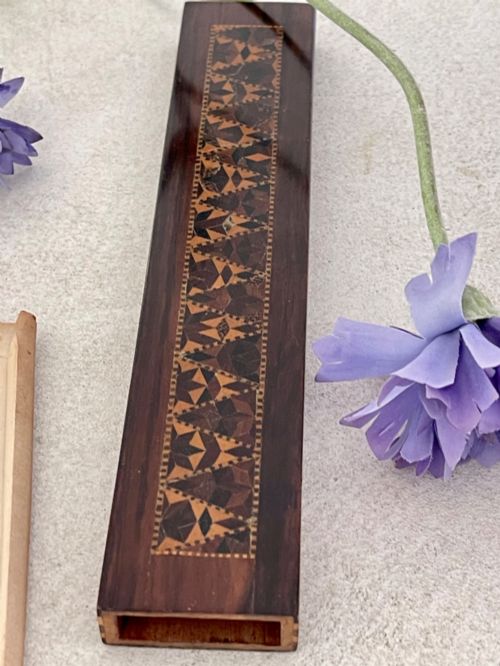
Condition depends on the survival of original tiers, matching components, and delicate wooden elements like Tunbridge Ware tesserae. Sterling silver mounts with clear hallmarks and intact glass reservoirs hold greater appeal than heavily worn or mismatched equivalents.
Ermen and Roby
The Vintage Thread Holder Glossary
- Tunbridge Ware
- Woodware decorated with mosaic patterns formed from tiny coloured wood blocks. This meticulous technique created detailed pictorial designs on boxes and sewing clamps.
- Treen
- Small handmade wooden objects for domestic use. These items display traditional turning and joinery skills from past centuries.
- Silk Skein Holder
- A device designed to store and dispense lengths of silk thread without tangling. They appear in various turned wood and inlaid formats.
- Match Striker
- A receptacle with a textured striking surface for lighting matches. Many period examples combine threaded glass bodies with sterling silver collars.
- Haberdashery Cabinet
- A shop fixture or small chest fitted for storing sewing notions and threads. These pieces served commercial displays as well as private sewing rooms.
Vintage Thread Holder: Frequently Asked Questions
How do I date a thread holder?
Dating relies on stylistic clues, materials, and official hallmarks found on silver components. Georgian and Victorian pieces often feature elaborate turned wood or Tunbridge Ware mosaic work.
Later Edwardian and George V items frequently incorporate sterling silver mounts or display cleaner, simpler lines suited to dressing tables.
Where were these holders used?
These items served both domestic dressing tables and commercial retail environments. Smaller clamp sets and skein holders sat in private sewing rooms for needlework.
Larger cotton reel display stands and haberdashery cabinets functioned as shop fittings in 19th-century stores to showcase sewing cottons to customers.
What woods appear in these pieces?
Artisans utilised a variety of timbers including mahogany, boxwood, rosewood, and ebony. Turned wood techniques shaped these materials into reel stands, string boxes, and sewing clamps.
Mixed wood inlay and mosaic tesserae frequently decorated the surfaces of Tunbridge Ware sewing accessories.