






George V Silver Case
When you search for a george v silver case, you enter a diverse field of pocket and desk accessories forged during an era of distinct metallurgical craft.
George V Silver Case
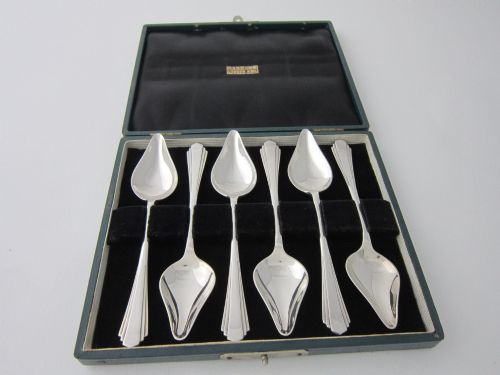
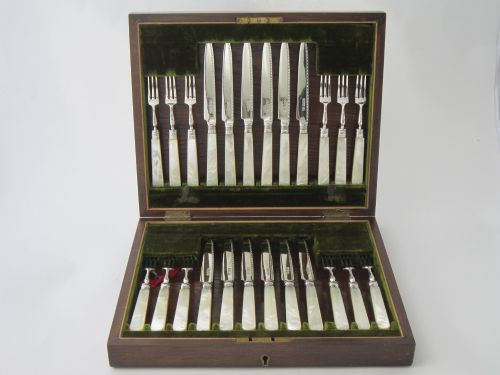
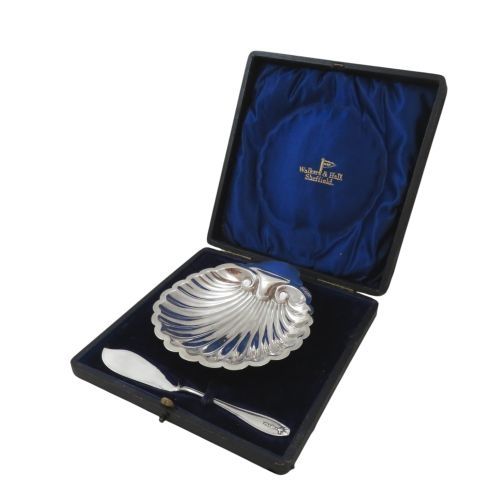
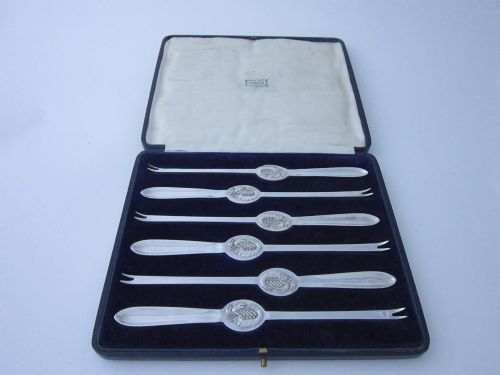
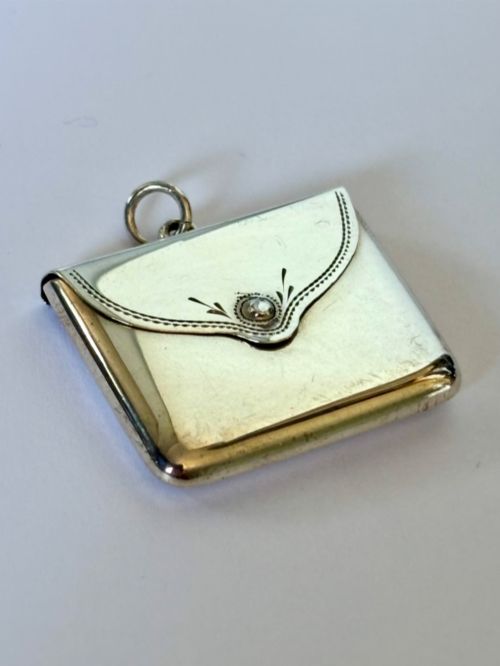
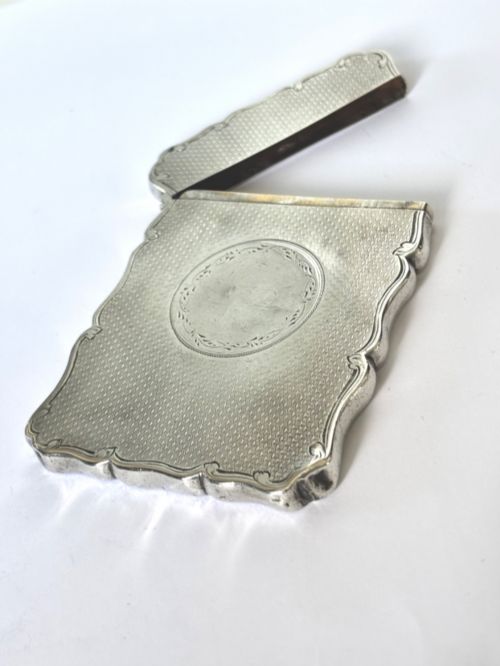
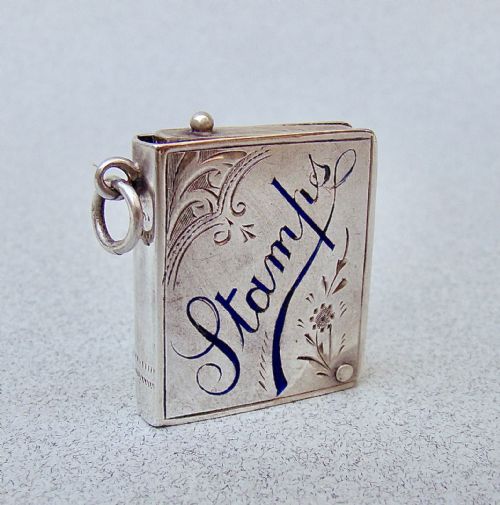
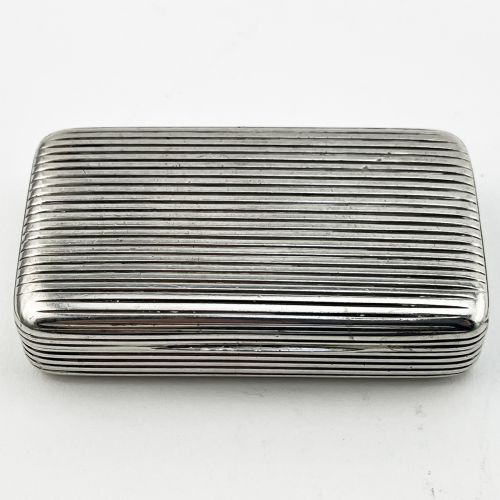
A george v silver case encompasses small portable containers designed for tobacco, currency, matches, stamps and calling cards, alongside fitted presentation boxes that housed items such as cutlery and cruet sets.
The objects frequently date from the early decades of the twentieth century, aligning with the reign of George V, though related forms extend into the Georgian, Victorian and George VI periods.
Pocket-sized vesta cases, sovereign holders and cigarette card cases dominate the physical inventory, reflecting the personal habits and administrative needs of the period.
How they were made
Sterling silver forms the primary structural medium, shaped through pressing, casting and hand-engraving by silversmiths working largely in Birmingham, London and Chester.
Makers integrated secondary elements such as velvet, silk, glass, leatherette, leather, enamel and mother-of-pearl to line interiors, accent exteriors or protect fragile contents.
Engine-turning and guilloche enamel techniques provided repetitive geometric decoration across flat and curved metal surfaces.
Object forms include vesta cases, sovereign holders, stamp boxes, napkin rings and condiment sets produced by regional silversmiths.
What varies in quality
The weight of the sterling silver and the crispness of engine-turned or hand-engraved surface patterns distinguish standard commercial output from more substantial commissions.
The integrity of internal linings, including fitted silk, velvet or leather, contributes significantly to the preservation status of any given box or holder.
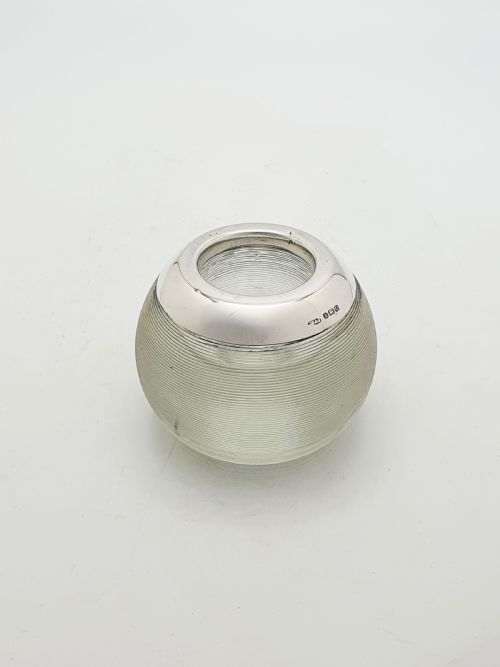
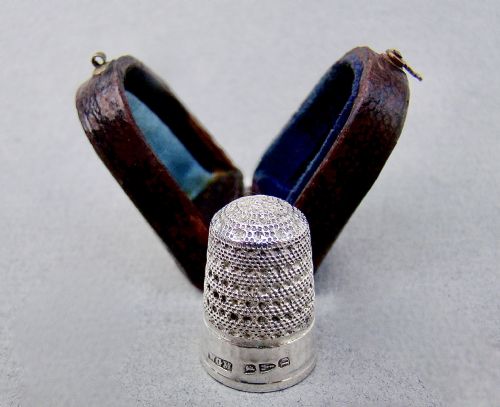
Makers' marks and Birmingham or London assay office hallmarks that remain sharp and legible indicate careful handling and original manufacture.
CRISFORD & NORRIS·GEORGE UNITE·ROBERT PRINGLE·ALBERT ERNEST JENKINS·CHARLES HORNER·WILLIAM HENRY SPARROW
The George V Silver Case Glossary
- Vesta case
- A small pocket container specifically manufactured to hold matches and keep them dry. These pieces typically feature a striking strip on the bottom.
- Sovereign case
- A round or square receptacle engineered to store gold sovereign and half-sovereign coins securely. Many incorporate internal spring mechanisms.
- Guilloche
- A decorative technique where a precise, intricate pattern is mechanically engraved into an underlying metal surface. Enamel is frequently applied over this texture.
- Hallmark
- An official stamp applied by an assay office to indicate metal purity, origin city and the date of manufacture. These marks guide chronological dating.
- Engine-turning
- A method of mechanical ornamentation using a lathe to cut geometric patterns into metal. This surface finish reduces the visibility of minor handling marks.
George V Silver Case: Frequently Asked Questions
What fits inside a vesta case?
These small containers were built to carry wooden safety matches safely within a pocket or handbag. The ribbed base allowed the user to strike the match immediately upon retrieval.
They serve equally well today as pill boxes or minor trinket holders due to their compact dimensions and secure snap closures.
How do I identify a George V piece?
Assay office hallmarks stamped directly onto the sterling silver provide the most reliable dating evidence. The profile stamp of King George V or specific date letters corresponding to his reign between 1910 and 1936 confirm the era.
Stylistic indicators such as early Art Deco motifs also help narrow down the manufacturing timeframe.
Are these cases made of solid silver?
The vast majority of these items consist of solid sterling silver rather than plated base metal. Assay marks guarantee the standard of the precious metal used in construction.
Some examples incorporate internal partitions or linings of silk, velvet, or glass while maintaining a solid silver exterior frame.
How were sovereign cases used?
Victorian and Edwardian gentlemen utilised these spring-loaded containers to carry heavy gold sovereign coins for daily commerce. The internal clips prevented the coins from rattling or falling out.
Today, collectors appreciate them as pocket-sized examples of precision metalwork and early twentieth-century engineering.