




George IV Silver
George iv silver brings the robust weight and crisp Regency ornamentation of the 1820s straight to the table.
George IV Silver
When buyers search for george iv silver, they encounter small dining accessories and domestic silver spanning the brief reign from 1820 to 1830 alongside the wider Georgian and Regency eras.
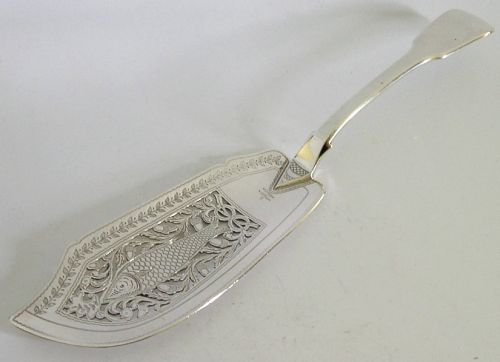
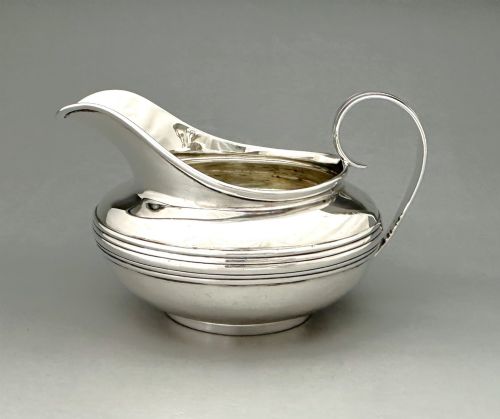
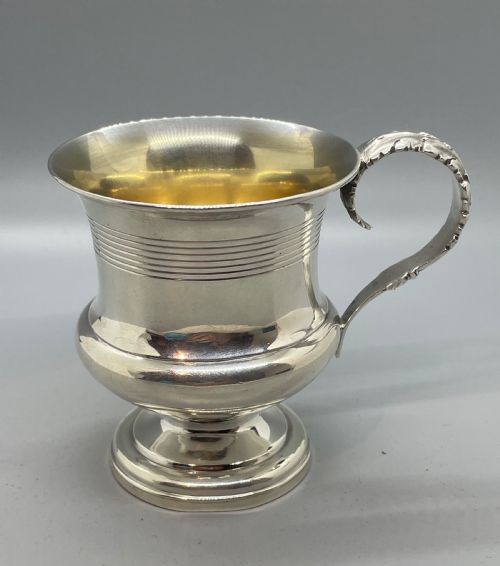
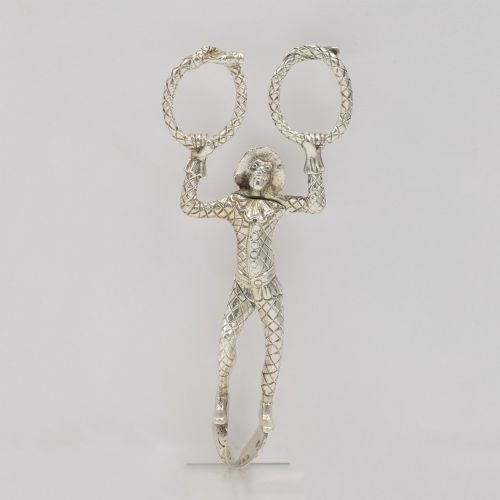
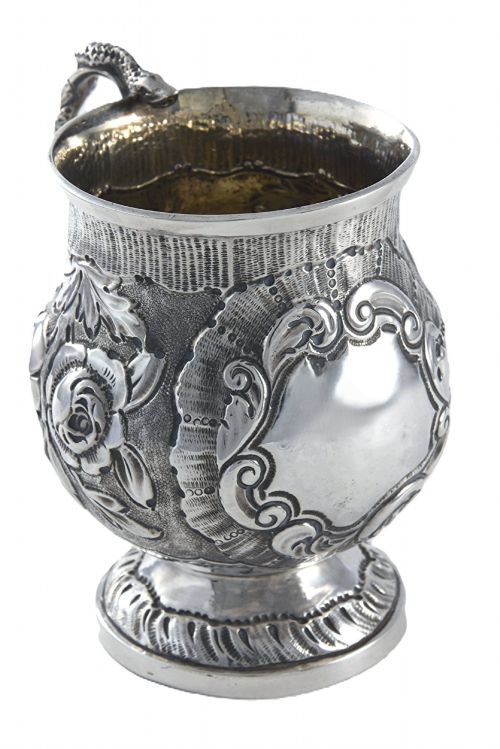
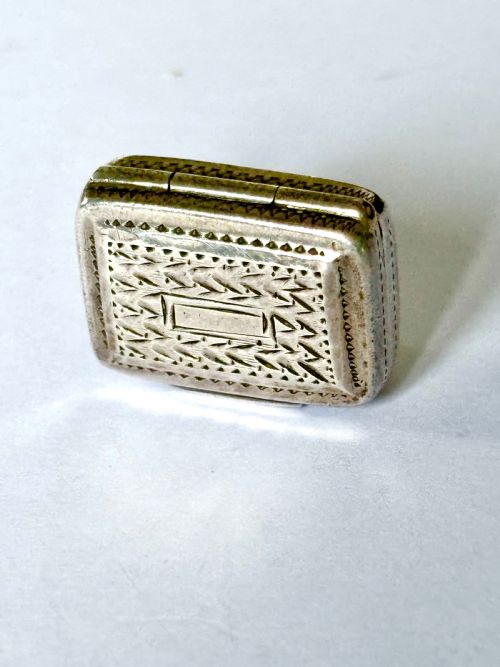
The objects seen most frequently on this page range from heavy table snuff boxes, vinaigrettes and pocket pieces to christening mugs, fish slices and sugar tongs.
Makers utilised traditional forms like fiddle pattern flatware and solid sterling tankards, often embellished with naturalistic floral motifs or silver gilt interiors.
Materials and Construction
Silversmiths worked primarily in sterling silver and silver-gilt, hammering and casting metal into robust vessels, flatware and intricate novelty boxes.
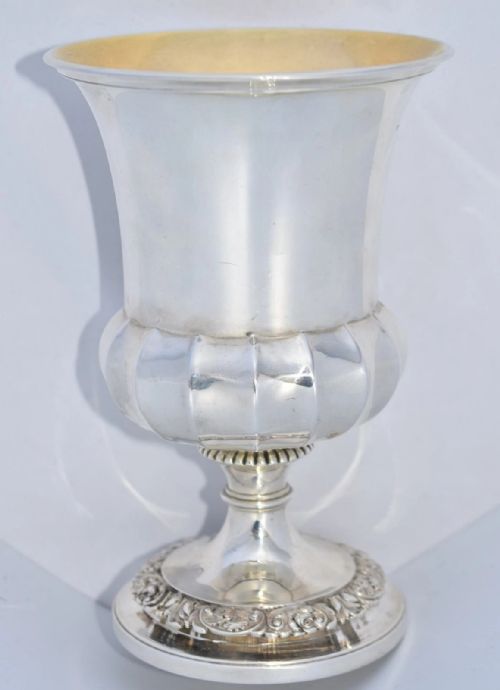
Interior gilding, known as silver gilt, protected the silver from corrosive foodstuffs like mustard or fruit while adding a rich dual-tone contrast to items like vinaigrettes and sugar basins.
George IV Silver Retail Price Guide 2026
Typical asking prices for george iv silver among the pieces listed under this phrase on Sellingantiques today, from the lower quarter to the upper quarter. They describe what is for sale here now, not the wider market.
Listings feature sterling silver, mahogany silver chests, and polished steel fire tools from the Regency and Georgian eras.
Judging Quality
The distinction between ordinary utility items and superior pieces rests on the crispness of the cast ornamentation and the depth of the hand-engraving.
Makers who bothered with intricate figural work, such as the harlequin monkey tongs or fox head snuff boxes, achieved a level of sculptural depth that elevates the piece far beyond standard flatware.
John Bettridge·Edward Farrell·Joseph Wilmore·Samuel Hennell·William Eaton
The George IV Silver Glossary
- Silver Gilt
- Sterling silver that has been coated with a thin layer of gold on the interior or exterior surfaces. This technique provides a warm golden hue and prevents tarnishing from acidic contents.
- Vinaigrette
- A small hinged box containing a perforated grille that held a sponge soaked in aromatic vinegar. These portable accessories were carried by gentlemen and ladies during the Regency period to mask unpleasant odours.
- Fiddle Pattern
- A traditional flatware design characterised by a tapered stem with a squared-off shoulder resembling a fiddle. It became immensely popular across Britain during the early nineteenth century.
- Hallmark
- The official stamp applied by an assay office to indicate the metal standard, the year of manufacture, and the silversmith's mark. London, Birmingham, Dublin and York offices all contributed to this era.
- Alms Dish
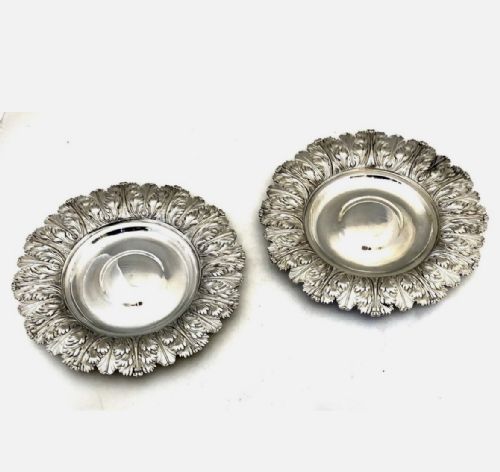
- A large decorative plate or basin used in churches for collecting offerings or presentations. In domestic settings, these substantial dishes functioned as salvers or trays.
George IV Silver: Frequently Asked Questions
How do I date george iv silver?
Assay office hallmarks stamped directly onto the sterling silver provide the exact year of manufacture through specific date letters. These marks also reveal the city of origin, such as London or Birmingham.
Matching the silversmith's registered sponsor's mark alongside the monarch's head tax mark further narrows the production window to the 1820s.
What is the difference between silver and silver gilt?
Standard sterling silver displays the bright white metallic lustre typical of traditional tableware and flatware. Silver gilt has an additional microscopic layer of gold applied to the surface, most commonly seen inside mugs, sugar basins and vinaigrettes.
This golden wash was applied by silversmiths to protect the reactive sterling silver from being stained or corroded by acidic items like fruit juice or vinegar.
How were snuff boxes used?
Pocket-sized snuff boxes held powdered tobacco which gentlemen and ladies inhaled during social gatherings. They were prized personal accessories manufactured with tight-fitting hinges to keep the dry powder fresh.
Craftsmen lavished extreme detail on these small items, producing cast silver and parcel-gilt boxes featuring sporting scenes, animals or elaborate engine-turned patterns.
Can I use antique silver daily?
Solid sterling silver items like tankards, spoons and salvers remain durable enough for regular household use provided they receive gentle hand washing. Avoid abrasive cleaners and dishwashers to preserve the original hallmarks and hand-engraving.
Vinaigrettes and delicate gilt items require more careful handling due to their intricate internal grilles and thin gold washes.