
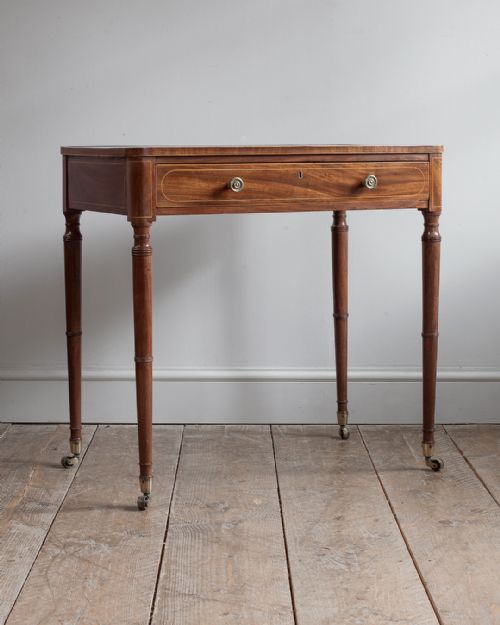
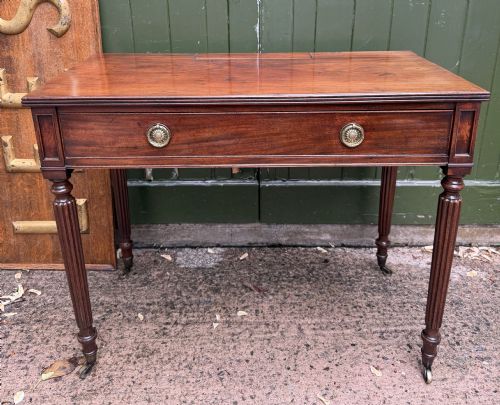


George IV Side Table
A george iv side table brings refined proportion and dense timber to a room, offering adaptable surfaces from compact lamp stands to substantial serving pieces.
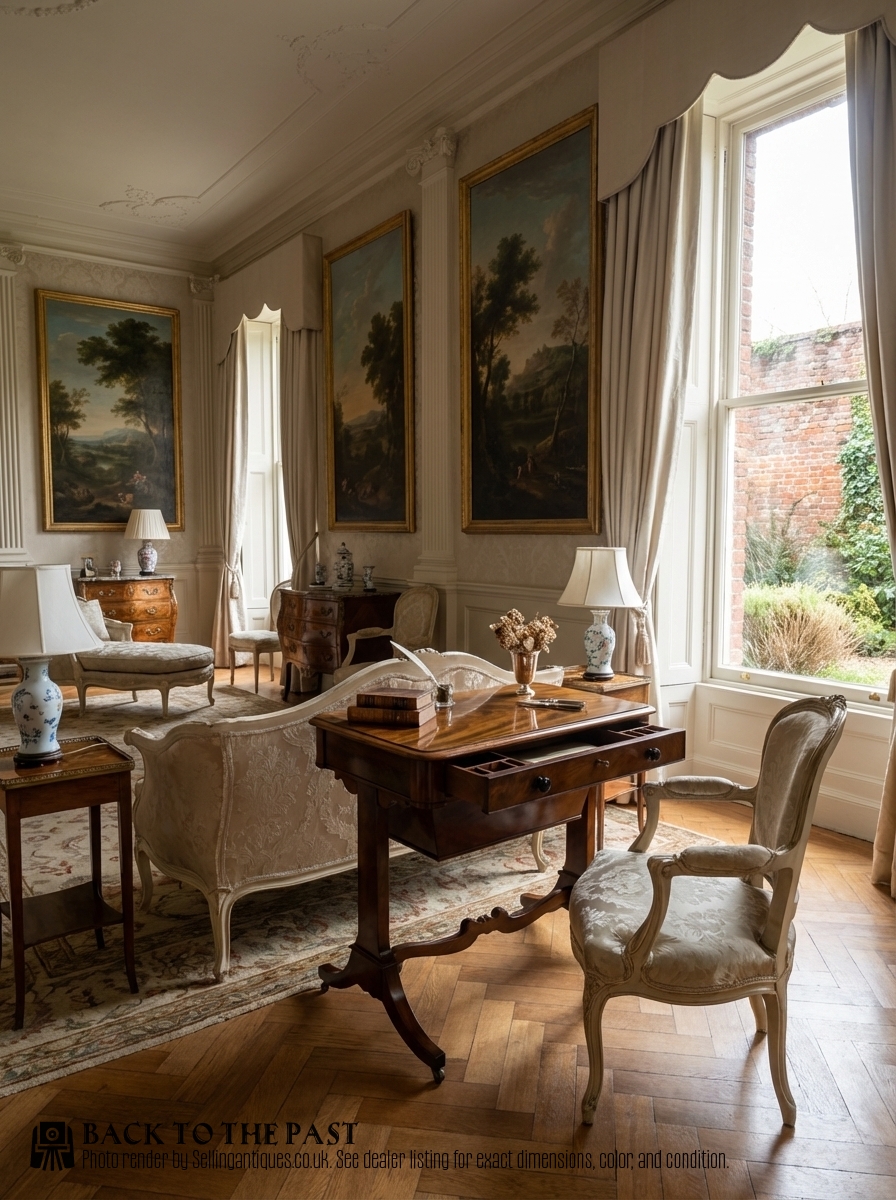
George IV Side Table
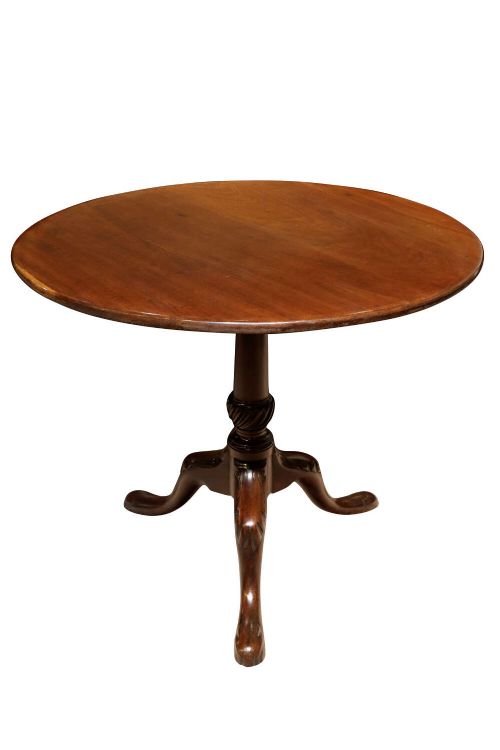
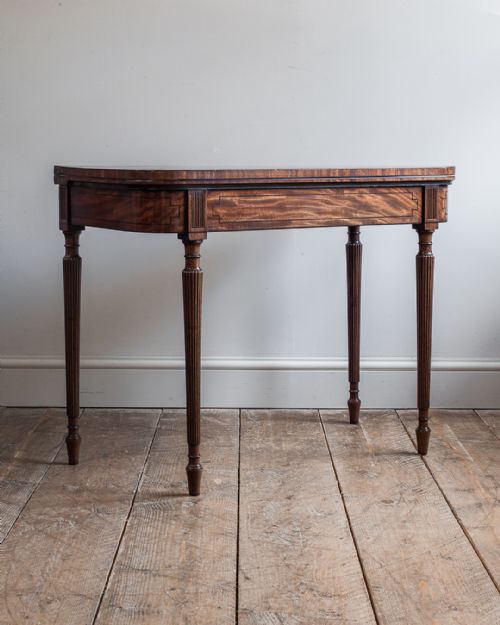
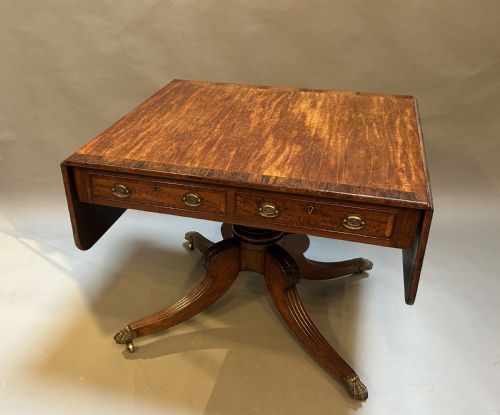
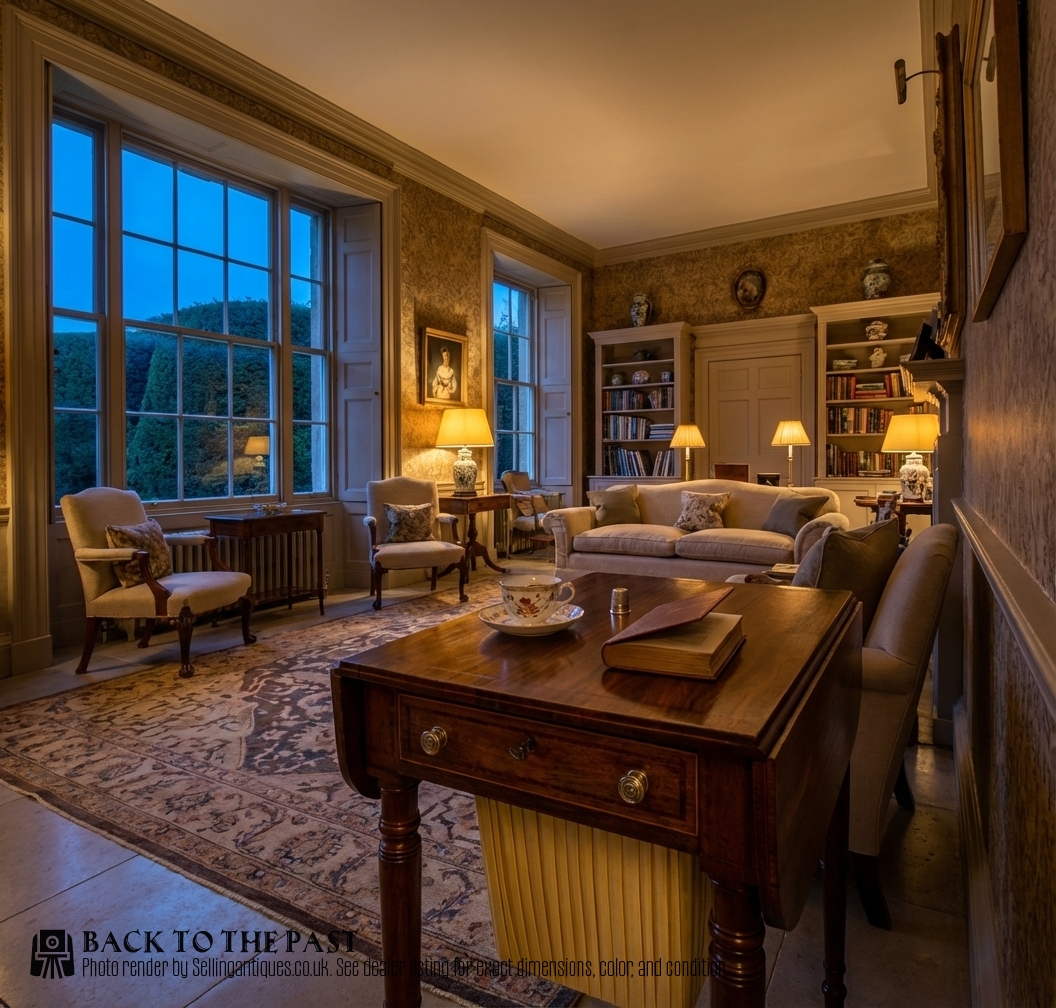
A george iv side table encompasses a diverse array of occasional, console, and writing formats produced during the early nineteenth century. Mahogany dominates the selection, frequently appearing in forms ranging from simple bowfront designs to elaborate tiered serving tables and Pembroke work tables.
Makers of the period adapted traditional proportions to suit varied domestic uses, resulting in specialist pieces like sewing tables, kneehole desks, and D-shaped tea tables. Rosewood and oak also surface alongside mahogany, providing alternative grain patterns and richer dark tones for formal rooms.
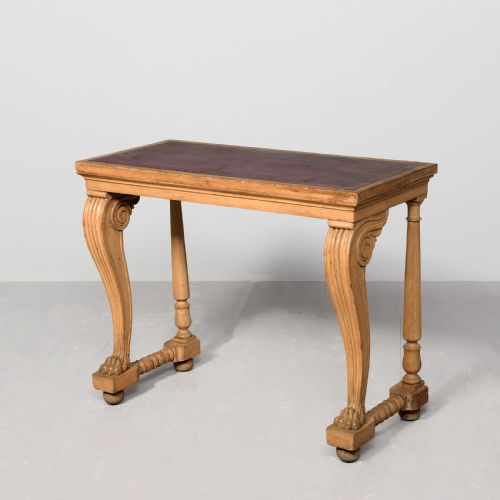
Buyers seeking this phrase encounter both utilitarian chamber pieces and grander console tables displaying neo-classical influences or specific workshop attributions. The survival of such varied forms demonstrates the period's versatility in domestic furniture design.
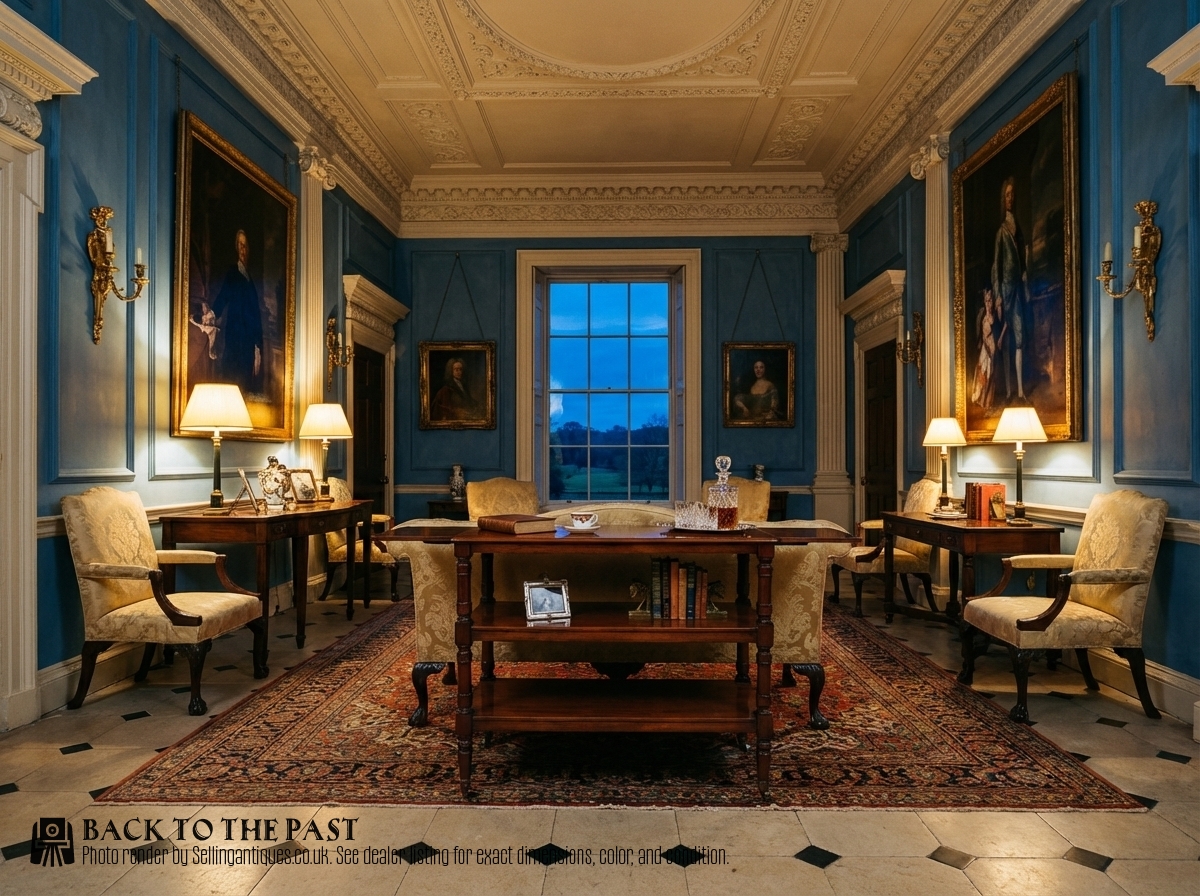
Materials and construction
Cabinetmakers utilised solid mahogany and rich rosewood veneers applied over secondary carcase timbers, often accentuating the grain with flame mahogany or ebonised details. Brass mounts, castors, and stringing provide functional and decorative contrast to the dark polished surfaces.
Structural ingenuity appears in tilt-top mechanisms, fold-over tea leaves, and multi-tiered buffet frameworks supported by lyre bases or turned pedestals. Marble inserts and fabric linings additionally feature within specialised work and occasional tables, marking elevated commission standards.
George IV Side Table Retail Price Guide 2026
Typical asking prices for george iv side table among the pieces listed under this phrase on Sellingantiques today, from the lower quarter to the upper quarter. They describe what is for sale here now, not the wider market.
Some tables double as sewing companions, hiding compartments for thread while looking entirely serious in the parlour.
Gradations in craftsmanship
Superior examples display exceptional selection of figured wood veneers, where symmetrical flame mahogany or richly grained rosewood wraps seamlessly across drawer fronts and tops. Subtle carving, precise joinery, and well-chosen secondary timbers distinguish bespoke workshop production from standard commercial output.
The integration of complex mechanisms, such as smooth-running drawers, stable drop-flaps, and robust pedestal supports, separates utilitarian items from high-status furniture. Original brass hardware and untouched patination further elevate the standing of individual pieces.
James Mein of Kelso·Gillows of Lancaster·George Bullock
The George IV Side Table Glossary
- Tilt-top
- A tabletop mounted on a pivot mechanism that allows the surface to fold vertical when not in use. This clever design saved valuable floor space in smaller period rooms.
- Flame mahogany
- A veneer cut from the branch junction of the mahogany tree to create a distinctive, flickering flame pattern. Cabinetmakers prized this figure for principal drawer fronts and tops.
- Console table
- A table designed to stand against a wall, frequently secured with brackets or resting on front legs. These architectural pieces often served decorative display functions in entrance halls.
- Pembroke table
- A drop-leaf table featuring hinged flaps on opposing sides to expand the surface area. It typically incorporates a single drawer and slender legs.
- Lyre base
- A furniture support shaped in the classical form of a musical lyre. This stylistic motif gained popularity during the Regency and George IV periods.
George IV Side Table: Frequently Asked Questions
What defines a george iv side table?
A george iv side table belongs to the furniture output produced between eighteen-twenty and eighteen-thirty, characterised by robust classical proportions and fine timber selection.
These pieces bridge late Georgian restraint and early Victorian elaboration, utilising dense mahogany and rosewood with understated decorative carving or brass inlay.
How do I use one today?
These adaptable tables function effectively as lamp stands in hallways, writing desks in studies, or serving surfaces in dining rooms.
Their compact footprints and functional drawers make them practical for modern interiors while introducing period character to dead wall spaces.
Are rosewood examples different?
Rosewood versions typically offer a darker, heavily grained aesthetic compared to standard mahogany pieces, often reserved for more formal reception rooms.
The dense timber allowed for crisp mouldings and frequently accompanied high-status work or occasional tables from the era.
How do I spot regional traits?
Regional pieces often reflect the specific repertoire of provincial workshops or dominant urban centres like Lancaster through distinct construction habits.
Details such as secondary wood choices and specific turning styles offer clues to a table's geographic origin without relying solely on signatures.