
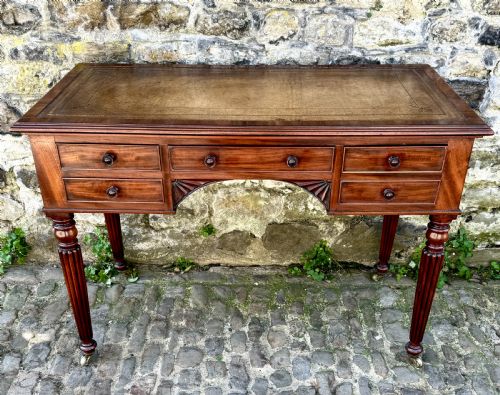
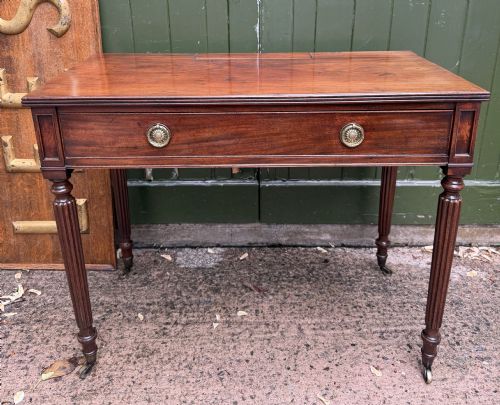


George IV Desk
When you search for a george iv desk, you enter a world of rich timbers, bold architectural lines, and refined cabinet-making from the early nineteenth century.
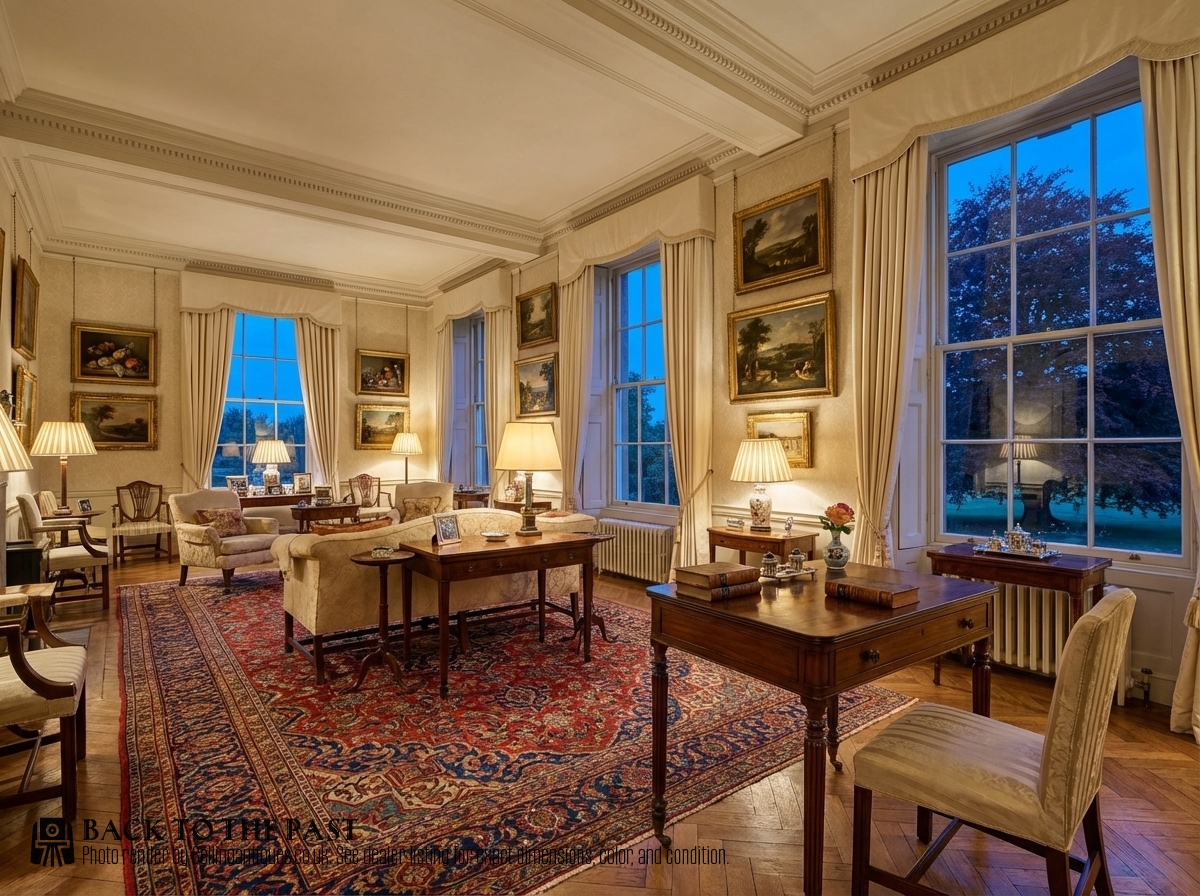
George IV Desk
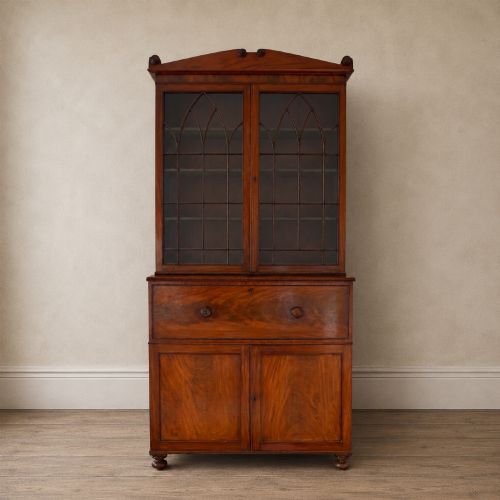
A george iv desk encompasses freestanding library tables, large partners pieces, and fitted secretaire bookcases produced during the early nineteenth century. These forms reflect the Regency penchant for classical proportion combined with practical utility for the study or library.
The materials span dense imported timbers like mahogany and rosewood, often selected for dramatic grain patterns such as flame or figure. Secondary woods and brass details provide structural integrity and subtle contrast to the dark surfaces.
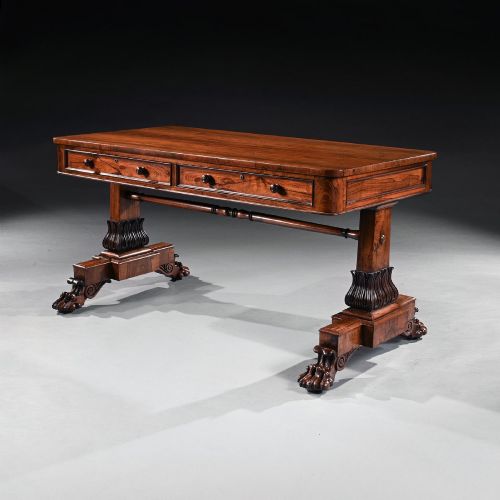
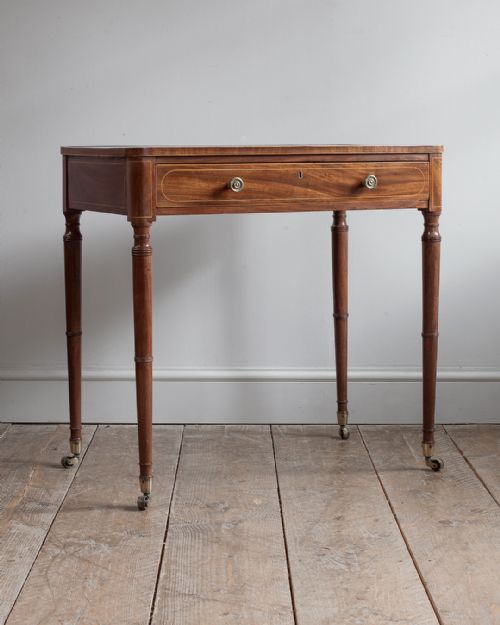
Surviving pieces range from compact writing tables and kneehole forms to expansive double-sided partners desks designed to stand proudly in the centre of a room.
Materials and construction
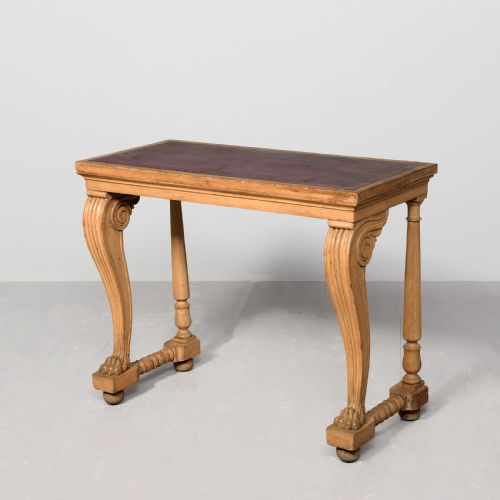
Cabinet-makers relied heavily on solid and veneered mahogany or richly grained rosewood, applying skilled hand-cut dovetails to drawer construction and turning sturdy pedestal bases. Brass mounts, castors, and inset tooled leather writing surfaces were integrated to provide both mobility and a durable workspace.
Secondary framing often utilised oak or pine, whilst specialist items incorporated ormolu, satinwood, and burr elm veneers to achieve sophisticated decorative effects. Joinery techniques from this period ensured structural stability across large library tables and complex secretaire interiors.
George IV Desk Retail Price Guide 2026
Typical asking prices for george iv desk among the pieces listed under this phrase on Sellingantiques today, from the lower quarter to the upper quarter. They describe what is for sale here now, not the wider market.
Tiny brass desk seals and miniature apprentice pieces demonstrate that Regency craftsmen loved precision on every possible scale.
Judging quality and craftsmanship
Quality reveals itself in the selection of timber veneers, where symmetrical grain matching across drawer fronts and desk tops demonstrates superior workshop standards. The crispness of carved details, such as lions paw feet or reeded moulding, separates standard production from exceptional cabinet-making.
Internal construction, including the thickness of secondary drawer linings and the smooth operation of adjustable mechanisms or pigeonhole fittings, highlights the integrity of the original maker.
Gillows of Lancaster·James Mein of Kelso·T Willson
The George IV Desk Glossary
- Partners Desk
- A large double-sided desk designed for two people to work opposite one another, featuring cupboards or drawers on both faces.
- Secretaire
- A cabinet or bookcase incorporating a fitted drop-front drawer that opens to reveal a writing surface and small compartments.
- Library Table
- A freestanding table, often finished on all sides, traditionally used for reading and writing in large residential rooms.
- Dovetail
- A traditional interlocking joint used in drawer construction, prized for its strength and resistance to being pulled apart.
- Ormolu
- Gilded bronze applied as a decorative mount or ornament on fine furniture and desk stands.
George IV Desk: Frequently Asked Questions
What defines a george iv desk?
These pieces date from the reign of George IV and the broader Regency era, typically characterised by classical proportions, dark tropical timbers, and robust construction.
They reflect an era of confident interior design where the study or library served as a central domestic space.
How were partners desks used?
Partners desks were built with opposing banks of drawers or cupboards, allowing two individuals to work simultaneously from the same piece of furniture.
Their substantial size and finished backs meant they sat prominently in the middle of estate offices or libraries rather than pushed against a wall.
How do I care for leather tops?
Inget leather surfaces require gentle cleaning with a dry or barely damp cloth to preserve the original gilt tooling and supple texture.
Avoid harsh chemical cleaners and direct sunlight to prevent the leather from drying out and cracking over time.
How can I identify the wood?
Close inspection of the grain reveals whether a piece uses solid timber or a decorative veneer applied over a secondary wood like pine or oak.
Mahogany shows a characteristic reddish-brown depth, while rosewood displays dark contrasting striations and an oily lustre.