




George III Washstand
A george iii washstand is a clever piece of Georgian furniture built for personal ablutions, combining fine timber with practical utility.
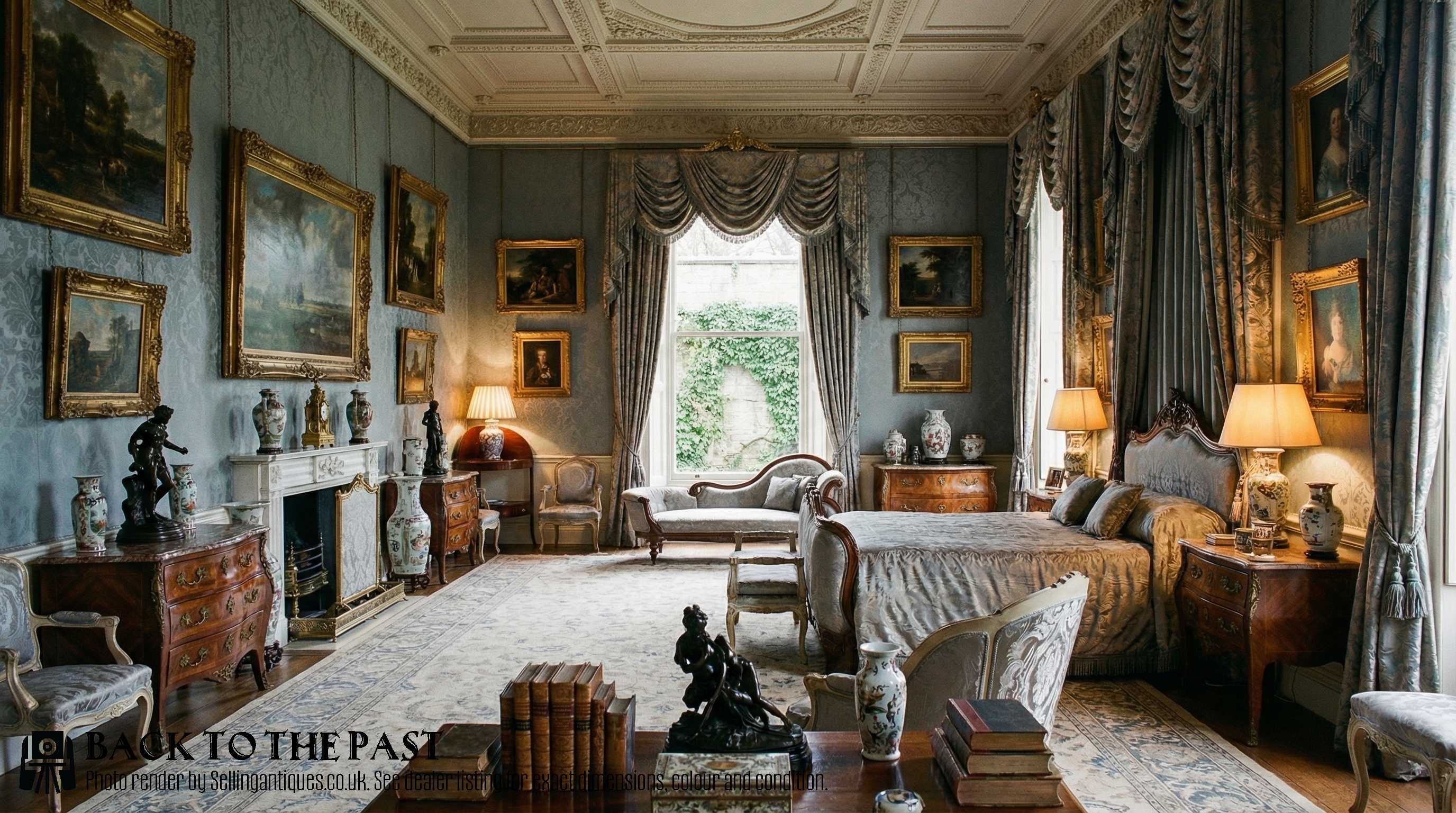
Forms and Origins
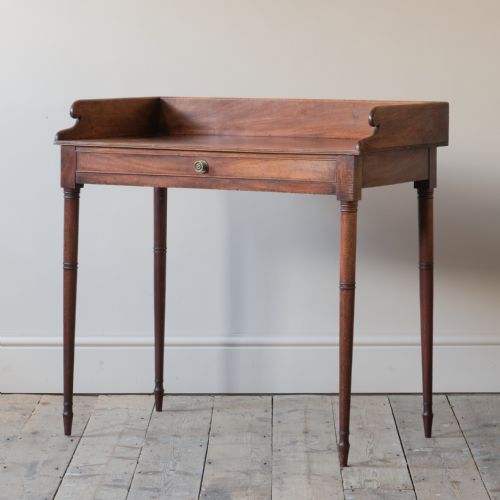
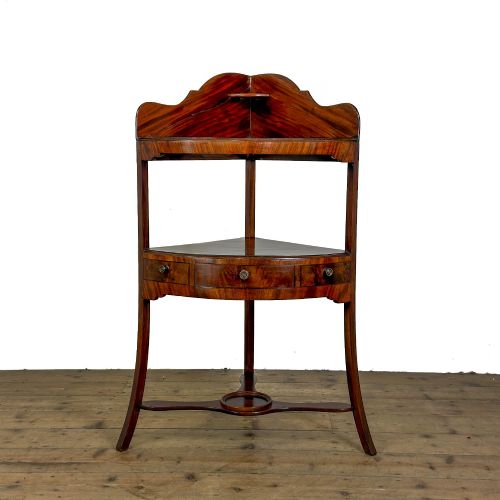
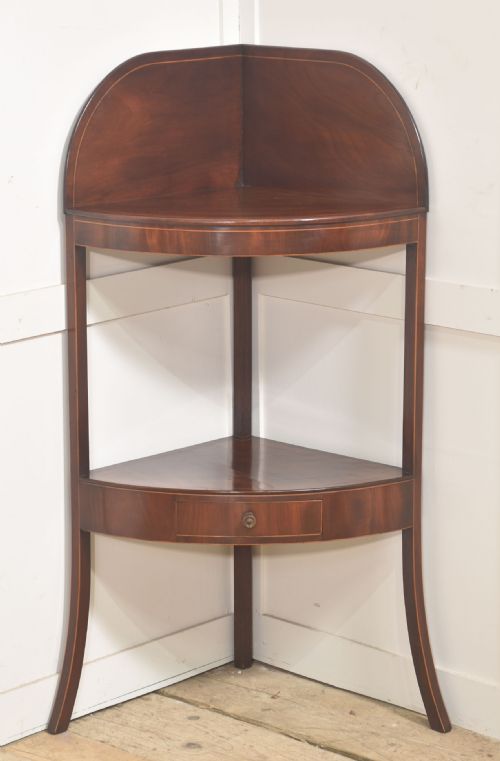
A george iii washstand appears most frequently in corner configurations designed to fit snugly into chamber spaces. These utilitarian pieces date from the Georgian era through to the nineteenth century, reflecting the domestic habits of the period.
The archive demonstrates that certain iterations were equipped complete with ceramic ware such as jugs and bowls, transforming the standalone stand into a functional washing station.
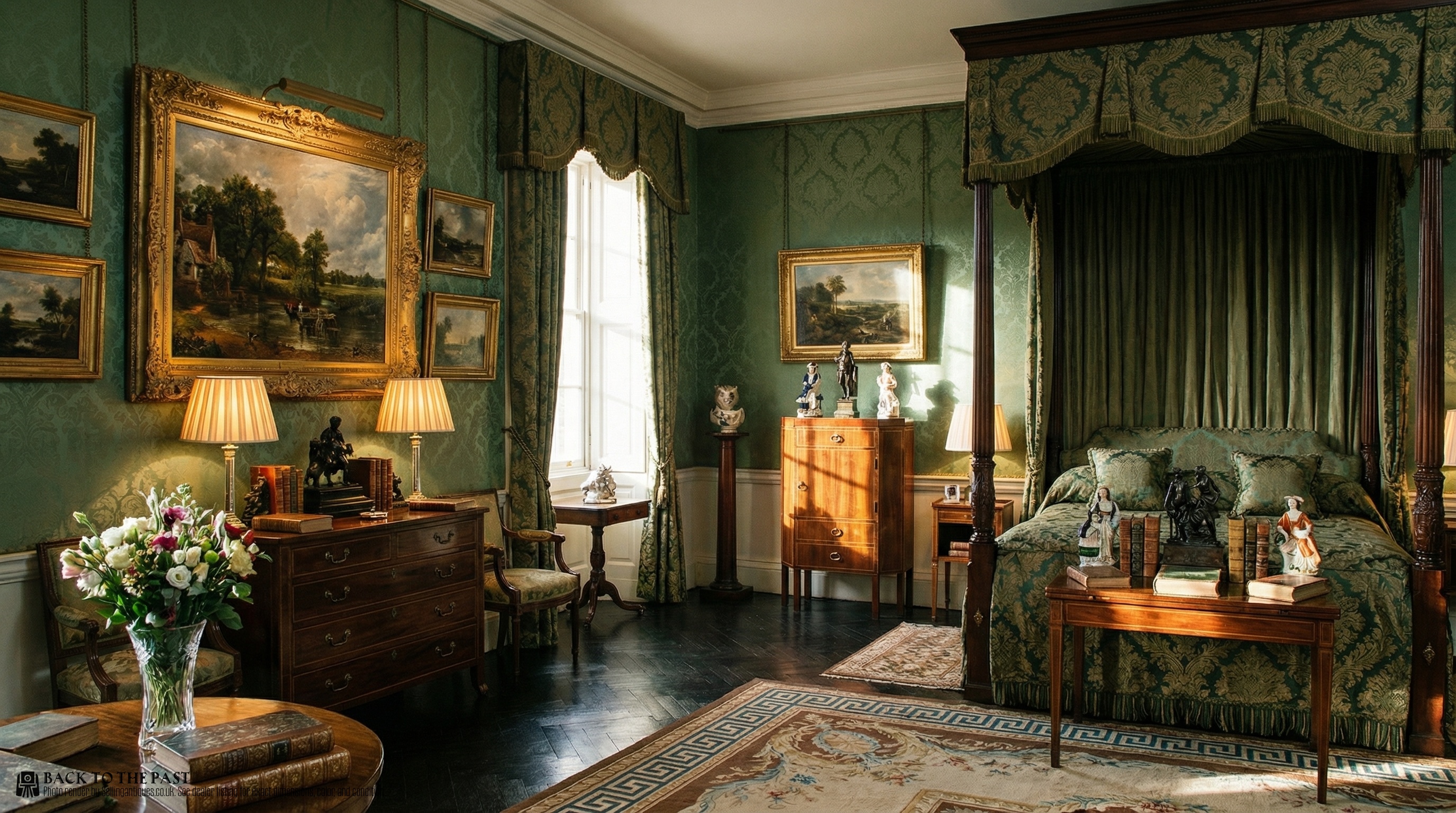
Materials and Techniques
Craftsmen built these pieces predominantly using mahogany, selected for its rich grain and structural stability. Secondary decorative touches include contrasting boxwood inlay and occasional brass details.
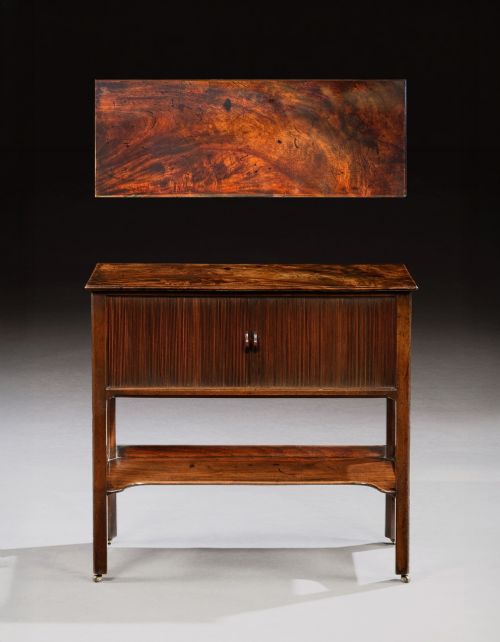
Construction techniques range from straightforward two-tier open frameworks to complex enclosed cabinetry with tambour doors, hinged folding lids, and fitted leather surfaces.
Retail Price Guide 2026
Typical UK retail prices for george iii washstand, calculated from the Sellingantiques database of over a million retail prices indexed since 2003. This retail price guide relies exclusively on Sellingantiques data; no external sources or auction records are used, so the figures do not describe the wider market.
Site records demonstrate that corner formats are the most commonly encountered shape among surviving examples.
Judging Quality
Maker attribution elevates certain examples significantly, particularly where workshops such as Gillows stamped their work. The crispness of boxwood inlay and the integration of functional compartments also distinguish finer workshop output.
Gillows Lancaster
The George III Washstand Glossary
- Corner washstand
- A triangular piece designed to fit neatly into the corner of a bedroom or dressing room. These units saved valuable floor space in period interiors.
- Tambour cabinet
- A small enclosed cupboard fronted by narrow vertical strips of wood glued to a canvas backing. This mechanism slides smoothly around a curve to conceal the interior.
- Boxwood inlay
- Contrasting pale wood inserted into the darker mahogany surface to create decorative lines or geometric patterns. It highlights the edges and panels of finer pieces.
- Two-tier washstand
- A simple open framework featuring upper and lower platforms connected by upright supports. The top tier typically accommodated a basin while the lower shelf held water jugs.
- Serpentine-fronted
- A curved cabinet front that bends outward in the centre and inward toward the edges. This flowing line requires advanced woodworking skill to execute properly.
Frequently Asked Questions
What is a george iii washstand?
A george iii washstand is a piece of wooden furniture created during the eighteenth or early nineteenth century to hold washing basins and personal grooming items. They were essential bedroom and dressing room fittings before plumbed bathrooms became common.
These pieces range from basic open corner stands with basin cutouts to elaborate enclosed cabinets featuring mirrors, drawers, and spaces for ceramics.
How were washstands used?
Owners used them for morning ablutions, holding a wash bowl, water jug, and soap containers in the bedchamber. Some versions doubled as bedside tables or gentleman's dressing units.
Enclosed variants kept the washing apparatus hidden from view when not in use, maintaining a tidy appearance in formal rooms.
Where do I put a washstand?
Corner washstands fit neatly into unused room angles, making them practical for smaller spaces today. They serve well as hallway side tables or bathroom furniture.
Freestanding square or bow-fronted versions work effectively against flat walls as decorative display surfaces or bedside cabinets.
How do I spot Gillows pieces?
Makers such as Gillows sometimes stamped their signature directly into the wood of the furniture framework. Examining the drawer tops or frame edges often reveals these maker marks.
Beyond stamps, the exceptional standard of mahogany selection and cabinet construction indicates the work of a premier workshop.