
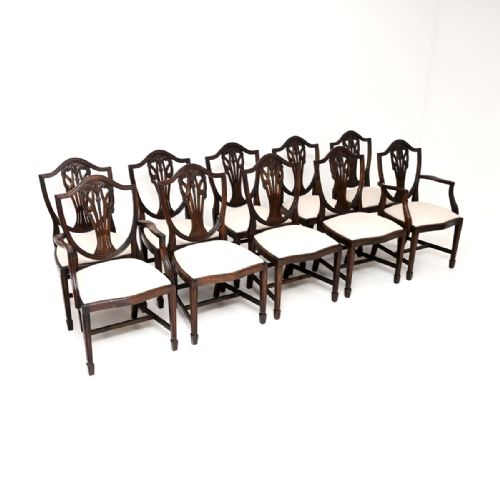
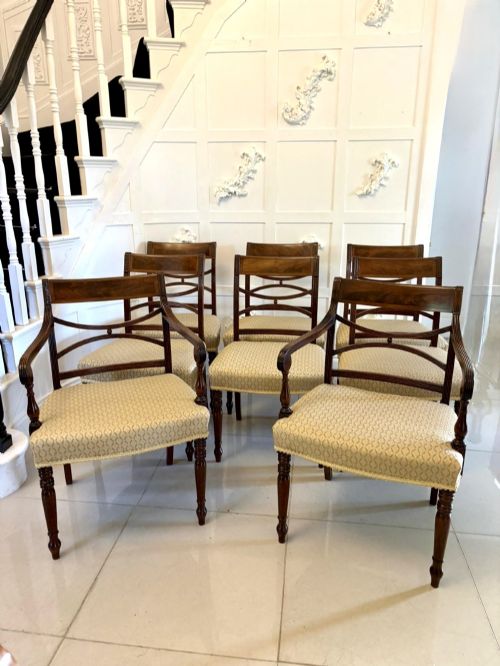
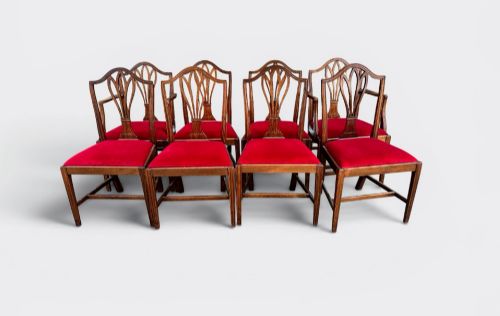
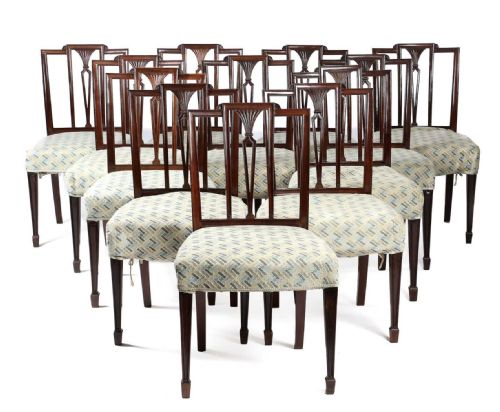


George III Side Chairs
George iii side chairs span the later eighteenth century and subsequent revival periods, offering sturdy seating in mahogany, walnut, and oak.
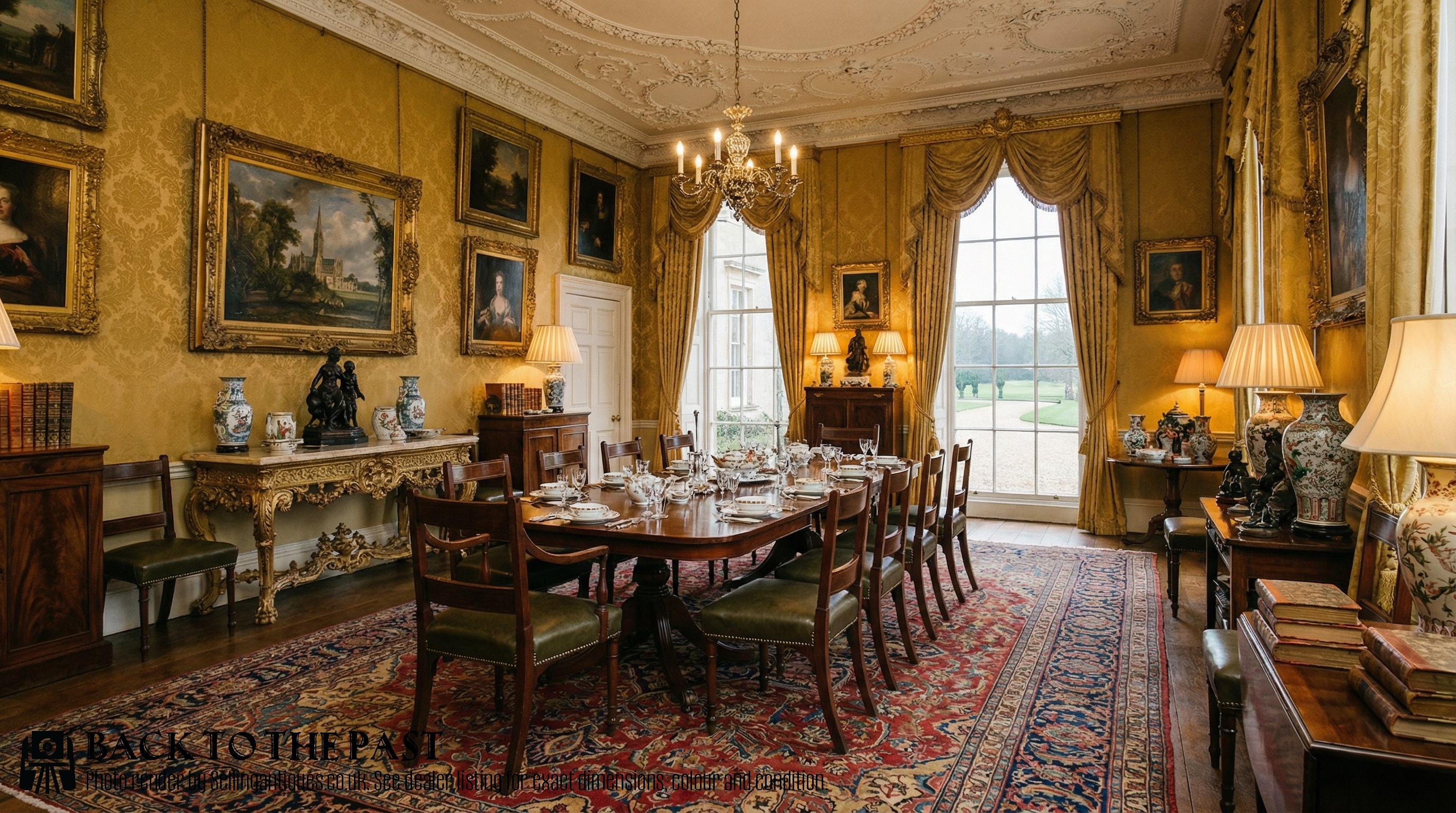
George III Side Chairs
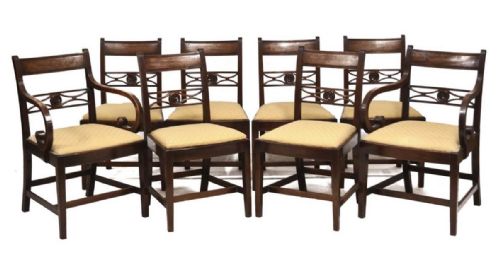
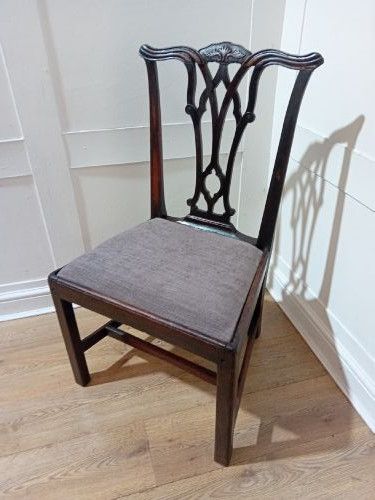
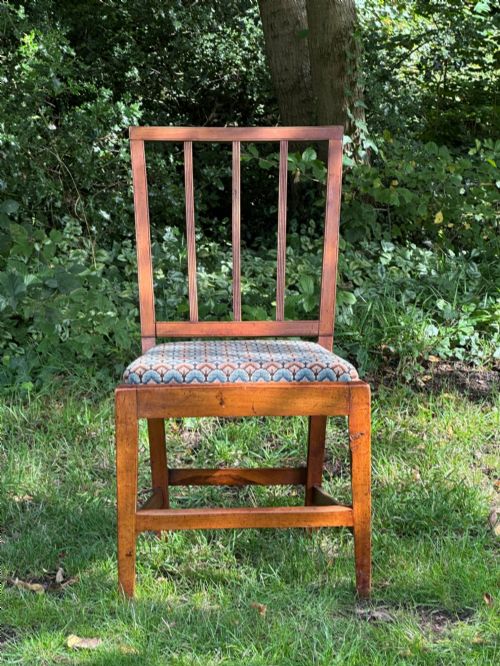
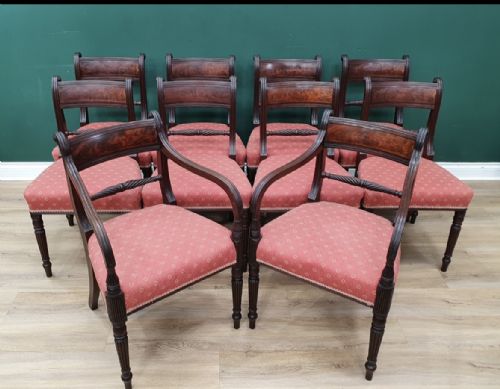
When buyers search for george iii side chairs, they encounter seating designed primarily for dining rooms, halls, and parlours during the Georgian era and later revival periods. The listings include single chairs and matched sets in various timbers, reflecting both formal urban cabinet-making and regional country traditions.
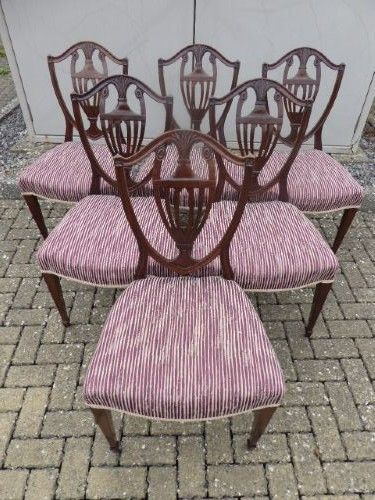
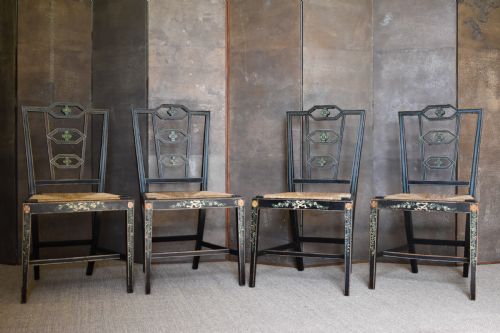
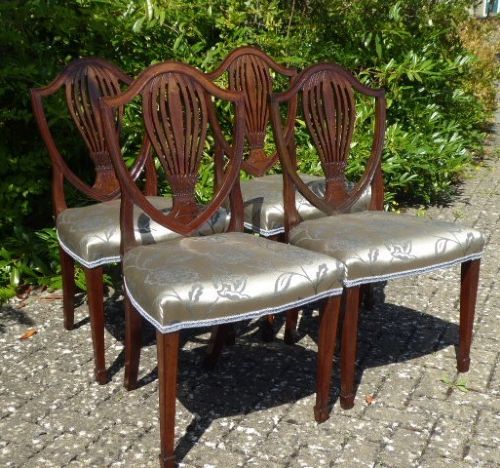
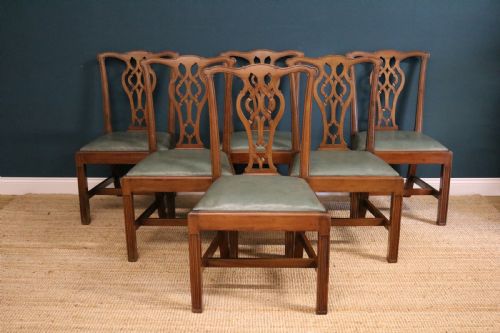
The most common examples on this page are mahogany dining chairs dating from the late eighteenth century, often featuring carved details or shield backs. Alongside these formal seating options, provincial elm, ash, and oak country chairs appear frequently.
Originating from English, Scottish, and Irish workshops, these pieces demonstrate the stylistic shifts from heavy cabriole legs to straightened neoclassical supports. Buyers also find hall chairs designed with solid timber seats and carved backs for decorative entryways.
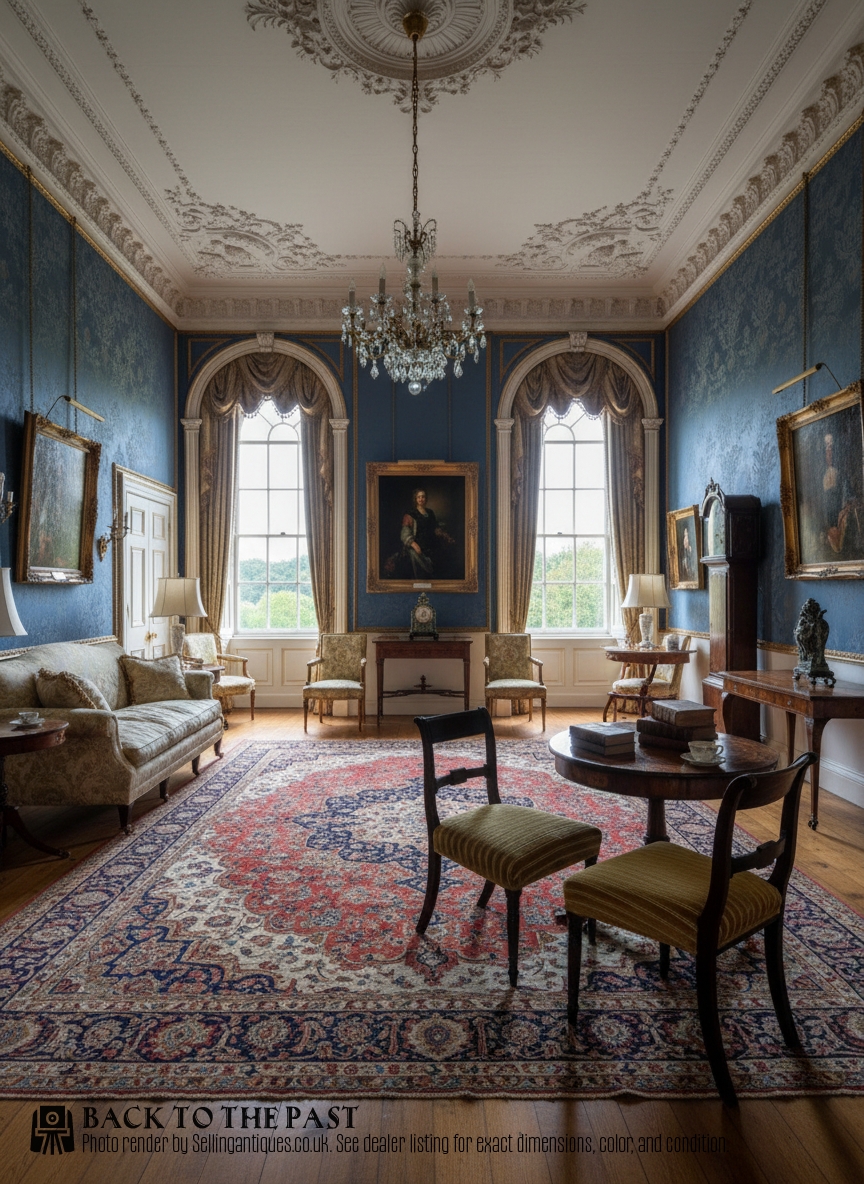
Materials and construction
Cabinet-makers relied heavily on dense tropical hardwoods, particularly mahogany, alongside native timbers such as walnut, oak, elm, and ash for regional country pieces. Timber selection dictated the structural integrity and the crispness of carved details on rails and splats.
Upholstered versions utilised drop-in pads or fixed seats covered in leather, horsehair fabric, velvet, and various upholstery textiles. Frame construction involved traditional joinery techniques, securing splats into stiles and rails with precise tenons.
George III Side Chairs Retail Price Guide 2026
Typical asking prices for george iii side chairs among the pieces listed under this phrase on Sellingantiques today, from the lower quarter to the upper quarter. They describe what is for sale here now, not the wider market.
Listings feature mahogany, walnut, oak, elm, and ash across Georgian, Regency, and revival periods.
Quality factors in construction
The degree of hand-carving and the depth of figure in the mahogany timbers separate standard examples from finer commissions. Workshops employing skilled carvers produced crisp architectural motifs and pierced splats with sharp relief.
Originality of components and the survival of early upholstery foundations heavily influence the character of each piece. Sets that retain matching frames without extensive timber replacement command greater interest among collectors.
Howard And Co London·Gillows
The George III Side Chairs Glossary
- Shield back
- A chair back shaped like a rounded shield, popularised in neoclassical furniture design. This form frequently incorporates carved wheat ears or drapery motifs.
- Splat
- The vertical wooden strip down the centre of a chair back. It provides structural support while offering a canvas for decorative carving.
- Cabriole leg
- A furniture leg that curves outward at the knee and tapers inward toward the foot. This shape derives from animal limbs and appears on earlier Georgian seating.
- Needlepoint
- Hand-stitched canvas work utilised for seat covers. Surviving early examples add significant tactile interest to antique chairs.
- Stile
- The upright vertical side post of a chair back. It connects the top rail to the seat frame.
George III Side Chairs: Frequently Asked Questions
How do I spot a reproduction?
Examine the timber shrinkage, tool marks, and joinery methods underneath the seat frame. Older frames exhibit hand-cut joints and consistent patina developed through decades of use.
Revival pieces from later centuries often use machine-cut elements and standardised screw fixings that differ from eighteenth-century workshop practices.
How should I care for antique upholstery?
Protect antique fabrics from direct sunlight to prevent fibre degradation and colour fading. Regular gentle vacuuming with a soft brush attachment removes surface dust without stressing fragile textiles.
For pieces with leather or horsehair, apply specialist conservation conditioners sparingly to maintain suppleness.
Can I mix different chair sets?
Mixing individual chairs or smaller pairs requires careful attention to timber tone, seat height, and overall proportions. Similar design motifs, such as shield backs or straight legs, help create a cohesive aesthetic around a dining table.
Many period dining sets were assembled over time rather than purchased as single massive commissions originally.