




George III Serpentine Table
When you search for a george iii serpentine table, you are looking at curving furniture shaped by 18th-century cabinetmakers.
George III Serpentine Table
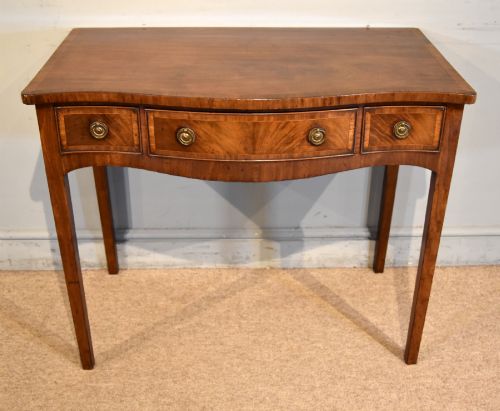
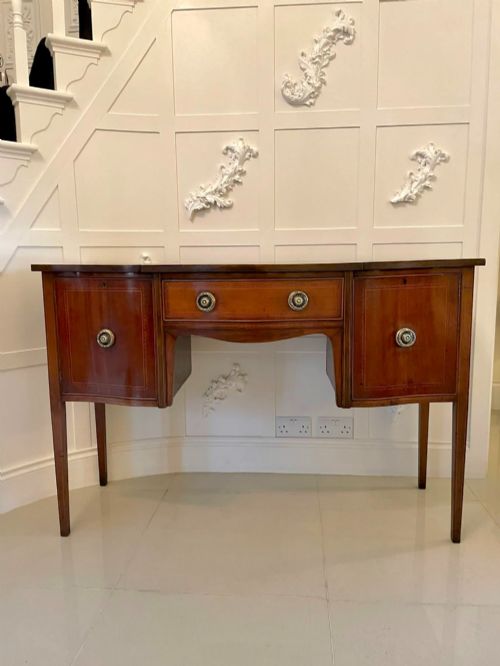
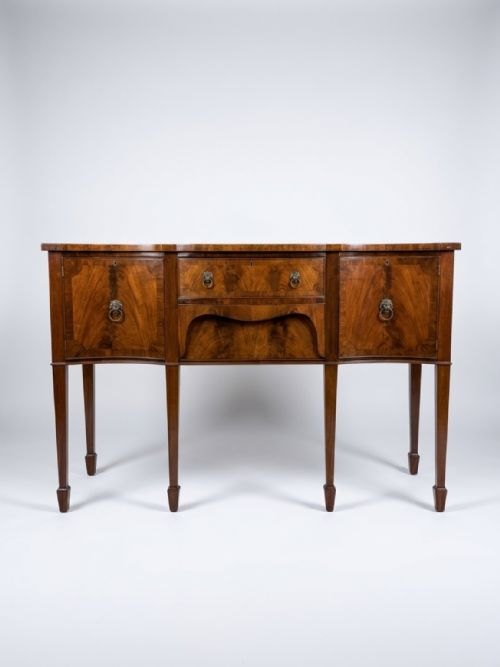
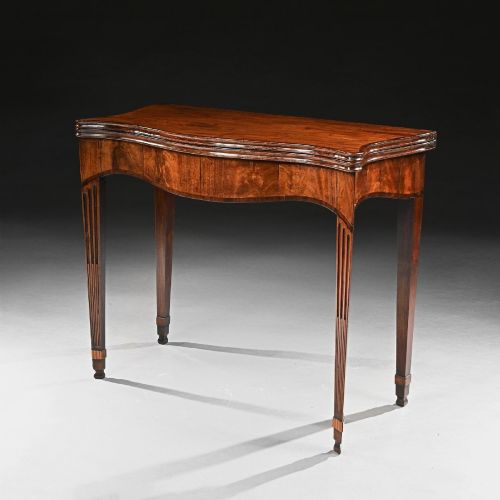
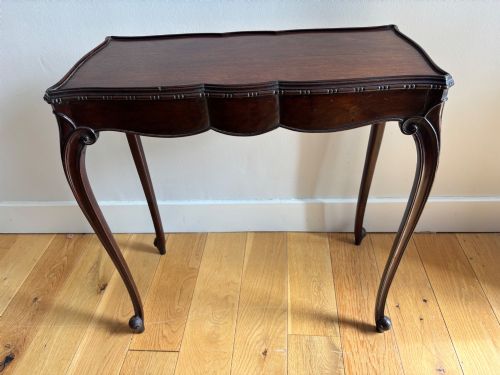
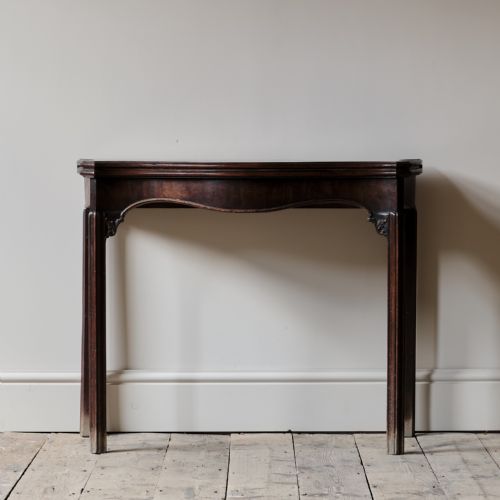
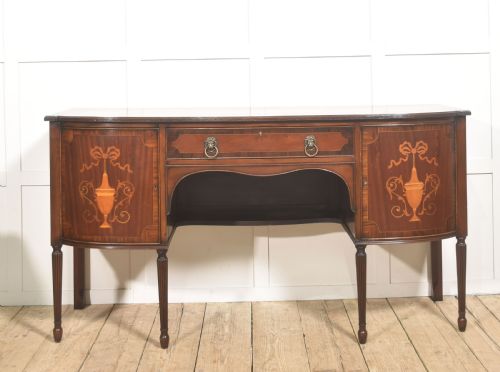
A george iii serpentine table encompasses a variety of forms designed for dining, socialising, and display, with sideboards, serving tables, and card tables appearing most frequently. These pieces are defined by their undulating fronts that curve outward and inward, creating a dynamic silhouette typical of the Georgian period.
How they were made
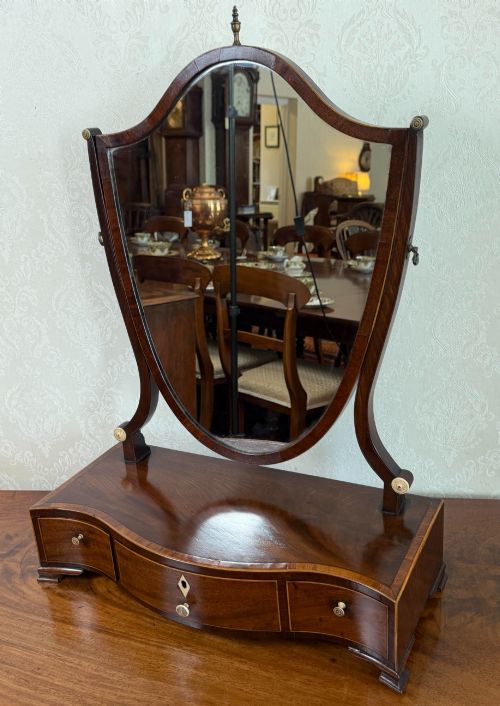
Makers relied primarily on solid mahogany and flame mahogany veneer, often enhanced by contrasting boxwood and satinwood inlay to define the curved outlines. Glass and brass fittings also feature on mirrors and tables from the period.
The construction of a serpentine front required precise timber selection and careful shaping of the rails and tabletops to maintain structural integrity across the curves. Figured veneers were matched symmetrically across the undulating surfaces to create visual depth.
George III Serpentine Table Retail Price Guide 2026
Typical asking prices for george iii serpentine table among the pieces listed under this phrase on Sellingantiques today, from the lower quarter to the upper quarter. They describe what is for sale here now, not the wider market.
Listings feature mahogany, satinwood, and boxwood, spanning the Georgian period, the 18th century, and later Edwardian revivals.
What varies in quality
Quality rests in the handling of the timber figure and the crispness of any neoclassical carving or stringing. Tables with well-figured mahogany and carefully aligned grain patterns demonstrate superior craftsmanship compared to plainer examples.
The subtlety of the curve and the proportion of the legs relative to the serpentine top separate standard output from more ambitious pieces. Details such as original brass hardware and fine boxwood inlay elevate the stature of a table.
The George III Serpentine Table Glossary
- Serpentine
- A furniture front characterised by a wavy outline with a convex centre flanked by concave curves, or vice versa. This shaping demands advanced joinery skills to execute cleanly.
- Figured mahogany
- Timber exhibiting distinctive natural grain patterns, such as flame or fiddleback, prized for its decorative appearance on tabletops and drawer fronts. It reflects the careful selection of logs by period artisans.
- Card table
- A folding table designed for gaming, typically featuring a baize-lined interior and a folding top supported by a swinging leg. These pieces were central to 18th-century domestic social life.
- Inlay
- A technique where contrasting woods like boxwood or satinwood are inserted into recesses in the primary timber to form decorative borders or motifs. It provides linear definition to the curves of the furniture.
- Patina
- The surface sheen and mellow colour developed by aged wood through handling, waxing, and exposure to light over centuries. It serves as an indicator of age and careful maintenance.
George III Serpentine Table: Frequently Asked Questions
What is a serpentine table?
A serpentine table is a piece of furniture featuring a distinctive undulating front edge that curves inward and outward. These tables were produced during the 18th century and later periods in forms such as serving tables, side tables, and card tables.
Cabinetmakers shaped the wooden frames to create a flowing silhouette that added movement and elegance to domestic interiors. They served practical functions in dining rooms and parlours while showcasing the skill of the woodworker.
Were these tables used for dining?
Serving tables and side tables were placed against dining room walls to hold dishes, glassware, and silver during meals. Card tables were utilised in drawing rooms for evening games of whist or chess.
Their versatile designs allowed them to function as decorative console tables when not actively in use for entertaining. The folding mechanisms on card tables enabled them to be stored compactly against a wall.
How should I care for mahogany furniture?
Maintaining mahogany furniture requires placing pieces away from direct sunlight and heat sources to prevent the wood and veneers from drying out. Regular dusting with a soft, dry cloth preserves the finish without harming the surface.
Applying a traditional beeswax polish occasionally helps nourish the timber and maintain its natural lustre. Avoiding moisture and placing protective pads under items placed on the surface protects the antique polish.