

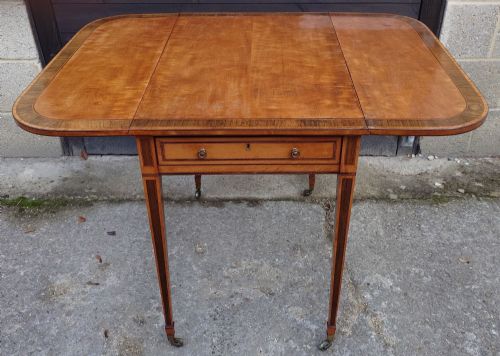
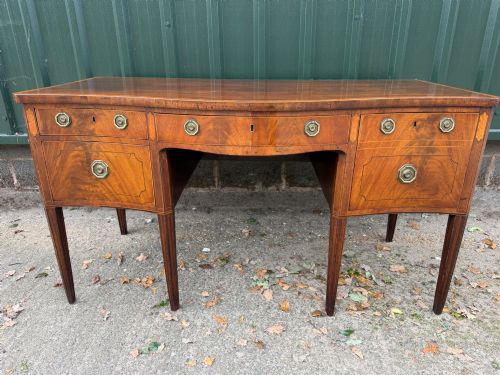
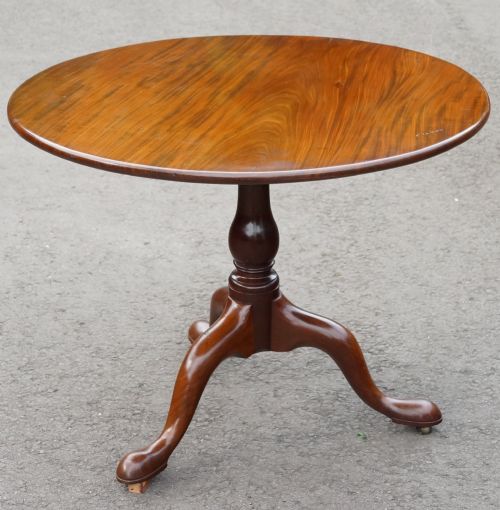
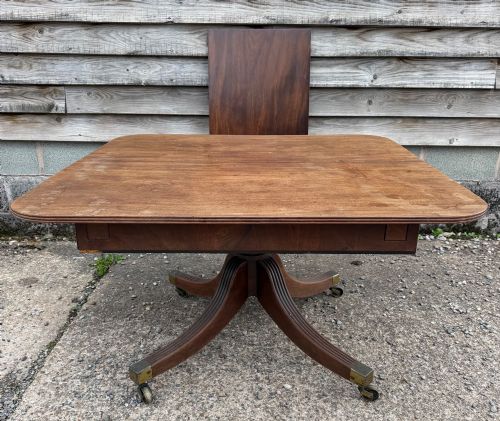

George III Period Table
These mahogany and oak pieces form the core of any serious interior, offering the dependable utility and refined proportion of a george iii period table.
George III Period Table
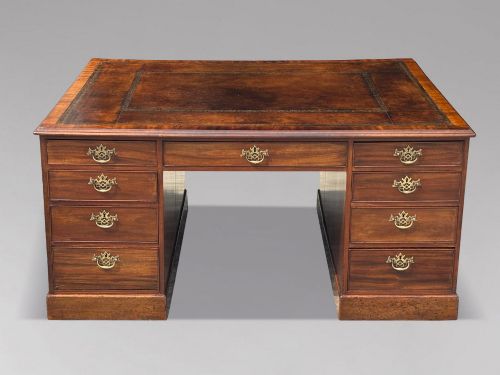
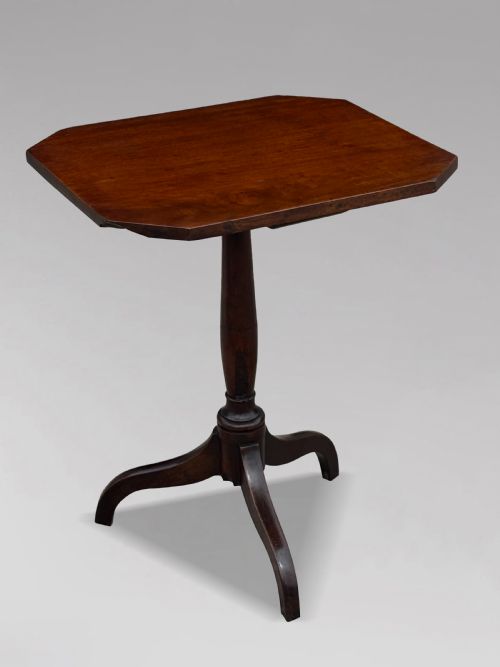
A george iii period table encompasses a diverse range of domestic forms spanning the eighteenth and early nineteenth centuries, from compact tripod tea tables and pembroke designs to large twin-pillar dining boards. Oak and mahogany dominate these survivals, reflecting the prevailing taste of the Georgian era.
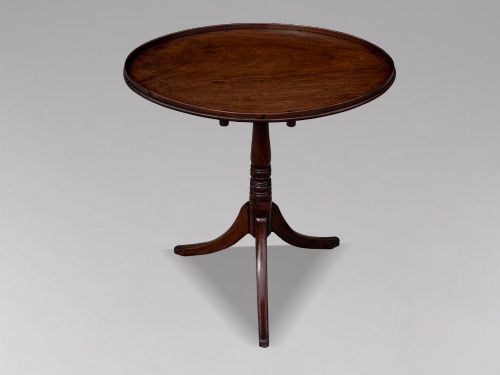
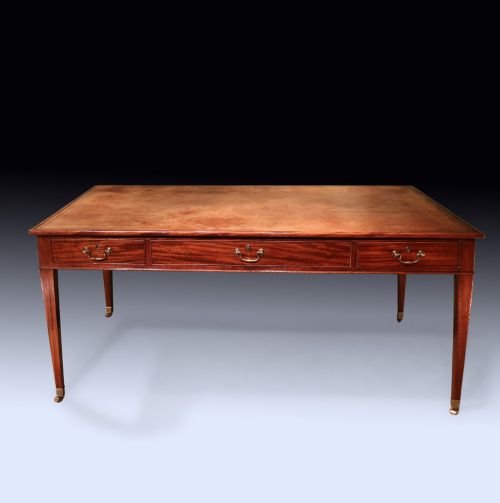
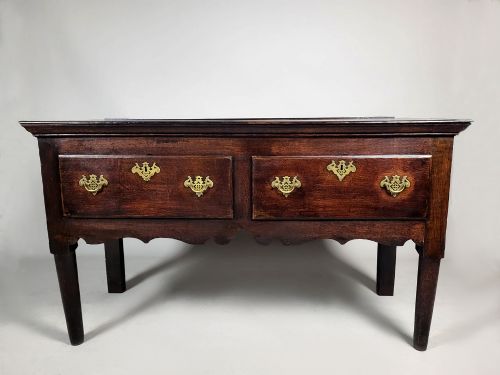
The most common examples encountered on this page are mahogany occasional, lamp, and tripod tables alongside larger dining and serving formats. Country house pieces in sturdy oak also appear regularly, offering simpler lines and robust construction suited to everyday use.
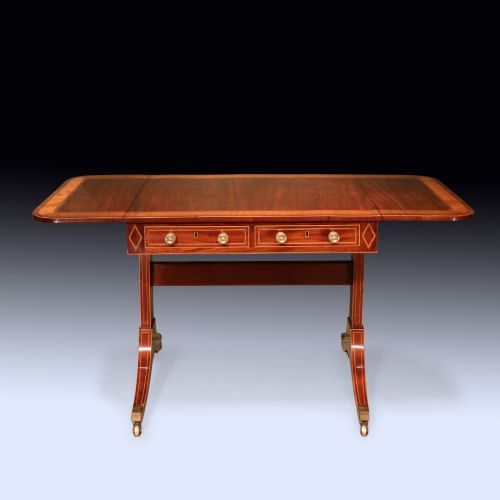
Makers of this era produced versatile furniture intended for specific rooms and functions, including breakfast tables with single-piece tops, demi-lune console tables, and drop-leaf sewing variants. Each form adheres to the classical proportions characteristic of the period style.
How they were made
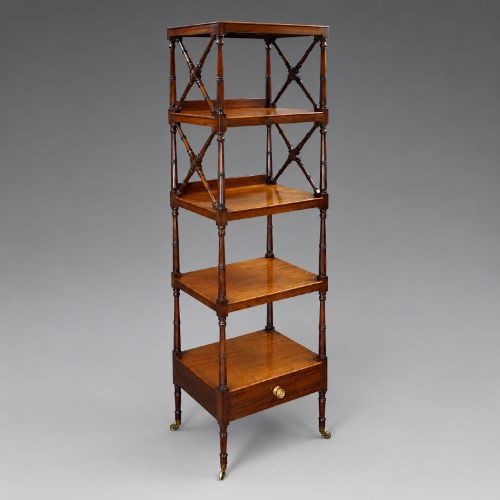
Cabinetmakers relied heavily on solid mahogany and oak, often enhancing surfaces with satinwood, boxwood inlay, or marquetry detailing on finer Sheraton and console pieces. Brass fixtures, leather inserts, and turned columns provide both structural support and decorative contrast.
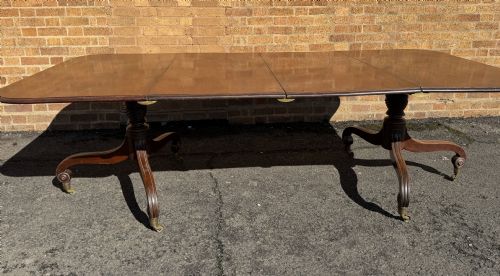
Construction techniques combined pegged mortise and tenon joints in earlier oak pieces with sophisticated veneering and dovetailing in later mahogany furniture. Tripod tables typically feature slender turned columns rising from three-legged bases, while dining tables utilise robust pillar supports.
George III Period Table Retail Price Guide 2026
Typical asking prices for george iii period table among the pieces listed under this phrase on Sellingantiques today, from the lower quarter to the upper quarter. They describe what is for sale here now, not the wider market.
Listings feature eighteenth-century and early nineteenth-century periods, utilising mahogany, oak, satinwood, and brass.
What varies in quality
Quality rests primarily on timber selection, the crispness of carved details such as pie-crust edges or bracket feet, and the integrity of the original brasses. Tables fashioned from dense, well-figured mahogany with intact secondary woods command greater regard than later replacements.
Proportion and restraint separate standard utility pieces from exceptional examples bearing delicate stringing or marquetry inlay. The retention of original patination and uncompromised structural joinery ultimately determines the standing of any individual piece.
The George III Period Table Glossary
- Tripod table
- A small freestanding table supported by a central pillar on three legs. These designs were popular for tea and occasional use during the eighteenth century.
- Pembroke table
- A small rectangular table with hinged drop leaves on either side. It typically includes one or more small drawers.
- Demi-lune
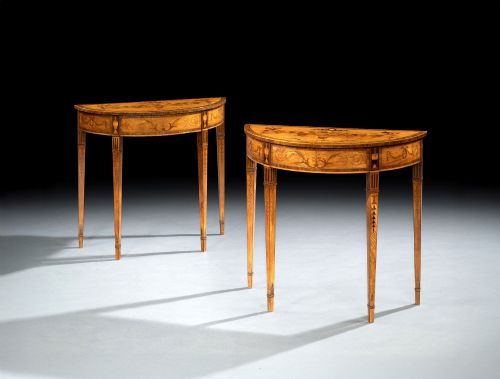
- A half-moon shape used for console and side tables designed to stand flat against a wall. They frequently incorporate satinwood and marquetry inlay.
- Dumb waiter
- A tiered revolving stand used in dining rooms to hold dishes and silverware without servant intervention. They usually feature graduated circular trays on a central column.
- Tray top
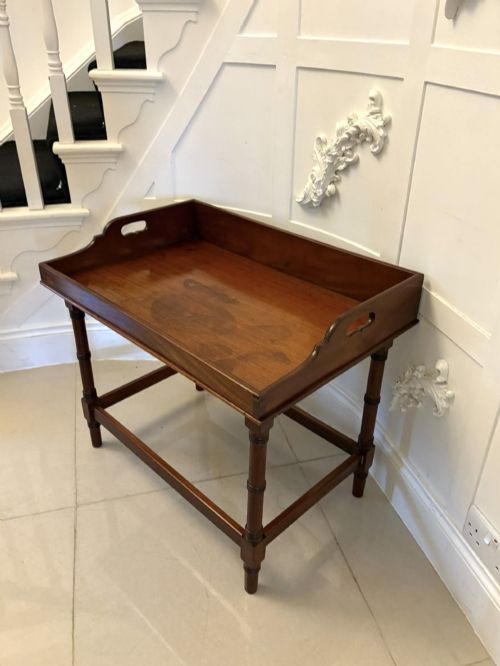
- A tabletop finished with a raised rim or gallery to prevent items from sliding off. This feature is common on small lamp tables and commodes.
George III Period Table: Frequently Asked Questions
How do I care for a mahogany table?
Keep wooden furniture away from direct heat sources and strong sunlight to prevent timber shrinkage and fading. Regular dusting with a soft, dry cloth preserves the original polish.
Apply a traditional beeswax polish sparingly when the wood appears dry, buffing gently to maintain a soft sheen. Avoid placing damp or hot items directly on antique surfaces.
Can I use a Georgian dining table daily?
These tables were built for daily household service using seasoned hardwoods and robust joinery. Using them for modern dining aligns entirely with their original domestic purpose.
Protect the surface with heat-resistant mats and table pads during meals to prevent water rings and scorching. Regular use helps maintain the moving parts of extending dining formats.
What is the difference between oak and mahogany pieces?
Oak furniture typically dates from earlier country traditions, displaying a heavier grain and straightforward construction suited to vernacular interiors. Mahogany emerged later as the premier timber for sophisticated urban cabinetmaking.
Mahogany allowed for sharper carved details, finer veneers, and lighter structural forms. Oak pieces offer rustic charm and durability, whereas mahogany brings classical elegance.
How do I identify a Pembroke table?
Look for a compact rectangular top flanked by two hinged drop leaves that can be raised or lowered as needed. They often stand on slender tapered legs with castors.
Many examples include a functional drawer at one end and a false drawer front opposite for symmetry. Their versatile footprint made them useful as breakfast or writing desks.