







George III Dressing Chest
A george iii dressing chest brings together utility and elegance, offering refined storage and writing spaces crafted during the Georgian era.
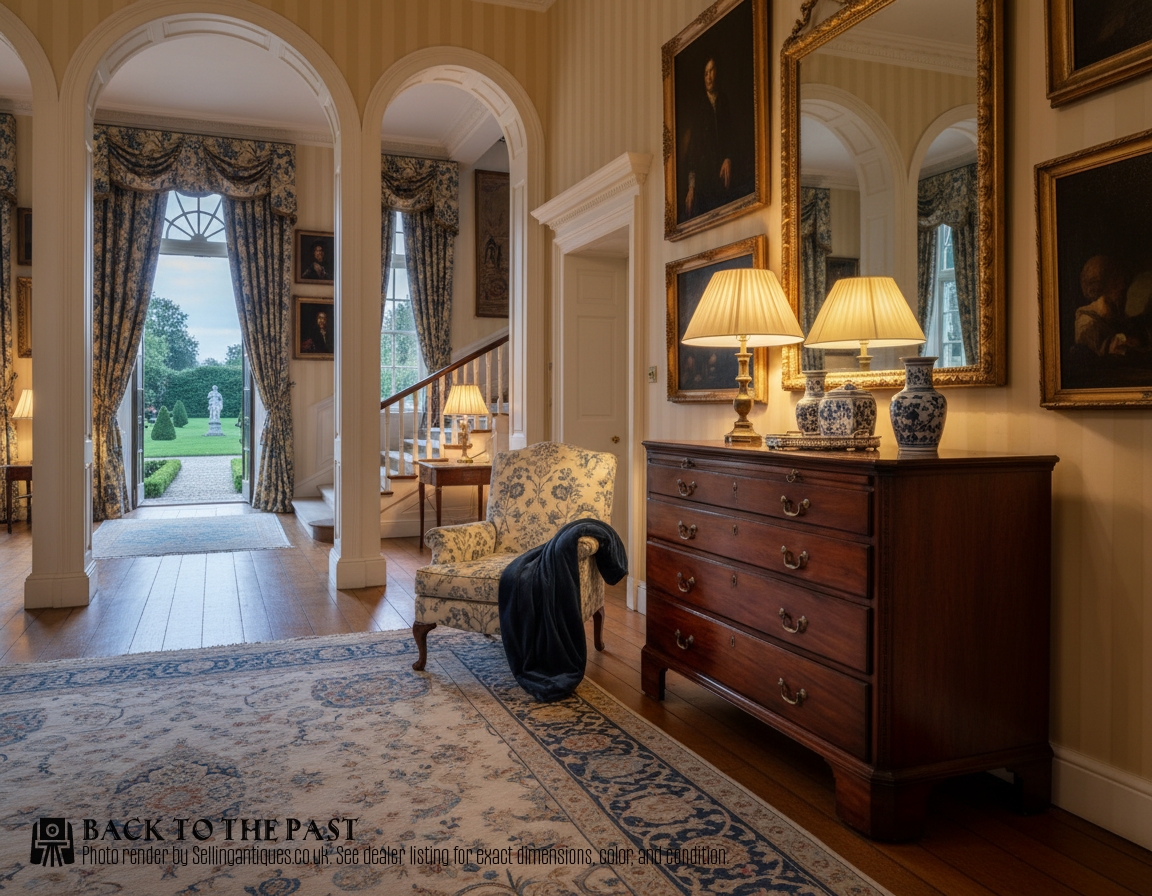
George III Dressing Chest
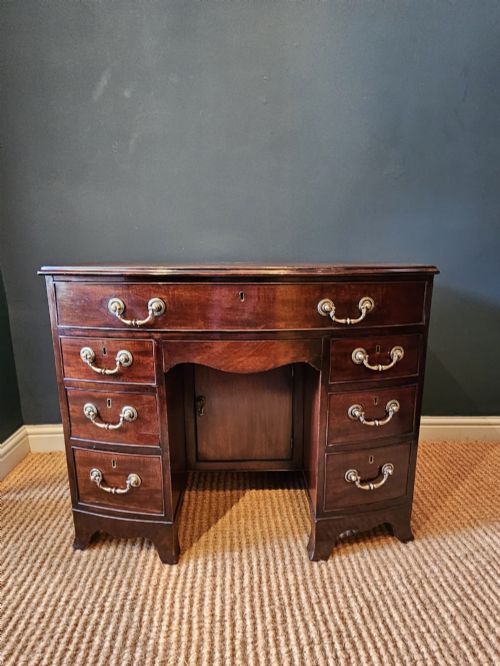
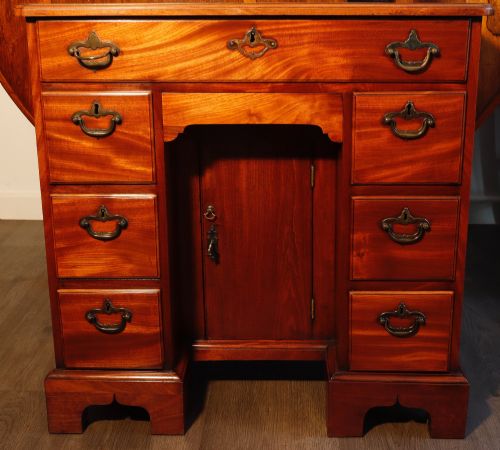
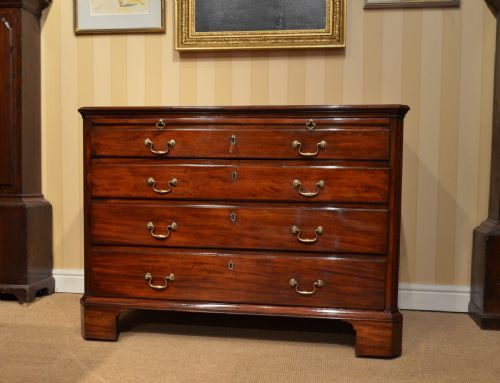
A george iii dressing chest is a multi-functional piece of furniture from the Georgian period designed for personal grooming, writing, and storage. These pieces combine drawers, writing surfaces, and compartments in forms ranging from standard chests to kneehole desks and side tables.
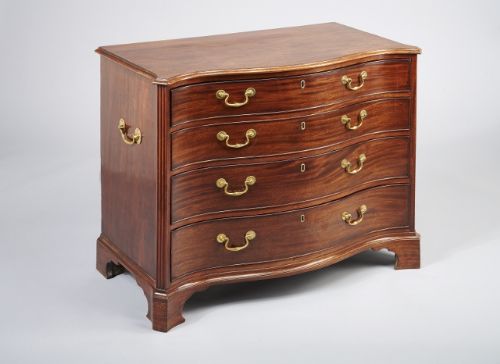
You are most likely to meet mahogany versions on this page, often featuring straight or serpentine fronts in solid timber and flame veneers. Some examples incorporate satinwood, tulipwood, oak, glass, and brass fittings.
Specialised variations also appear in the record, including travelling, campaign, and metamorphic models equipped for movement or dual purposes.
How they were made
Makers utilised solid timbers such as mahogany and oak for structural integrity, pairing them with decorative veneers like satinwood, flame mahogany, and tulipwood. Brass handles, key escutcheons, and hinges provide functional hardware accents.
Joinery techniques focus on stability and precise fit, allowing drawers, writing slides, and secret compartments to operate smoothly within compact proportions.
Listings feature Georgian period pieces constructed primarily from mahogany, oak, satinwood, and brass.
What varies in quality
The distinction at the top of the range lies in timber selection, particularly the use of highly figured flame mahogany or contrasting satinwood and tulipwood banding. Superior examples display complex serpentine or bowfront shapes that demand advanced woodworking skill.
The refinement of internal fittings, such as fitted writing drawers, integrated mirrors, and original brass hardware, further separates standard pieces from exceptional ones.
William Gomm·Chippendale·Hepplewhite
The George III Dressing Chest Glossary
- Serpentine
- A front contour characterised by a convex centre flanked by concave curves. This shape requires skilled timber shaping and adds visual movement to a chest.
- Kneehole
- A desk or dressing chest design featuring a central recessed space for the legs, flanked by columns of small drawers.
- Campaign
- Furniture designed to dismantle or fold for military travel. These pieces often feature recessed brass handles and reinforced corners.
- Metamorphic
- Furniture engineered to transform from one form into another, such as combining a writing desk with a dressing chest.
- Escutcheon
- A protective plate surrounding a keyhole. On these pieces, they are typically cast in brass.
George III Dressing Chest: Frequently Asked Questions
What is a george iii dressing chest?
A george iii dressing chest is a Georgian furniture form created for personal grooming and writing. It typically includes multiple drawers and specialised internal compartments.
These pieces reflect the refined craftsmanship and domestic requirements of the late eighteenth century.
How were these chests used?
Owners used them daily for washing, dressing, and correspondence. Many incorporate sliding writing surfaces and small compartments for bottles and powders.
Their compact layouts made them practical for bedrooms and dressing rooms of the period.
Are campaign dressing chests different?
Campaign versions are built for travel, featuring durable timbers and protective brass hardware. They often dismantle or have compact dimensions for transport.
Standard dressing chests remain stationary pieces designed for permanent room placement.
What woods were commonly used?
Mahogany is the primary timber found across these listings, often enhanced with flame mahogany veneers. Secondary woods include oak for drawer linings and satinwood for decorative contrast.
Inlays of tulipwood also appear on select refined surfaces.
How do I identify a serpentine front?
A serpentine front curves outward in the middle and inward toward the edges. This shaping requires careful cutting and bending of solid timber or veneer.
It is a hallmark of finer Georgian cabinet making.