




Georgian Timber Dresser
A georgian timber dresser brings solid craftsmanship and historic utility into a room, offering practical storage with enduring character.
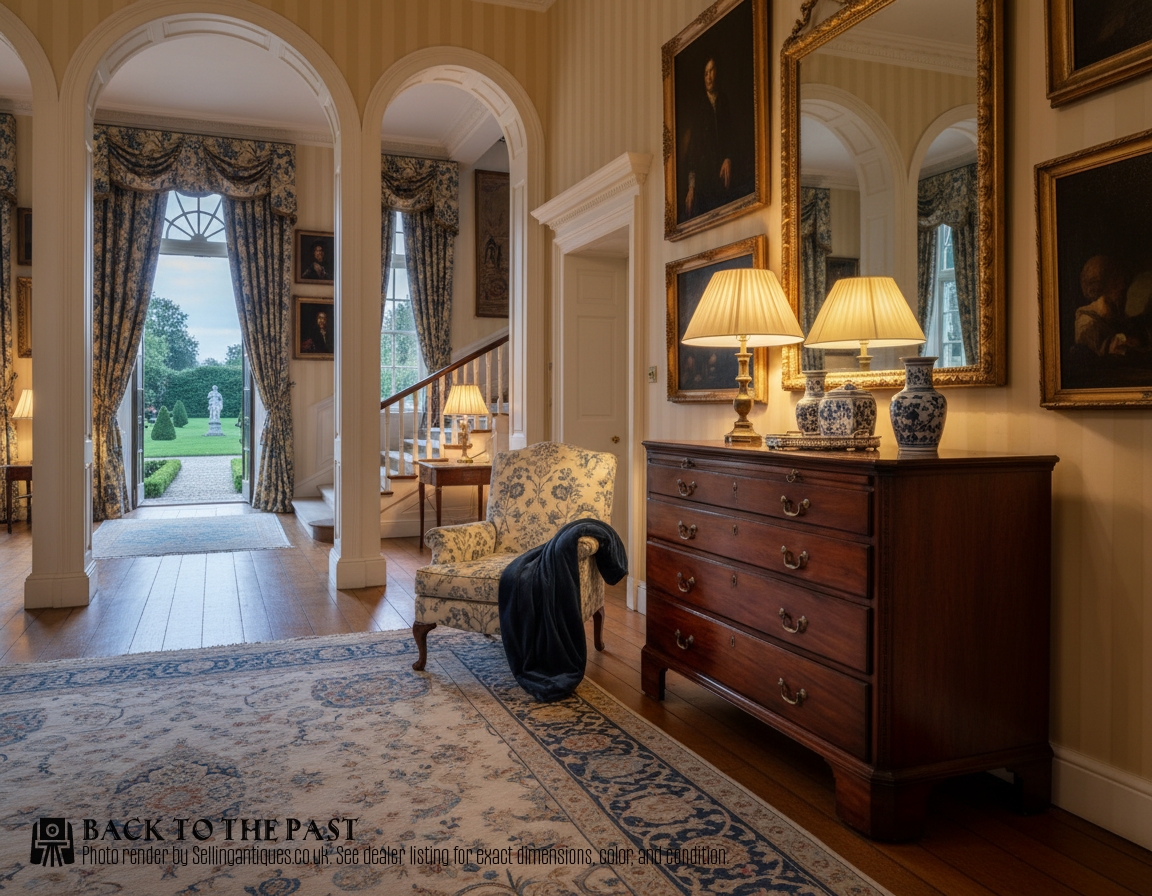
Georgian Timber Dresser
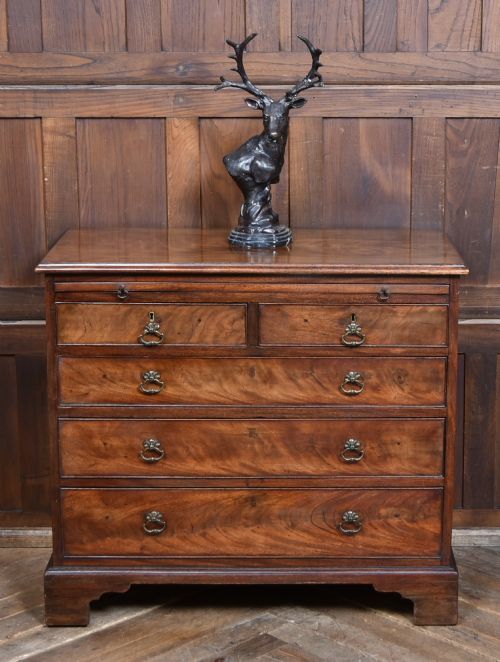
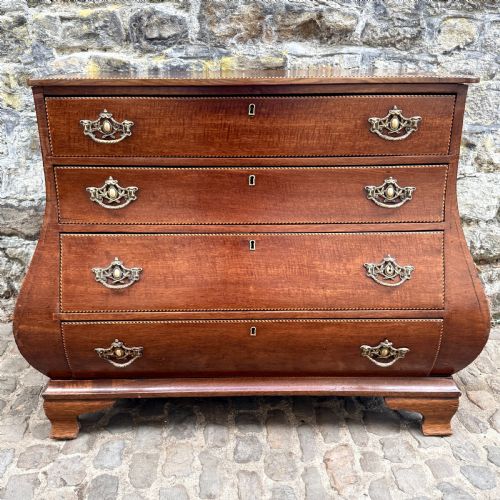
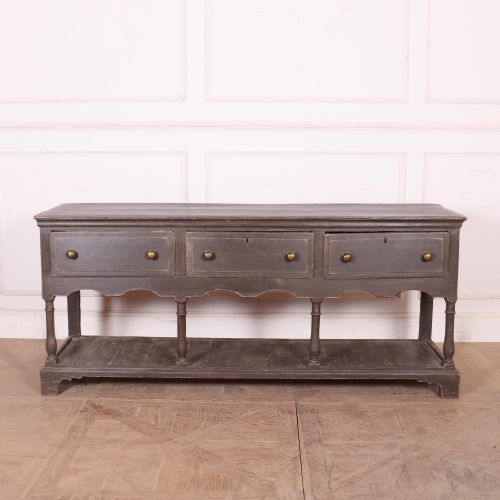
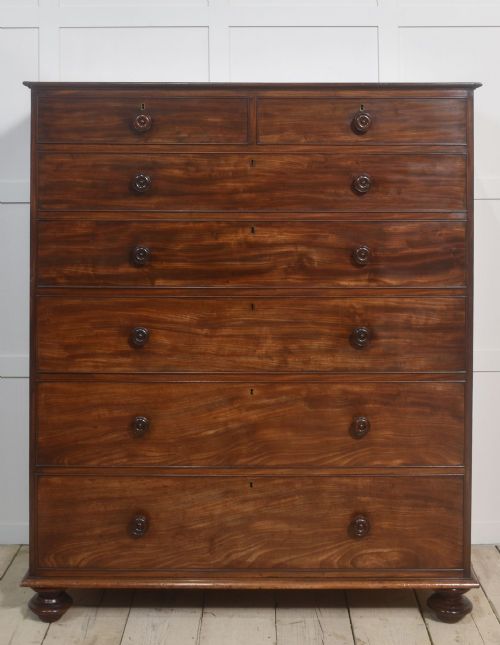
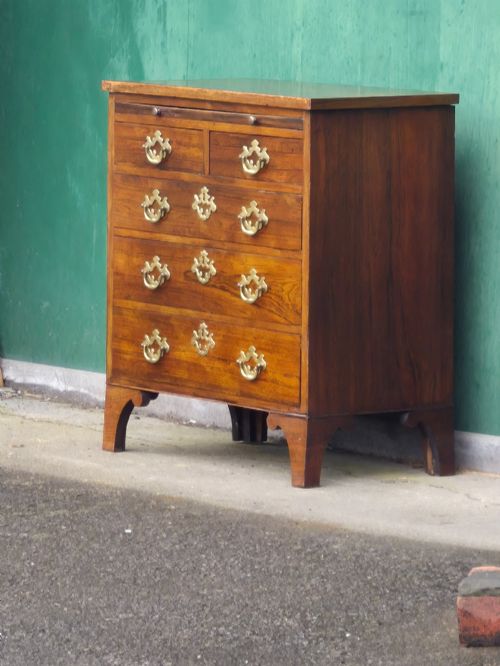
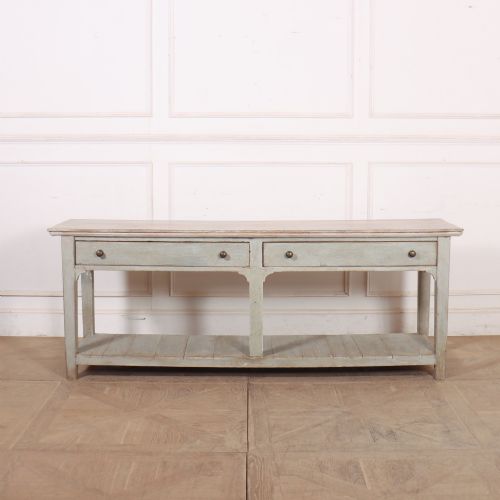
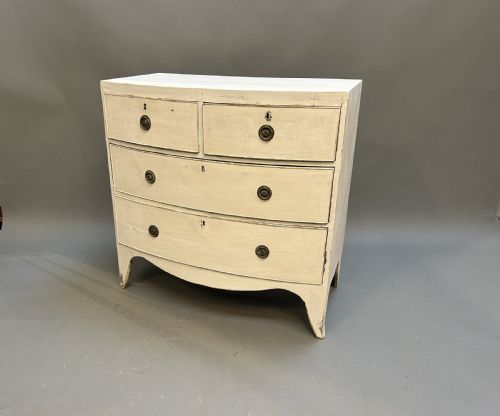
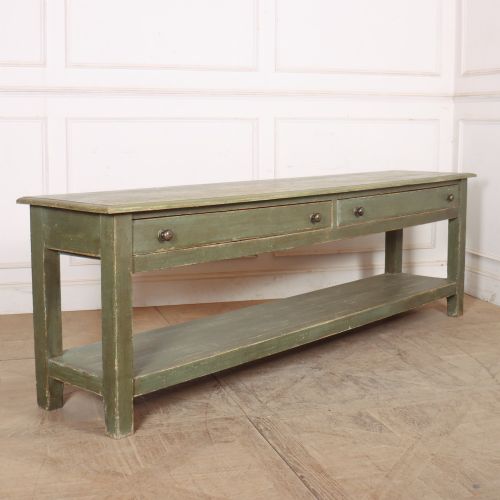
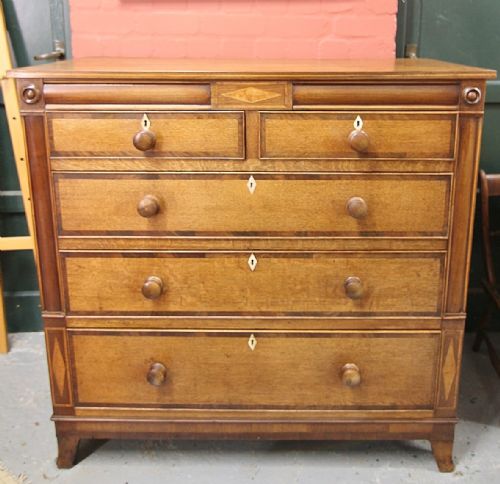
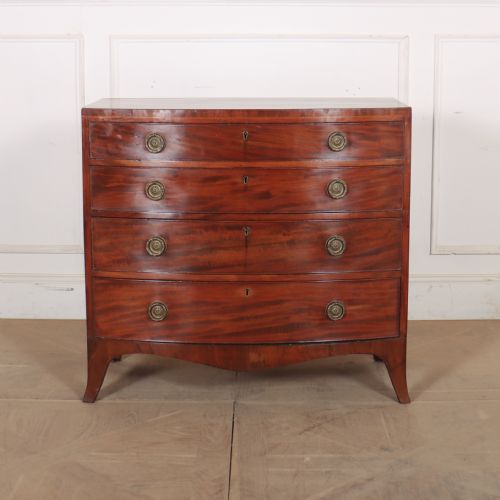
A georgian timber dresser encompasses practical storage forms from the eighteenth and nineteenth centuries, including dresser bases, potboard serving tables, and chests of drawers. These pieces reflect regional English, Welsh, and continental workshops, ranging from country house utility to formal parlour presentation.
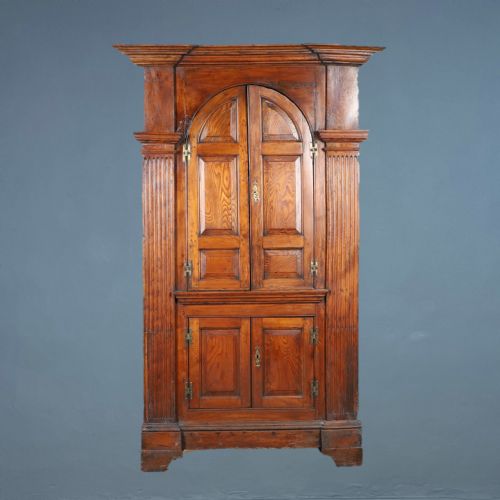
Buyers browsing this selection encounter various related storage forms, such as potboard dresser bases, linen cupboards, and architectural corner cabinets. The predominant materials span native hardwoods and softwoods like oak, elm, mahogany, walnut, and pine, often finished with paint or polish.
Materials and construction methods
Cabinet makers built these pieces using solid timbers such as oak, mahogany, walnut, and elm, frequently pairing them with secondary woods like pine for internal framing and drawer linings. Surface finishes range from traditional French polish and wax to original layers of historic paint.
Joinery techniques relied on pegged mortise and tenon frames, hand-cut dovetails for drawer construction, and brass hardware fixed with hand-turned screws. Regional variations incorporate potboard lower shelves, inlaid stringing, and applied mouldings.
Secret drawers tucked within 19th-century carcases offer hidden compartments for valuables.
Distinctions in quality and execution
Quality rests upon the selection of timber figures, such as flame mahogany or burr walnut, and the crispness of hand-cut mouldings and dovetails. Superior examples retain their original brass handles, feet, and structural timbers without extensive replacement.
The sophistication of design separates utilitarian country pieces from refined urban workshop commissions. Proportions, harmonious grain matching, and untouched surface patination elevate certain examples above standard domestic furniture.
William Gomm·C Hindley
The Georgian Timber Dresser Glossary
- Potboard
- A low open shelf beneath a dresser base or serving table, traditionally used for storing earthenware pots and heavy kitchen utensils.
- Bowfront
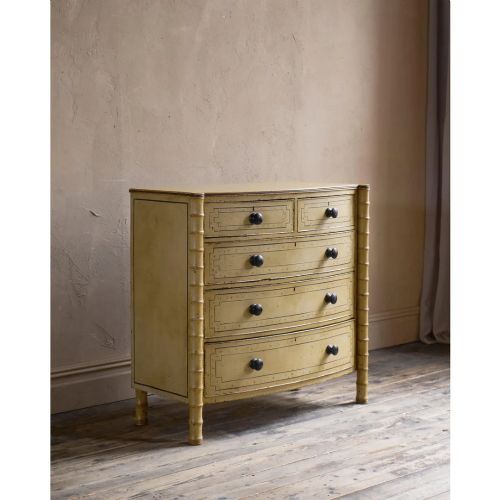
- A curved convex front profile popular on chests of drawers and cabinets during the Georgian and Regency periods.
- Dovetail
- An interlocking wood joint formed by wedge-shaped tenons and pins, used primarily in drawer construction to ensure durable corners.
- Lowboy
- A small low table with drawers, functioning typically as a dressing table or side table in the eighteenth century.
- Stringing
- A narrow strip of contrasting wood inlaid into a veneered or solid surface for decorative border work.
Georgian Timber Dresser: Frequently Asked Questions
What is a potboard dresser base?
A potboard dresser base is a heavy timber sideboard featuring an open lower shelf beneath the drawer section. This lower platform provided practical storage for kitchen crockery and heavy vessels in historic domestic settings.
In modern rooms, these versatile surfaces serve well in kitchens or dining spaces to display ceramics or store everyday tableware while adding historic presence.
How do I identify a Georgian chest of drawers?
Georgian chests typically display hand-cut dovetails, timber construction such as mahogany or oak, and proportions designed for domestic bedchambers or parlours. Details like bracket feet, cockbeaded drawer edges, and original brass pull handles help confirm the period.
Examining the secondary woods inside the drawers provides further clues regarding regional origin and date of manufacture.
Where should I place a timber dresser?
These large storage items suit dining rooms, hallways, or living spaces where their surface and drawer capacity can be utilised daily. Placing them away from direct heat sources protects the historic timber and maintains the finish.
Allowing sufficient clearance around the piece ensures the proportions sit comfortably within the room.
Are painted finishes period-correct?
Historic painted finishes appear on many country house pieces and regional furniture, offering an alternative to polished hardwood surfaces. Original paint layers contribute significant character and document the decorative preferences of past centuries.
Careful inspection under natural light helps determine whether a painted surface retains its historic integrity.