


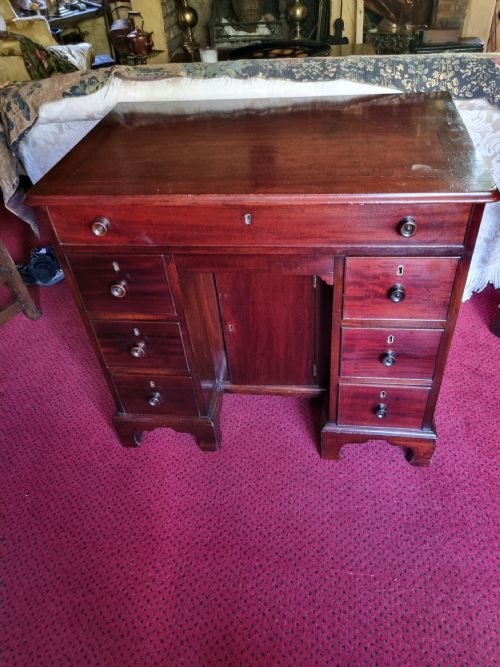


Brown Wood Dressing Chest
A brown wood dressing chest offers genuine period character and practical storage, combining rich timber grains with functional surfaces for the bedroom.
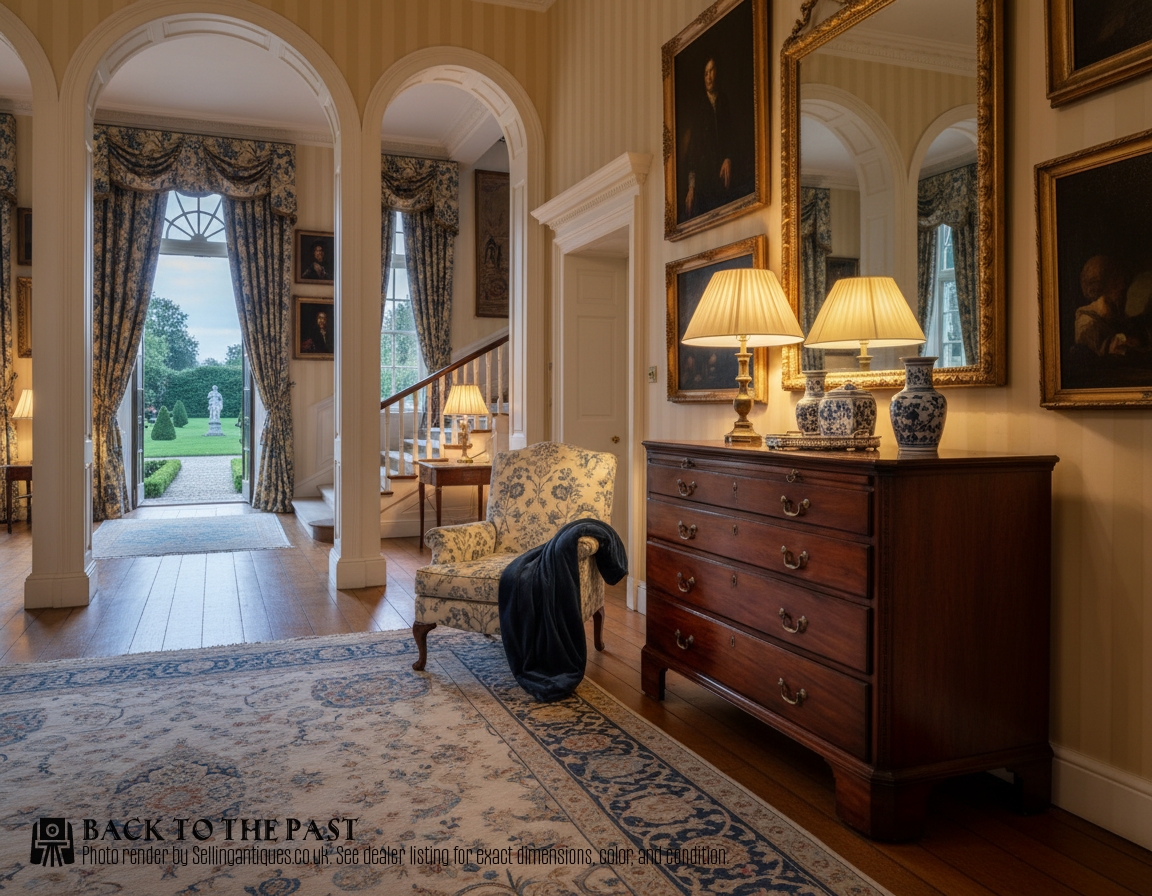
Brown Wood Dressing Chest
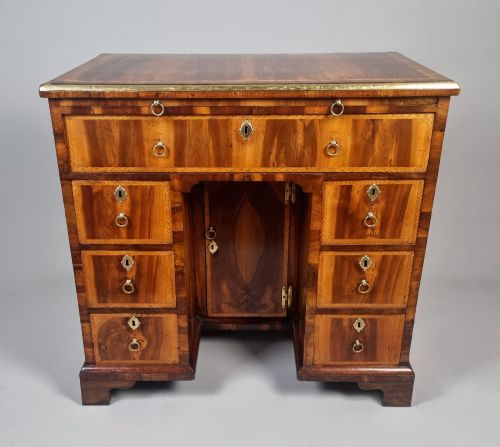
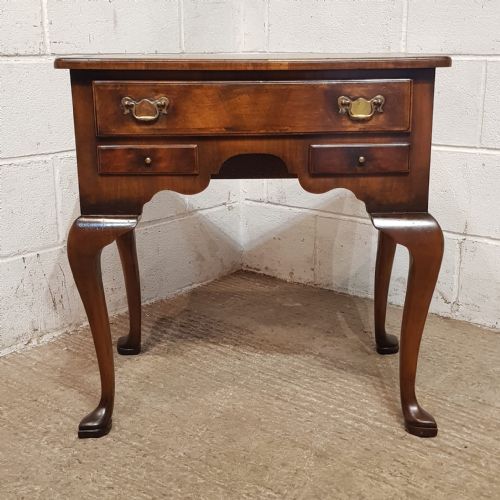
When you search for a brown wood dressing chest, you encounter a variety of forms including dressing tables, lowboys, kneehole desks, and chests of drawers from Georgian, Victorian, and Edwardian periods.
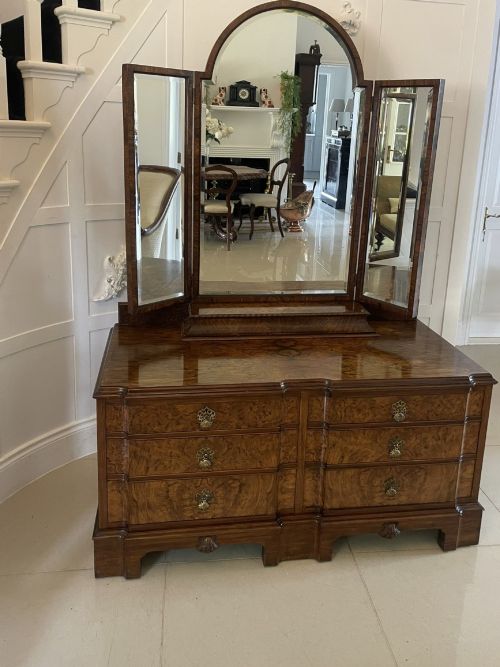
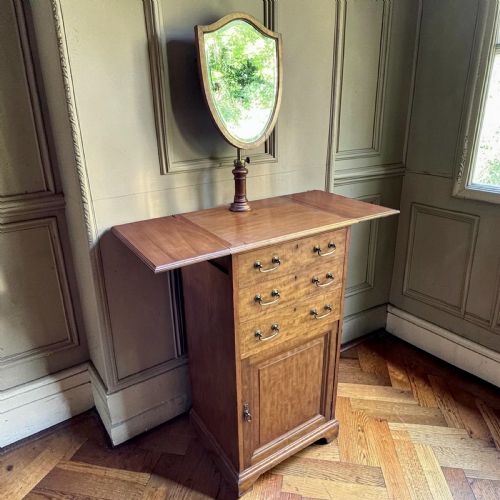
The pieces on this page span several centuries, with Edwardian mahogany versions featuring adjustable mirrors appearing alongside earlier George II yew wood designs and Victorian walnut pedestal dressing tables.
Makers and craftsmen utilised rich timbers such as mahogany, walnut, yew wood, and burr walnut to construct these functional pieces, often incorporating brass hardware and mirror glass.
How they were made
Cabinet makers utilised solid timber and veneers, applying techniques such as featherbanding and marquetry inlay to enhance the natural grain of mahogany, walnut, and yew wood.
Construction frequently incorporated brass handles, escutcheons, and glass elements like adjustable shield mirrors and bevelled mirror plates fitted securely to the main carcass.
Makers occasionally hid small central secret drawers inside kneehole desks for keeping private letters and currency safe.
What varies in quality
The distinction between tiers of quality rests on the selection of timber figures, such as burr walnut or yew veneer, and the crispness of any inlaid decoration or carved detail.
Original hardware, sound drawer construction with tight joints, and surviving contemporary mirrors or brasses elevate an example far above pieces with replaced components.
Edwards & Roberts·William Gomm·Whytock & Reid
The Brown Wood Dressing Chest Glossary
- Lowboy
- A small table with drawers, typically standing on four legs, functioning as a dressing table or side table in eighteenth-century interiors.
- Kneehole desk
- A desk or dressing chest featuring a recessed cupboard or space for the legs flanked by pedestals of small drawers.
- Featherbanding
- A decorative inlay technique using veneer strips arranged in a herringbone or V-shaped pattern around drawer fronts and borders.
- Pedestal dressing table
- A large dressing table supported by two banks of drawers or columns, popular during the Victorian period.
Brown Wood Dressing Chest: Frequently Asked Questions
What is a brown wood dressing chest?
A brown wood dressing chest is a period furniture piece designed for personal grooming and storage, incorporating drawers and frequently an attached mirror.
These items range from compact Georgian lowboys to large Victorian pedestal dressing tables made from mahogany, walnut, and yew.
How do I date a dressing chest?
Dating relies on examining the construction methods, timber choice, hardware style, and secondary woods used in the drawers.
Georgian pieces show hand-cut dovetails and simpler lines, while Victorian and Edwardian examples often feature heavier pedestals or adjustable shield mirrors.
Are these dressing chests practical for daily use?
These chests provide substantial storage through multiple drawers while serving as functional surfaces or dressing areas in modern bedrooms.
Care should be taken to use coasters and avoid excessive moisture on antique timber and original veneer surfaces.
What timber was used for these chests?
Cabinet makers predominantly used mahogany, walnut, and yew wood, often enhanced by burr walnut veneers and decorative marquetry inlay.
Brass handles and glass mirrors complete the primary materials found across these historical pieces.