
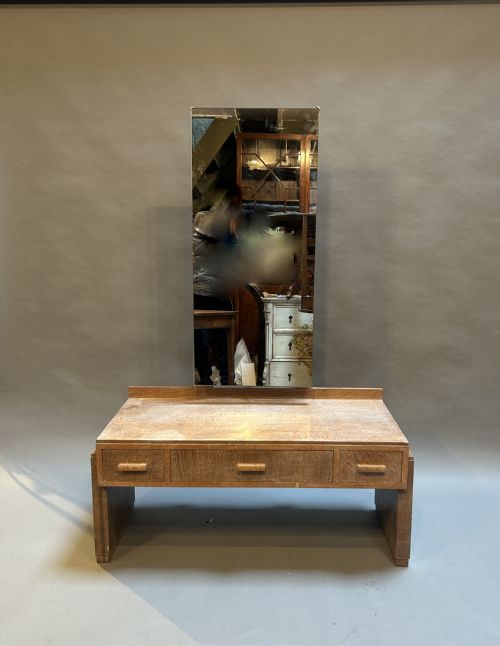
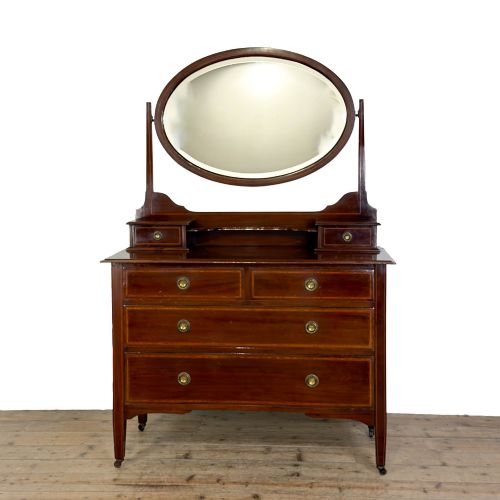


Antique Mirror Vanity Unit
An antique mirror vanity unit is a functional dressing piece designed to reflect light and hold grooming items.
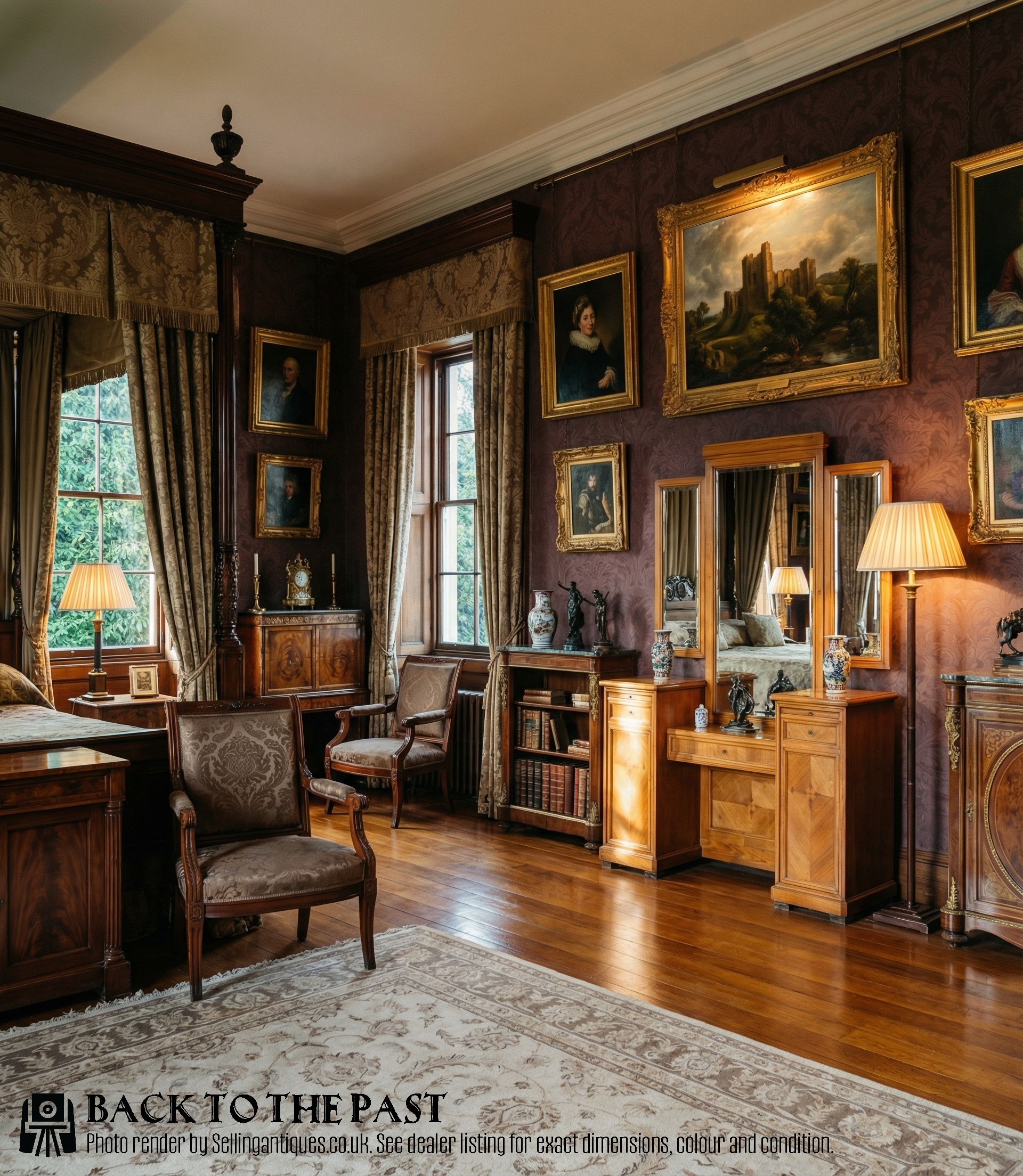
Antique Mirror Vanity Unit
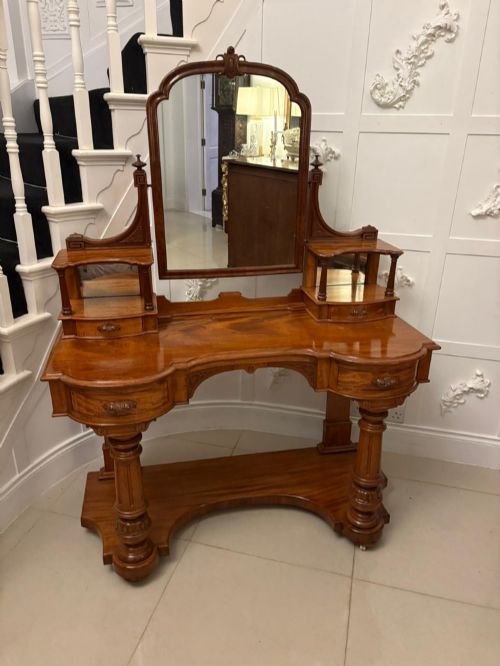
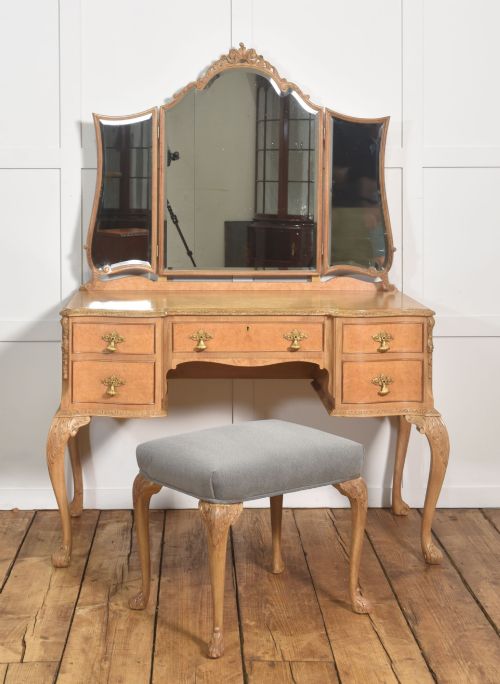
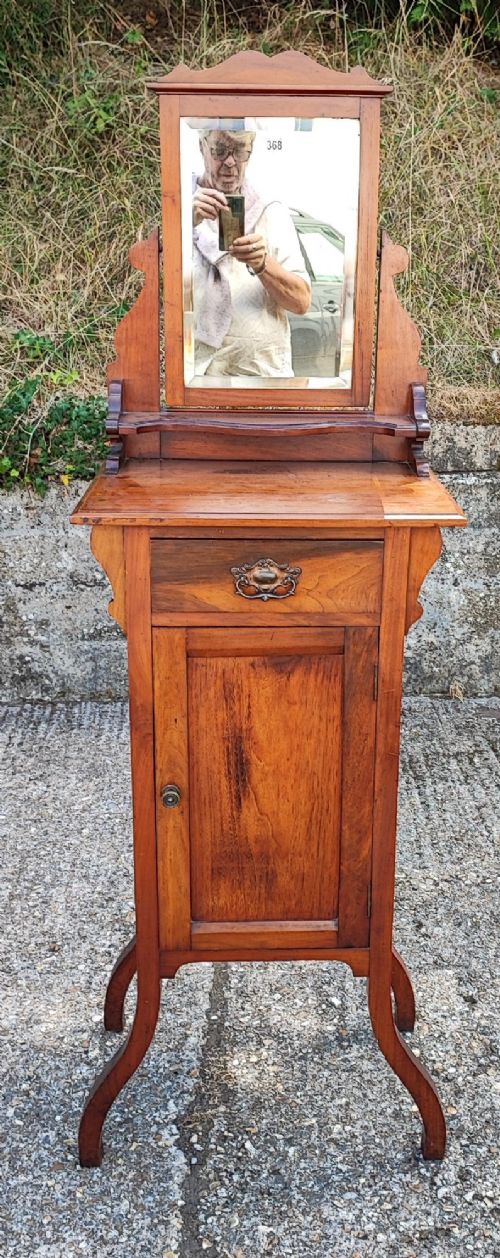
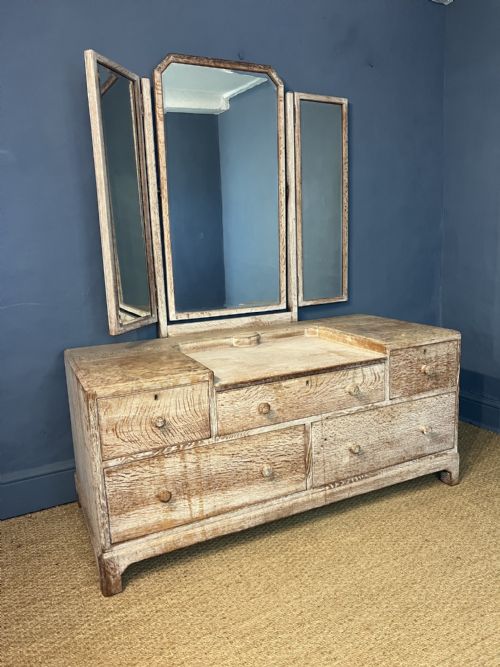
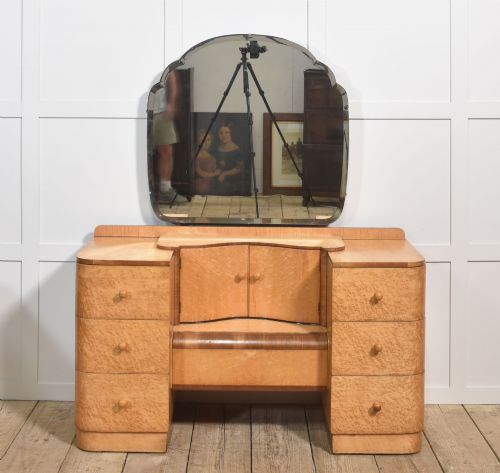
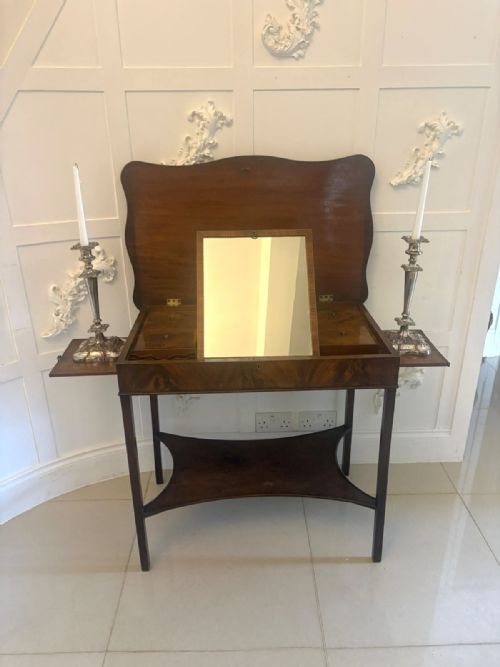
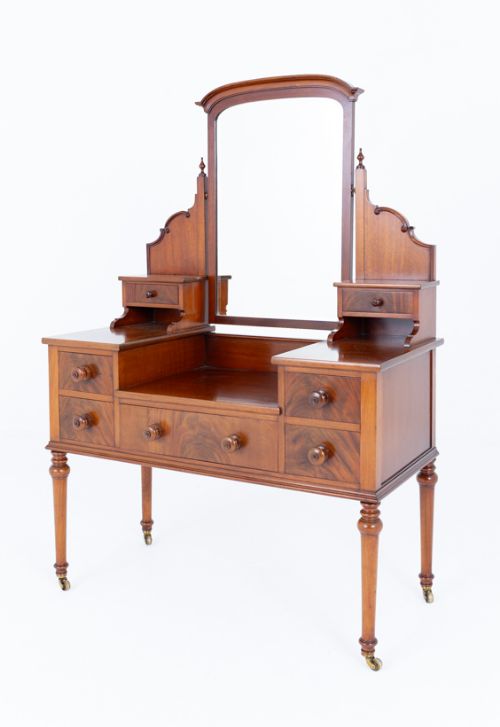
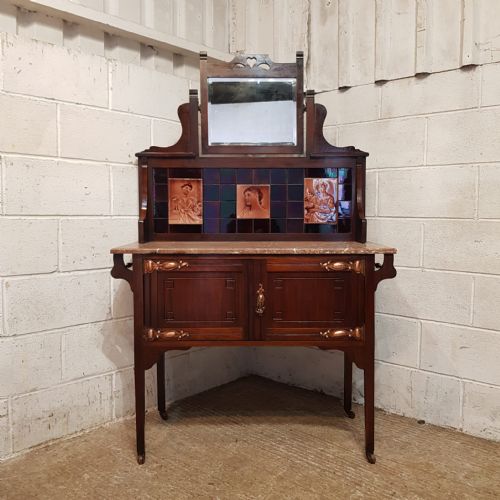
When you search for an antique mirror vanity unit, you are looking at dressing tables, washstands, dressing chests, and shaving stands that incorporate mirrors for personal grooming.
The pieces on this page span several periods, from the eighteenth century through the Victorian, Edwardian, and Art Deco eras, reflecting shifting domestic habits.
Victorian and Edwardian iterations in mahogany, oak, and walnut are most common here, frequently equipped with pivoting or fixed looking glasses.
Makers such as Harrods, Heal's, and Edwards & Roberts supplied these items for bedrooms and dressing rooms, pairing utility with cabinet-making skill.
How they were made
Cabinet makers utilised solid woods like mahogany, oak, walnut, and satinwood, often applying veneers such as burr walnut or maple to create decorative grain patterns.
Surfaces frequently feature intricate details including marquetry inlay, brass hardware, and marble tops, particularly on French and washstand variations.
Mirrors were typically silvered glass set into adjustable wooden frames, supported by sturdy pedestals or integrated directly into the chest superstructure.
The furniture spans multiple design movements, encompassing Victorian, Edwardian, Arts and Crafts, Art Nouveau, and Art Deco styles.
What varies in quality
The distinction between standard utility items and finer pieces lies in the selection of timber and the precision of the joinery.
Attribution to documented makers or retail houses elevates a piece, as does the survival of original stencilled decoration, glass, and brass fittings.
Proportion and balance across the drawers, supports, and mirror frames determine the visual success of the dressing furniture.
Maple and Co·Edwards and Roberts·Shapland and Petter·Harry and Lou Epstein·Maurice Adams·James Shoolbred·Harris Lebus
The Antique Mirror Vanity Unit Glossary
- Vanity unit
- A piece of bedroom furniture equipped with a mirror and surfaces for personal grooming and toiletries.
- Pedestal dressing table
- A dressing table flanked by banks of small drawers reaching down to the floor on either side.
- Marquetry
- Decorative inlay work using various woods to create pictorial or geometric patterns on the surface.
- Shaving stand
- A specialist piece featuring an adjustable mirror and small compartments designed specifically for men's grooming.
- Limed oak
- Oak treated with a finish that lightens the grain, popular during the Art Deco period.
- Burr walnut
- Wood taken from a tree growth that produces complex, swirling grain patterns highly valued in veneer work.
Antique Mirror Vanity Unit: Frequently Asked Questions
How do I date an antique mirror vanity unit?
Dating relies on stylistic clues, construction methods, and materials recorded in the specific piece. Victorian examples often feature heavy carved mahogany, while Art Deco pieces from the nineteen-thirties utilise burr walnut or limed oak.
Examining drawer linings, backboards, and mirror bevels helps confirm the period of manufacture.
Are these units suitable for modern bedrooms?
These pieces function well in contemporary settings as dressing tables, desks, or hallway statement pieces. Their compact footprints and built-in storage drawers offer practical utility today.
Matching the wood tone to existing interior decor ensures the unit integrates smoothly into a modern home.
What is the difference between a dressing table and a washstand?
Dressing tables are designed for grooming and cosmetics, typically featuring mirrors, small drawers, and kneeholes. Washstands were originally built to hold jugs, basins, and slop pails for washing.
Many washstands now serve as vanity units or decorative surfaces in bedrooms and bathrooms.
How do I care for antique wood and glass?
Maintaining these surfaces requires dusting with a dry, soft cloth and avoiding silicone-based polishes that build up over time. Keeping the wood away from direct sunlight and radiators prevents warping and splitting.
Glass mirrors should be cleaned with a mild glass cleaner applied to the cloth rather than sprayed directly onto the frame.