

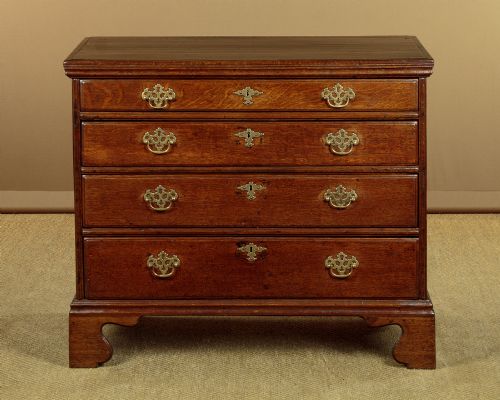
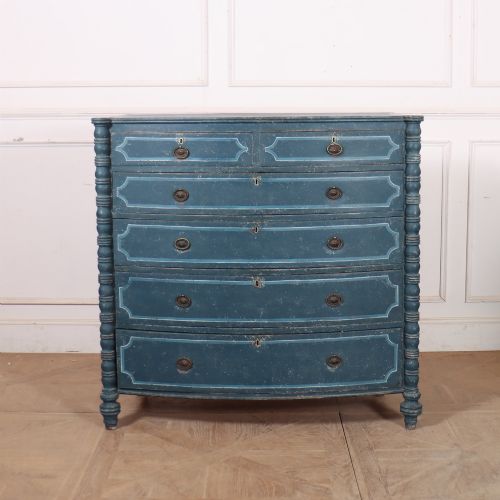
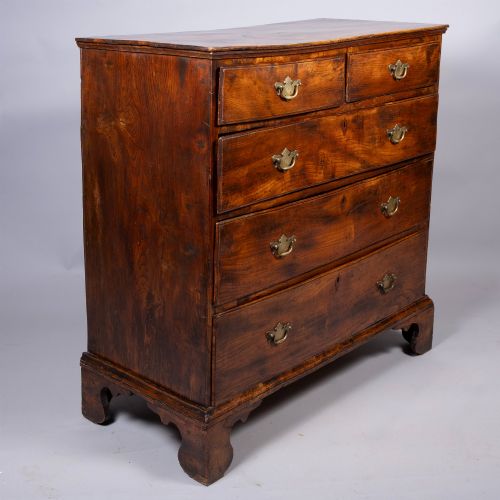
English Georgian Commode
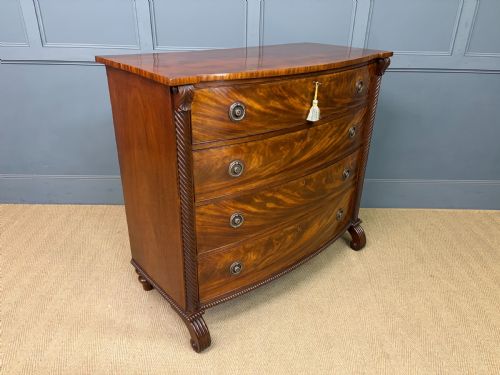
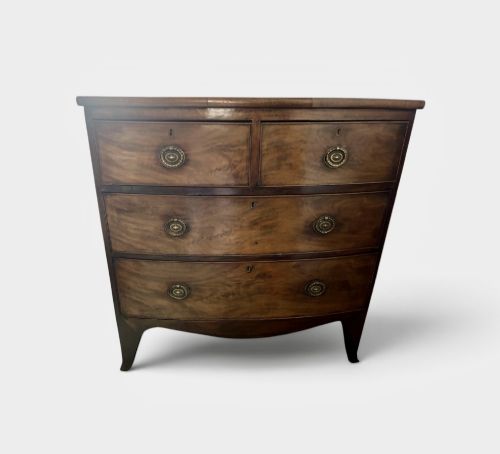
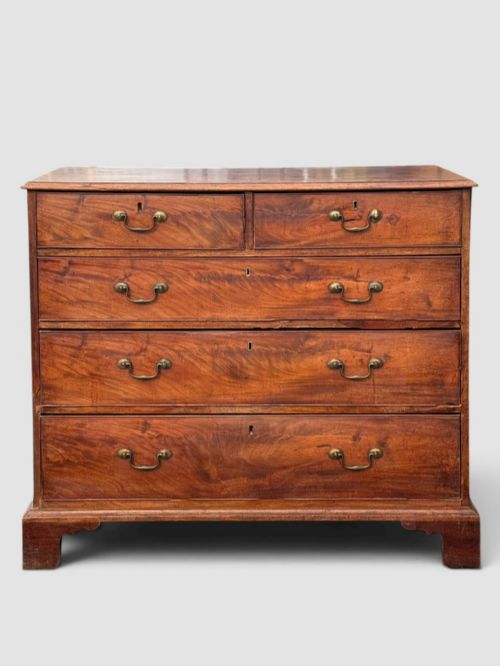
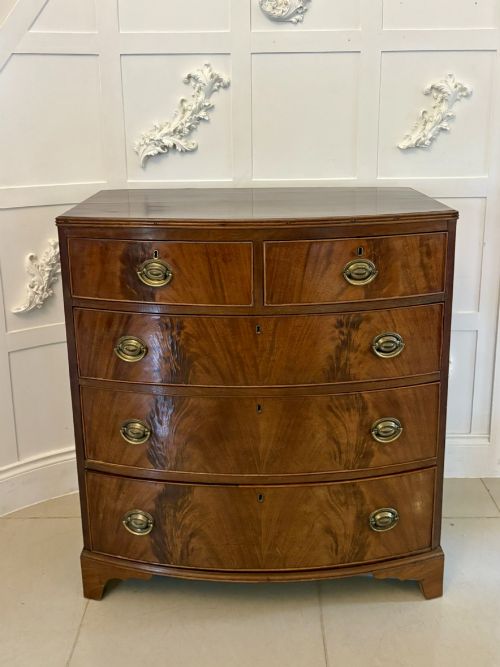
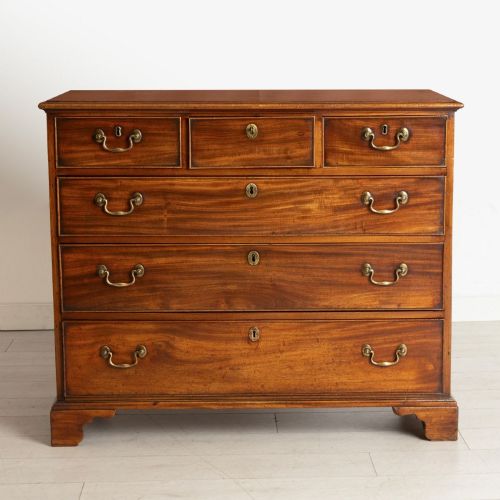
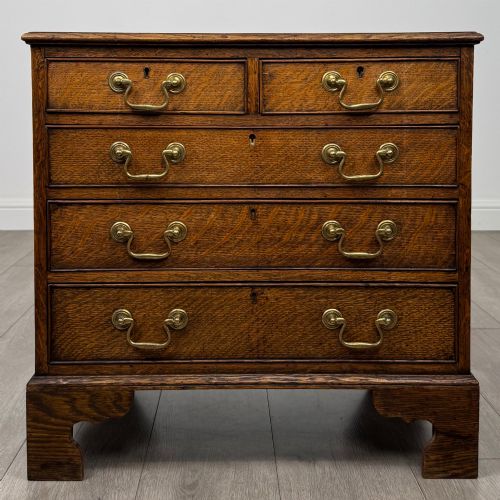
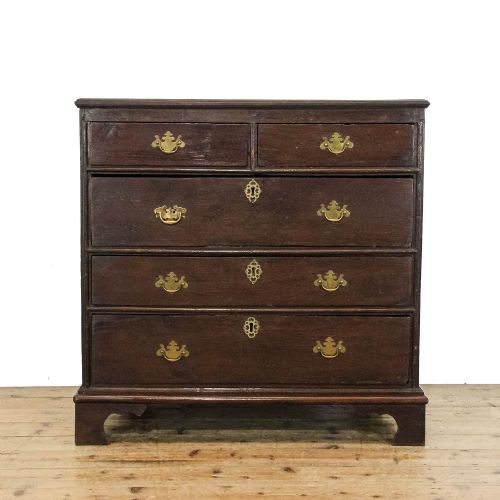
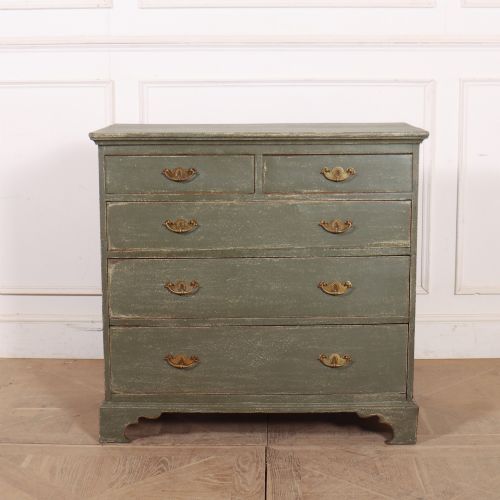
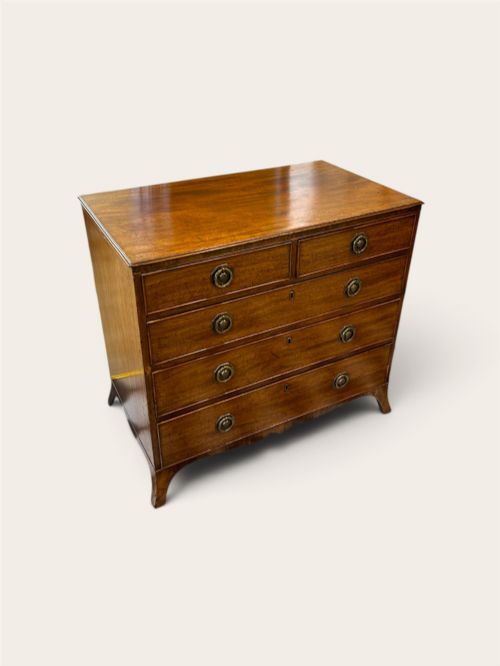
An English Georgian commode brings rich mahogany timber and disciplined proportions to a room, offering both formal presence and generous storage.
English Georgian Commode
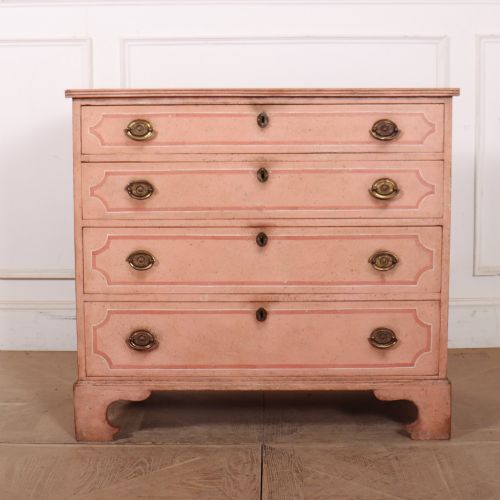
The search for an english georgian commode directs attention to case furniture spanning the 18th century, incorporating related forms such as chests of drawers, bedside tables, and commode-shaped items. The evidence shows these pieces frequently appear alongside connected oak, walnut, and mahogany chests.
Buyers are most likely to encounter mahogany and oak examples bearing the hallmarks of George I, George II, and George III periods. Variations include serpentine fronts, bow fronts, and specialised pieces like bachelor chests with brushing slides.
Origins trace directly to English workshops utilising native and imported timbers. Forms range from compact bedside night cupboards to substantial serpentine chests reflecting distinct regional cabinet-making traditions.
Assessing Craftsmanship and Material Selection
Distinction across the range rests on the choice of timber figures, such as highly figured mahogany, burr elm, or walnut. Finer examples display meticulous cross-banding and sophisticated serpentine or demi-lune profiles rather than simple rectilinear carcases.
The integration of original brass hardware, stable drawer construction, and sophisticated edge treatments differentiate standard utilitarian pieces from high-status cabinet-work produced by accomplished workshops.
An inquisitive household cat will immediately test the sliding action of an 18th-century brushing slide.
The English Georgian Commode Glossary
- Commode
- A low cabinet or chest of drawers developed during the 18th century. These pieces often feature decorative veneers and serpentine or bowed fronts.
- Brushing slide
- A pull-out shelf integrated above the top drawers of a chest. It served as a temporary writing surface or brushing tray.
- Feather-banding
- Inlaid banding formed from small veneer strips cut diagonally to create a herringbone pattern. It frames drawer perimeters on walnut and mahogany furniture.
- Serpentine front
- A furniture front curving outward in the centre and inward at the sides. This contour requires advanced woodworking skill to execute properly.
- Cross-banding
- Border veneer laid with the wood grain running perpendicular to the surrounding surface. It defines the edges of tabletops and drawer fronts.
English Georgian Commode: Frequently Asked Questions
What is an English Georgian commode?
An English Georgian commode is a piece of case furniture from the 18th century designed for storage, often featuring decorative wood veneers and shaped drawer fronts.
Such pieces reflect the evolving styles of the Georgian era, ranging from walnut designs under George I to mahogany and burr wood creations under George III.
How do I identify a Georgian chest of drawers?
Identification relies on examining the timber, construction methods, and hardware typical of 18th-century English cabinet-making. Common indicators include oak drawer linings, hand-cut dovetails, and period brass handles.
Stylistic cues such as bracket feet, cockbeading around drawers, and quarter-veneered walnut tops further help establish the period.
Where were these pieces used?
These items served primarily in principal bedrooms, dressing rooms, and formal parlours of Georgian homes. They provided secure storage for clothing, linens, and personal valuables.
Compact variants like bedside night cupboards and bachelor chests were tailored for specific domestic convenience near sleeping quarters.
How do I care for antique mahogany furniture?
Preserving antique timber involves maintaining stable indoor humidity and avoiding direct sunlight, which can fade figured mahogany and walnut veneers. Gentle dusting with a dry, soft cloth protects the polished surface.
Periodic application of traditional beeswax feeds the wood without building up synthetic residues that dull the natural patina.