
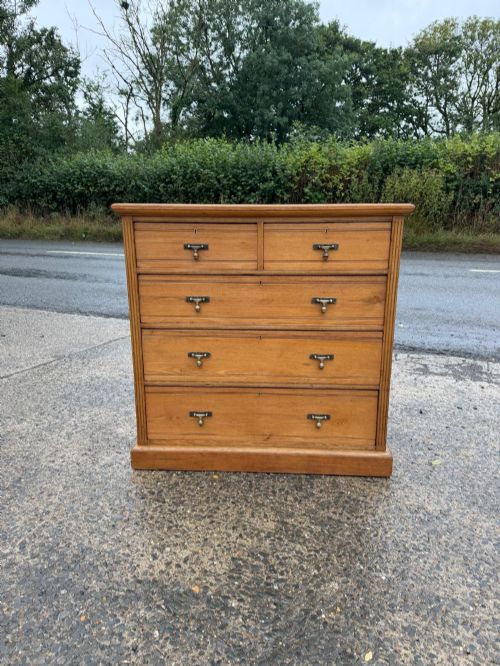
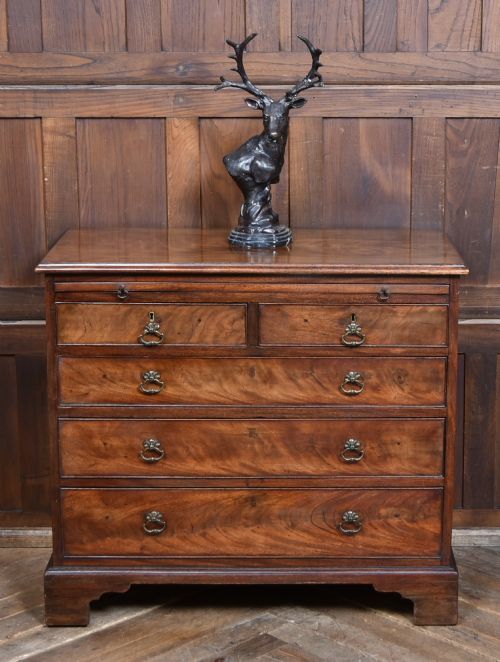
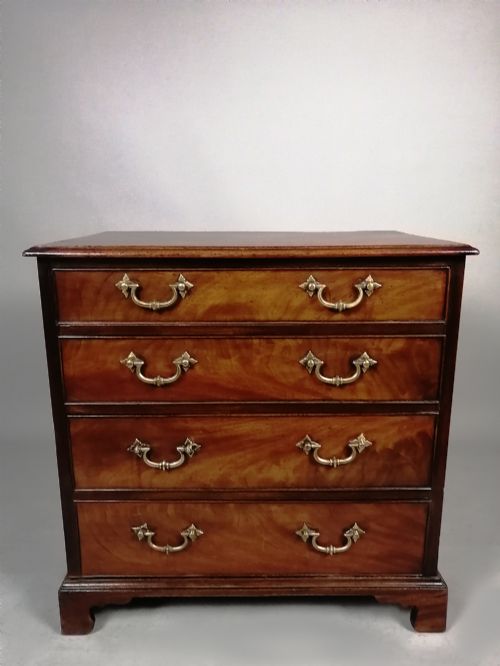
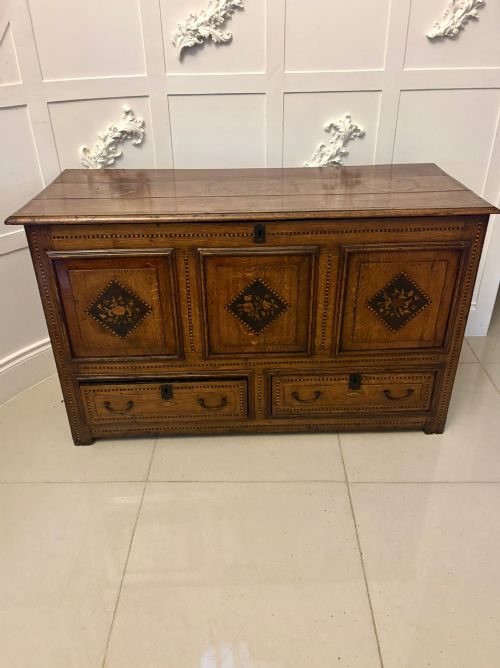
Antique Coffer Drawers
Antique coffer drawers combine deep storage boxes with functional drawer compartments, offering timeless character and robust craftsmanship for traditional interiors.
Antique Coffer Drawers
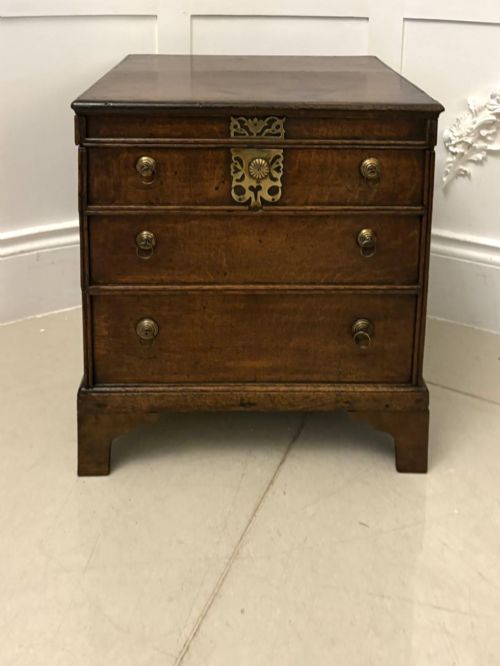
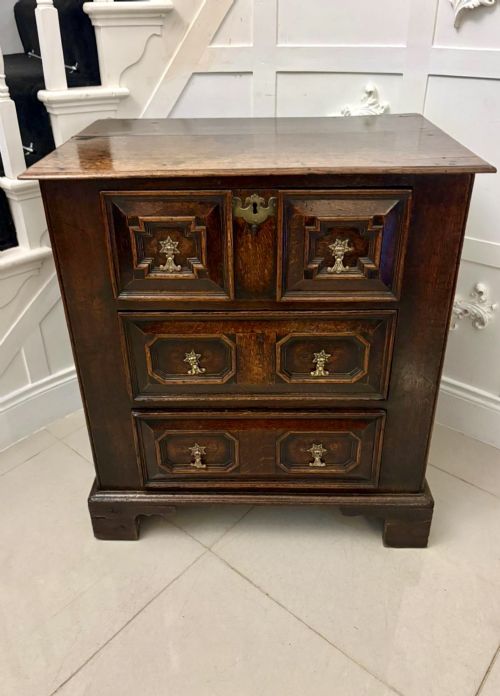
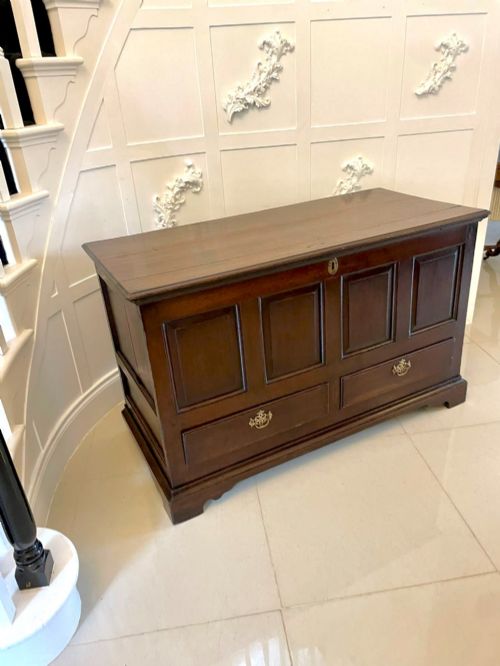
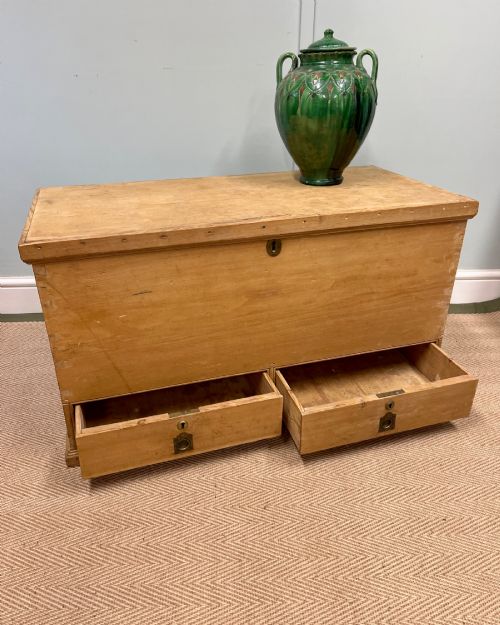
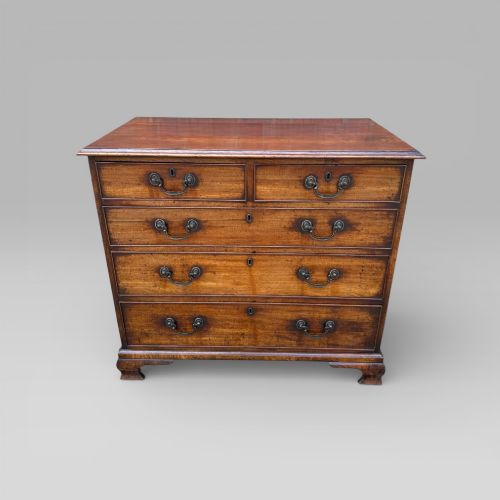
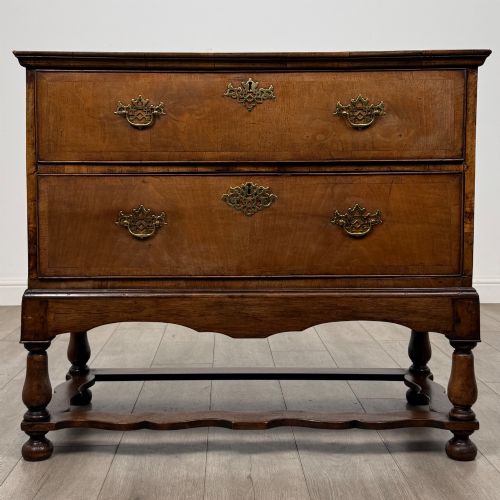
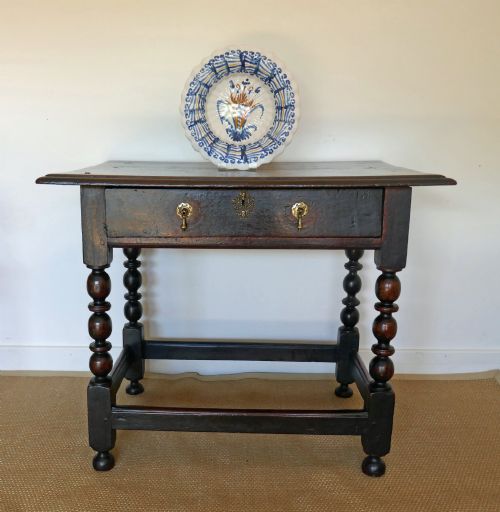
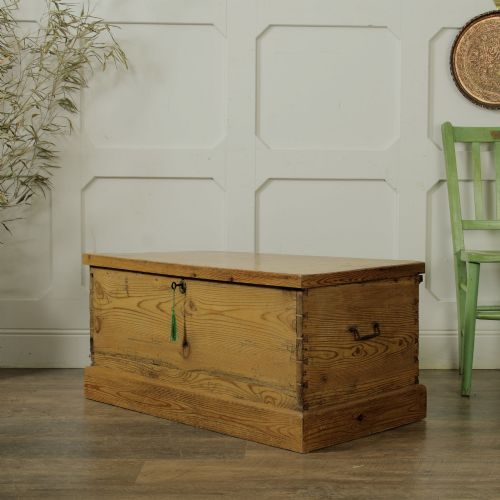
When you search for antique coffer drawers, you encounter sturdy storage forms that bridge the gap between lidded trunks and multi-drawer storage cabinets. The pieces on this page span from the seventeenth century through the Victorian era, encompassing mule chests, blanket boxes with base drawers, and traditional chests of drawers.
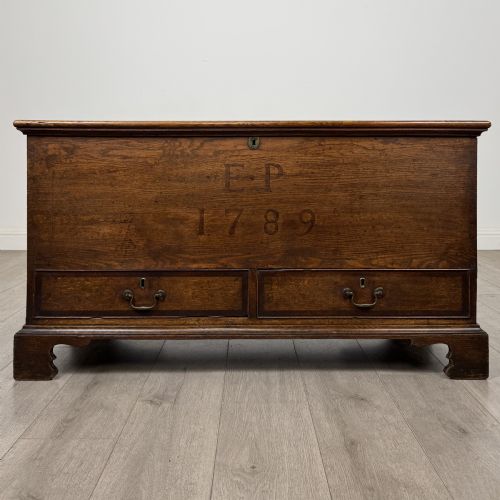
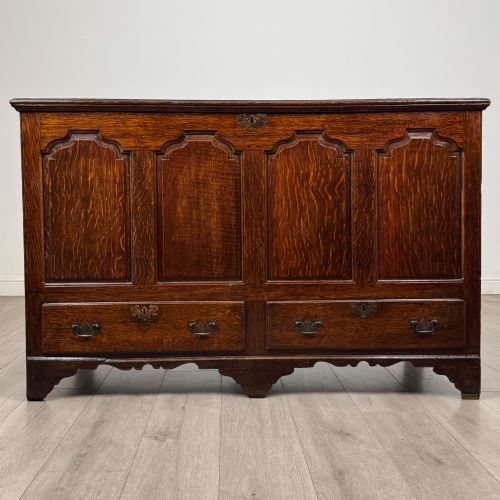
The most common examples you meet are oak mule chests and regional coffer baches originating from seventeenth and eighteenth century workshops. These vernacular forms typically combine a hinged top compartment with one or more lower drawers built into the base frame.
Mule chests and related coffer variants evolved to hold household textiles, linens, and personal garments before dedicated wardrobes became standard bedroom furniture. Their dual nature makes them practical focal points for living spaces and hallways today.
How they were made
Cabinet makers relied primarily on solid English oak, walnut, and regional pine during the seventeenth and eighteenth centuries, later incorporating mahogany and pitch pine. Panels were often frame-and-panel construction to accommodate the natural seasonal movement of unseasoned timber.
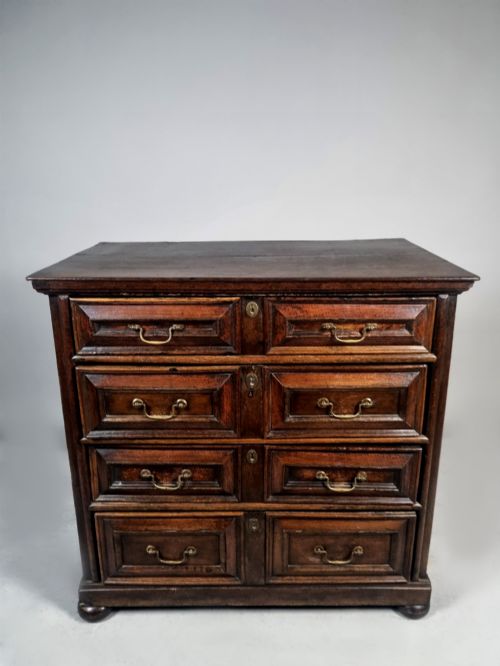
Surface decoration involved precise hand techniques, including geometric mouldings, marquetry inlay, and crossbanding with contrasting timbers like walnut. Iron hinges, brass drop handles, and escutcheons secured the lids and drawers while adding structural detail.
Drawer interiors utilised secondary softwoods joined with hand-cut dovetails, running smoothly within solid timber runners. Wax and oil finishes were built up over decades, protecting the wood while developing deep patinas.
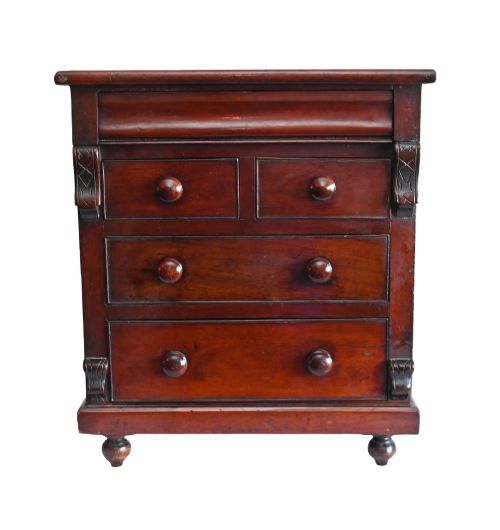
Apprentice pieces allowed young woodworkers to demonstrate their dovetailing mastery on a miniature scale before joining the guild.
What varies in quality
Quality rests heavily on the integrity of the timber selection and the retention of original hardware, such as brass acorn handles and escutcheons. Pieces utilising figured walnut veneers or complex marquetry inlay reflect higher workshop investment than plain vernacular examples.
Construction details distinguish provincial work from metropolitan cabinet making, particularly in the precision of dovetailing on internal drawers and the thickness of the base boards. Untouched surfaces with centuries of oxidised finish command greater respect than heavily restored or stripped timber.
J Moorcroft
The Antique Coffer Drawers Glossary
- Mule chest
- A traditional storage chest featuring one or more drawers built beneath the main lidded compartment. This form emerged in the seventeenth century to provide easier access to stored garments.
- Coffer bach
- A small Welsh box or chest, often translated as little coffer, typically raised on short feet or a drawer base. These diminutive pieces served as bride's chests or personal valuables repositories.
- Crossbanding
- A decorative border technique where thin strips of veneer are laid across the grain around the perimeter of a drawer front or panel. It creates a neat visual frame for walnut and mahogany furniture.
- Marquetry
- The art of applying fitted pieces of wood veneer to a structure to form decorative patterns or pictorial scenes. It appears on finer seventeenth century oak and walnut surfaces.
- Geometric moulding
- Raised wooden mouldings applied in repeated rectilinear patterns across drawer fronts, characteristic of the Charles II period. These profiles added depth and texture to flat surfaces.
Antique Coffer Drawers: Frequently Asked Questions
How do mule chests differ from standard chests?
Mule chests combine the deep top-loading storage of a traditional blanket chest with the convenience of bottom drawers. This hybrid design allowed users to retrieve items from the drawers without lifting the heavy lid.
They represent a transitional phase in domestic furniture development before drawer-only chests became dominant.
What woods were used in early pieces?
Early examples from the seventeenth and early eighteenth centuries were built almost exclusively from solid English oak. Walnut became popular for finer veneered pieces towards the end of the seventeenth century.
Pine and fruitwoods were also utilised regionally for secondary framing and vernacular items.
How should I care for antique oak furniture?
Maintain these pieces by applying a traditional beeswax polish sparingly to nourish the dry timber. Keep them away from direct heat sources and strong sunlight to prevent wood shrinkage and splitting.
Gentle dusting with a dry lint-free cloth preserves the historic wax finish and natural patina.