



George III Demilune Table
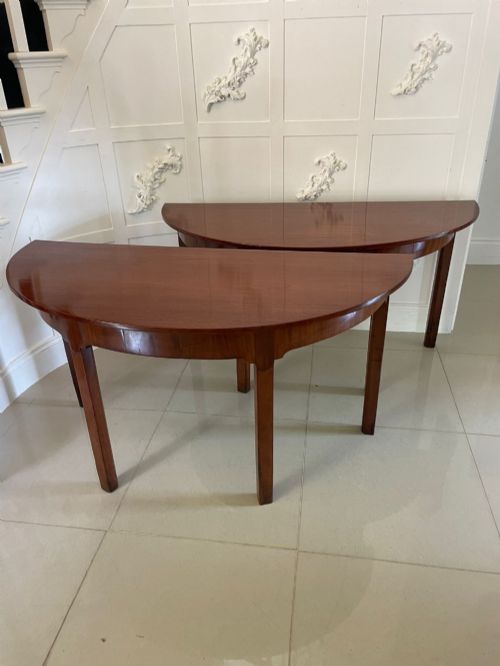
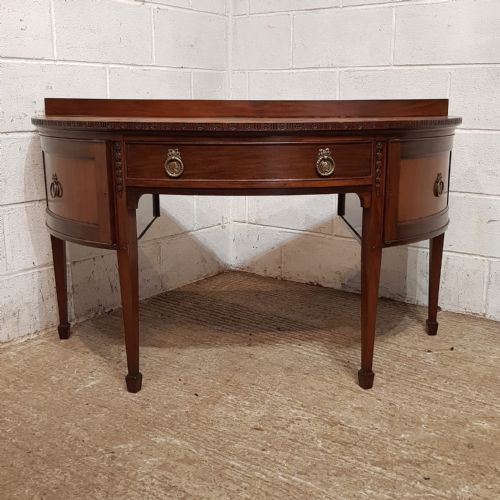
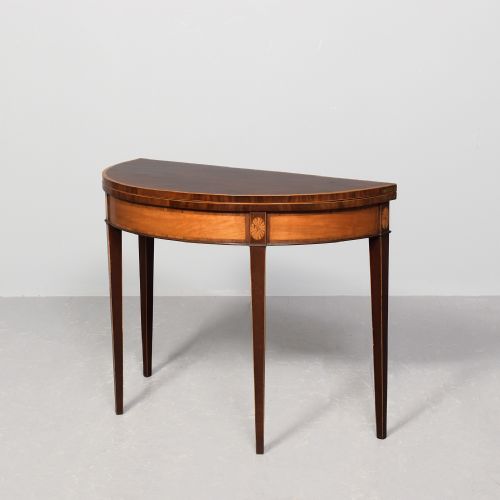
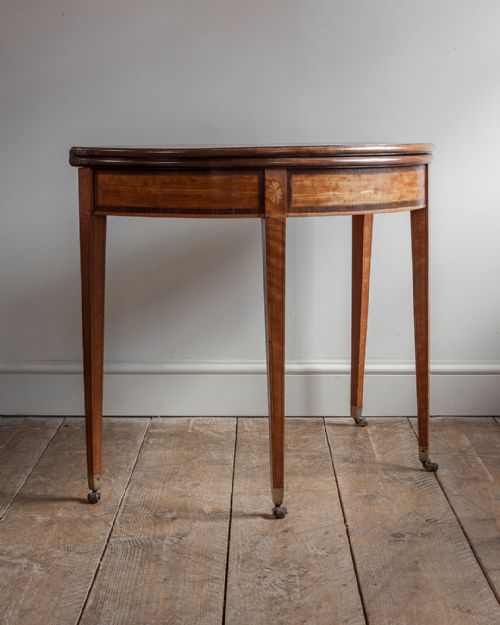
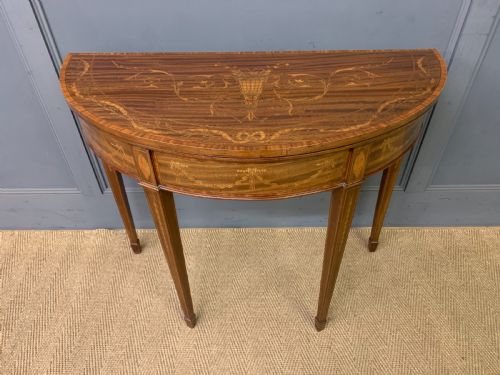
A george iii demilune table brings architectural crescent curves and rich timber grain to a room.
George III Demilune Table
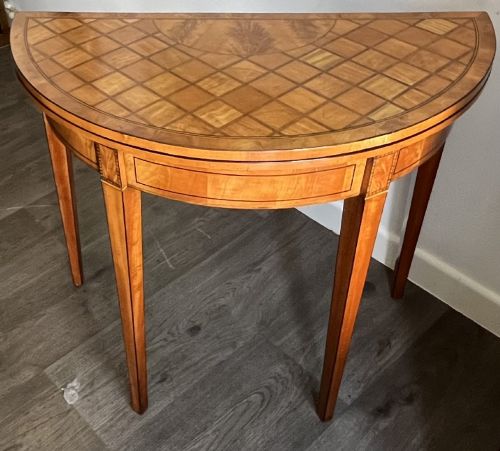
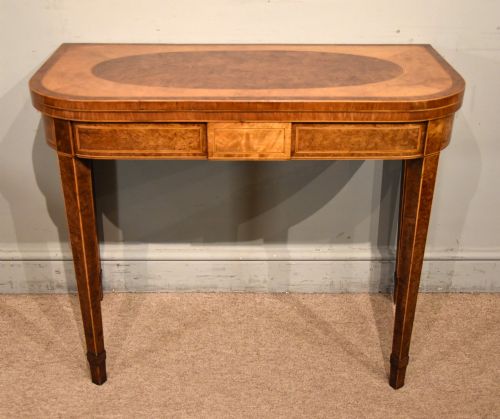
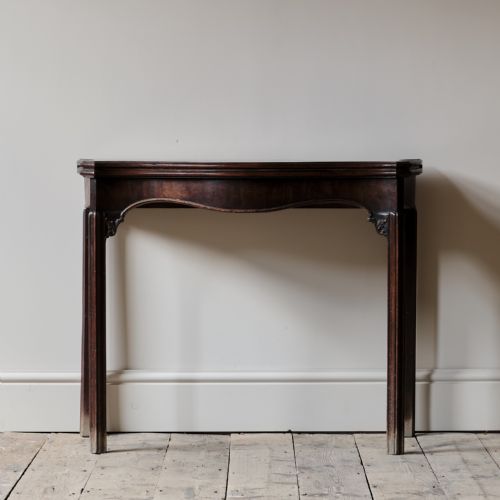
The evidence spans the eighteenth and nineteenth centuries, taking in Georgian and Regency periods alongside later revival pieces. Surviving forms include pairs of console tables, triple top games tables, and D-shaped side tables utilising boxwood inlay and cross-banding.
Judging the pieces
Quality rests in the choice of timber figure, such as highly figured mahogany or burr yew wood, matched symmetrically across the demilune top. The crispness of the boxwood inlay and the precision of the marquetry distinguish workshop standards.
Structural integrity of the folding mechanism and the tightness of the joints where the leaves meet indicate the original skill of the maker. Pairs matching in timber and proportion command greater consideration than single tables.
George III Demilune Table Retail Price Guide 2026
Typical asking prices for george iii demilune table among the pieces listed under this phrase on Sellingantiques today, from the lower quarter to the upper quarter. They describe what is for sale here now, not the wider market.
Listings feature mahogany, satinwood, rosewood, walnut, and boxwood inlay across Georgian, Regency, and Edwardian periods.
Bruce & Burns of Edinburgh
The George III Demilune Table Glossary
- Demilune
- A half-moon or semicircular shape utilised for tables designed to stand flat against a wall.
- Cross-banding
- A strip of veneer applied to the border of a table top with the grain running perpendicular to the central panel.
- Fold-over
- A hinged top design that opens to double the surface area for card playing or taking tea.
- Marquetry
- Decorative patterns formed by fitting together small pieces of coloured wood veneer.
- Baize
- A woolen felt material traditionally used to line the playing surfaces of card and games tables.
George III Demilune Table: Frequently Asked Questions
How were george iii demilune tables used?
These tables served primarily as side or console pieces against a drawing room wall when closed. Owners opened them for evening card games, tea drinking, or writing.
The fold-over mechanism allowed households to save floor space during the day while providing a stable playing or serving surface when required.
Where should I place a demilune table?
A demilune table fits well in an entrance hall, landing, or against a flat wall in a living room where a full round table would obstruct movement. Their shallow depth makes them practical for narrow spaces.
Pair them with a mirror or painting above to anchor the semicircular shape within the room's proportions.
How do I distinguish card tables from tea tables?
Card tables typically contain an interior lined with baize or leather for playing cards, alongside small corner wells for counters or coins. Tea tables generally feature plain polished wood interiors.
Some triple top examples combine both functions by incorporating a concealed compartment or an intermediate folding surface.
How do I spot a later revival table?
Revival pieces from the nineteenth and twentieth centuries often exhibit standardised machine-cut veneers and different secondary woods underneath. Examine the hinge fixings and the wear patterns on the underside to understand the age of the construction.
Stylistic cues such as Edwardian proportions or specific Sheraton revival motifs point towards later manufacture rather than the eighteenth century.