

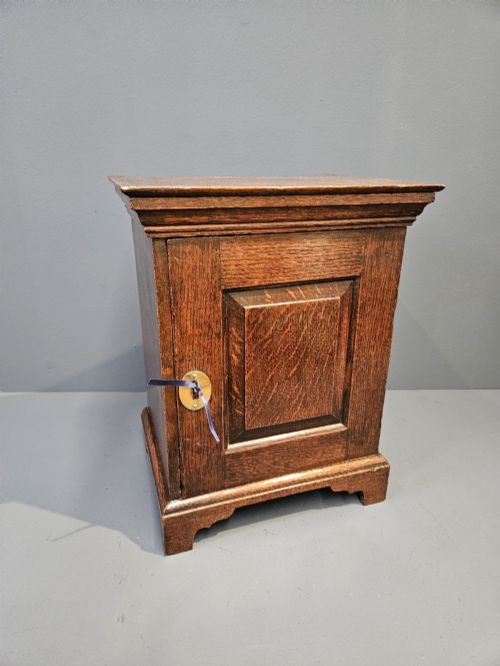


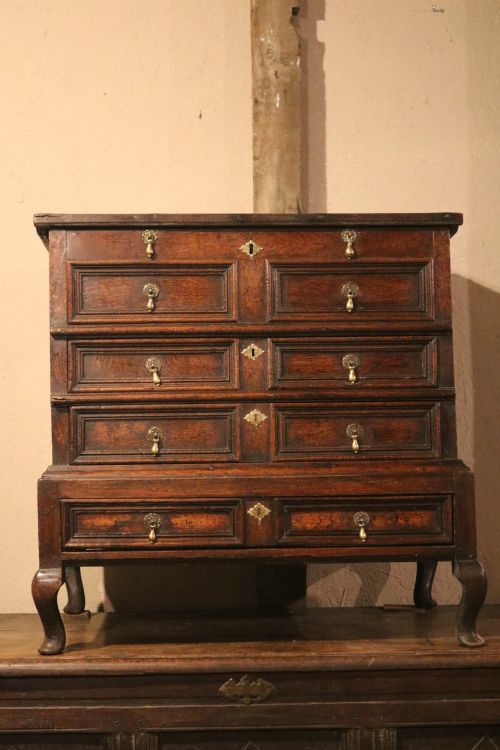


George II Oak Cabinet
A george ii oak cabinet brings the robust craftsmanship of the eighteenth century directly into a room, offering both practical storage and striking period character.
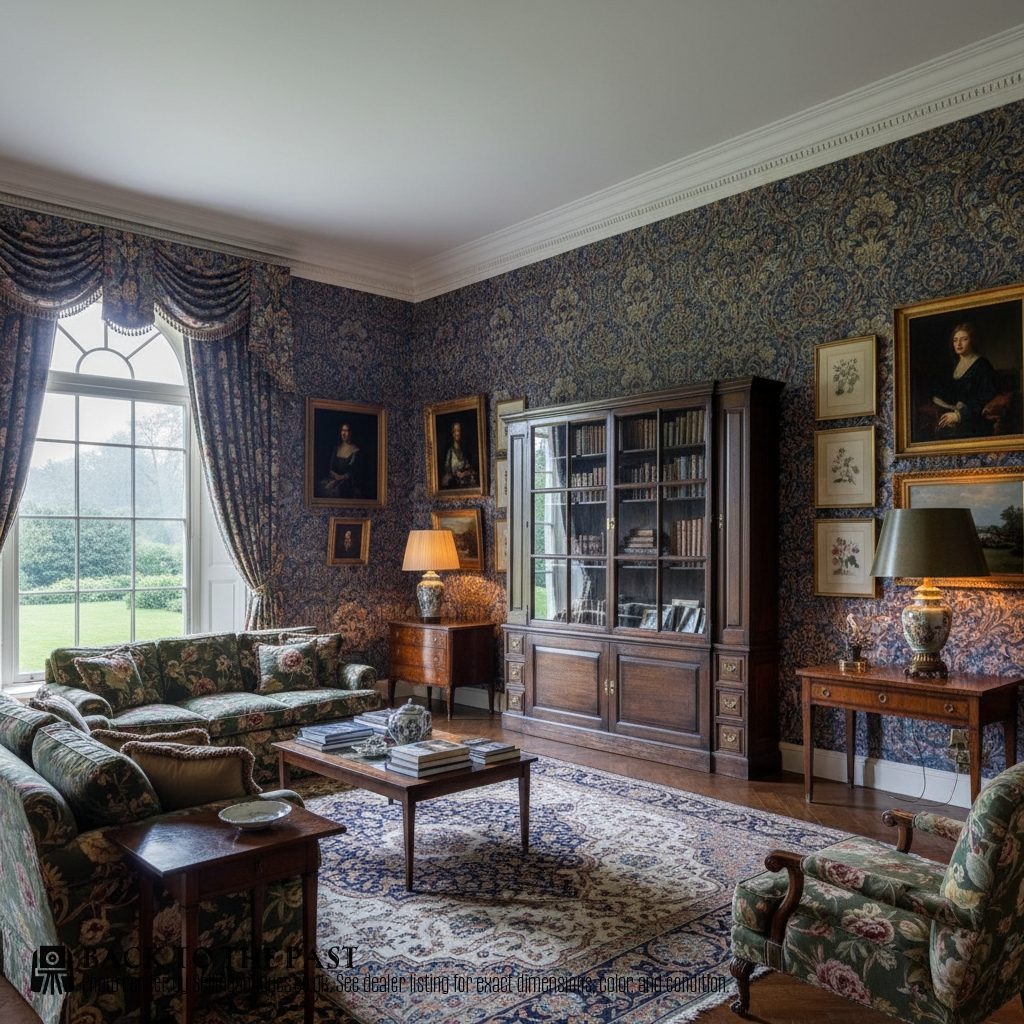
George II Oak Cabinet
When you search for a george ii oak cabinet, you encounter a variety of forms designed for storage and display during the eighteenth century. These pieces range from compact wall-hanging corner cupboards and spice cupboards to larger chest of drawers, lowboys, and bureau bookcases.
The versions most commonly met on this page include corner cabinets and bureau bookcases, frequently displaying the straightforward proportions typical of the Georgian period. Pieces span the broader eighteenth century, with specific examples dated around seventeen fifty and linked to regional workshops such as those in Wales.
Judging quality and execution
The distinction between standard examples and finer pieces lies in the crispness of the timber selection and the precision of the joinery. Figured walnut veneers or careful feather banding show a higher level of workshop ambition than plain boarded construction.
Original brasses, well-proportioned cornices, and intact glass panes elevate the standing of a piece. The integration of regional traits, such as distinct Welsh regional framing, also sets individual examples apart.
George II Oak Cabinet Retail Price Guide 2026
Typical asking prices for george ii oak cabinet among the pieces listed under this phrase on Sellingantiques today, from the lower quarter to the upper quarter. They describe what is for sale here now, not the wider market.
Current listings feature oak, walnut, pine, and glass across forms including lowboys, spice cupboards, and bureau bookcases dated to the eighteenth century.
The George II Oak Cabinet Glossary
- Feather banding
- A decorative inlay technique using two strips of veneer cut diagonally to form a herringbone pattern around drawer edges or panels. It adds subtle linear detail to cabinet fronts.
- Lowboy
- A small oak or walnut table with drawers, resembling the lower section of a tallboy, used as a dressing table or side table in eighteenth-century interiors.
- Bureau bookcase
- A dual-purpose piece combining a sloping desk flap that opens for writing above drawers, topped by a glazed or panelled bookcase section.
- Spice cupboard
- A small wall-mounted cabinet fitted with multiple tiny internal drawers designed for storing valuable culinary spices and medicines.
- Astragal glazed
- A window or cabinet door divided into smaller glass panes held together by narrow wooden bars called glazing bars, common in eighteenth-century bookcases.
George II Oak Cabinet: Frequently Asked Questions
What is a george ii oak cabinet used for?
These cabinets served multiple domestic purposes in eighteenth-century homes, ranging from storing spices and writing letters to displaying porcelain in corner units.
Today, they function well in modern interiors as practical storage units that bring historic warmth and texture to living spaces.
How do I spot an eighteenth-century piece?
Look for construction methods such as hand-cut dovetails on drawer boxes and the use of solid oak and pine secondary timbers.
Examine the surface for signs of age in the timber and traditional hardware fixings that match the period.
Where were these cabinets made?
Many items originated in English workshops, while regional variations such as Welsh oak pieces show distinct local cabinet-making traditions.
Regional pieces often feature unique proportions or local timber selections that distinguish them from standard London work.
How should I care for oak furniture?
Keep wooden cabinets away from direct heat sources and strong sunlight to prevent the timber from drying out or splitting.
Apply a traditional wax polish occasionally to nourish the grain and maintain the natural lustre of the oak and walnut surfaces.