



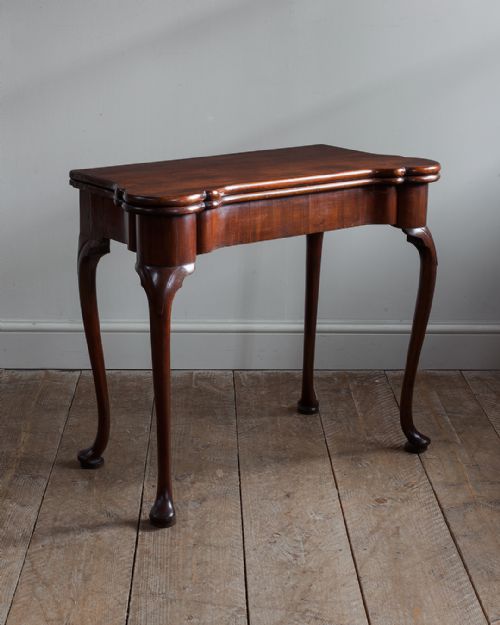


George II Mahogany Side Table
When you select a george ii mahogany side table, you introduce a remarkably versatile mid-eighteenth-century form designed for serving, writing, or display.
George II Mahogany Side Table
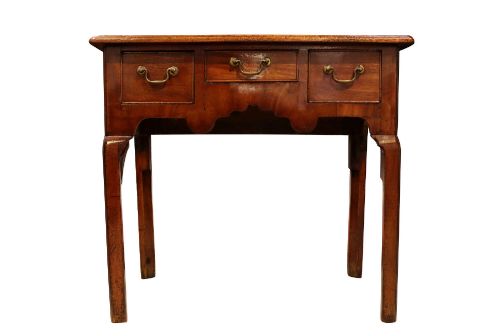
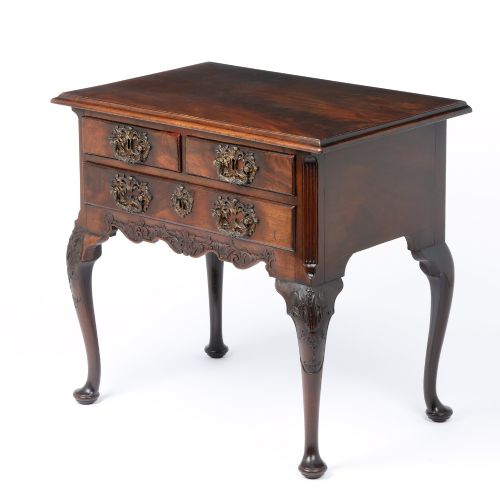
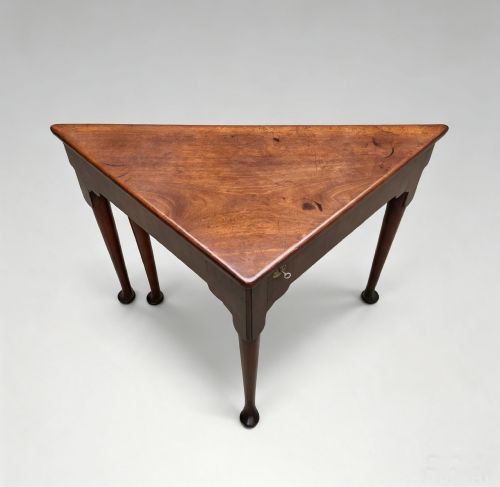
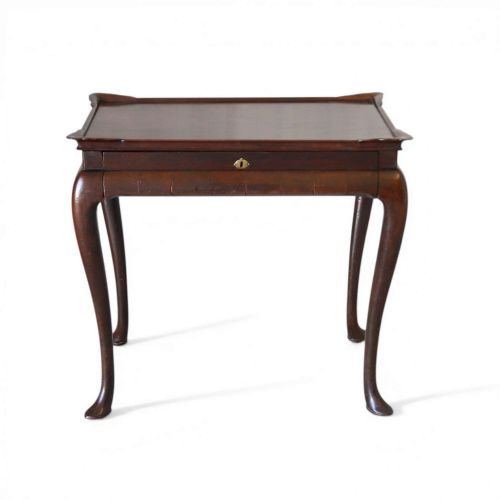
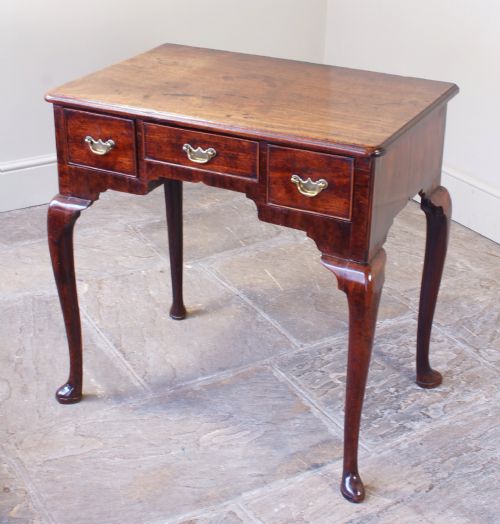
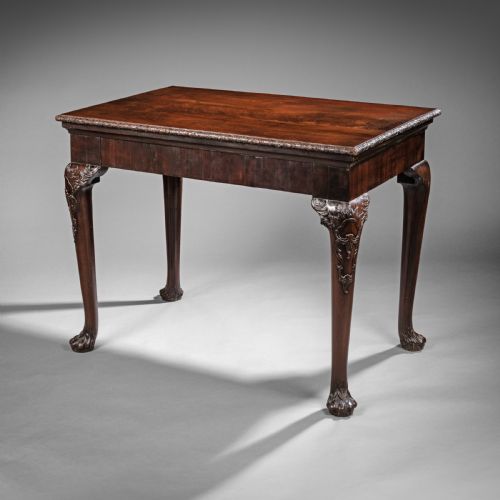
A george ii mahogany side table encompasses a diverse range of domestic furniture from the mid-eighteenth century, including lowboys, tea tables, card tables, and console tables. These pieces typically display the robust proportions and refined carving characteristic of the period, operating as functional surfaces in reception rooms and parlours.
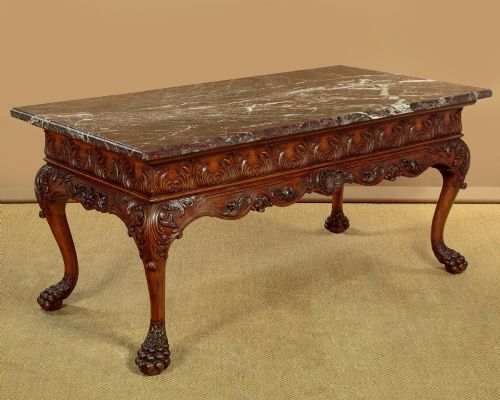
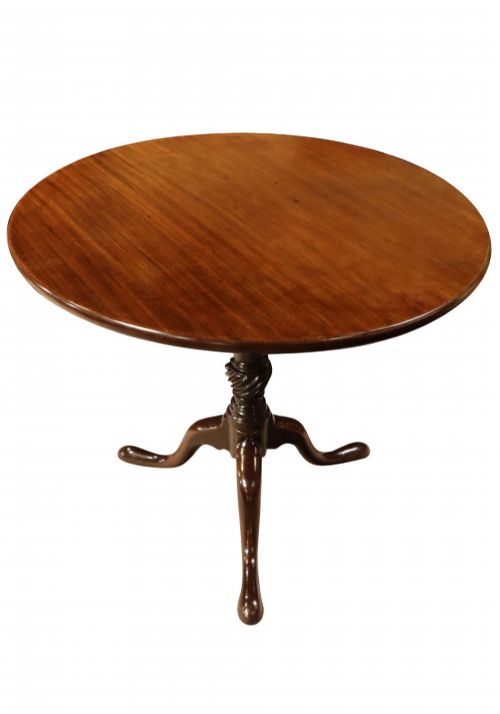
You are most likely to encounter authentic eighteenth-century examples featuring single drawers, cabriole legs, and folding or snap-top mechanisms. Later revivals from the twentieth century also appear, echoing the original Georgian forms through specific stylistic details like marble tops and tripod bases.
Regional variations add distinct character to the category, notably through Irish interpretations that frequently showcase heavier carved ornamentation and lion masks. Alongside standard English pieces, these regional variations provide collectors with distinct stylistic alternatives within the same chronological era.
Assessing Quality and Execution
The degree of crispness in hand-carved details like foliage, scrolls, and claw feet distinguishes superior examples from standard workshop production. Carving executed with sharp depth and clear definition reflects the original carver's skill and time investment.
The presence of dense Cuban mahogany with rich, undisturbed patination elevates a piece above simpler variants constructed from standard timber. Surface quality improves when the wood retains its original finish and deep colour without excessive restoration.
Structural complexity, such as functioning birdcage mechanisms on tripod tables or precise hinging on fold-over card tables, demonstrates advanced cabinet-making standards. Tables featuring robust joinery and integrated architectural proportions command greater appreciation among collectors.
Some birdcage tables allow the top to spin so merrily you might accidentally launch your tea service across the parlour.
The George II Mahogany Side Table Glossary
- Lowboy
- A small side table with one or more drawers and cabriole legs, traditionally used as a dressing table or side serving surface. These low tables became central fixtures in mid-eighteenth-century bedchambers and parlours.
- Cabriole leg
- A furniture leg that curves out and then in, resembling the leg of an animal, often ending in a pad or claw foot. This form provides structural strength without heavy vertical posts.
- Birdcage
- A rotating wooden framework beneath a tilt-top table that allows the surface to pivot and lock in position. It represents a clever piece of eighteenth-century mechanical joinery.
- Console table
- A side table designed to stand against a wall, frequently supported by front legs and secured to the wall structure. They often served decorative roles in formal reception spaces.
- Patination
- The surface sheen and colour developed by wood and hardware through age, handling, and light exposure over generations. Original patination is prized for its depth and warmth.
George II Mahogany Side Table: Frequently Asked Questions
What rooms suit a george ii mahogany side table?
These tables function well in living rooms, hallways, and studies as functional display surfaces or serving areas. Their narrow proportions allow them to fit easily against walls without obstructing pathways.
Larger versions with fold-over tops also adapt to dining or gaming uses when entertaining guests in open spaces.
How do I care for mahogany table surfaces?
Maintain the wood by applying natural beeswax occasionally and buffing gently with a soft cloth to protect the historic finish. Avoid placing tables near direct heat sources or strong sunlight to prevent timber splitting.
Use coasters and felt pads under objects to safeguard the antique surface from moisture rings and scratches.
What is the difference between a lowboy and a side table?
A lowboy is specifically a low-built table featuring one or more rows of drawers, originally utilised for personal grooming or serving small items. General side tables may lack drawers entirely and focus purely on a decorative tabletop surface.
Both forms share the typical cabriole leg styling and mahogany construction of the mid-eighteenth century.
Are twentieth-century revival tables considered authentic antiques?
Twentieth-century revival pieces, such as those made around nineteen thirty in the george ii style, are distinct reproductions rather than period antiques. They reflect historical design interest but date from a later manufacturing era.
Clear examination of timber characteristics and construction wear helps identify whether a piece belongs to the eighteenth century or the later revival period.