

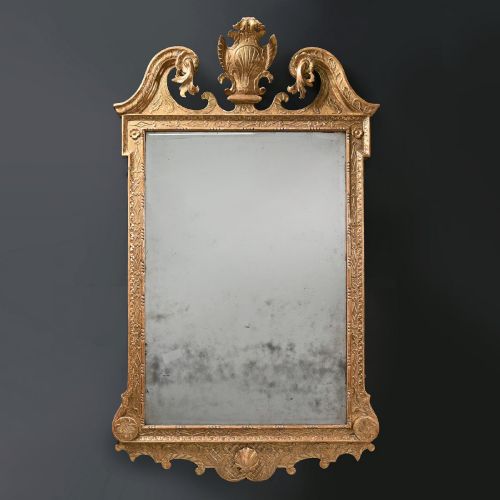

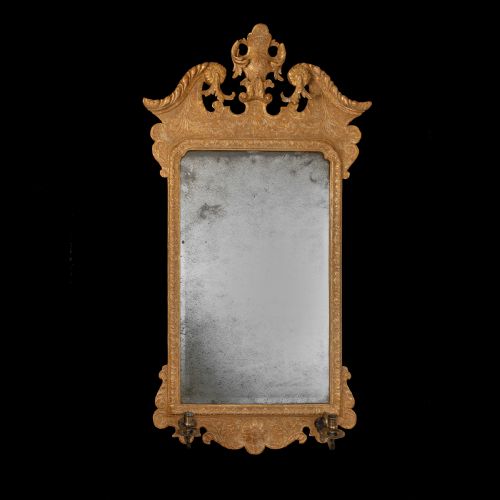


George II Giltwood Mirror
A george ii giltwood mirror brings sculptural presence and warm reflectivity to a room, combining architectural carving with historic luxury.
George II Giltwood Mirror
The form typically appears as wall mirrors, pier mirrors, or chimney piece mirrors designed to hang above mantelpieces and between windows. Walnut and mahogany frequently anchor the timber frames alongside the predominant giltwood and gesso surfaces.
How they were made
Carvers built these frames using timber bases of pine or hardwoods like walnut and mahogany, applying layers of gesso to receive intricate hand-carved details. Gold leaf was then laid over the prepared gesso ground, often burnished to catch the light.
Original mirror glass plates were hand-silvered and thicker at the edges, fitted directly into the rebated frames alongside secondary softwood backboards.
George II Giltwood Mirror Retail Price Guide 2026
Typical asking prices for george ii giltwood mirror among the pieces listed under this phrase on Sellingantiques today, from the lower quarter to the upper quarter. They describe what is for sale here now, not the wider market.
Listings for this phrase include walnut and mahogany alongside primary giltwood and gesso surfaces.
What varies in quality
The crispness and depth of the gesso and wood carving dictate much of the distinction across these pieces. Pierced work with deep undercut foliage or sculptural birds shows the hand of a superior carver.
The survival of original glass plates and untouched historic gilding rather than modern resilvering separates standard examples from the finest pieces.
Benjamin Goodison·William Kent
The George II Giltwood Mirror Glossary
- Giltwood
- Wood that has been decorated with gold leaf applied over a prepared ground. This finish provides the characteristic metallic warmth seen on these frames.
- Gesso
- A plaster mixture applied to wood frames to create a smooth surface for carving and gilding. It allows for sharp relief work.
- Pier mirror
- A tall mirror specifically designed to hang on the wall space between windows. These pieces often matched console tables placed below them.
- Parcel-gilt
- Partially gilded, leaving areas of natural wood visible alongside the gold leaf. This technique highlights the grain of walnut or mahogany.
- Palladian
- An architectural style influencing mid-18th-century design characterised by symmetry and classical pediments. These mirrors echo grand building facades.
George II Giltwood Mirror: Frequently Asked Questions
How do I date a george ii giltwood mirror?
Examining the construction of the wooden backboards, the method of framing, and the wear on the gesso helps determine the age. Original pine backing boards and hand-cut nails point firmly toward the 18th century.
Later Victorian and Edwardian revivals often utilise machine-sawn timber and different secondary woods. Comparing the depth and sharpness of the carving against documented period pieces also clarifies the timeline.
Were these mirrors meant for specific rooms?
These pieces were principal ornaments for formal entertaining spaces like drawing rooms, saloons, and formal dining parlours. Pier mirrors hung between windows to bounce natural light back into the chamber.
Overmantel and chimney piece mirrors sat centrally above the hearth to anchor the decorative scheme of the wall. Their scale and gilding demonstrated the status of the household.
Is original glass important?
Original mirror glass plates add considerable historical integrity to a piece. They typically display minor oxidation, subtle distortions, and foxing that modern glass lacks.
Replacement plates are common due to breakage over the centuries, though a period plate with its original silvering remains highly desirable to collectors.
How do I hang a heavy antique mirror safely?
Due to the substantial weight of carved timber, gesso, and thick glass, these mirrors require professional wall fixings anchored directly into masonry or secure wall studs. Heavy-duty mirror plates screwed to the sturdy frame members distribute the load evenly.
Avoid relying solely on picture wire for large pier or chimney piece mirrors.