




George II Bureau Cabinet
A george ii bureau cabinet combines a fitted writing slope with enclosed upper shelving, offering a commanding piece of period storage built for serious correspondence.
George II Bureau Cabinet
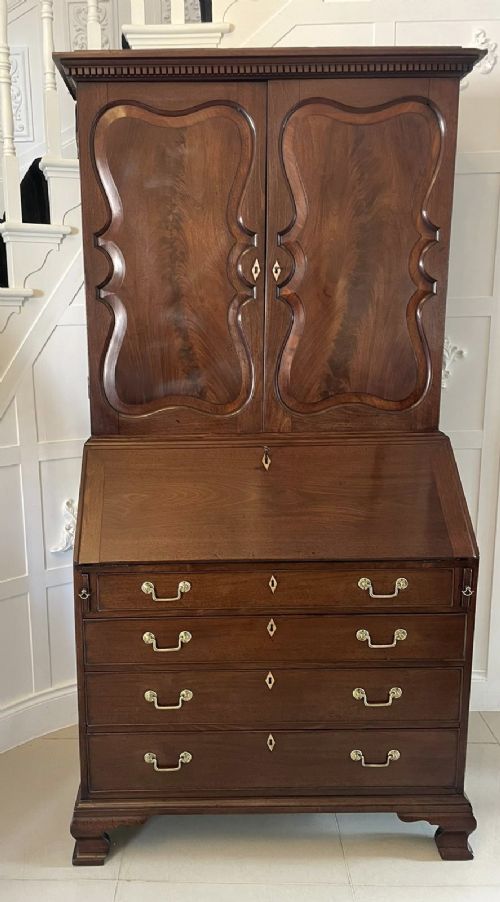
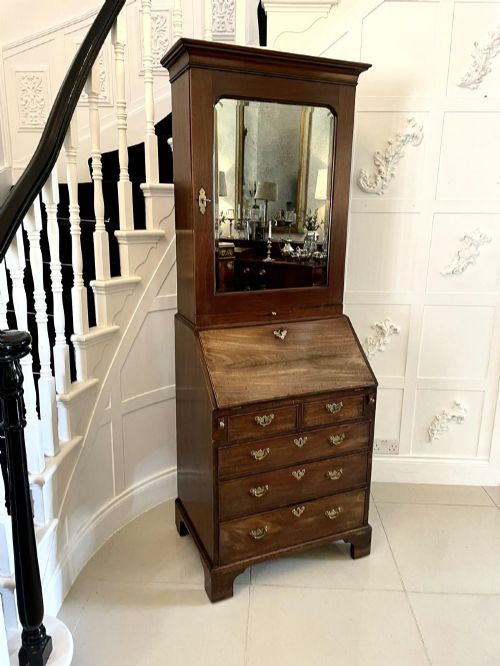
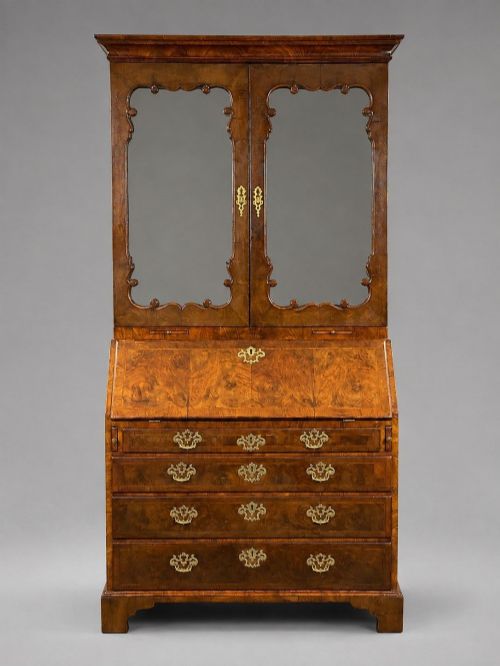
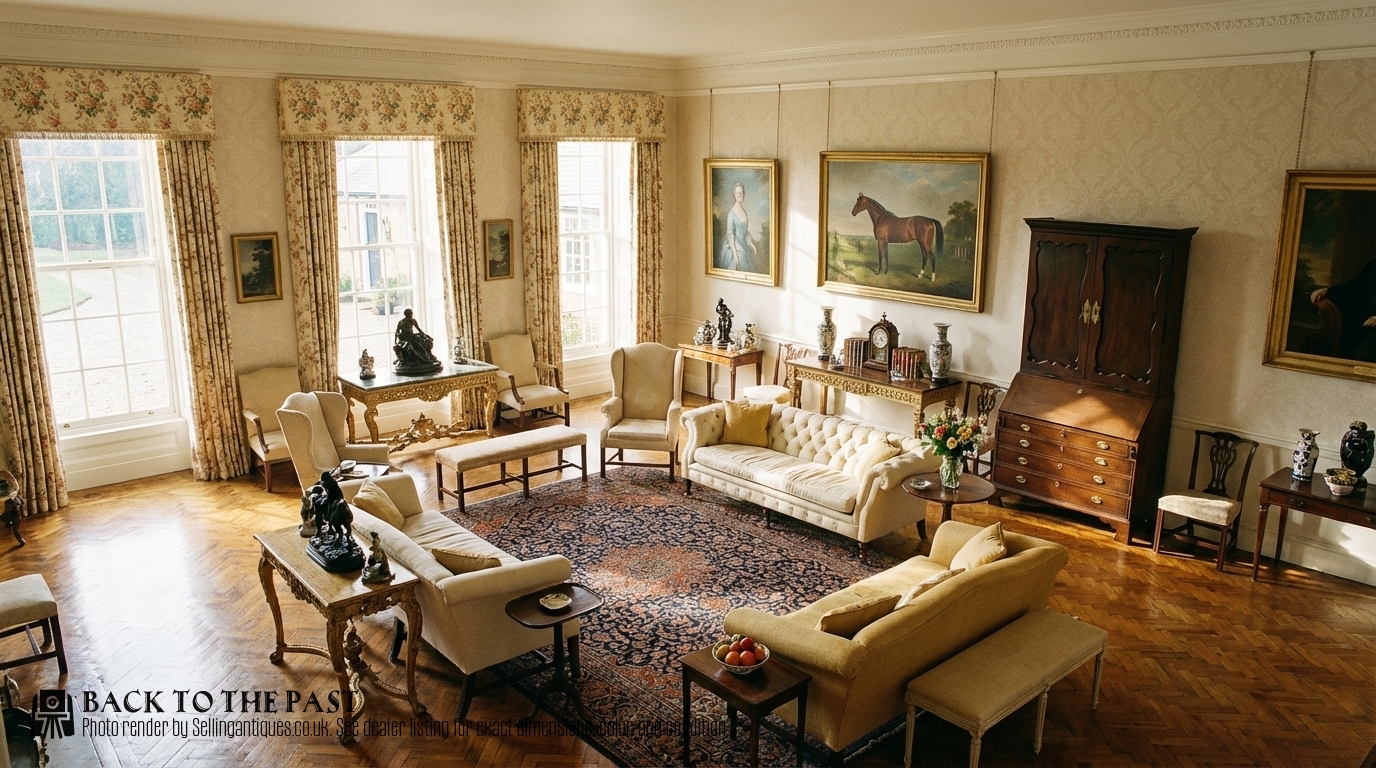
A george ii bureau cabinet primarily appears as a tall bureau bookcase or smaller bureau cabinet featuring panelled doors above a sloping fall-front desk. These pieces originate from the eighteenth century, spanning the Georgian era and bringing substantial architectural presence to a room.
The lower section usually contains fitted drawers or a knee-hole arrangement, whilst the upper cabinet conceals adjustable shelving and pigeonholes behind glazed or panelled doors. Walnut and mahogany dominate the offerings, occasionally accompanied by oak, burr walnut, and red walnut timbers.
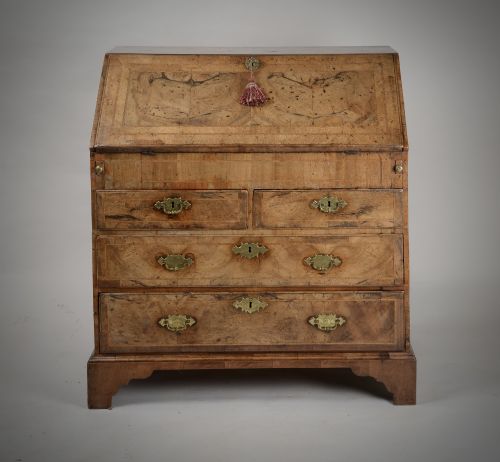
Smaller variations such as compact desks and diminutive bureaux also emerge alongside grander bureau bookcases, providing options for varying interior spaces while maintaining period character.
Materials and construction
Cabinetmakers constructed these pieces using dense hardwoods like mahogany and walnut, frequently selecting figured veneers and burr walnut to decorate the primary surfaces. Solid oak served for internal linings and drawer construction, ensuring structural durability.
Brass was utilised for handles, escutcheons, and hinges, while specialist mirror glass fitted the doors of particular cabinets. Joinery techniques relied on dovetailed drawer boxes and panelled framing to accommodate timber movement over centuries.
Some enclosed compartments feature secret locking mechanisms known only to the original owner and the cabinetmaker.
Distinctions in craftsmanship
The sophistication of the internal fittings defines the tier of execution, with superior examples offering intricate secret drawers, pigeonholes, and sliding wells concealed behind classical architectural facades. The choice of timber grain, such as highly figured mahogany or dense burr walnut, dictates visual depth.
Proportion and untouched original surface patination separate standard items from exceptional ones. Refined execution shows in the crispness of moulded cornices, the harmony of panel placement, and the retention of original brass hardware and support feet.
Giles Grendey·Robert Gillows II
The George II Bureau Cabinet Glossary
- Bureau bookcase
- A tall furniture form combining a slant-front desk base with an enclosed upper shelving cabinet. These pieces served as dual-purpose workspaces and libraries.
- Fall-front
- A hinged writing flap that pulls down to create a horizontal desk surface. It conceals internal drawers and pigeonholes when closed.
- Burr walnut
- Timber sliced from walnut tree growths, producing swirling decorative grain patterns. Makers applied this veneer to high-status cabinet doors and drawer fronts.
- Brushing slide
- A pull-out shelf positioned above the drawers of a bureau or chest. It provided a temporary surface for sorting papers without opening the main desk.
- Escritoire
- An alternative term for a writing cabinet or desk. The form typically encloses drawers and compartments behind a large vertical fall or doors.
George II Bureau Cabinet: Frequently Asked Questions
What is a bureau cabinet?
A bureau cabinet is a tall piece of case furniture that merges a writing desk with a shelved upper bookcase enclosed by doors. The design provides both concealed workspace and display storage.
These units formed central items in eighteenth-century rooms, housing correspondence and valuable texts behind locked doors.
How do I use one today?
These cabinets function effectively in studies or living rooms as writing desks and bookshelves. The fall-front provides a practical writing surface while the upper shelves hold books or collections.
Placing them away from direct heat sources and strong sunlight protects the antique timbers and polished finishes.
How do I identify walnut furniture?
Walnut furniture exhibits a rich dark brown colour with varied grain patterns, often showing lighter brown figuring. Eighteenth-century examples frequently use solid walnut or apply walnut veneers over oak secondary timbers.
Closer inspection reveals the characteristic porous grain structure and warm tactile finish developed through centuries of waxing.
What distinguishes oak from mahogany?
Oak displays a coarse, visible grain with characteristic silver medullary rays, appearing in earlier or provincial pieces. Mahogany offers a denser, finer grain with a reddish-brown tone that deepens in hue over time.
Cabinetmakers shifted toward mahogany as it permitted crisper carving and supported higher-polish finishes during the Georgian period.