

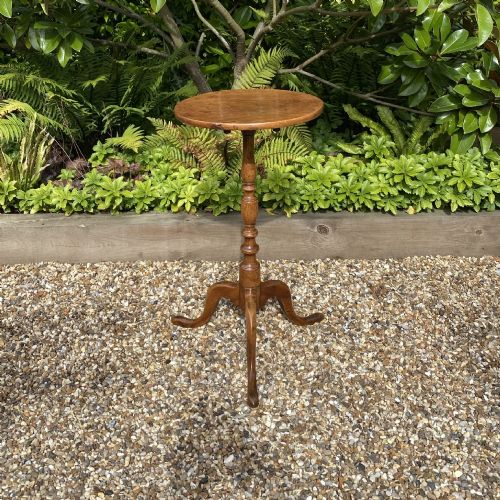
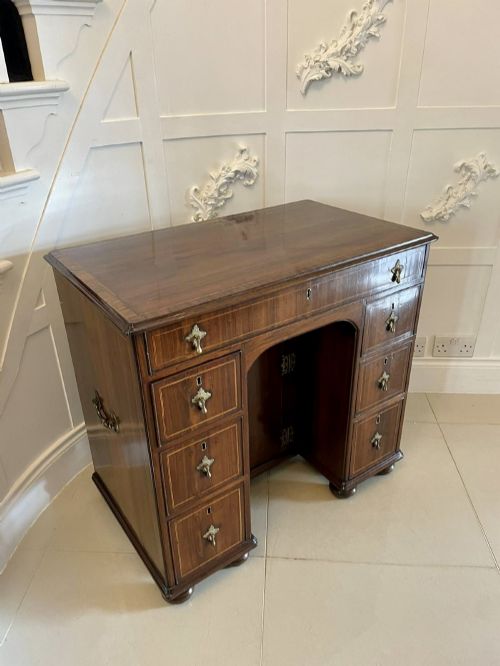
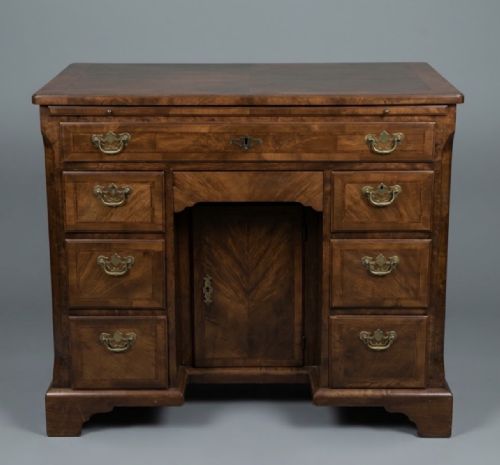
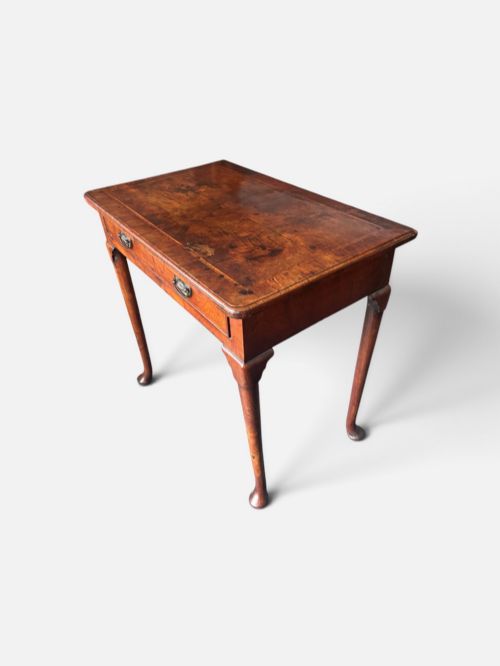
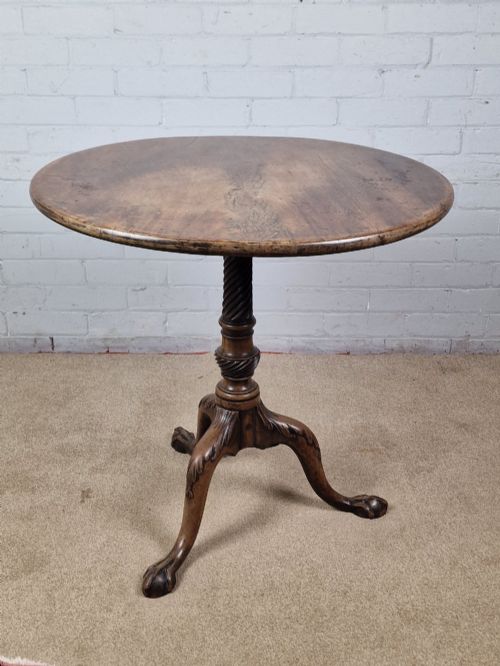
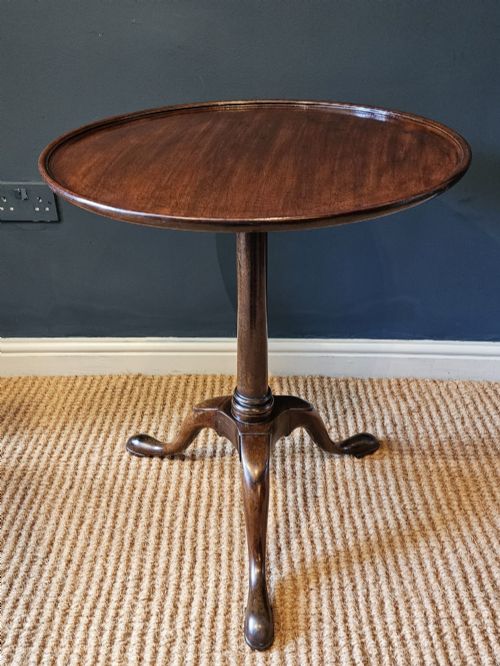
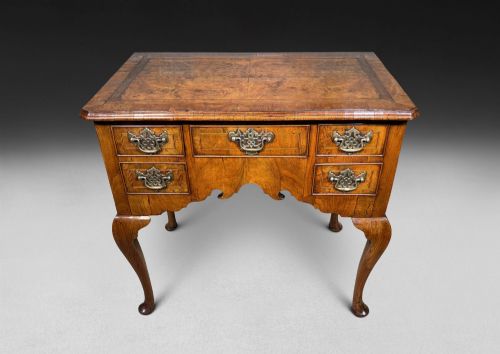
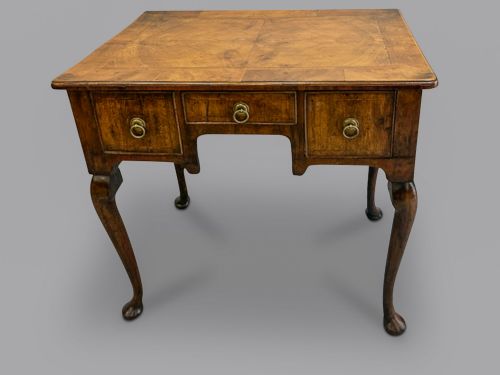

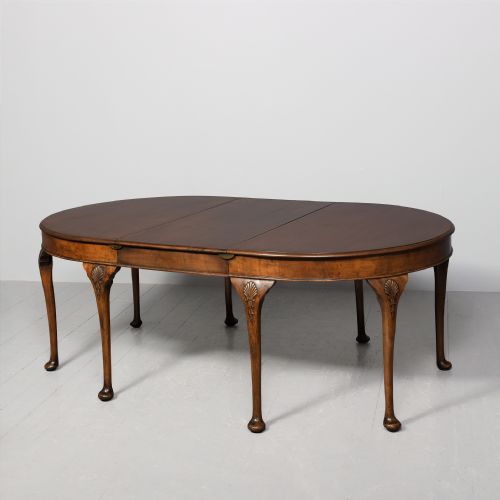
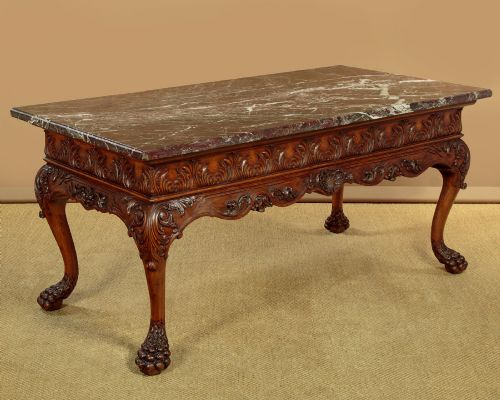
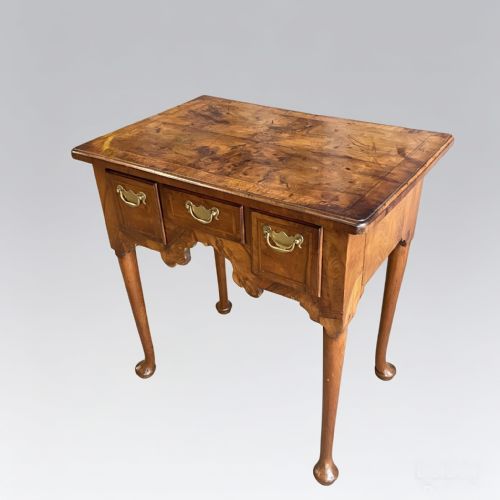
George I Walnut Table
A george i walnut table brings rich figure and warmth to a room, uniting early eighteenth-century proportion with tactile domestic timber.
George I Walnut Table
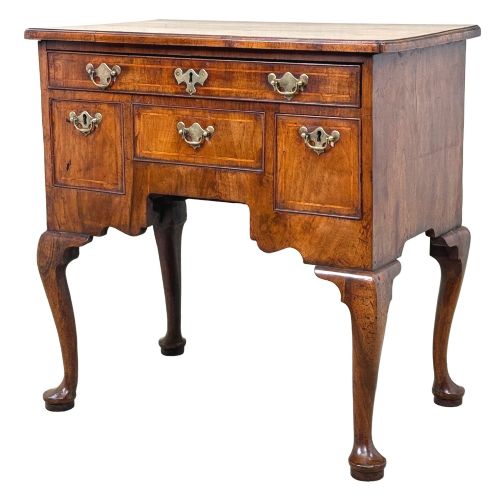
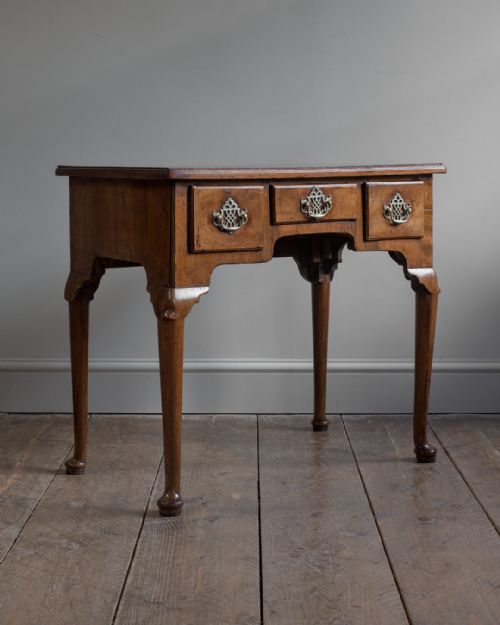
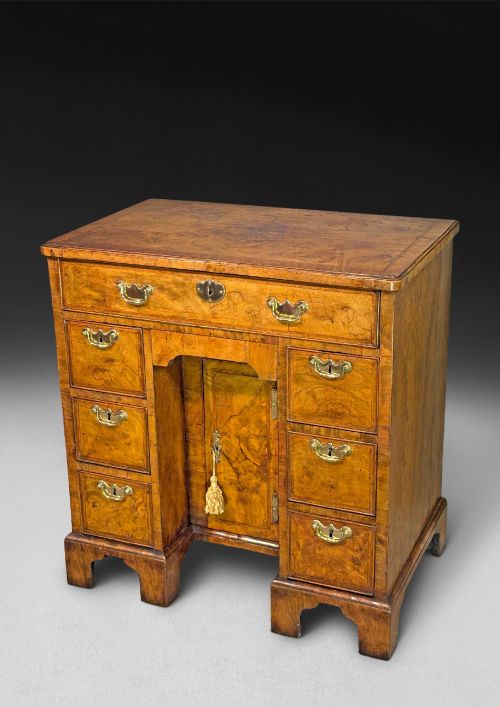
When you search for a george i walnut table, you encounter lowboys, kneehole desks, and occasional tables dating primarily from the eighteenth century alongside later revival pieces.
Makers and manufacturers also produced side tables, card tables, and tea tables from walnut, red walnut, and burr walnut across successive centuries.
Materials and Construction
Cabinetmakers selected walnut, burr walnut, and red walnut for their striking grain, often applying herringbone inlay or feather banding to enrich the surfaces.
Secondary timbers such as oak frequently support the internal drawer construction, while brass handles and escutcheons punctuate the polished timber fronts.
George I Walnut Table Retail Price Guide 2026
Typical asking prices for george i walnut table among the pieces listed under this phrase on Sellingantiques today, from the lower quarter to the upper quarter. They describe what is for sale here now, not the wider market.
Some tables double as silver chests, proving that eighteenth-century dining involved serious security for the cutlery.
Markers of Quality
Quality rests upon the selection of timber veneers, where highly figured burr walnut or fiddleback patterns elevate a piece above plain stock.
The crispness of carved details on cabriole legs and the precision of joinery in drawers separate superior examples from simpler provincial work.
The George I Walnut Table Glossary
- Lowboy
- A small side table with drawers, commonly used as a dressing table or occasional surface in eighteenth-century interiors.
- Kneehole desk
- A writing desk featuring a recessed central cupboard flanked by pedestals of small drawers.
- Cabriole leg
- A furniture leg that curves out and then in, mimicking an animal limb with an arched knee and tapering foot.
- Feather banding
- Decorative inlay using small strips of veneer arranged in a V-shape resembling a feather.
George I Walnut Table: Frequently Asked Questions
What is a lowboy used for?
A lowboy functions primarily as a small side table or a compact dressing table with convenient drawer storage.
Historically placed in bedrooms or parlours, these tables hold everyday items while maintaining a slender footprint.
How do I identify walnut timber?
Walnut displays a rich brown colour with varied grain patterns, ranging from straight lines to swirling burr formations.
Over centuries, genuine walnut develops a warm patina that distinguishes it from newer or alternative hardwoods.
Are revival pieces common?
Revival items from the nineteenth and twentieth centuries appear frequently alongside eighteenth-century originals on the market.
These later interpretations replicate earlier Georgian styles and proportions using traditional timber methods.
How should I care for walnut furniture?
Walnut benefits from placement away from direct sunlight and sudden temperature shifts to protect the vulnerable timber veneers.
Routine dusting and occasional application of appropriate wax maintain the natural lustre of the polished surface.