

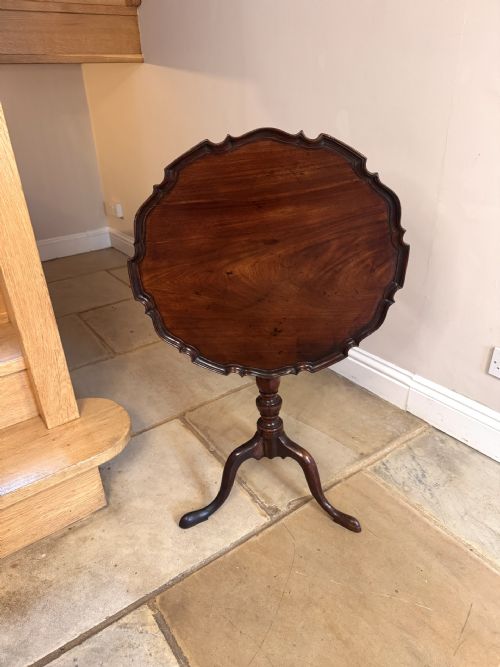
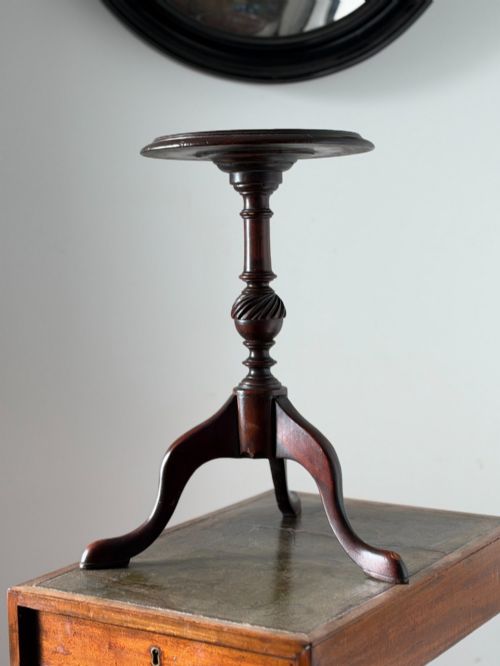
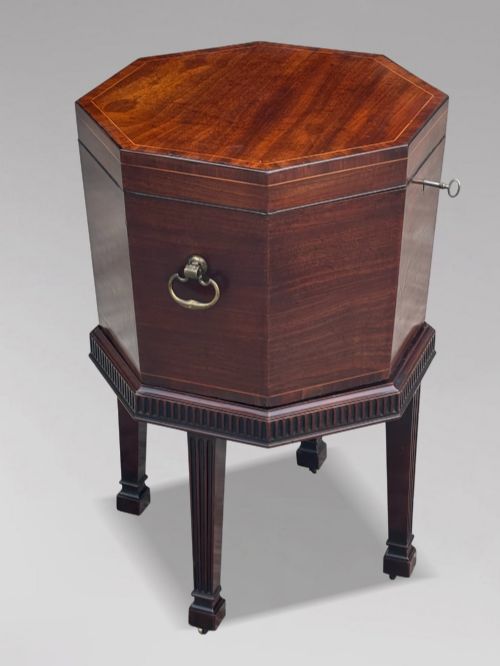
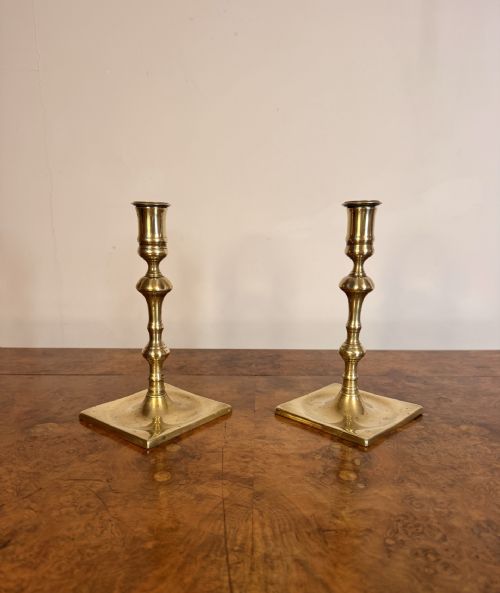

George I Stand
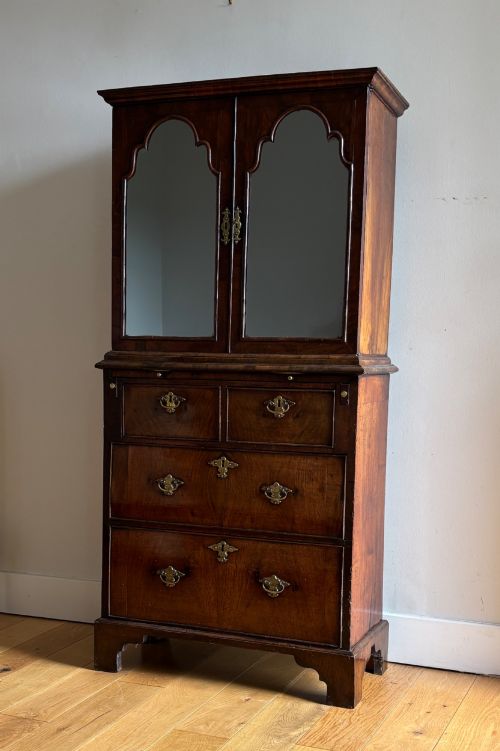
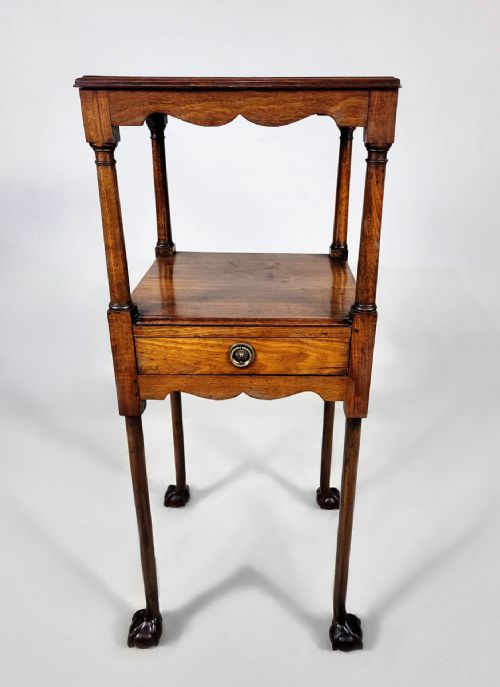
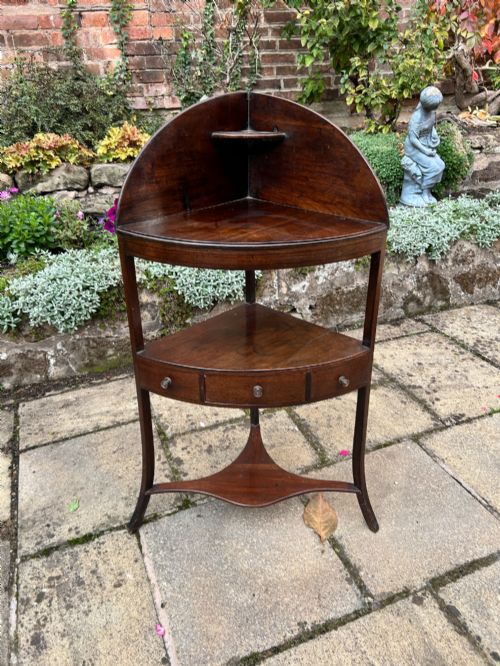
George i stand pieces combine early eighteenth-century proportion with elevated utility, offering collectors a striking focal point for traditional interiors.
George I Stand
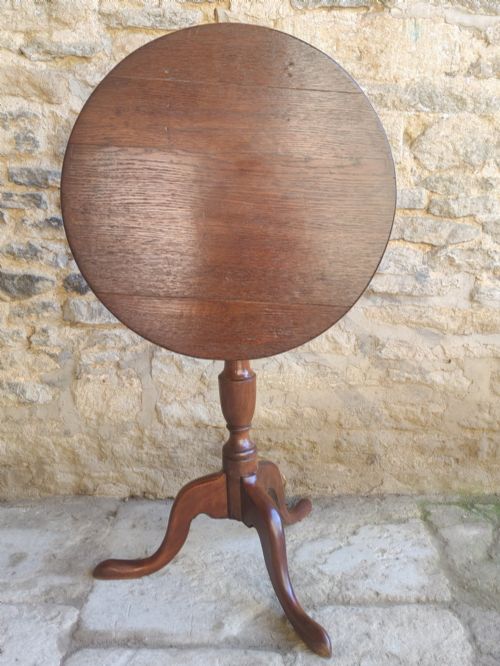
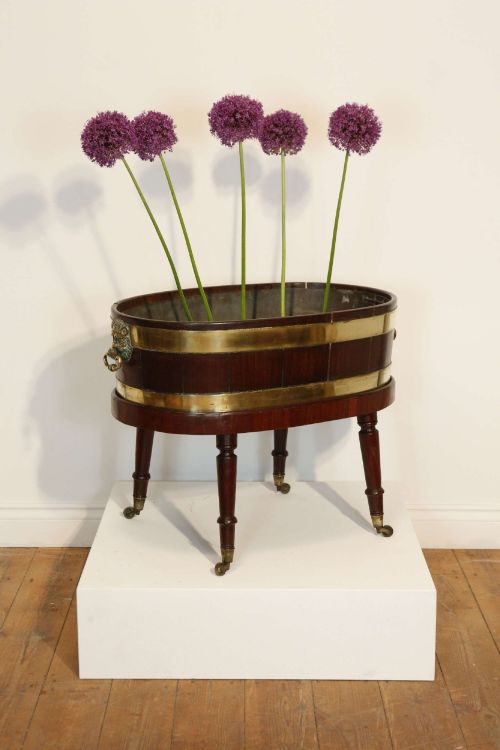
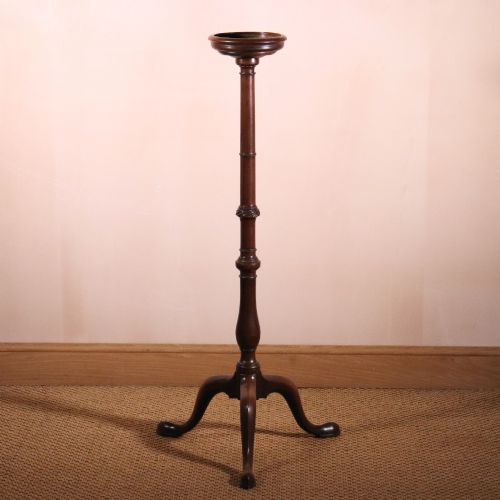
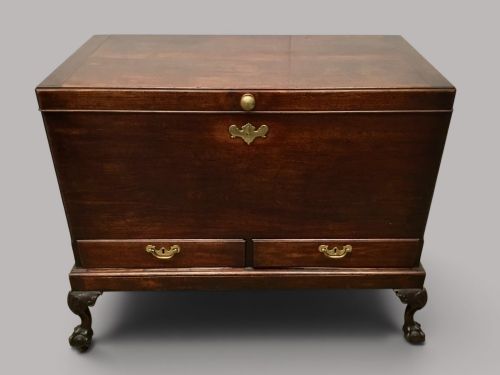
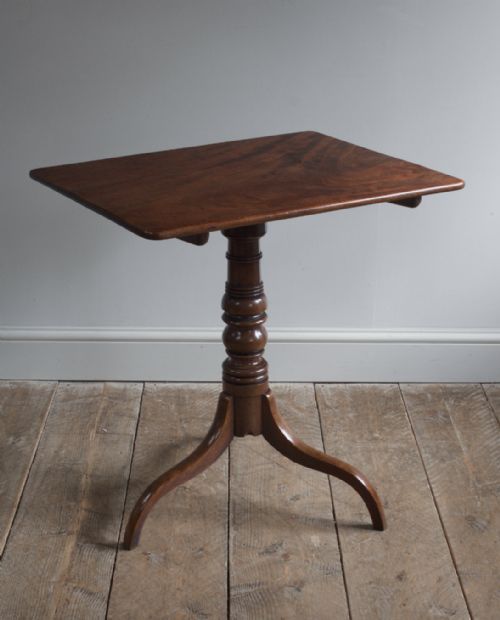
When you search for george i stand, you find elevated furniture forms that raise writing surfaces, drawers, and decorative objects above the floor on dedicated supports. These pieces emerge primarily from the Georgian and 18th Century periods, showing the architectural symmetry and refined proportions typical of early British cabinet-making.
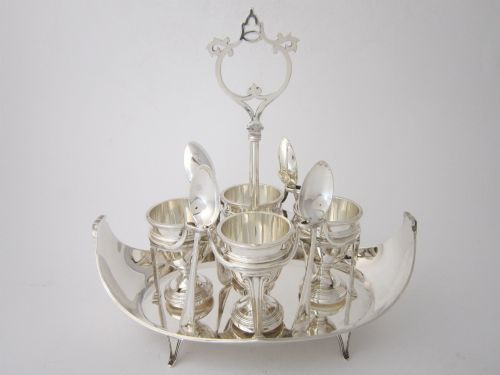
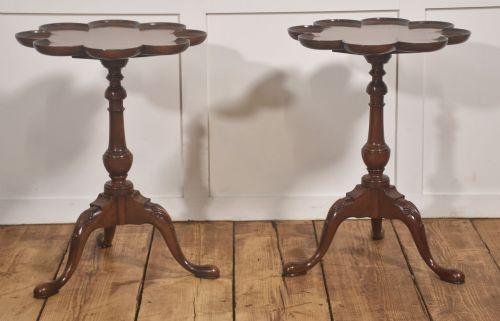
Alongside true early pieces, the listings include later interpretations and related stand-based forms such as washstands and urn stands. These variations maintain the core principle of off-the-floor storage and display, linking the domestic routines of the eighteenth century with subsequent decorative revivals.
How they were made
Cabinet-makers relied on figured walnut, dense mahogany, and sturdy oak to construct these elevated pieces. Timber selection drove the visual impact, with burl and figured veneers applied to primary surfaces while secondary woods provided structural stability.
Joinery techniques combined pegged mortise and tenon frames with hand-cut dovetails for drawer construction. Brass hardware, including drop handles and escutcheons, was cast and fitted by hand to complement the polished wood grain.
George I Stand Retail Price Guide 2026
Typical asking prices for george i stand among the pieces listed under this phrase on Sellingantiques today, from the lower quarter to the upper quarter. They describe what is for sale here now, not the wider market.
Listings feature walnut, mahogany, and oak across Georgian periods, showing how cabinet-makers adapted durable timbers into elevated furniture forms.
What varies in quality
Quality rests in the harmony of the proportions between the upper body and its supporting stand. Master craftsmen ensured the legs, stretchers, and aprons bore the visual weight of the chest or cabinet above without appearing clumsy.
The integrity of the timber surfaces and the retention of original brasswork dictate the standing of an individual piece. Finer examples display crisp moulding details, undisturbed patination, and minimal timber replacement across the primary and secondary woods.
Walker of Nantwich·Edward White Birmingham·Charles Shuckburgh London
The George I Stand Glossary
- Chest on stand
- A cabinet or set of drawers resting on an integrated, elevated frame with legs. This form lifts storage off the floor to protect textiles and papers from damp.
- Walnut
- A dense, dark hardwood prized for its rich colour and decorative grain patterns. It was the favoured timber for high-status British furniture during the early eighteenth century.
- Oak
- A durable, heavy domestic timber utilised for structural framing and country-made furniture. Its prominent medullary rays provide a distinct texture when quartersawn.
- Escutcheon
- A protective brass plate surrounding a keyhole. It prevents the surrounding wood from wearing away through repeated use of the key.
- Dovetail
- A traditional interlocking joint used to join the sides of drawers to their fronts and backs. Hand-cut dovetails indicate skilled craftsmanship and period authenticity.
George I Stand: Frequently Asked Questions
What is a george i stand?
A george i stand typically refers to a piece of furniture from the early eighteenth century raised on a dedicated supporting frame or legs. These items combine elevated storage or display surfaces with compact footprints suited to period rooms.
Cabinet-makers designed these stands to lift chests, cabinets, and basins clear of cold, damp floors while adding architectural elegance to domestic interiors.
How were these stands used historically?
These elevated forms served primarily for secure storage and personal grooming in private chambers and reception rooms. Drawers held valuable documents, clothing, or small household valuables.
By raising the main body of the furniture, owners gained easier access to contents without bending fully to the floor, reflecting the ergonomic priorities of the period.
Where should I place one at home?
These pieces fit naturally into hallways, studies, and drawing rooms where vertical space benefits from an item with an open underframe. Their elevated design creates a sense of lightness in a room compared to floor-length cabinetry.
Keep them away from direct sunlight and sudden temperature changes to protect the historic timber and polished finishes from drying out.
How can I tell period pieces apart?
Examine the construction methods, timber choice, and hardware integration to assess the age of an elevated piece. Early pieces frequently utilise walnut or oak with hand-cut joinery and period-appropriate brass handles.
Later interpretations and revival styles often feature machine-sawn timber elements, standardised fixings, or secondary woods that differ from eighteenth-century workshop practices.