
George I Secretary Cabinet
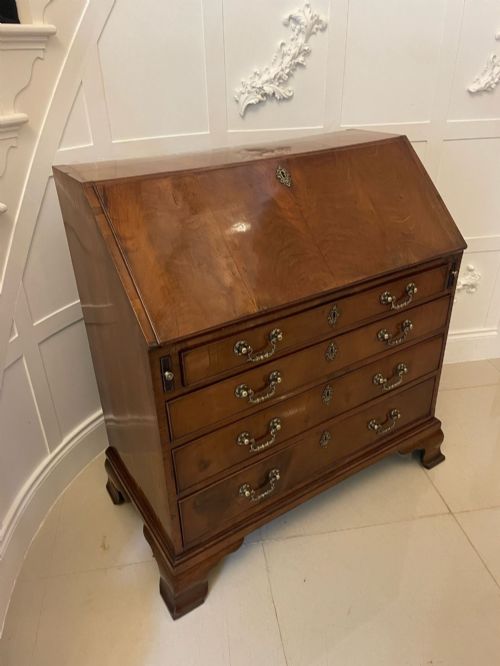
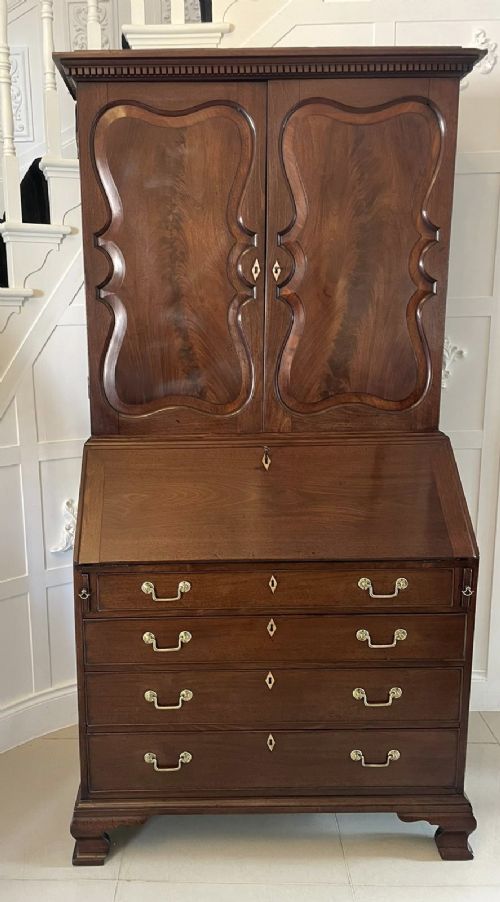
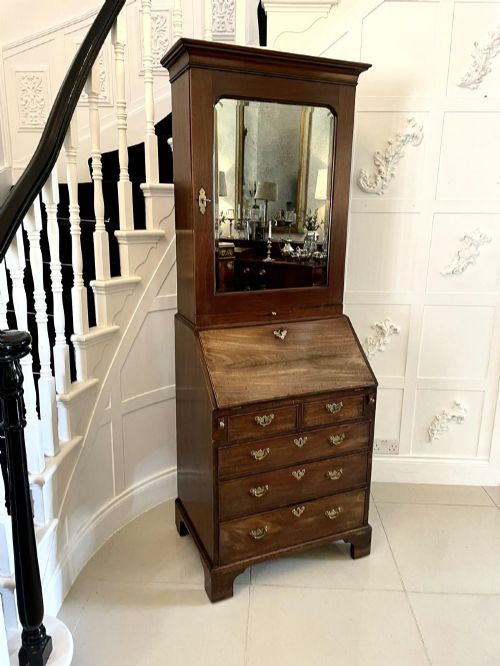
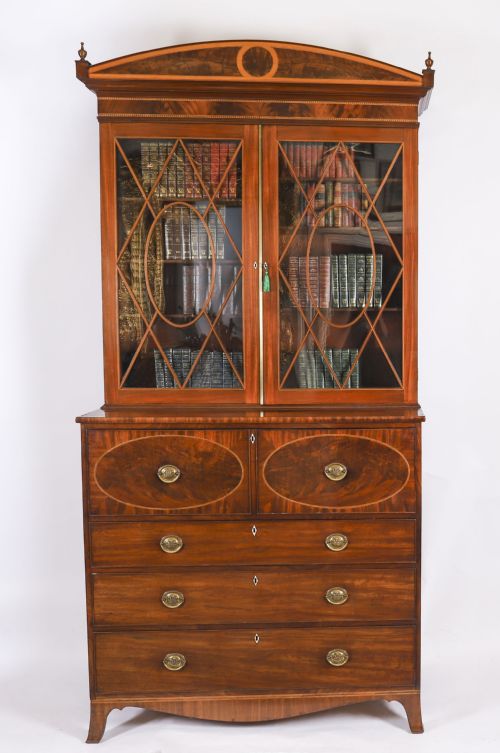
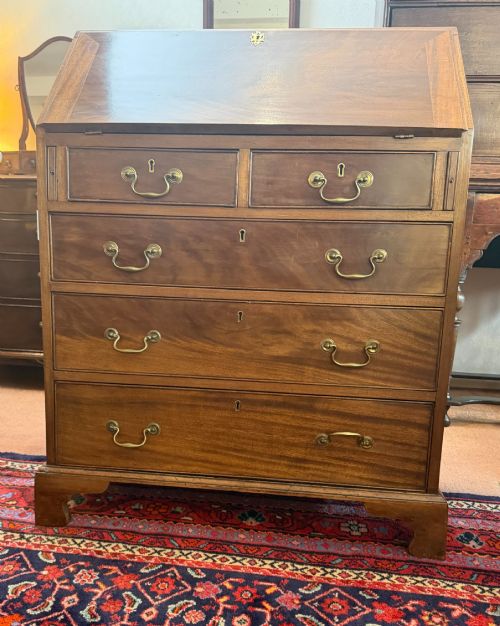
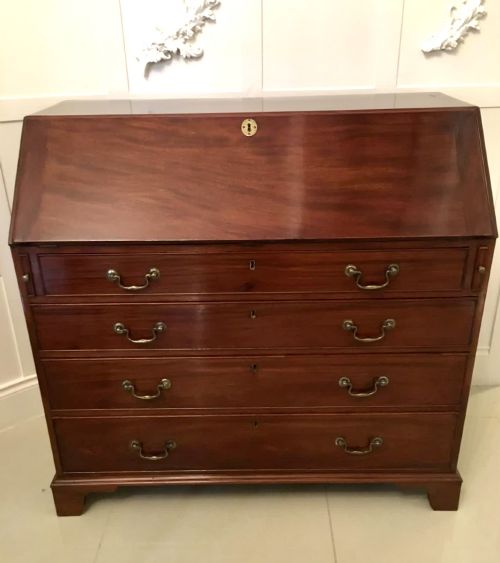
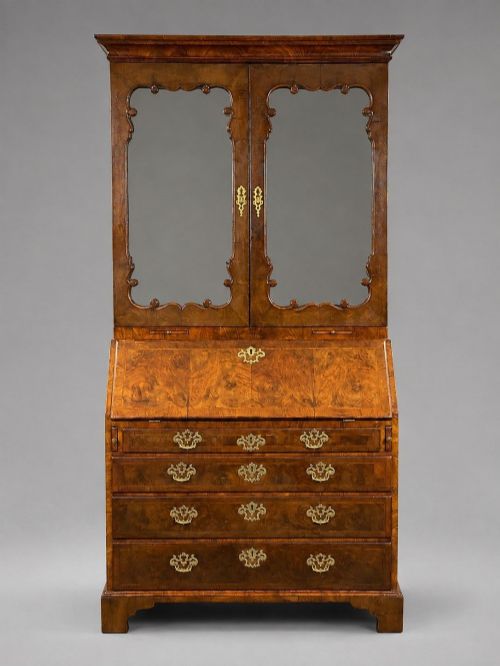
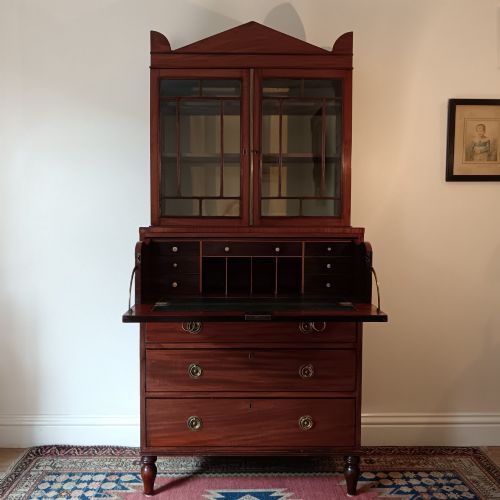
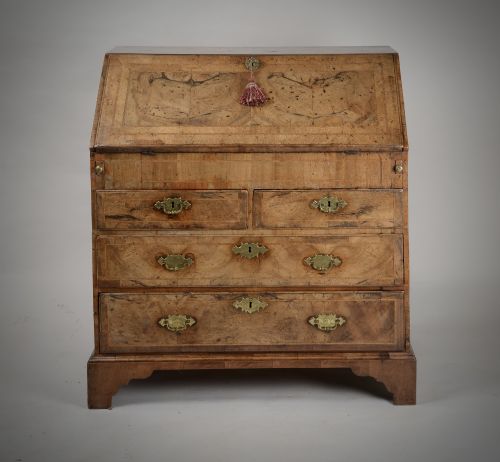
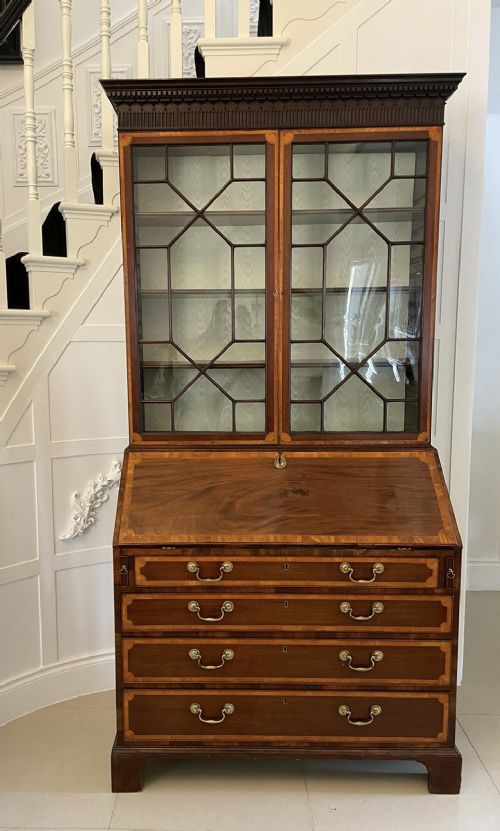
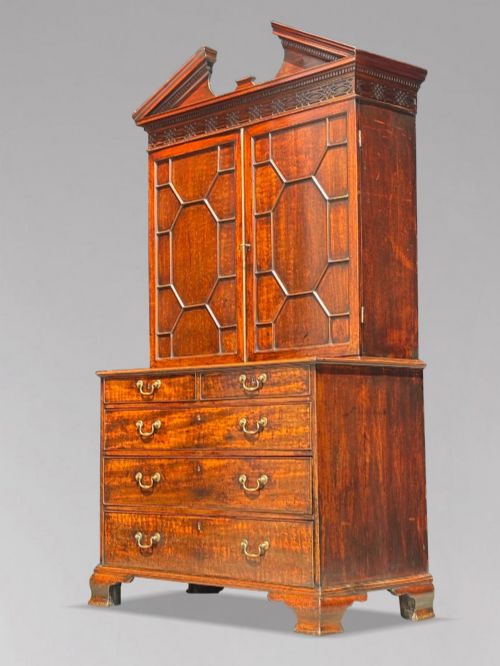
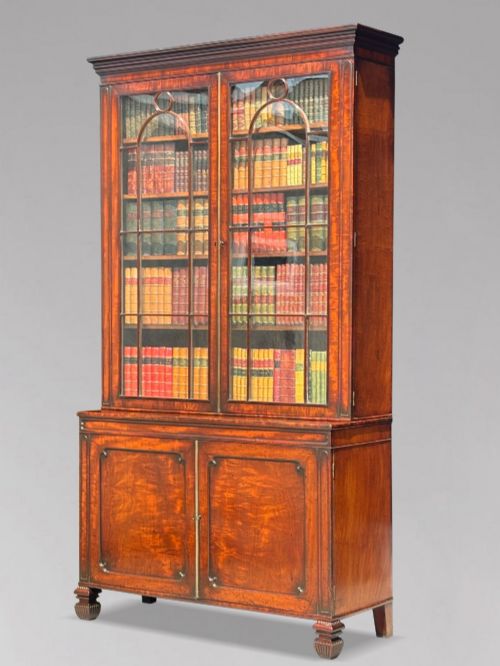
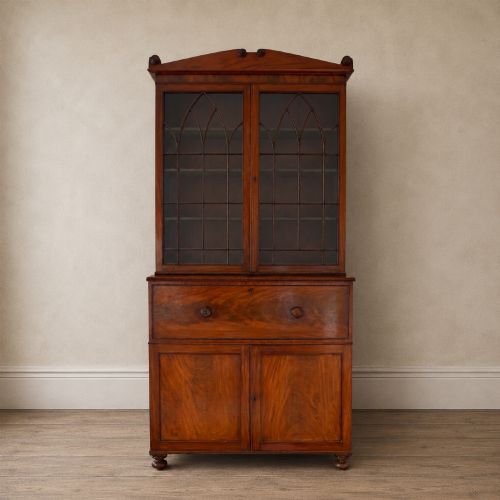
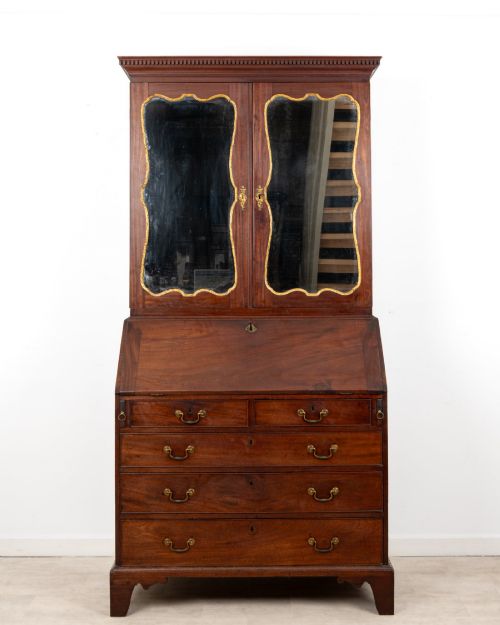
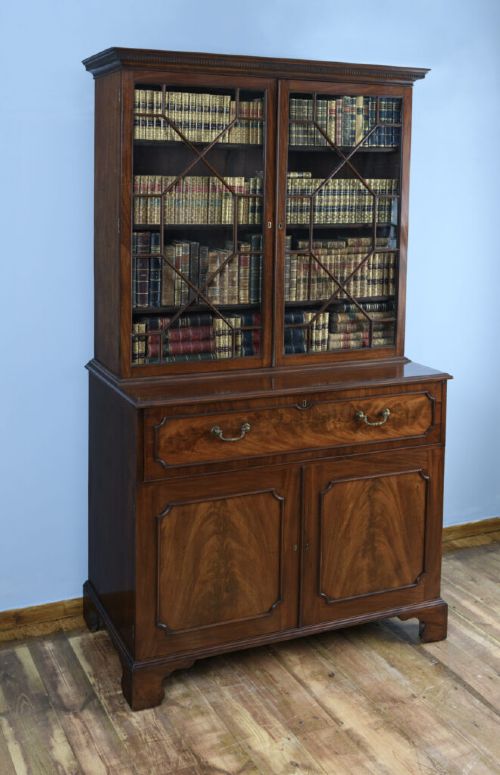
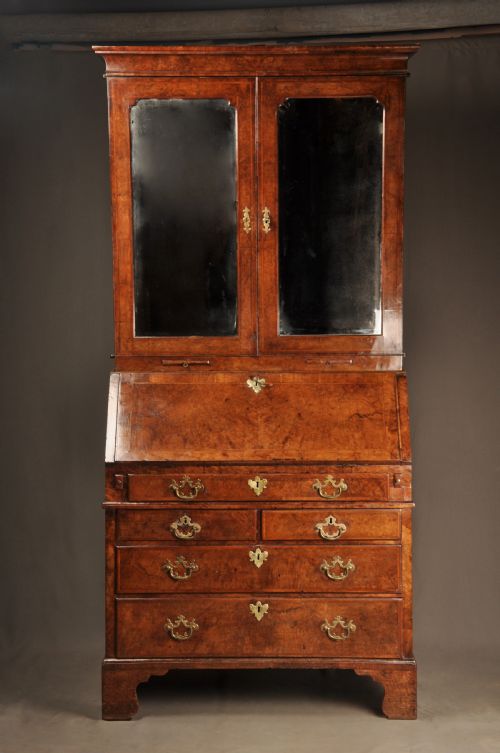
These walnut and mahogany george i secretary cabinet pieces bring architectural presence and concealed writing desks to a room, offering both display and storage.
George I Secretary Cabinet
When you search for george i secretary cabinet, you encounter tall case furniture combining a glazed or panelled upper bookcase with a lower writing compartment. The form encompasses bureau bookcases and secretaire cabinets originating mainly in the eighteenth century.
The pieces on this page span several reigns and styles, though walnut examples from the early eighteenth century sit alongside later mahogany versions from the Georgian and Regency periods. Bureau bookcases and secretaire desks dominate the forms present.
Materials and Construction
Cabinet makers utilised dense hardwoods including walnut, burr walnut, and mahogany, frequently selecting figured veneers or flame mahogany for the primary visible surfaces. Brass handles, escutcheons, and candle slides complement the timber construction.
Glazed upper sections enclose adjustable shelving, while lower writing compartments feature fitted interiors with small drawers and pigeonholes behind fall-front or drawer-front writing surfaces.
Materials recorded across the inventory include brass, glass, leather, oak, and satinwood.
Assessing Quality
The standard of a piece rests upon the choice of timber figure, such as highly figured burr walnut or matched flame mahogany veneers on the fall front and drawer faces. Grain continuity across the drawer fronts indicates careful initial selection by the maker.
Construction details dictate longevity and visual success, from the intricacy of the internal pigeonholes and small drawers to the proportion of the glazed upper doors and the integration of candle slides.
Thomas Chippendale·George Oakley·Gillows
The George I Secretary Cabinet Glossary
- Secretaire cabinet
- A piece of furniture containing a drawer or compartment with a drop-down writing flap that conceals fitted interior drawers and pigeonholes.
- Bureau bookcase
- A tall cabinet comprising a lower sloping-front desk and an upper glazed or panelled bookcase section.
- Burr walnut
- Timber taken from a walnut tree outgrowth, producing complex, swirling grain patterns highly prized for cabinet veneers.
- Candle slide
- A pull-out wooden board positioned beneath the upper doors to hold a candle for illumination while writing.
- Flame mahogany
- Mahogany veneer cut to display a flickering, flame-like grain pattern.
George I Secretary Cabinet: Frequently Asked Questions
What is a george i secretary cabinet?
A george i secretary cabinet is a tall piece of case furniture featuring an upper bookcase and a lower section with a writing desk. These items combine display space for books with concealed compartments for correspondence.
Craftsmen built these cabinets in multiple sections using walnut or mahogany, often incorporating fitted internal drawers and candle slides for practical utility.
How do I identify a george i piece?
Early eighteenth-century pieces often display figured walnut or burr walnut veneers, brass hardware, and architectural cornices. The internal arrangement typically contains numerous small drawers and pigeonholes.
Examining the secondary timbers inside the drawers and the construction methods helps determine the period alongside stylistic markers like bracket feet and panelled doors.
How were these cabinets used?
Owners used the upper glazed sections to store and display valuable libraries while utilising the pull-down writing flap for correspondence and paperwork. The concealed compartments kept sensitive documents secure.
Candle slides pulled out from the front to illuminate the writing surface during evening hours before the advent of electric lighting.
How do I care for walnut and mahogany furniture?
Keep these timber pieces away from direct sunlight and heat sources to prevent the wood veneers from drying out and cracking. Maintain a stable room humidity to protect the antique polish and structural joints.
Apply traditional beeswax periodically and buff gently with a soft cloth to nourish the wood surface without building up excessive residue.