
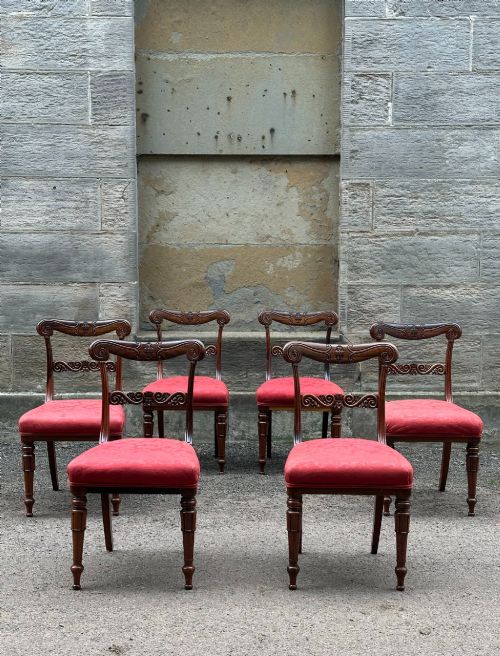
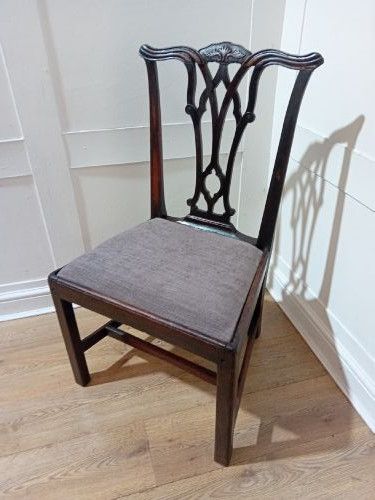
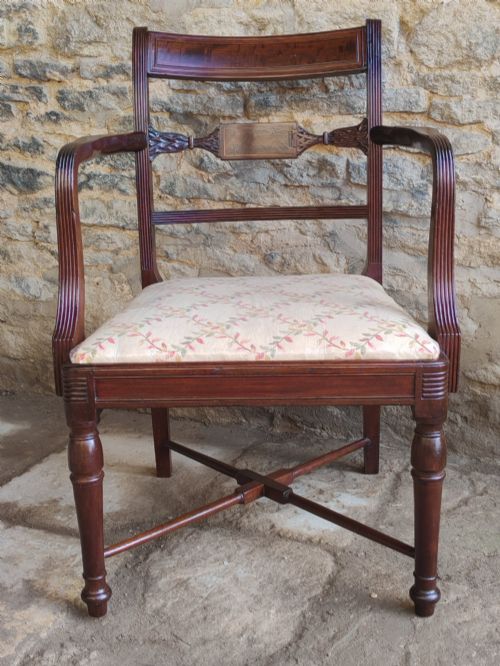
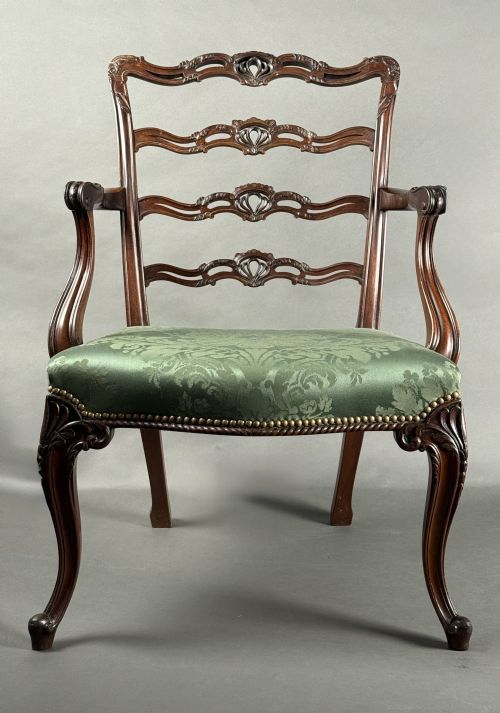
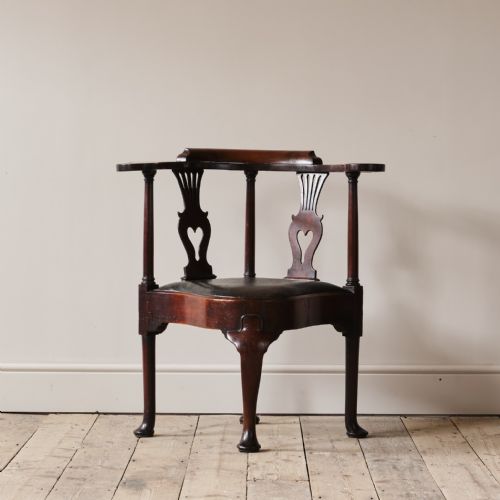
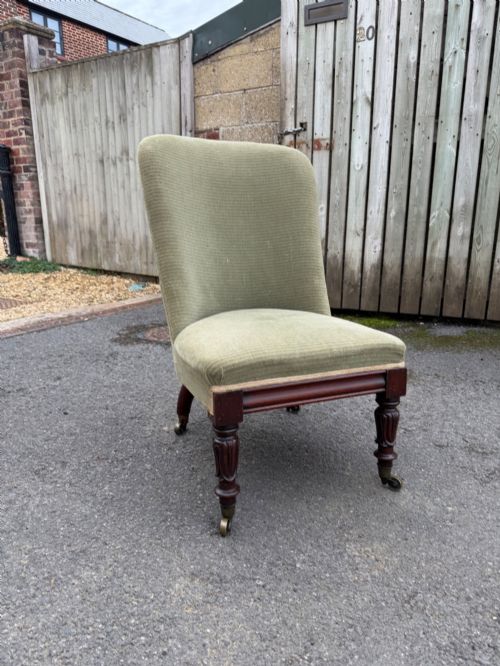
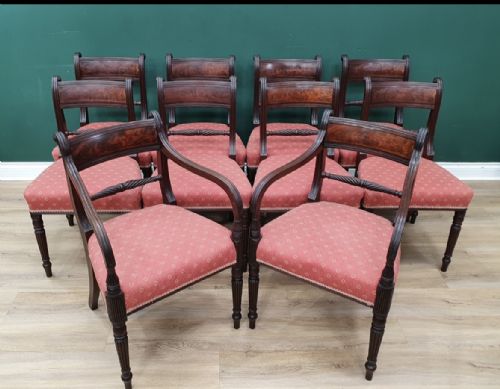
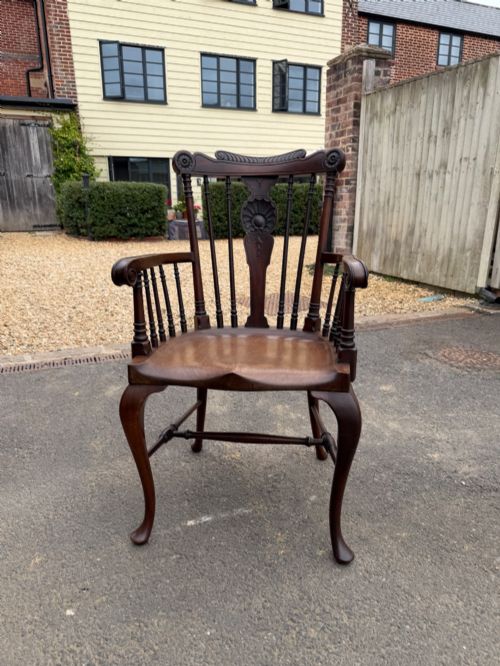
George I Mahogany Chair
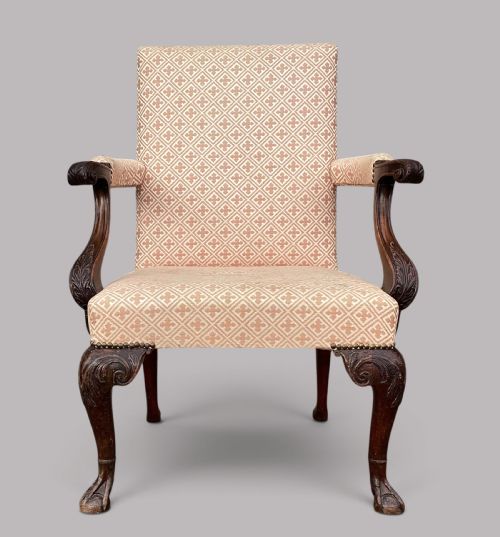
A george i mahogany chair embodies the durable weight and rich grain that defined 18th-century seating.
George I Mahogany Chair
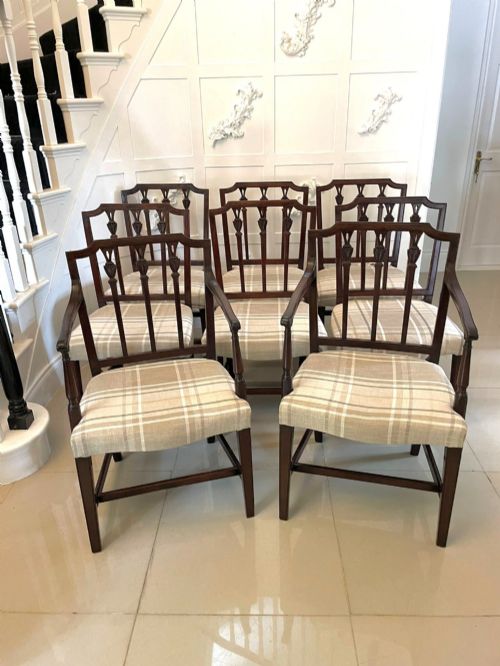
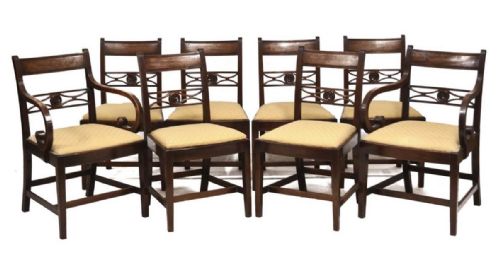
A george i mahogany chair search typically reveals formal seating from the 18th century onward, though many items originate in later revival periods. Dining chairs, library armchairs, and hall chairs dominate the selection.
The material focus centres on dense mahogany, accompanied by rosewood and various forms of upholstery. Pieces range from single side chairs to extensive dining sets matching specific stylistic eras.
Materials and construction
Makers utilised solid mahogany for structural frames, sometimes adding decorative elements in rosewood or brass. Carved details appeared directly on the timber framework before assembly.
Upholstered items incorporated fabric, leather, horsehair, or velvet secured over webbing and stuffing. Frame joints relied on traditional woodworking techniques to ensure long-term stability.
Listings feature mahogany, rosewood, leather, velvet, and horsehair across Georgian, Regency, and 19th-century periods.
Assessing craftsmanship
Superior examples display crisp, deeply carved woodwork with well-proportioned legs and backsplats. Lesser pieces show softer carving lines or proportions that lack structural harmony.
The grade of materials matters significantly, from the density of the mahogany grain to the historical accuracy of the upholstery fabric. Original components hold greater integrity than replaced parts.
Gillows·Morris & Co·Waring & Gillow
The George I Mahogany Chair Glossary
- Carver
- An armchair, often designed to match a set of dining side chairs.
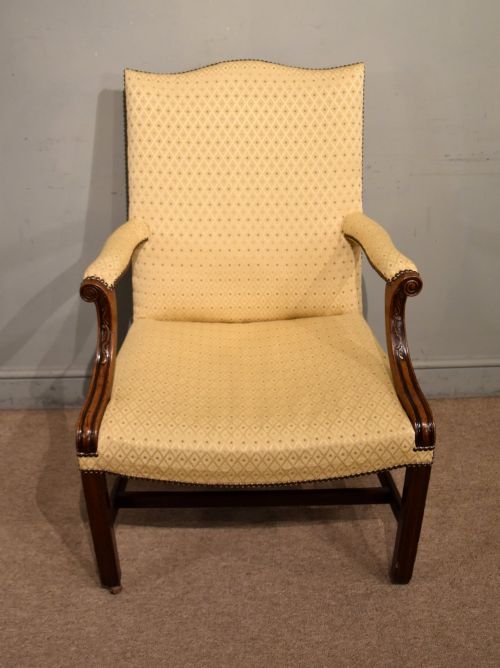
- Gainsborough chair
- A wide, open-armed library armchair with a padded seat and back.
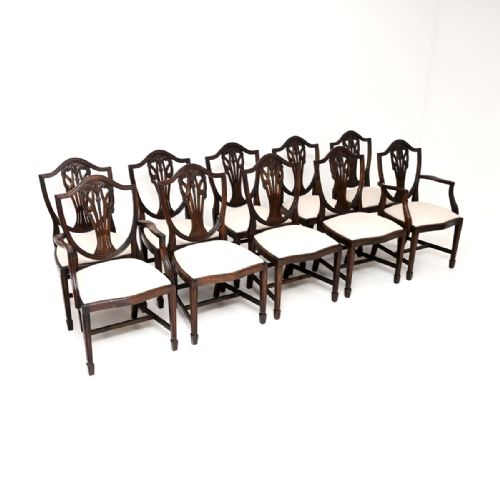
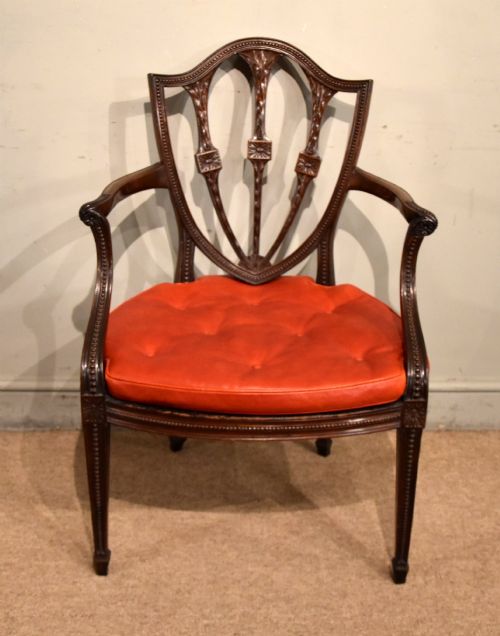
- Shield back
- A chair back shaped like a shield, popular in late 18th-century design.
- Bergère
- An enclosed upholstered armchair with exposed wooden framing.
- Sgabello
- A rigid, highly decorative wooden hall chair derived from the Renaissance.
George I Mahogany Chair: Frequently Asked Questions
How do I identify a true period piece?
Examine the timber shrinkage, tool marks, and overall construction methods used in the frame.
Compare the stylistic motifs against documented examples from the same century.
Were these chairs used for dining?
Many sets served formal dining rooms as either single side chairs or matching carvers.
Sturdier frames accommodated daily domestic use around large household tables.
Can I use antique leather chairs daily?
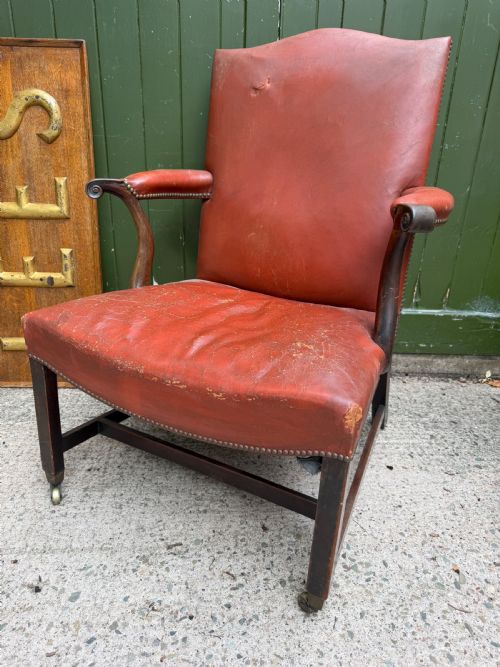
Historic leather upholstery requires careful conditioning to prevent cracking under regular pressure.
Gentle maintenance preserves the original surface without damaging the aged hide.
What is a drunkards chair?
A specialised seating form with adjustable or winged elements designed for relaxed comfort.
These pieces appeared in domestic interiors during the Georgian era.