
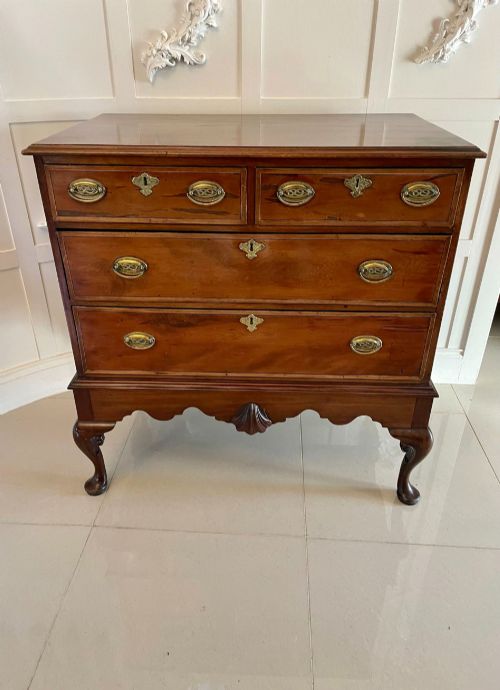
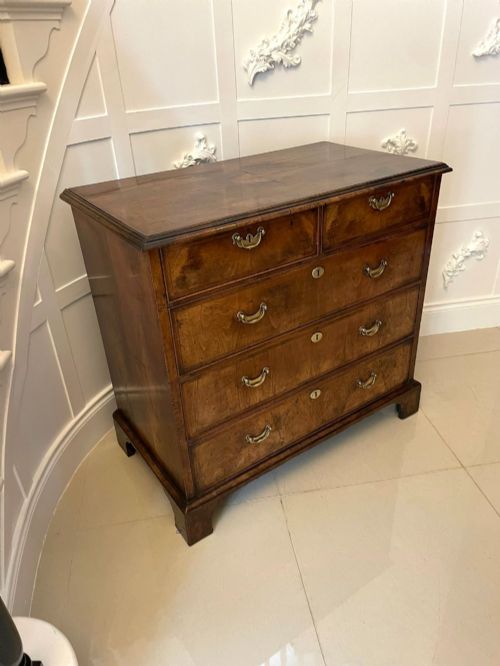

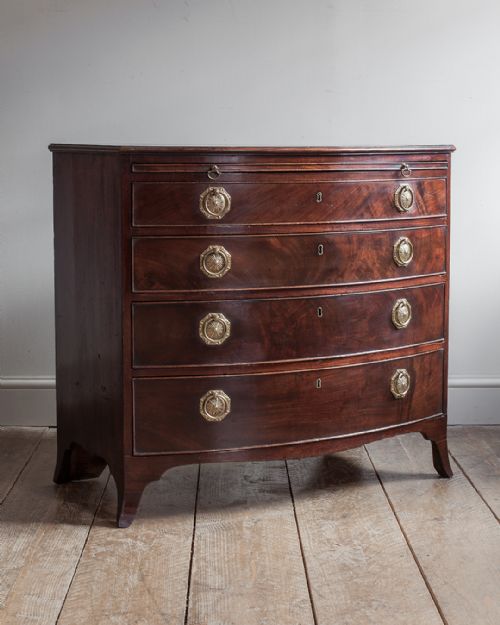
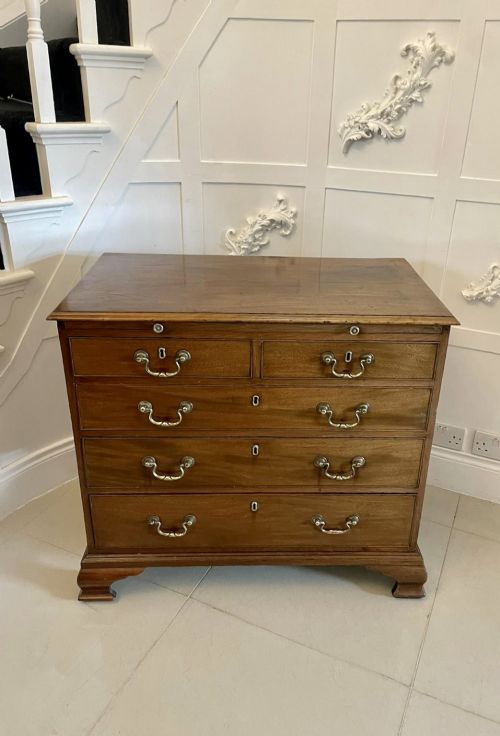
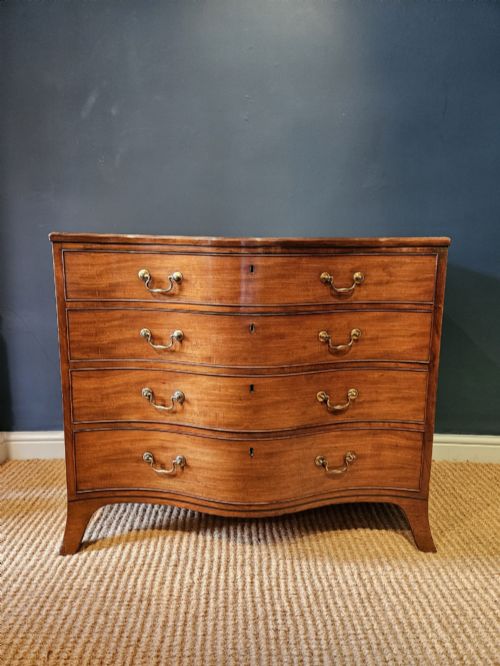
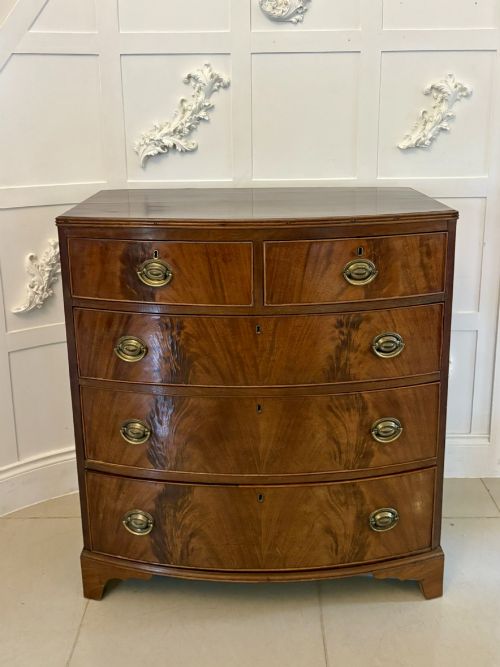
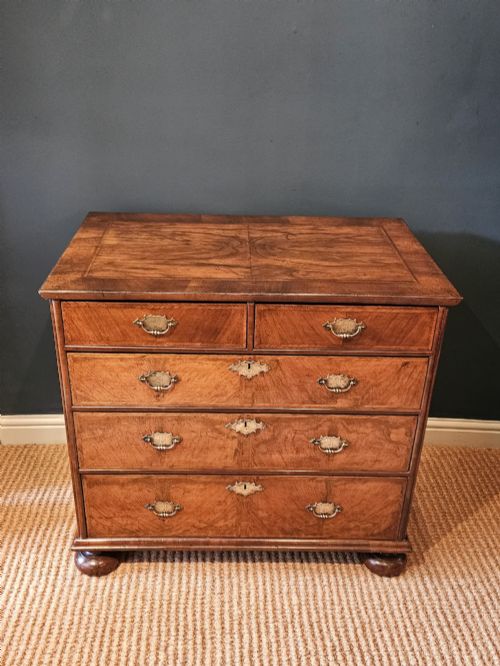
George I Commode
When you search for a george i commode, you are entering a field defined by walnut and mahogany cabinet-making of the eighteenth century.
George I Commode
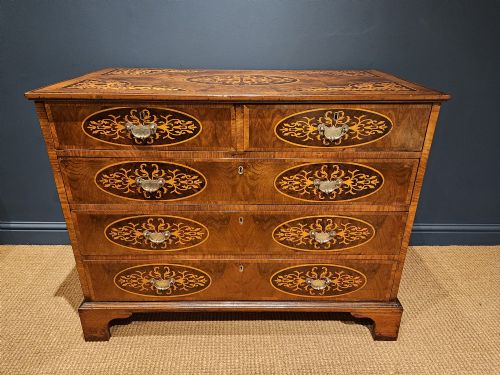
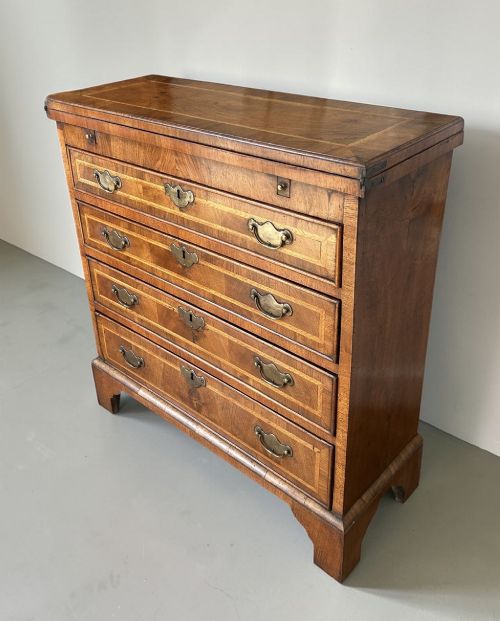
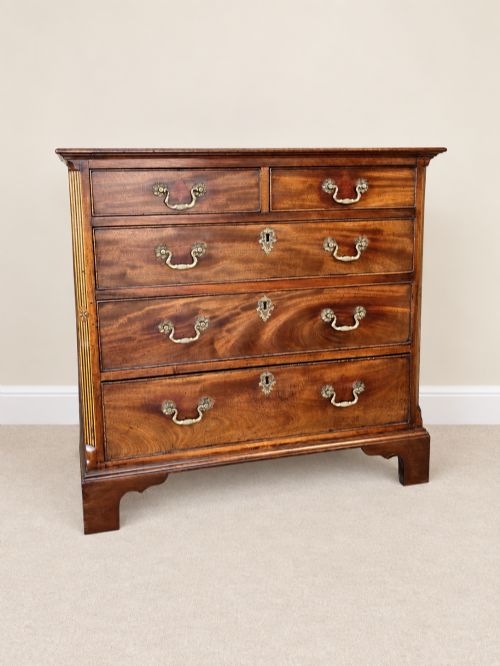
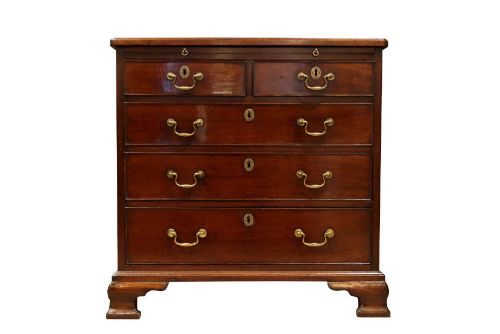
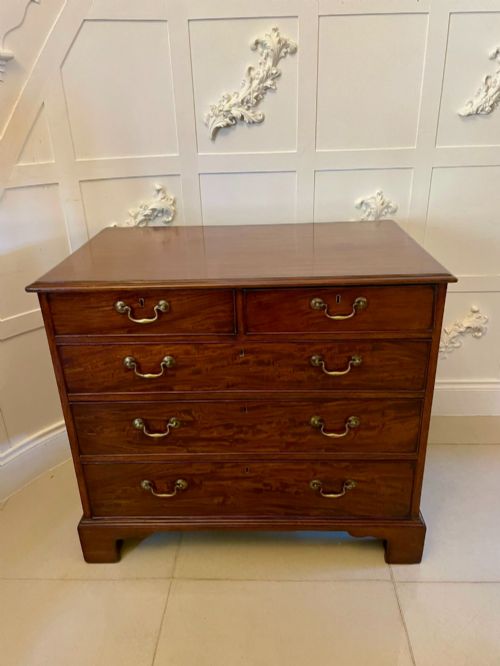
A george i commode represents the early eighteenth-century form of low cabinet or chest designed for personal use, often associated with walnut timbers and herringbone banding. While the search term specifically points to the reign of George I, the broader evidence reveals that most available pieces span the Georgian period, including later developments under George II and George III.
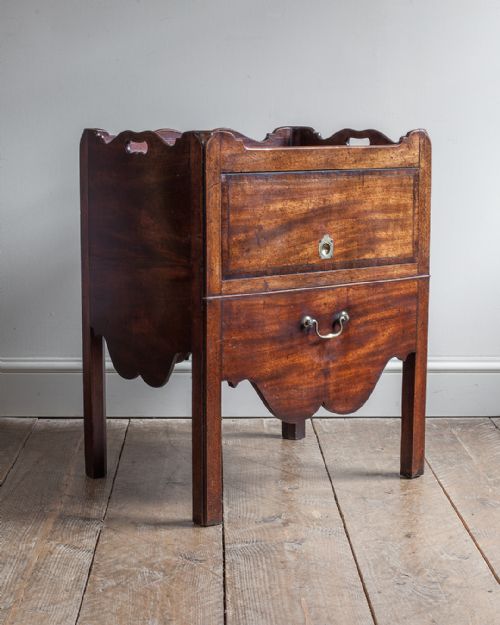
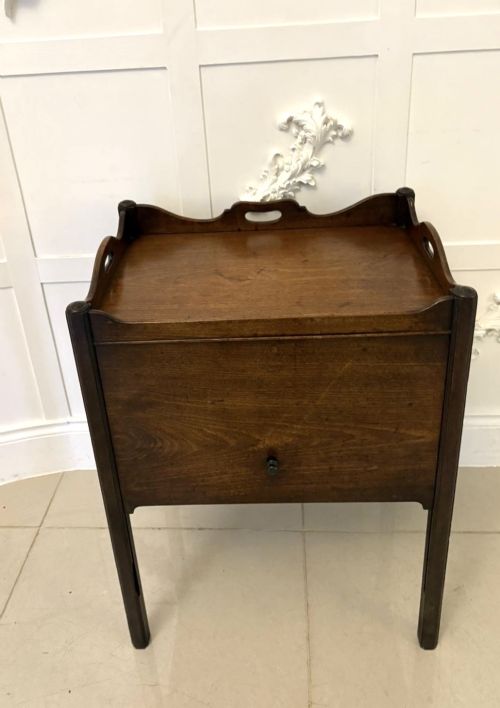
Bedside cabinets, tray top commodes, and bedside commodes form the majority of the enclosed forms recorded in the archives, alongside related chest of drawers formats. These items functioned as practical bedroom furniture, frequently incorporating tambour fronts, pull-out drawers, or enclosed cupboards.
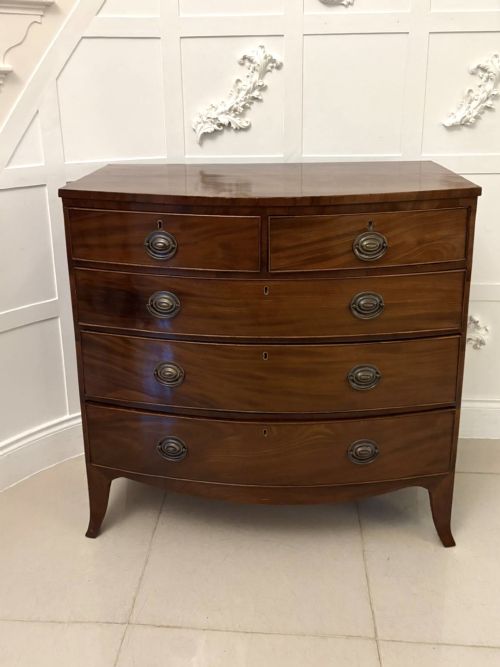
Makers and cabinet-makers of the period utilised domestic and imported timbers to construct functional storage pieces that ranged from compact bedside tables to serpentine-fronted examples. The pieces encountered here reflect both the restrained walnut aesthetic of the early seventeen-hundreds and the later carved and figured mahogany designs of the Georgian era.
How they were made
Cabinet-makers relied primarily on solid timbers and veneers of walnut, mahogany, burr walnut, and oak, often reinforced with pine secondary woods and brass hardware. Construction techniques involved precise dovetailing for drawer boxes and frame-and-panel methods for enclosed cupboards and tray tops.
Surface ornamentation made use of figured grain patterns, flame mahogany, and decorative banding such as herringbone inlay in boxwood or lighter woods. Finishing was achieved through polishing and waxing to highlight the natural movement and depth of the timber.
Several bedside commodes retain their original internal partitions designed to hold eighteenth-century chamber pots with strict discretion.
What varies in quality
Quality in these pieces is dictated by the selection of timber figures, such as highly figured burr walnut or rich flame mahogany, matched symmetrically across the facade. Superior examples display refined proportions, crisp moulding details, and original brass fittings that complement the scale of the carcass.
The integrity of the internal construction, including secondary woods, uncompromised drawer linings, and the survival of original mechanics like tambour slides or tray tops, separates standard production from exceptional cabinet-work.
Henry Hill Of Marlborough·Cowtan And Sons London
The George I Commode Glossary
- Commode
- A low cabinet, chest of drawers, or bedside cupboard, originating in the eighteenth century as a functional piece of bedroom furniture. Many examples feature enclosed compartments or tray tops designed to hold washing or personal items.
- Tambour
- A flexible sliding shutter formed of narrow vertical strips of wood glued to a canvas backing, used to enclose the front of small cabinets and commodes. This mechanism allowed access to storage spaces without requiring swinging doors.
- Herringbone
- A distinctive banded inlay pattern composed of small veneer pieces laid diagonally in opposing V-shapes, frequently seen framing walnut drawer fronts on early eighteenth-century furniture.
- Brushing slide
- A pull-out shelf integrated into the upper section of a chest or commode, originally used for writing or folding garments without opening the main drawers.
- Tray top
- A raised rim surrounding the upper surface of a bedside table or commode, designed to prevent items from rolling off the edge.
George I Commode: Frequently Asked Questions
What is a george i commode used for?
These items served as private bedroom storage for personal items, washing equipment, or chamber utensils.
Over time, many of these cabinets transitioned into general bedside tables or decorative accent pieces within domestic interiors.
How do you date a georgian commode?
Dating relies on identifying timber choices, such as early walnut versus later mahogany, alongside structural characteristics like drawer construction and leg forms.
Secondary woods, handle types, and decorative motifs like boxwood inlay or tambour doors further narrow the period of manufacture.
How do you care for antique walnut furniture?
Walnut furniture requires a stable environment away from direct sunlight and dramatic changes in humidity to prevent timber movement and veneer lifting.
Regular application of traditional wax helps nourish the wood and maintain the natural sheen of the historic surface.