



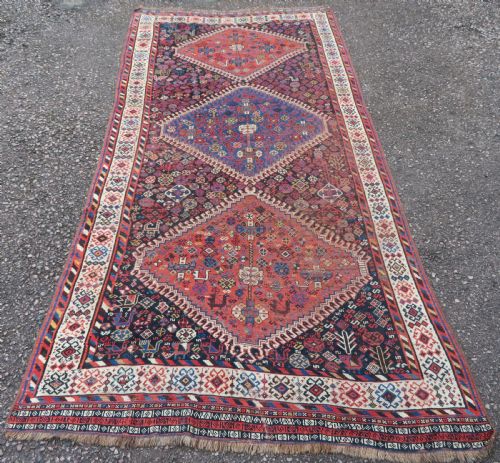
Geometric Woven Runner
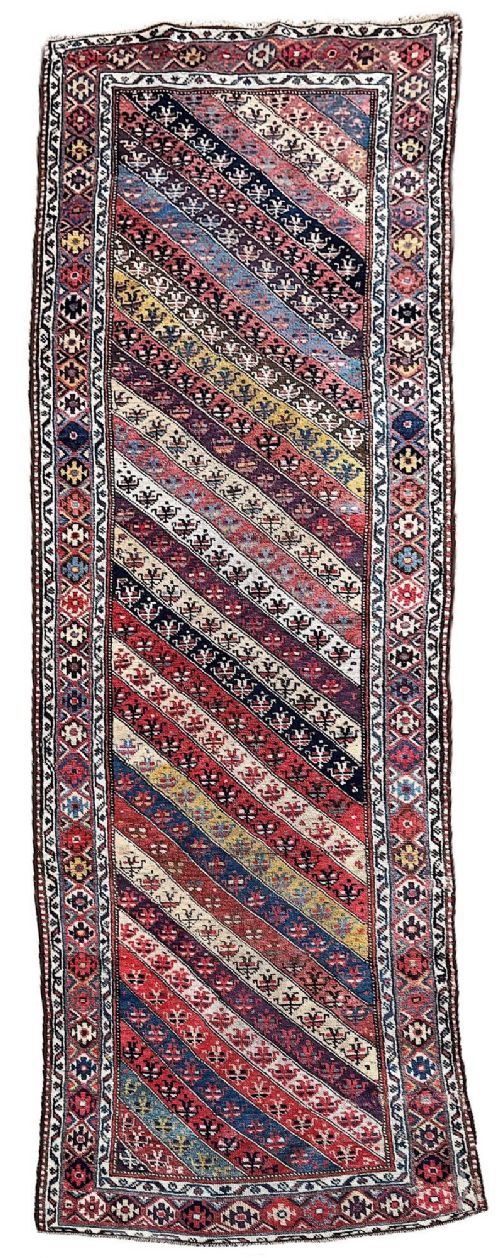
A geometric woven runner brings linear tribal patterns and resilient floor covering to a hallway, drawn from Persian, Caucasian and Anatolian traditions.
Geometric Woven Runner
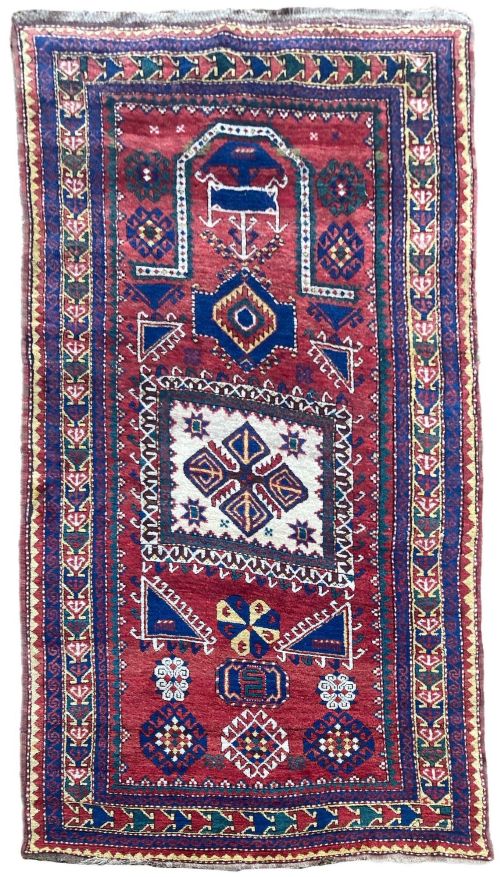
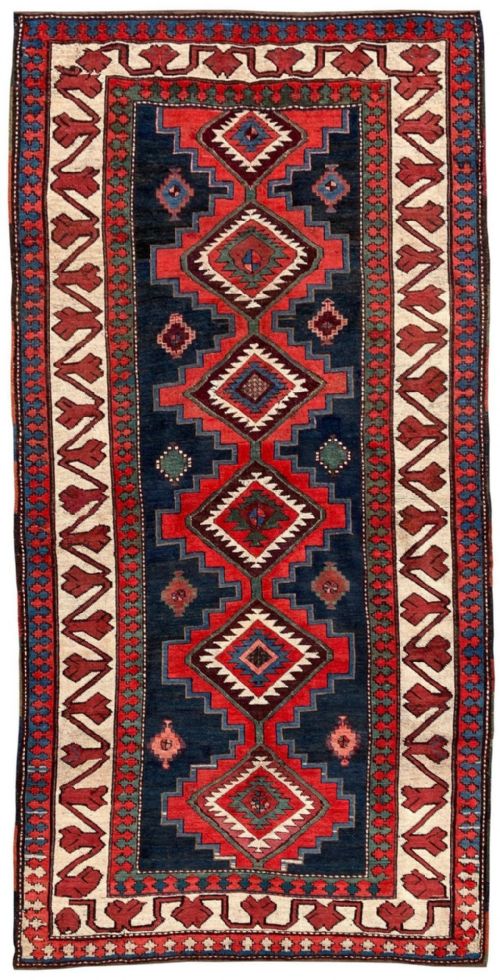
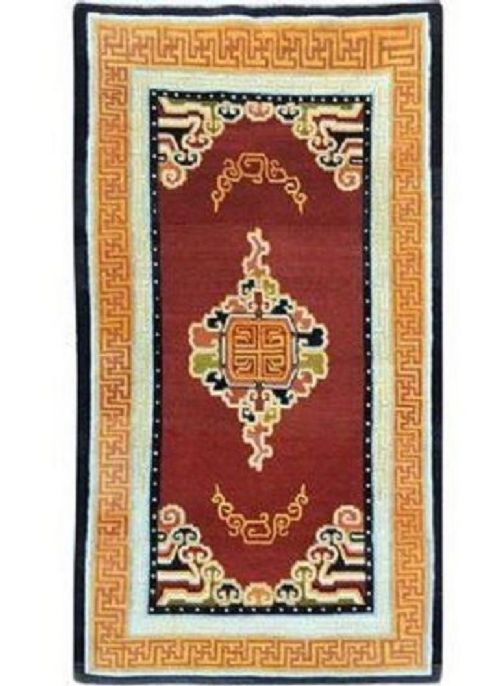
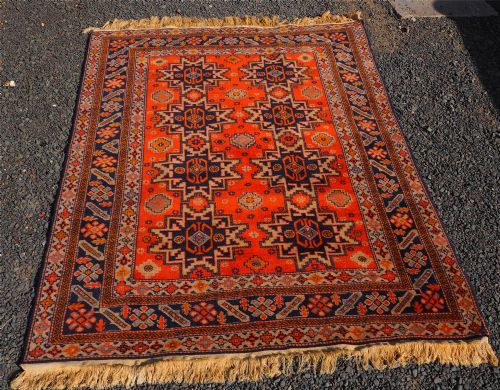
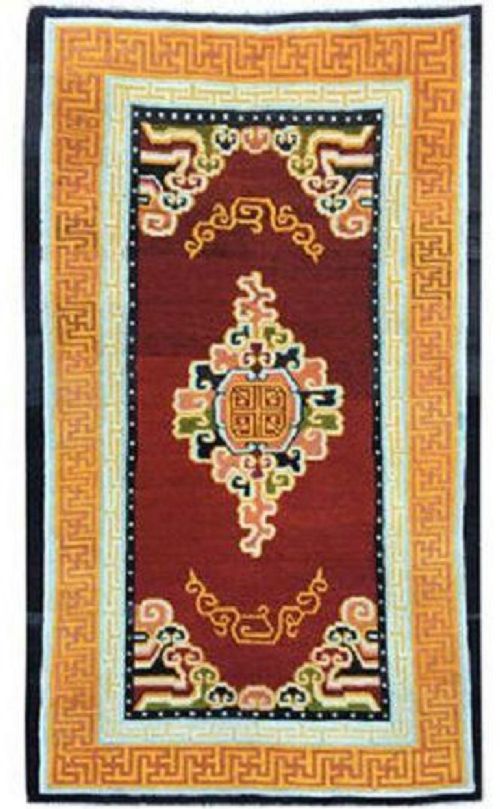
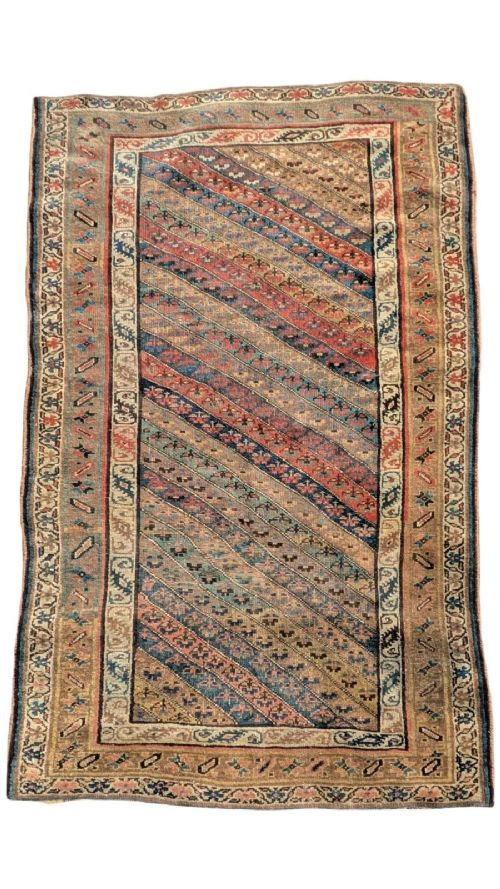
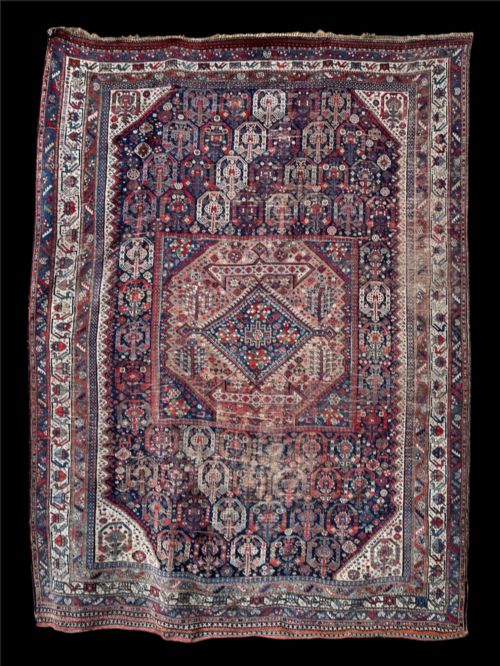
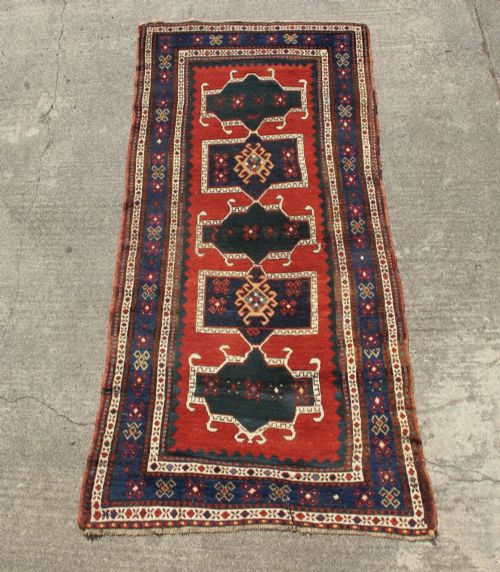
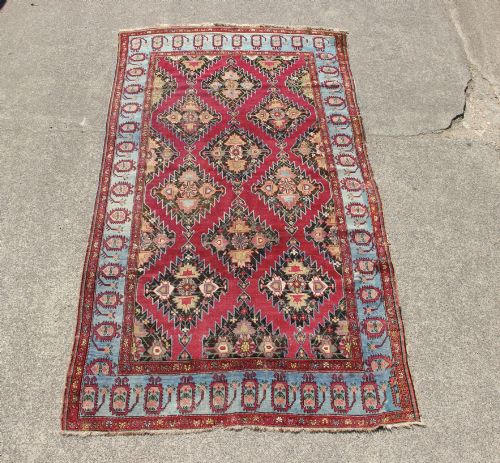
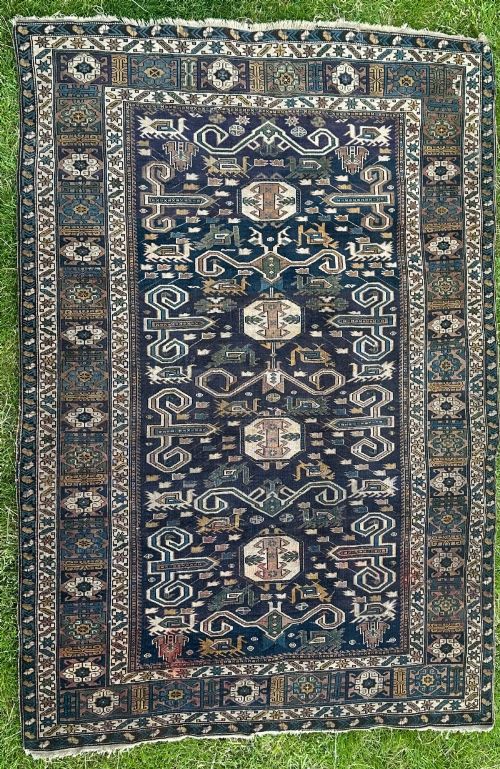
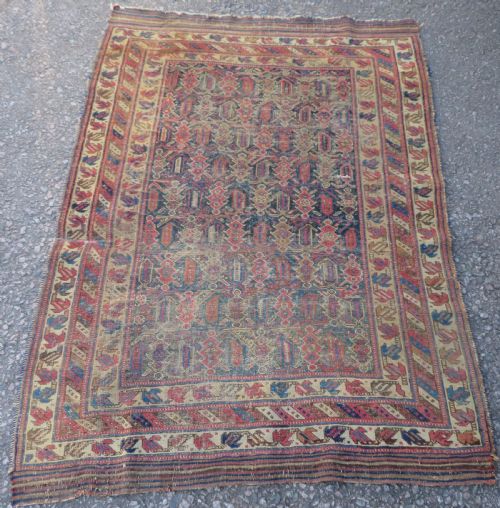
When you search for a geometric woven runner, you encounter floor coverings produced across Persian, Caucasian, and Anatolian tribal regions during the nineteenth and twentieth centuries. These pieces display repeating motifs, medallions, and angular lines worked into formats suited for narrow spaces like hallways and corridors.
The selection includes flat-woven kilims alongside pile carpets originating from specific weaving groups such as the Kurdish, Kazak, Shirvan, and Luri traditions. Dating predominantly from the eighteen-eighties through to the nineteen-forties, these runners reflect the utilitarian craft of village and nomadic weavers.
Materials and construction methods
Makers utilised hand-spun wool and cotton foundations, binding the materials with natural dyes that produced rich, mellow palettes over decades of use. The construction relies on traditional hand-knotting or flat-weaving techniques passed down through tribal workshops and nomadic households.
The employment of local wool yields a dense, durable pile or a flat structure capable of withstanding heavy foot traffic. Natural dyestuffs interact with the wool fibres to create nuanced shifts in tone across the length of the runner.
Listings span the late nineteenth century through to the nineteen-forties, featuring wool, cotton, and natural dyes from Persian and Caucasian origins.
Factors of quality and execution
Quality in these runners rests upon the precision of the tribal design and the integrity of the weave. Tighter knotting and denser flat-weaves indicate greater time and skill invested by the maker.
The choice and depth of natural dyes also distinguish finer examples, where complex colour variation adds visual texture to the geometric scheme. Balance in the composition and stability of the wool foundation complete the standard of execution.
The Geometric Woven Runner Glossary
- Kilim
- A flat-woven carpet or rug produced without a pile by tightly interweaving warp and weft threads. This technique results in a lightweight, reversible textile with crisp geometric patterns.
- Kazak
- A style of rug originating from the Caucasus region known for bold primary colours and strong geometric medallions. These pieces typically display robust wool and distinctive tribal iconography.
- Warp
- The vertical threads stretched upon a loom that form the structural foundation of the textile. Weft threads are passed across and under these stationary strands.
- Natural Dyes
- Colouring agents derived from plants, insects, and minerals rather than synthetic compounds. They yield harmonious hues that mellow gracefully as the textile ages.
Geometric Woven Runner: Frequently Asked Questions
How were geometric woven runners used historically?
These long formats served as durable floor coverings in hallways, tents, and village homes, providing insulation against cold stone or packed earth.
They also functioned as practical dividers and transportable furnishings within nomadic and semi-nomadic communities.
How do I care for an antique runner?
Vacuum the piece gently using a suction-only attachment without a rotating brush bar to protect the wool fibres.
Rotate the runner periodically to ensure even wear across its length in high-traffic corridors.
How can I tell a Caucasian runner from a Persian one?
Caucasian pieces typically exhibit stiffer wool, sharper angular geometry, and primary palettes featuring ivory, red, and blue.
Persian village runners often incorporate softer foundations, curved floral elements blended with geometry, and more varied regional colour schemes.
What does flat-weave mean for durability?
Flat-woven runners lack a raised pile, meaning wear is distributed directly across the interlocked warp and weft threads.
Properly maintained with a quality underlay, these sturdy textiles handle daily corridor use effectively.