



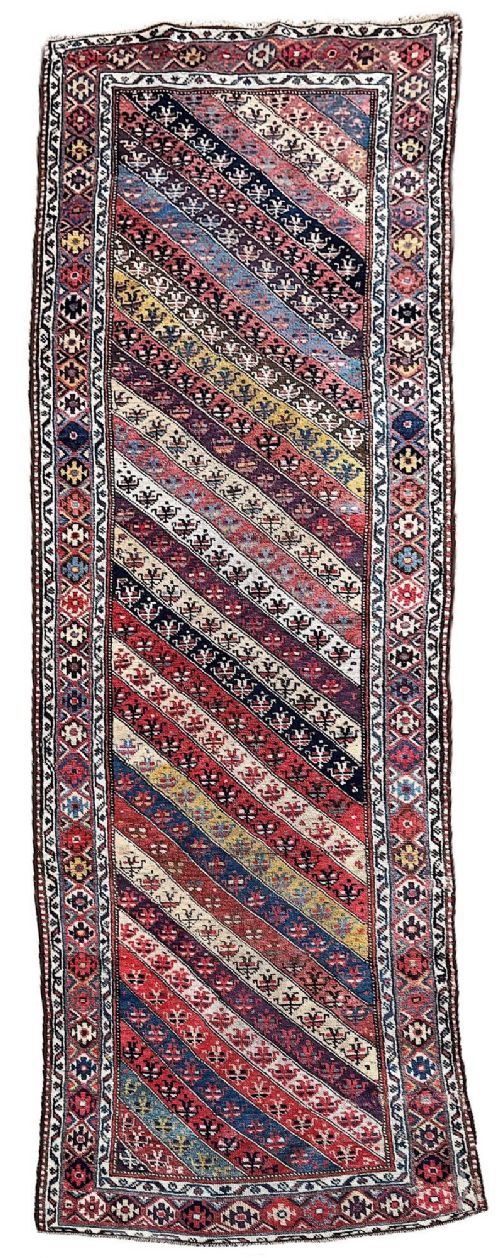
Geometric Wool Long Rug
These geometric wool long rug pieces bring enduring tribal artistry and rich colour to long hallways and narrow rooms.
Geometric Wool Long Rug
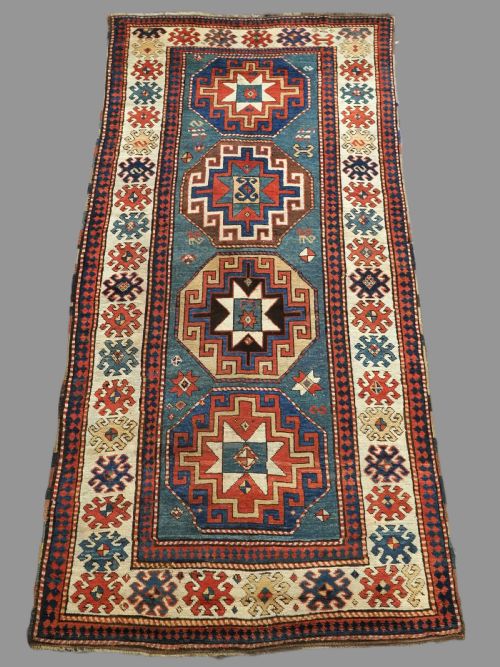
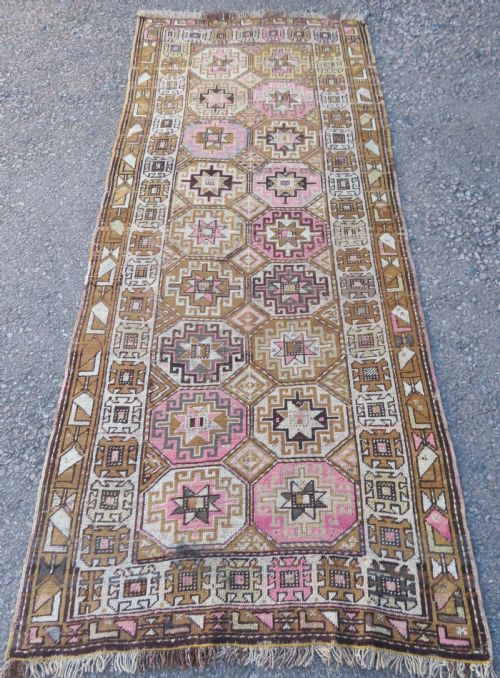
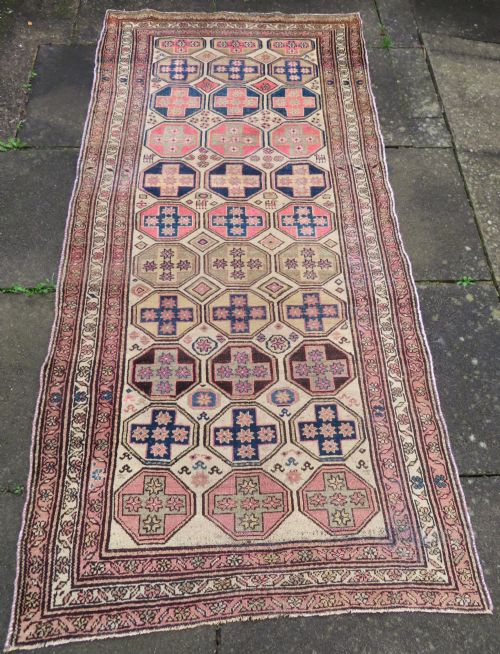
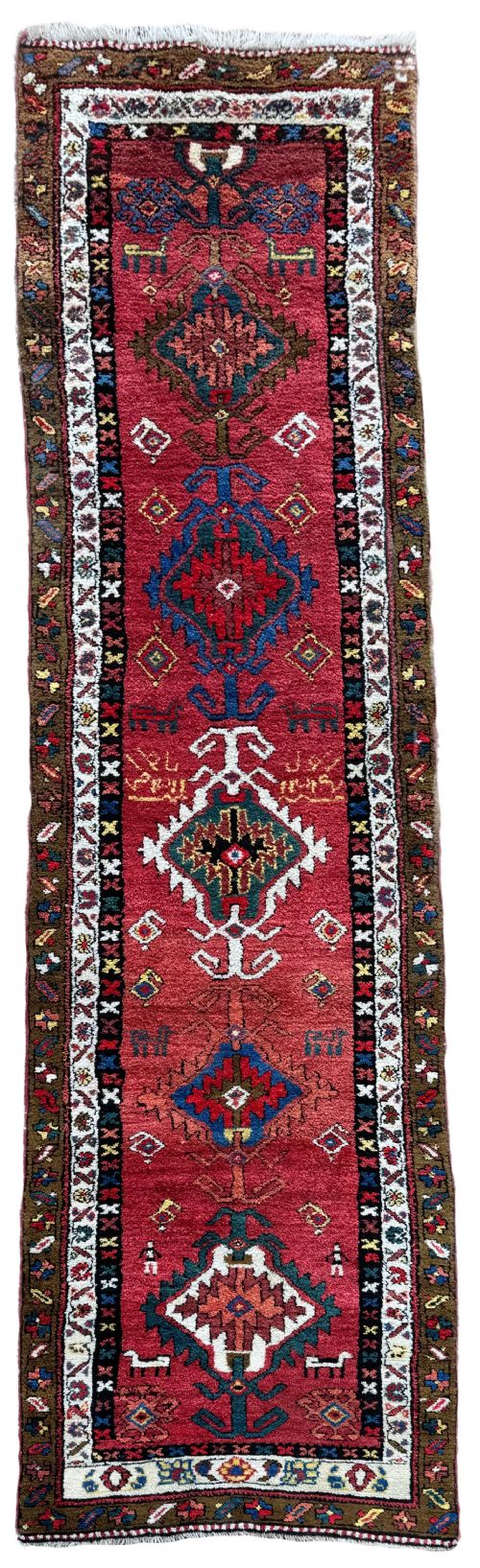
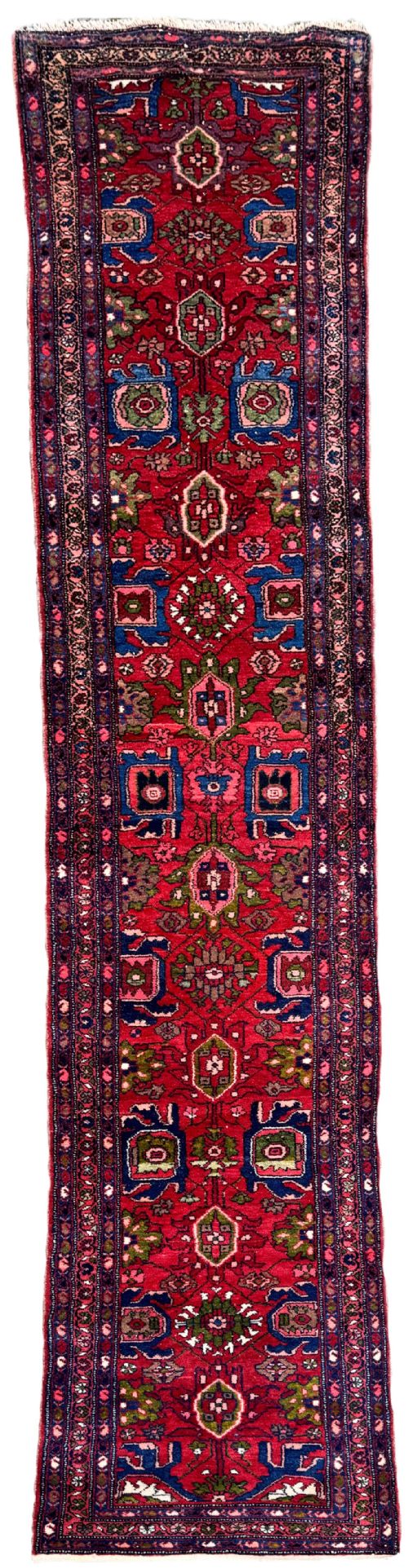
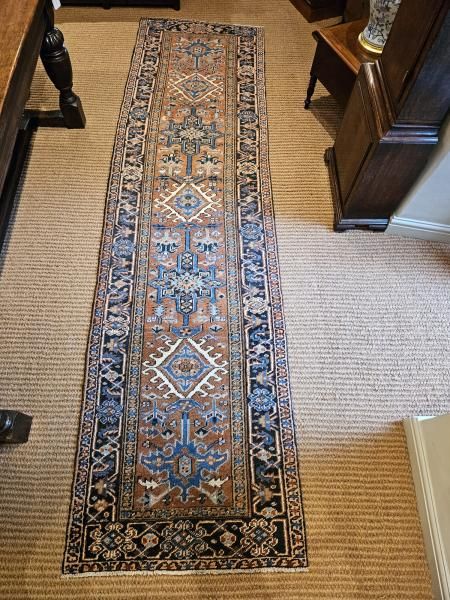
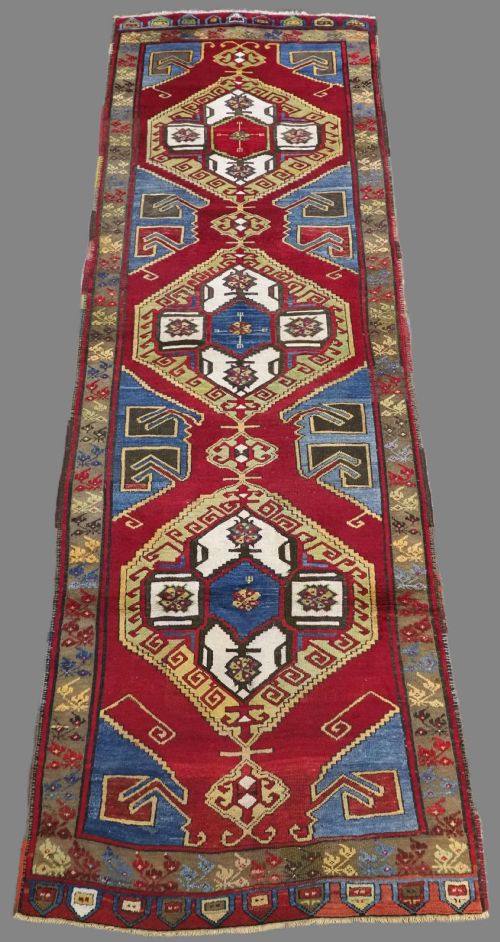
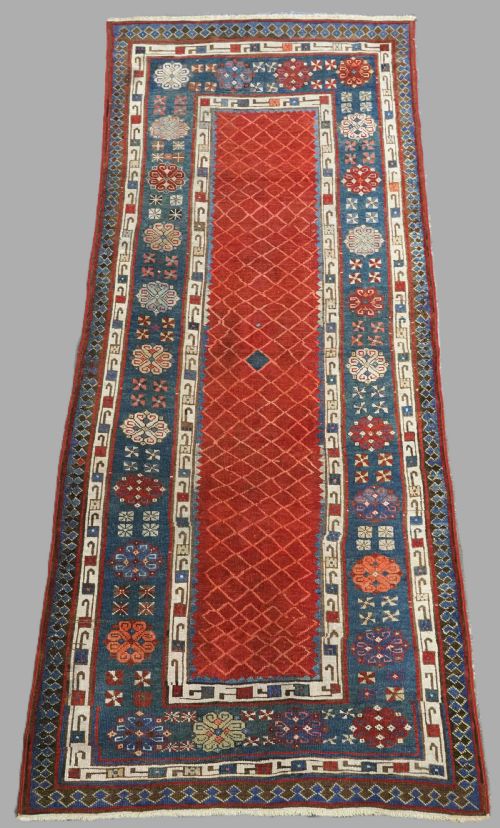
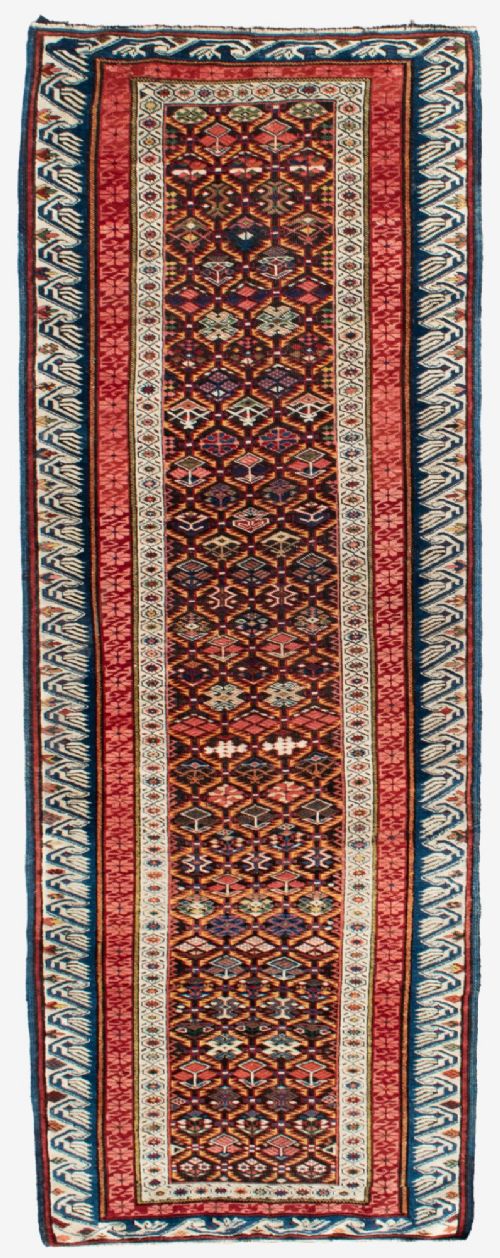
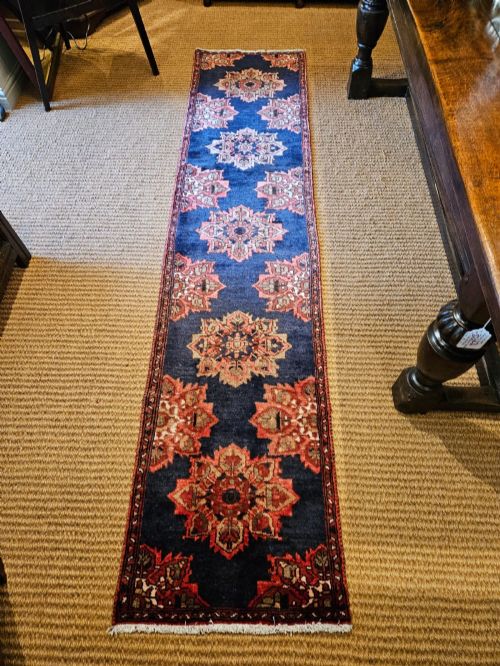
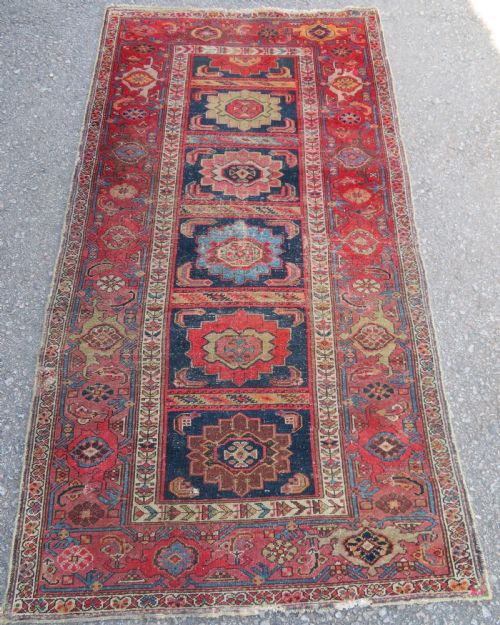
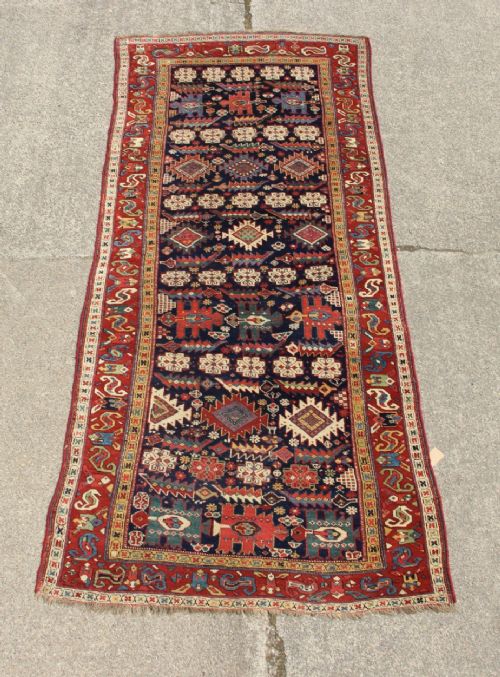
A geometric wool long rug acts as a practical floor covering designed for corridors, landings and narrow spaces. When searching for a geometric wool long rug, buyers encounter elongated formats originating from Persian, Caucasian, Turkish and Kurdish weaving traditions. The selection spans the nineteenth century through to the early decades of the twentieth century, bringing distinct regional patterns into domestic interiors.
The pieces on this page heavily feature traditional runners and long rugs created by tribal and village weavers. These floor coverings bridge utility and decorative expression through repeated motifs, medallion structures and strict geometric layouts. Their narrow proportions suit the specific architectural demands of hallways while delivering substantial visual weight.
How they were made
Weavers constructed these long rugs using natural wool and hand-spun wool, often paired with a cotton foundation for structural stability. The fleece was dyed using traditional materials derived from plants and minerals, yielding deep tones that soften gracefully over decades of exposure and use. Artisans knotted the pile by hand onto vertical looms, executing intricate lattice designs and geometric medallions entirely from memory or local tradition.
The density of the knotting and the quality of the wool dictate the physical weight and drape of each rug. Nomadic and village makers relied on robust, locally sourced fibres to withstand heavy foot traffic in busy family homes. This manual labour ensures the pile wears down evenly, developing a characteristic patina across the surface.
The inventory records traditional tribal and village styles, including Persian Heriz, Caucasian, Anatolian and Kurdish designs.
What varies in quality
The crispness of the geometric drawing and the precision of the tribal motifs set exceptional examples apart from simpler village work. A disciplined layout with balanced borders shows the weaver's command over the loom and the traditional design canon. Variations in wool preparation also alter the outcome, as hand-spun fibres retain natural lanolin that contributes to a lustrous surface texture.
Colour saturation and the harmonious balance of natural dyes distinguish finer pieces within this group. Age brings a desirable softening of the palette, but the initial dye quality dictates whether the hues remain rich or muddy. Structural integrity, including the survival of original side cordings and end finishes, marks a well-preserved rug.
The Geometric Wool Long Rug Glossary
- Runner
- A long, narrow carpet format specifically proportioned for hallways, corridors and stairs. These pieces guide movement through a building while adding warmth to wooden floors.
- Kelleh
- A large, room-size carpet or an elongated format traditionally positioned alongside the main rug in a Persian household. They share the same dense knotting and intricate field designs.
- Gul
- A medallion or repeating octagonal motif commonly found in Turkmen and tribal rugs. Each design often signifies a specific clan or ancestral lineage.
- Kilim
- A flatweave textile produced without a pile by tightly interweaving warp and weft threads. Some pieces combine flatwoven sections with knotted pile areas.
Geometric Wool Long Rug: Frequently Asked Questions
Where should I place a long rug?
These elongated formats suit hallways, corridors and narrow landings where standard rectangular carpets do not fit. They soften footsteps and protect high-traffic wooden or tiled floors.
Ensure you measure the walkway carefully, leaving an even border of exposed flooring on all sides for a balanced aesthetic.
How do I care for antique wool runners?
Vacuum the rug gently on a low setting without a rotating brush to protect the delicate hand-knotted pile. Lift the piece periodically to shake out trapped dust and clean underneath.
Professional specialist cleaning is recommended every few years to preserve the natural lanolin in the wool fibres.
How can I identify regional carpet designs?
Study the primary motifs, border arrangements and colour palettes to trace a piece back to its origin. Persian Heriz rugs often display bold geometric medallions, while Caucasian runners feature sharp geometric lattices.
Comparing structural elements like the weave tightness helps confirm whether a piece comes from a specific village or tribal group.
Are these rugs suitable for daily use?
Nomadic and village weavers constructed these textiles from robust wool to withstand demanding domestic environments. The dense knotting handles regular foot traffic while maintaining its structural form over time.
Using a quality underlay beneath the rug prevents slipping and reduces friction against the floorboards.