


Geometric Turkish Woven Rug
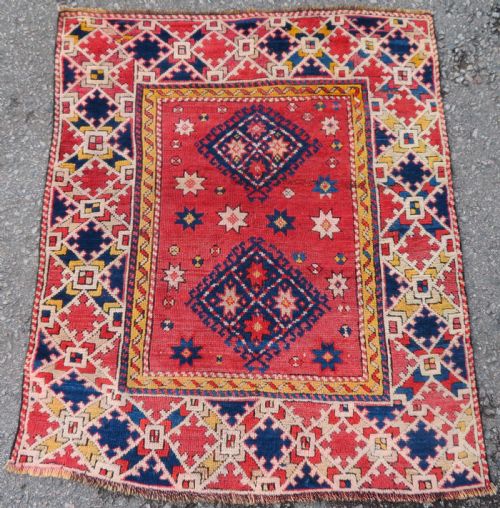
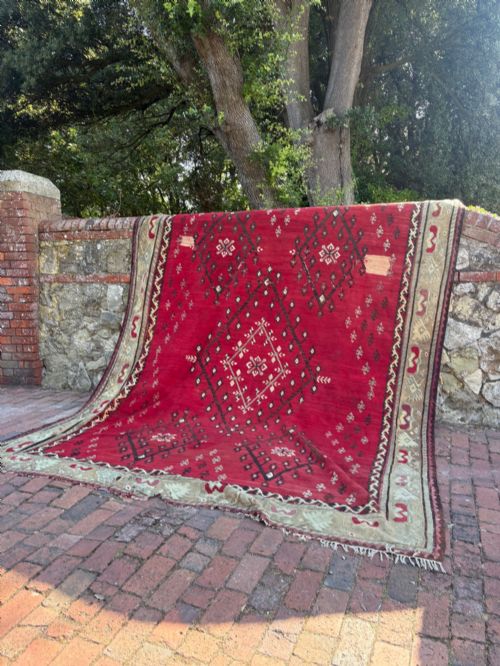
A geometric turkish woven rug brings centuries of Anatolian village craft and distinct tribal patterns directly into a modern interior.
Geometric Turkish Woven Rug
When you search for a geometric turkish woven rug, you encounter floor coverings and flatweaves originating from regions such as Bergama, Konya, Ushak, and Milas. These textiles span periods from the early nineteenth century through to the early twentieth century, reflecting traditional village and nomad aesthetics.
The selections on this page include room-sized carpets, runner rugs, prayer rugs, and smaller tribal bag face cushions. Flatweave kilims woven in two parts and pile carpets sharing distinct motifs represent the core of what is available.
Anatolian tribal and Balkan traditional styles dominate the inventory, accompanied by hand-knotted pile work and embroidered cicim panels. Each piece carries vernacular motifs passed down through generations of weavers working in local wool.
How they were made
The construction relies primarily on wool, cotton, and hand-spun wool used for both the foundation warps and the surface pile or flatweave structures. Natural dyeing methods produced the underlying palette seen across village and tribal workshops.
Weavers utilised traditional upright looms to execute intricate repeating medallions, prayer niches, and geometric field patterns. Many large kilims and carpets were constructed in two separate panels and joined down the centre to achieve greater width.
Listings feature pieces dated from the early nineteenth century through to the 1930s, utilising hand-spun wool and cotton materials.
What varies in quality
The fineness of the wool preparation and the tightness of the weave separate standard village pieces from exceptional tribal examples. Hand-spun yarns with varied depth of colour display a richer visual texture than uniform modern counterparts.
Structural integrity depends on the original tension of the loom work and the preservation of the selvedges. Pieces showing careful historic repairs retain their integrity better than those with neglected losses to the foundational weave.
The Geometric Turkish Woven Rug Glossary
- Kilim
- A flatweave textile produced without a pile by tightly interweaving warp and weft threads. This technique creates a lightweight rug with flat surfaces on both sides.
- Prayer Rug
- A textile featuring a central mihrab or niche design historically oriented towards Mecca during daily prayers. These formats often display focused geometric symbolism in the arch.
- Warp
- The vertical foundation threads stretched tightly on the loom before weaving begins. Wefts are passed horizontally through these structural elements to build the cloth.
- Cicim
- An embroidery technique applied to a woven ground fabric to create raised surface patterns. This method adds tactile relief and secondary geometric decoration to tribal panels.
Geometric Turkish Woven Rug: Frequently Asked Questions
Where were these rugs made?
These textiles were produced across various Anatolian villages and regional weaving centres including Bergama, Konya, and Ushak. Tribal communities and local households contributed distinct regional patterns to the tradition.
Production methods varied from nomadic encampments to established village workshops, each utilising locally sourced wool and traditional dyeing knowledge.
How do I care for an antique rug?
Vacuum gently using suction only without a rotating brush roll to protect the historic wool pile and flatweave structure. Keep the textile out of direct sunlight to prevent natural dye fading over time.
Rotate the rug periodically to ensure even wear across high-traffic areas. Professional textile cleaning is recommended for deep maintenance.
Can these rugs be used on the floor?
Many examples function well on the floor when paired with an appropriate non-slip underlay to prevent sliding and reduce friction. High-traffic hallways and living rooms suit sturdy wool pile carpets and flatweaves.
Delicate flatweaves, small cushions, and embroidered panels are frequently placed on walls or used as decorative accents to minimise physical wear.