




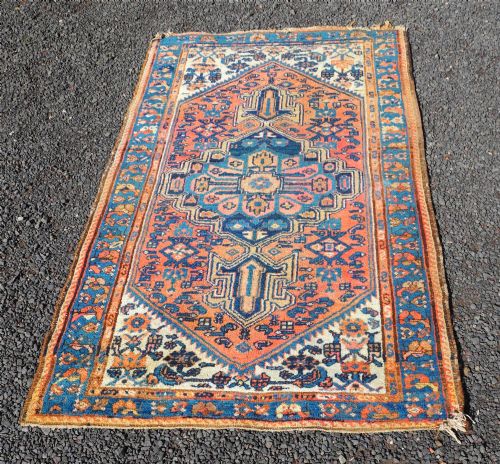

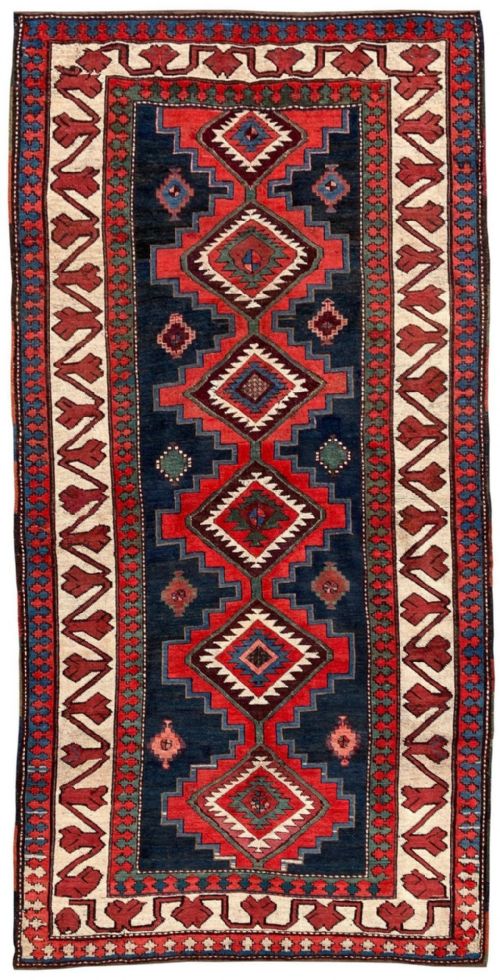
Geometric Tribal Wool Rug
When you search for a geometric tribal wool rug, you are looking at hand-woven textiles created by nomadic and village makers across the Caucasus, Persia, Anatolia and Central Asia.
Geometric Tribal Wool Rug
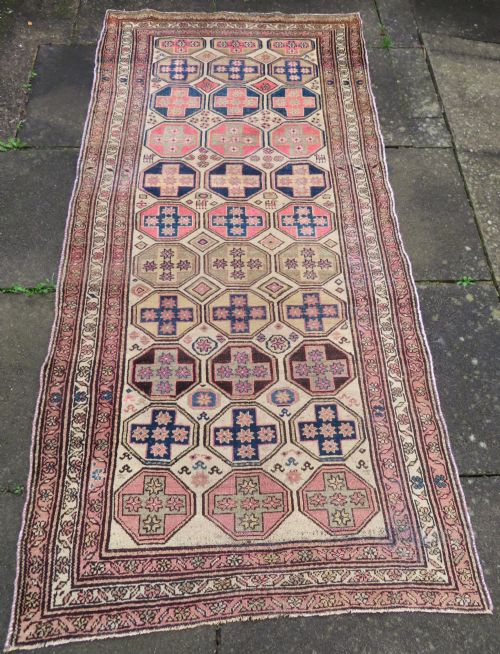
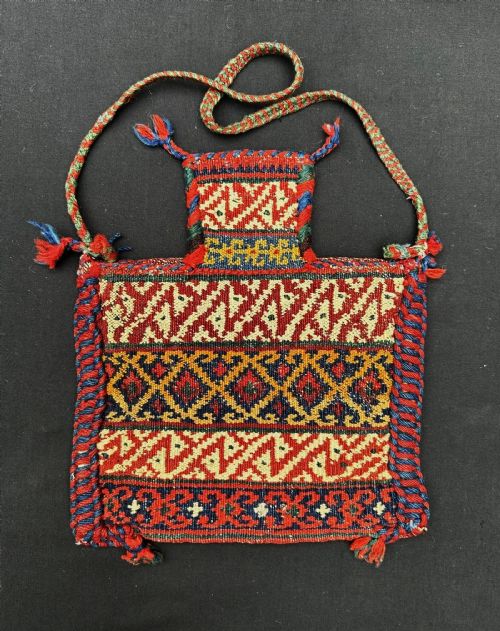
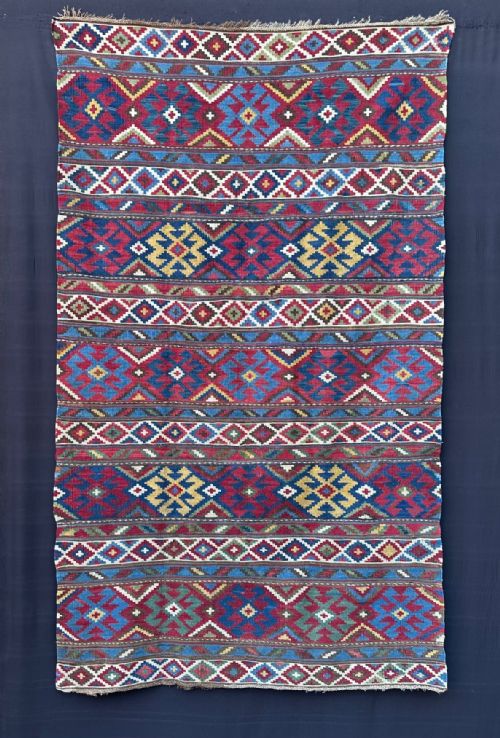
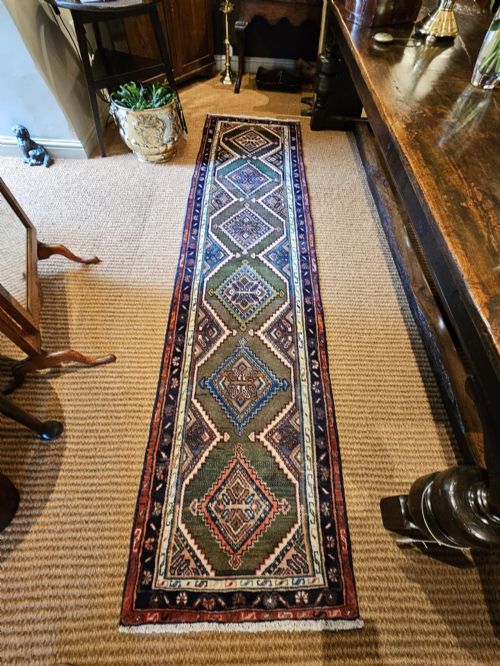
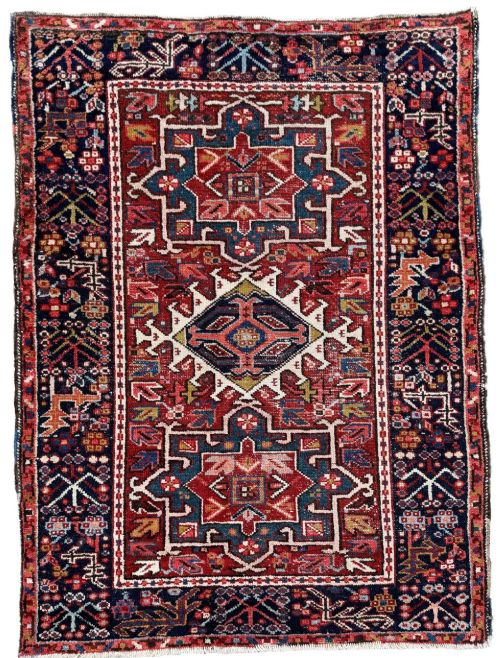
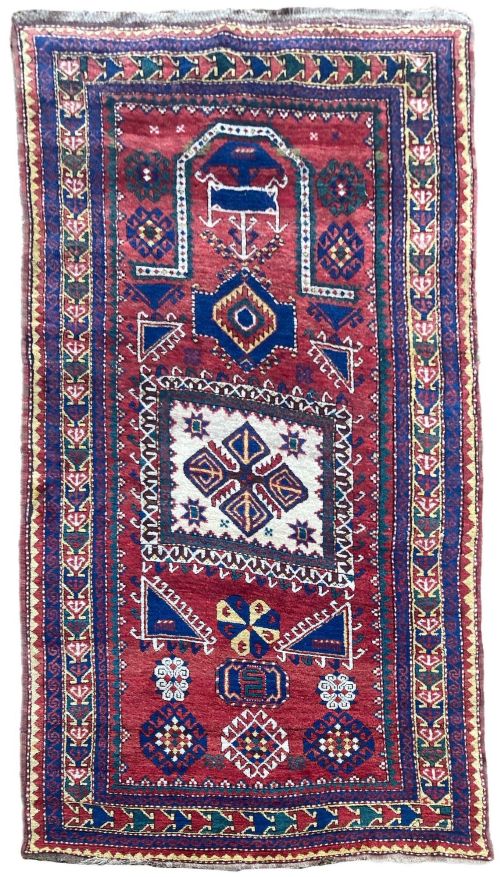
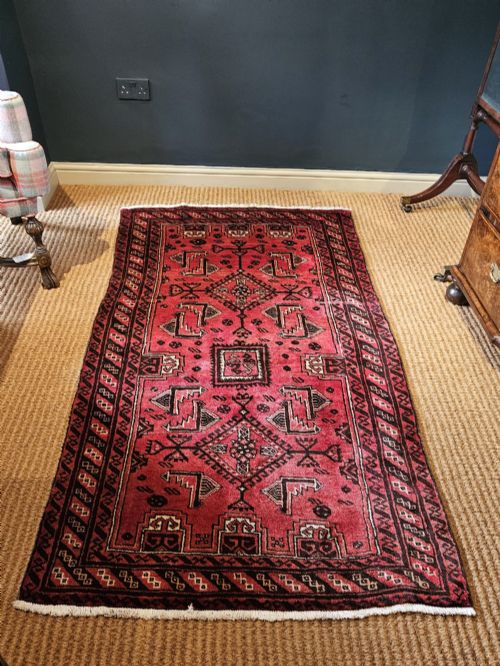
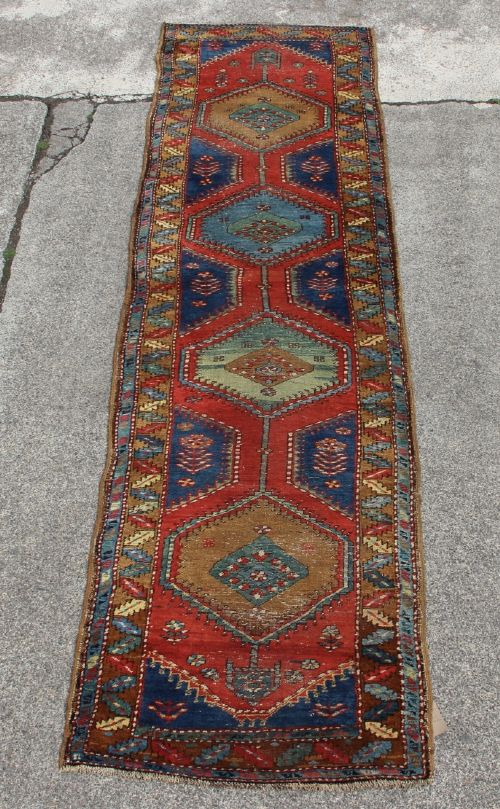
A geometric tribal wool rug is a functional floor covering or textile produced by regional tribes and village workshops, spanning runner formats, hearth sizes and prayer formats. The pieces on this page emerge from traditional weaving centres including Shirvan, Kazak, Karaja, Afshar and Baluch territories. Dating largely from the nineteenth and early twentieth centuries, these textiles reflect distinct regional patterns passed down through generations of makers.
The designs rely heavily on rectilinear motifs, medallions, guls and tribal symbols arranged across wool foundations. Nomadic groups such as the Yomut, Kizyl Ayak and various Kurdish communities utilised characteristic palettes and structural details peculiar to their specific geography. Buyers encounter everything from small scatter rugs to room-sized carpets bearing the strong geometric hallmarks of tribal artistry.
How they were made
These textiles rely principally on wool, including hand-spun varieties and camel wool, worked alongside cotton foundations depending on the origin. Weavers utilised natural dyes to achieve deep reds, olives, and mellow tones that soften gracefully over decades of use. The pile is hand-knotted tightly onto warp and weft threads, creating a dense, durable surface designed to withstand daily wear.
Village and nomadic production meant that looms were portable or set up within domestic spaces, influencing the scale and specific format of each runner or carpet. Artisans beat the rows of knots firmly into place using heavy combs, ensuring structural integrity that survives into the modern era.
Geometric Tribal Wool Rug Retail Price Guide 2026
Typical asking prices for geometric tribal wool rug among the pieces listed under this phrase on Sellingantiques today, from the lower quarter to the upper quarter. They describe what is for sale here now, not the wider market.
Listings span production dates from the nineteenth century through the 1930s, utilising pure wool, hand-spun wool, and natural dyes.
What varies in quality
The distinction between standard village production and finer examples rests in the precision of the knotting and the complexity of the design layout. Finer wool selection, such as tightly hand-spun fleeces, yields a more resilient pile that ages with greater depth and character. The saturation and depth of natural dyes also dictate the visual hierarchy, with certain rugs achieving remarkable harmony as the tones mellow.
Structural trueness along the borders and the clarity of geometric motifs separate the more accomplished regional pieces from everyday utility items. Artisans who maintained strict symmetry and tighter knot densities produced textiles that hold their shape and visual impact more effectively over centuries.
The Geometric Tribal Wool Rug Glossary
- Gul
- A repeating medallion or octagonal motif often found in Turkmen and Baluch tribal carpets. It serves as a primary design element identifying specific tribal origins.
- Mihrab
- An arch-shaped design element representing a prayer niche, frequently centred in rugs intended for devotional use. This motif points toward Mecca during prayer.
- Runner
- A long, narrow carpet format traditionally suited for hallways, corridors or bedside placement. These pieces balance linear geometry with restricted widths.
- Warp
- The vertical threads stretched tightly on the loom before knotting begins. The exposed ends of these threads often form the fringe at either end of the rug.
- Weft
- The horizontal threads passed alternately over and under the warp threads to bind the knots in place. Multiple weft shots can determine the rigidity and handle of the finished textile.
Geometric Tribal Wool Rug: Frequently Asked Questions
How do I clean an old wool rug?
Gentle surface brushing and professional specialist cleaning suited for antique textiles are the safest methods for maintenance. Avoid harsh chemical detergents that strip natural oils from the wool fibres.
Regular light vacuuming without a rotating power brush helps remove embedded dust without stressing the hand-knotted pile or fragile foundation threads.
Where were these tribal rugs made?
Production spans regions across the Caucasus, Persia, Anatolia and Central Asia, encompassing specific territories like Shirvan, Kazak, and Kerman. Nomadic confederations and village communities created these pieces locally.
Weavers drew upon distinct regional motifs and colour traditions tied directly to their specific geography and tribal heritage.
How do I distinguish between regional styles?
Regional attribution relies on identifying specific structural traits, palette choices, and recurring geometric motifs unique to each tribal group. For instance, Caucasian pieces often display crisp primary geometry, while Baluch rugs favour darker tones and specific guls.
Examining the edge finishes, selvedges, and wool quality provides further clues regarding whether a piece originated in a Persian village or a Turkmen encampment.
Can these rugs be placed in high-traffic areas?
Traditional wool construction and tight knotting provide natural resilience, making many of these durable textiles suitable for busy household spaces. Placing a quality underlay beneath the rug prevents slipping and reduces friction against the floorboards.
Rotating the rug periodically ensures even exposure to foot traffic and sunlight over the years, maintaining balanced wear across the pile.